Collaboration
ART
BEAUTY & WELLNESS
CRAFT
CULTURE & HISTORY
ENTERTAINMENT
ENVIRONMENT
FOOD & DRINKS
REVERSE ENGINEERING
SCIENCES
SPORTS
TECHNOLOGY
WEARABLES
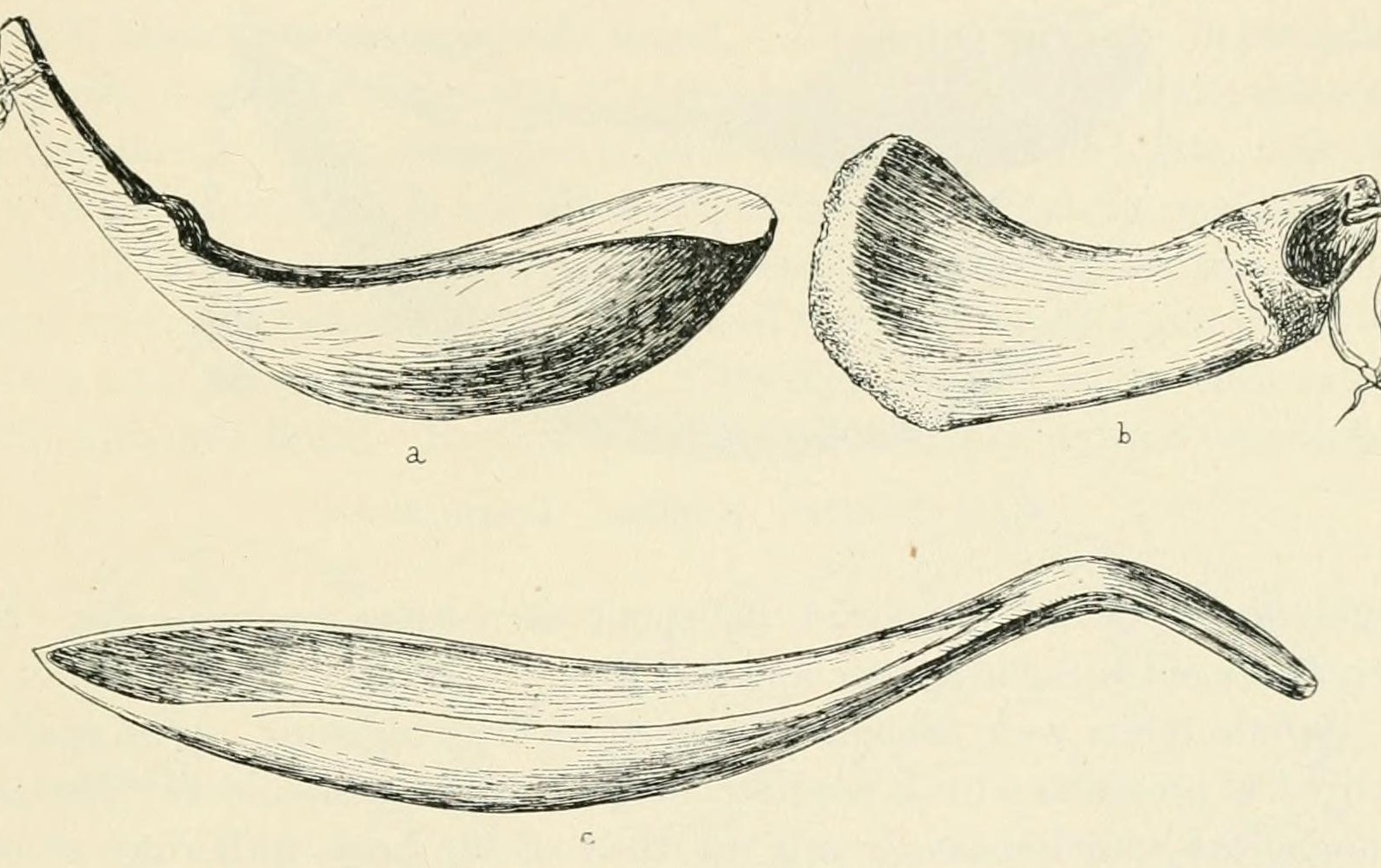


Blackfoot Horn Spoon: Horn Scorched, Trimmed, Boiled Soft, Bowl Pressed over a Stone in the Ground, Tip Bent for a Handle (Wissler, 1910)
The Blackfoot (Niitsitapi) horn spoon as Clark Wissler recorded it: a buffalo or cow horn scorched in the fire to fry out the glue, trimmed with a knife, boiled soft, its bowl pressed out over a shaped stone held in a hole in the ground, and the tip bent into a handle and weighted down with stones until it dries.
Beginner
An afternoon, then days to dry
Instructions
1
1
Read Wissler
Read Wissler
"The process of shaping horn spoons was simple."
2
2
Scorch and trim
Scorch and trim
Scorch the horn in the fire until the gluey matter fries out, then trim it to shape with a knife: split the wide base for a long slender bowl (his Fig. 3c), leaving the tip for the handle. Ours: a saw for the split.
Materials for this step:
 Cattle Horn1 piece
Tools needed:
 Fire Pit
 Knife
 Hacksaw
3
3
Boil soft
Boil soft
Boil the horn in water until it is soft.
Materials for this step:
 Water1 piece
Tools needed:
 Iron KettleFire Pit
4
4
Press the bowl and bend the handle
Press the bowl and bend the handle
Dig a hole in the ground to hold a stone of the right shape. Force the soft bowl part over the stone so the hole's sides hold it in place. Bend the handle as you want it and weigh it down with stones.
Tools needed:
 Hammerstone
 Shovel
5
5
Dry and finish
Dry and finish
Leave it until thoroughly dry, then take it out: the spoon is ready. Larger ladles were made the same way from mountain sheep horn, with a hole at one end for a thong.
Materials for this step:
 Rawhide Lacing1 piece
Tools needed:
 Awl
6
6
Troubleshooting
Troubleshooting
Horn spoon troubleshooting.
Flow
Loading...
7
7
History and honest limits
History and honest limits
From Clark Wissler, *Material Culture of the Blackfoot Indians*, **Anthropological Papers of the American Museum of Natural History** vol. V (1910), pp. 28-30 and Figs. 3-4 (checked on the archive.org scan materialcultureo00wiss). Both men and women made spoons and bowls; by 1910 most horn spoons had gone out of use. Cattle horn standing for buffalo, the saw and timings are ours.
Materials
3- 1 piecePlaceholder
- 1 piecePlaceholder
- 1 piecePlaceholder
This blueprint makes

Related Blueprints
These blueprints share knowledge with this one — techniques, materials, or principles that connect them in the learning graph.
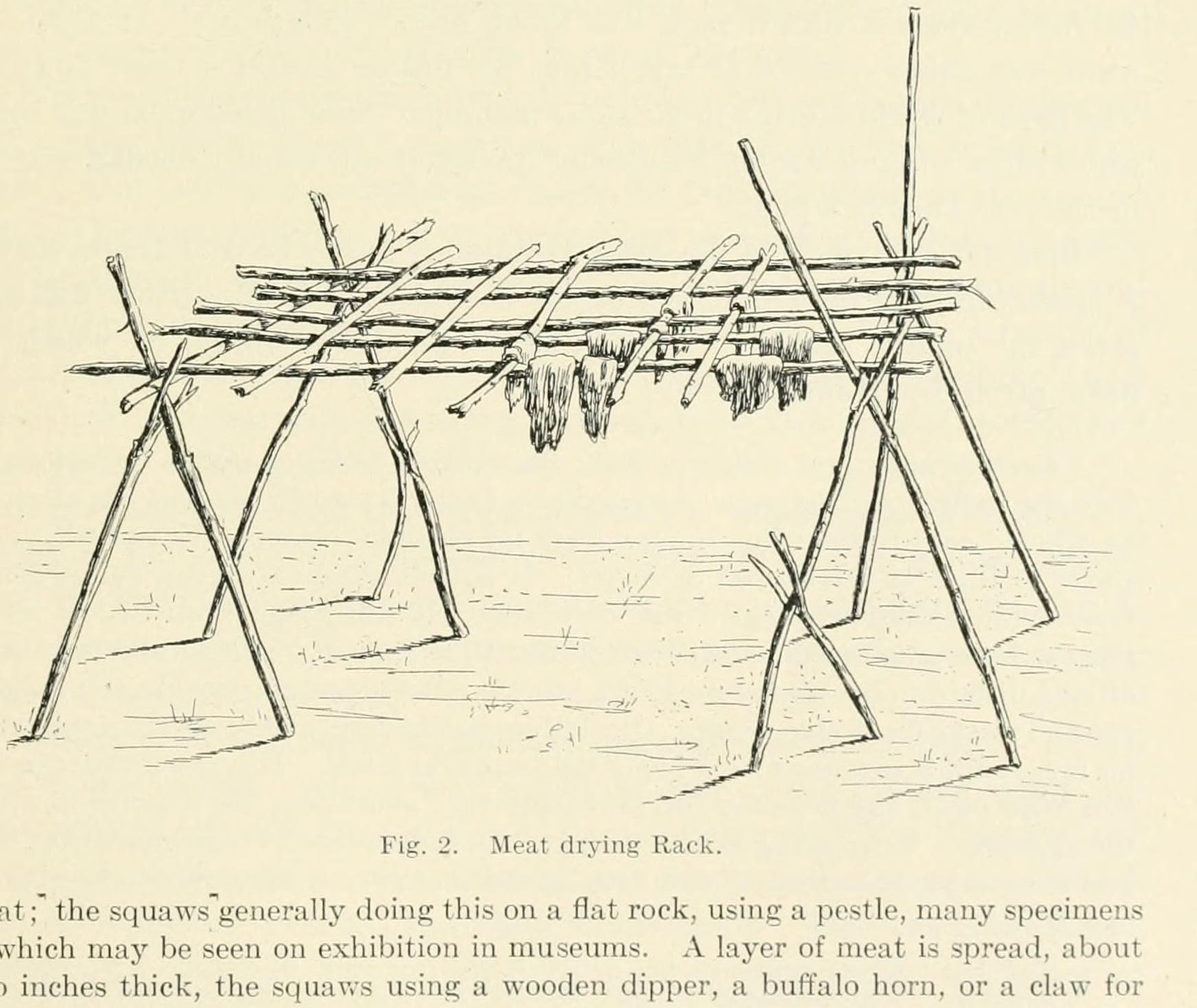
Blackfoot Pemmican: Dried Meat Warmed and Pounded, Marrow and Tallow Melted In, Crushed Chokecherries Worked Through (Wissler, 1910)
by TheChef
FOOD & DRINKS
2
0
0
0
0
0
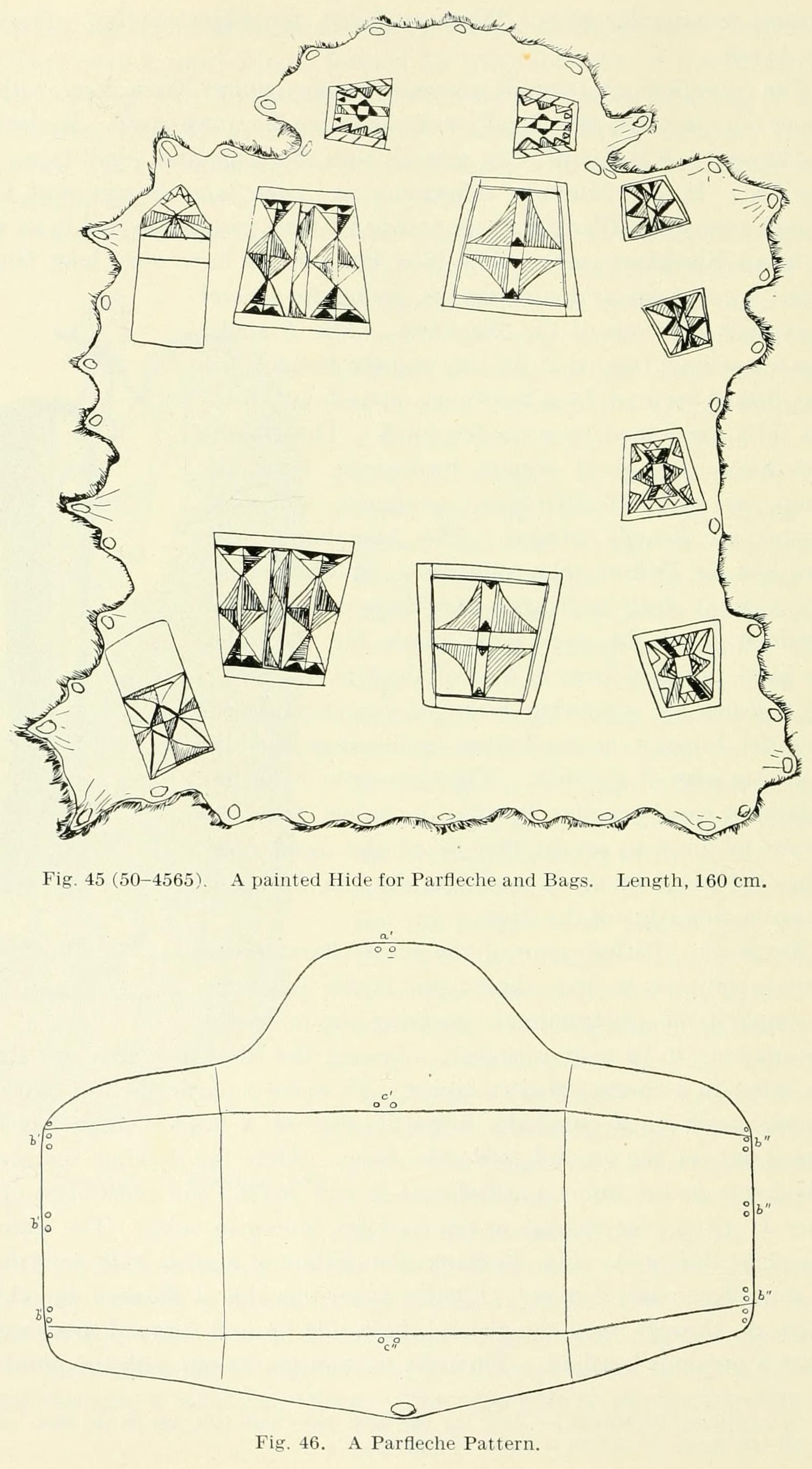
Blackfoot Parfleche: Rawhide Pegged Out, Fleshed, Painted While Staked, Scraped Even, Cut and Folded Like an Envelope (Wissler, 1910)
by Tex
Textile & Leather
2
0
0
0
0
0
CC0 Public Domain
This blueprint is released under CC0. You are free to copy, modify, distribute, and use this work for any purpose, without asking permission.
Support the Maker by purchasing products through their Blueprint where they earn a Maker Commission set by Vendors, or create a new iteration of this Blueprint and include it as a connection in your own Blueprint to share revenue.