ART
BEAUTY & WELLNESS
CRAFT
CULTURE & HISTORY
ENTERTAINMENT
ENVIRONMENT
FOOD & DRINKS
REVERSE ENGINEERING
SCIENCES
SPORTS
TECHNOLOGY
WEARABLES
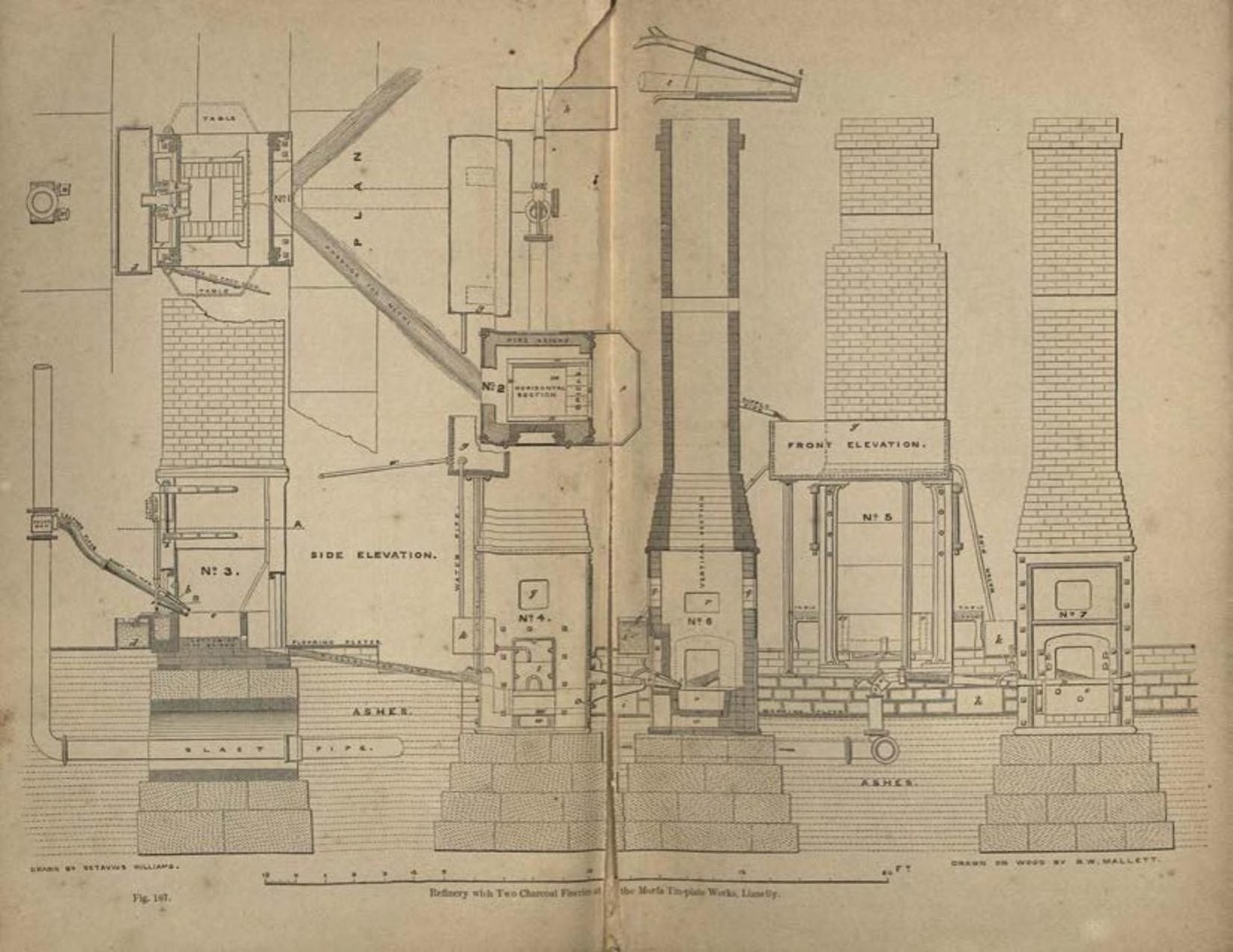


Charcoal Finery Iron: the South Wales Process, Ball Hammered into Stamps (Percy, 1864)
The best iron for charcoal tin-plates, as Percy watched it made at the Morfa Tin-plate Works, Llanelly, on 9 September 1859: pig iron melted under coke in a running-out fire flows into two charcoal fineries, where it is broken up with charcoal, melted down before a cold blast and worked into a ball, which is hammered into a slab and broken into 'stamps'.
Charcoal is used because it holds no sulphide of iron, so no sulphur passes into the iron.
Source: J. Percy, Metallurgy: Iron and Steel (1864), pp. 581-586. Picture: Fig. 107, the refinery and two charcoal fineries at Morfa.
Advanced
Unknown
Instructions
1
1
Melt the pig under coke
Melt the pig under coke
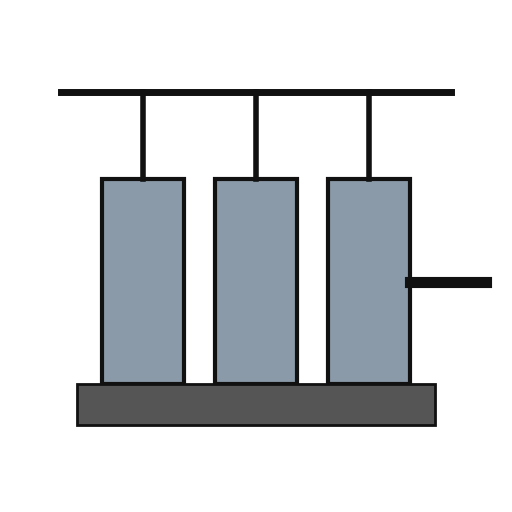
Melt Pembrokeshire pig iron and Cumberland haematite pig iron together under coke in the running-out fire (melting finery), enough to fill two charcoal fineries: 5 to 6 cwt at Pont-y-Mister; 200 to 250 lb for each finery at Pontypool. Tap it at the bottom so that metal flows first, and keep the slag apart as far as you can. Not given: the proportion of the two pigs.
Materials for this step:
 Pig Iron Ingots1 5-6 cwt for two fineries
 Metallurgical Coke1 piece
Tools needed:
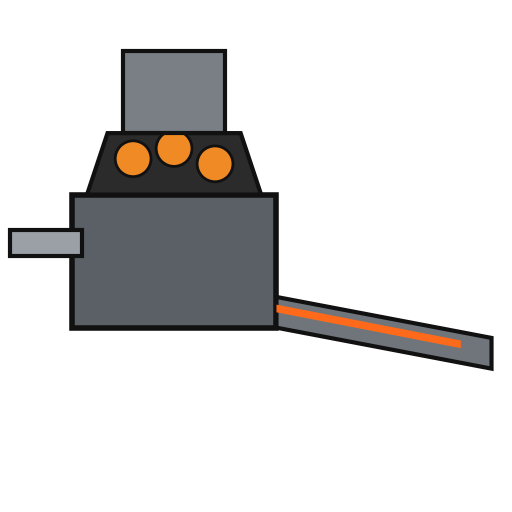 Running-Out Fire
 Blowing Engine
2
2
Fill the charcoal fineries
Fill the charcoal fineries
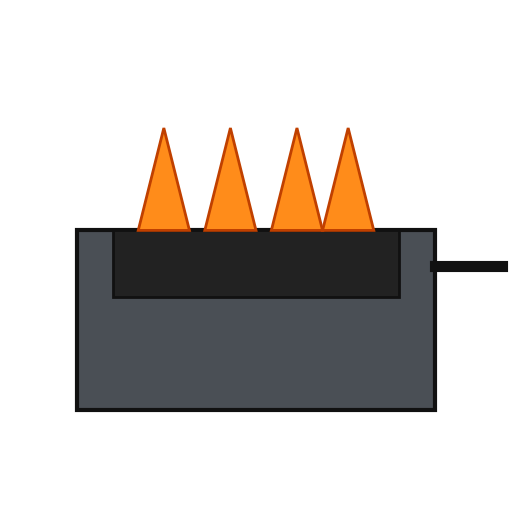
Run the molten metal into the two charcoal fineries, still hot from the last heat. Take off the slag that comes with it as a crust once it has set. Throw in a basket of charcoal and let the cold blast on full.
Materials for this step:
 Lump Charcoal (hardwood)1 a basket per finery, more as needed
Tools needed:
 Finery HearthBlowing Engine
3
3
Break up and melt down
Break up and melt down
Break the friable, half-set metal with an iron bar, mix it with the charcoal and heap it towards the tuyere side, where it melts down before the blast ('sinking a lump'). Throw water on the charcoal at intervals so that it does not burn to waste. Keep loosening and raising the metal from the bottom and the tuyere side.
Tools needed:
 Fire PokerFinery Hearth
 Water
4
4
Gather the ball
Gather the ball
Put back pieces left from the last hammering with a two-pronged fork. Tap off the cinder several times and add charcoal, using the hooks at the sides as fulcra to press loose pieces down onto the ball. Lessen the blast at the end. At Morfa the metal went in at 2 h 10 m and the ball came out at 3 h 23 m.
Tools needed:
Fire PokerFinery Hearth5
5
Hammer the ball into a slab
Hammer the ball into a slab
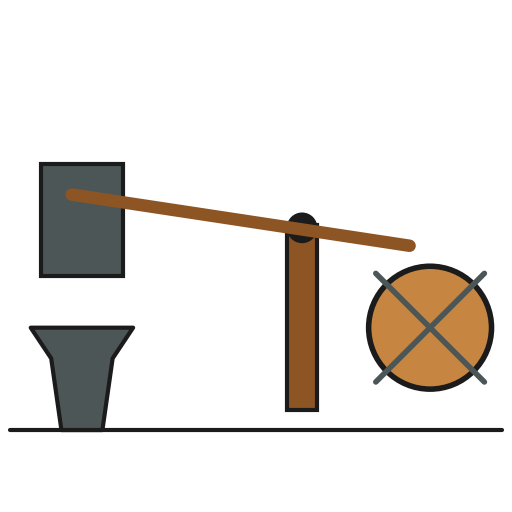
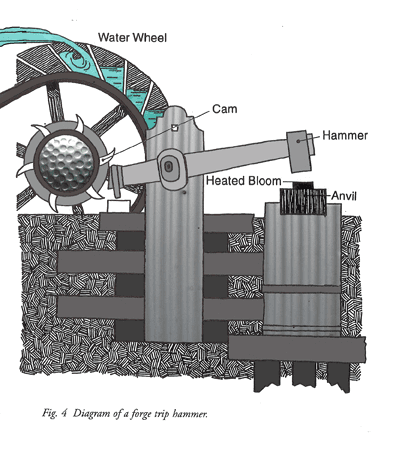
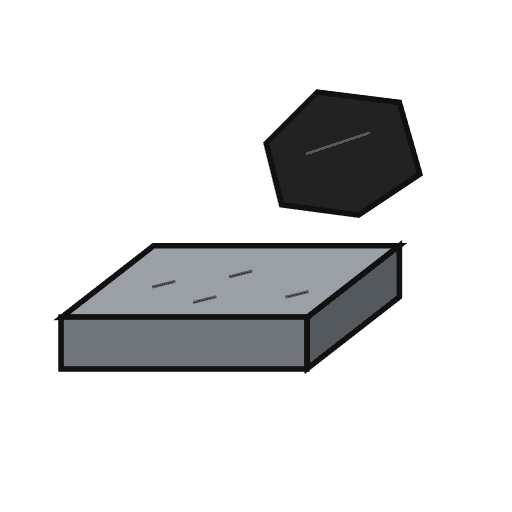
Put the ball under the cam hammer with the tuyere mark facing the hammerman. Hammer it into a narrow slab, rounded at the ends, about 1 3/4 to 2 1/4 in. thick. While it is hot, nick it across deeply in seven or eight places with a chisel-ended bar under the hammer.
Tools needed:
 Trip Hammer
 Forge Tongs
6
6
Quench and break into stamps
Quench and break into stamps
Plunge the nicked slab, still red-hot, into cold water to loosen the oxide. Lay it nicks down across a long ribbed anvil and break it with a narrow-ended sledge into 'stamps' of about 26 lb. Set the end pieces apart, sort the rest by soundness, and return broken bits to the next charge.
Tools needed:
Water Flat Anvil
 Heavy SledgehammerForge Tongs
Materials
3- 1 5-6 cwt for two fineriesPlaceholder
- 1 piecePlaceholder
- 1 a basket per finery, more as neededPlaceholder
Tools Required
9- Placeholder
- Placeholder
- Placeholder
- Placeholder
- Placeholder
- Placeholder
- Placeholder
- Placeholder
- Placeholder
Connected Blueprint Materials

This blueprint makes
CC0 Public Domain
This blueprint is released under CC0. You are free to copy, modify, distribute, and use this work for any purpose, without asking permission.
Support the Maker by purchasing products through their Blueprint where they earn a Maker Commission set by Vendors, or create a new iteration of this Blueprint and include it as a connection in your own Blueprint to share revenue.