Collaboration
ART
BEAUTY & WELLNESS
CRAFT
CULTURE & HISTORY
ENTERTAINMENT
ENVIRONMENT
FOOD & DRINKS
REVERSE ENGINEERING
SCIENCES
SPORTS
TECHNOLOGY
WEARABLES
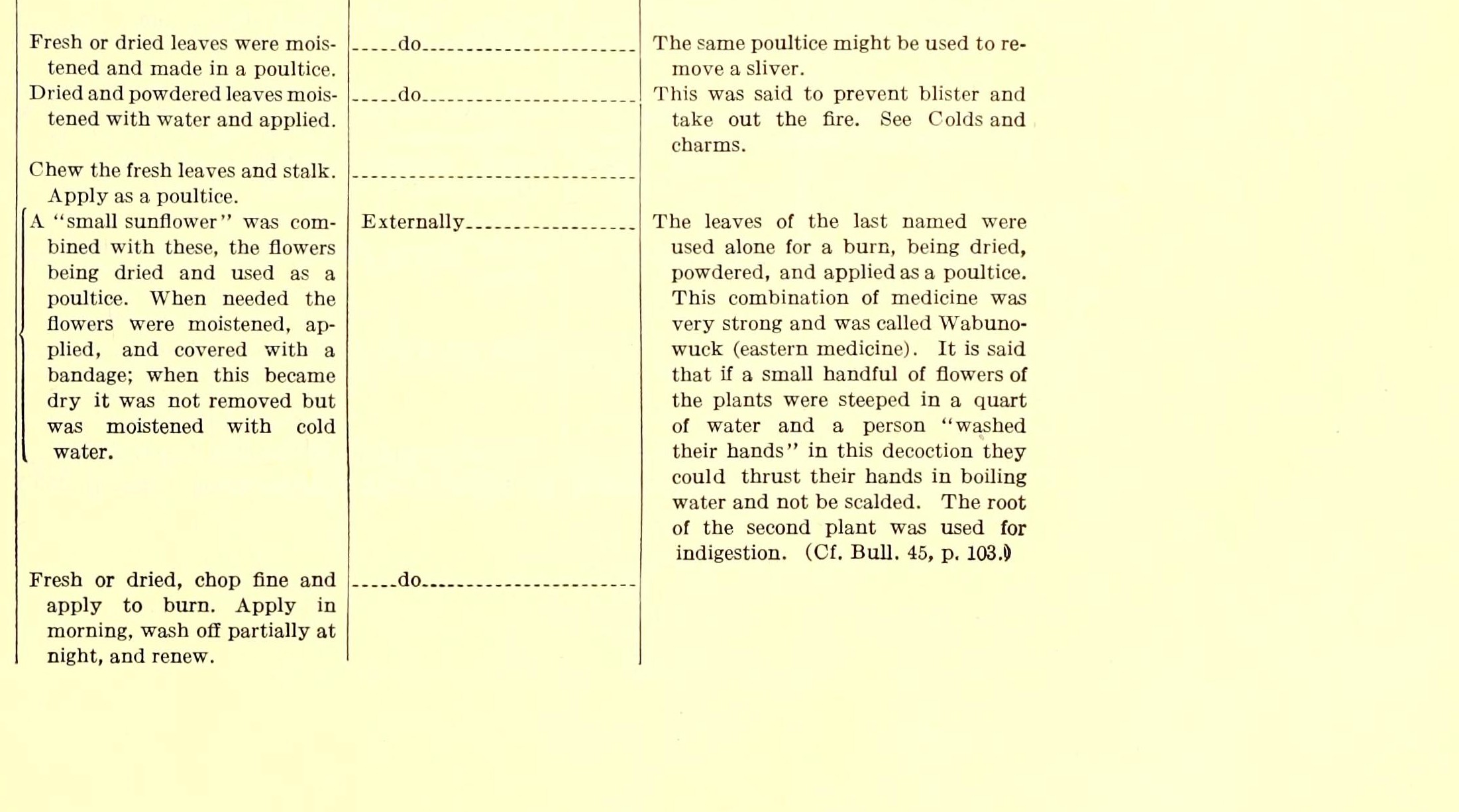


Chippewa Burn Poultices: Giant Hyssop Leaves, the Four-Flower Wabunowuck and Tamarack Inner Bark (Densmore, 1928)
The burn poultices of the Chippewa (Ojibwe) recorded by Frances Densmore: powdered giant hyssop leaves moistened with water, "said to prevent blister and take out the fire"; Wabunowuck, dried flowers of goldenrod, coneflower, giant hyssop and a small sunflower kept moist under a bandage; and chopped tamarack inner bark renewed each morning. Recorded use, not medical advice.
Beginner
An hour, plus drying
Instructions
1
1
Read Densmore
Read Densmore
Three burn remedies from her medicine table. She gives no amounts. Recorded use, not medical advice: a deep, large or blistered burn needs a doctor (ours).
2
2
Giant hyssop leaf poultice
Giant hyssop leaf poultice
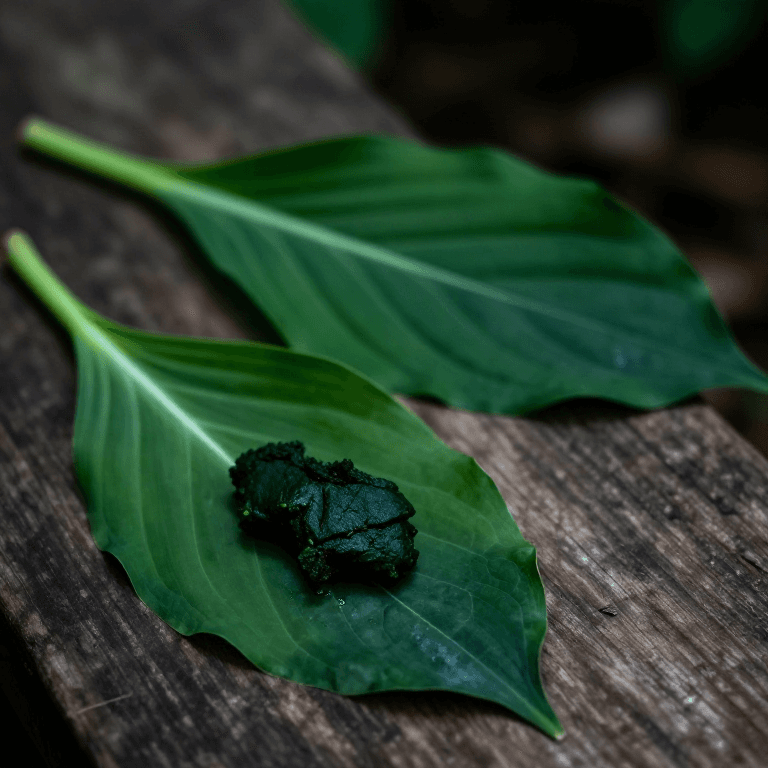
Dry the leaves, powder them, moisten with water and apply. It "was said to prevent blister and take out the fire." Second way: chew the fresh leaves and stalk and apply as a poultice.
Materials for this step:
 Giant Hyssop Leaves1 piece
 Water1 piece
Tools needed:
 Drying Rack
 Stone Mortar and Pestle
3
3
Wabunowuck, the eastern medicine
Wabunowuck, the eastern medicine
Dry the flowers of goldenrod, coneflower and giant hyssop together with a "small sunflower" (species not given). When needed, moisten the flowers, apply, and cover with a bandage. When it dries, do not take it off: wet it again with cold water. Densmore was told this combination was "very strong".
Materials for this step:
 Goldenrod Flowers (Dried)1 piece
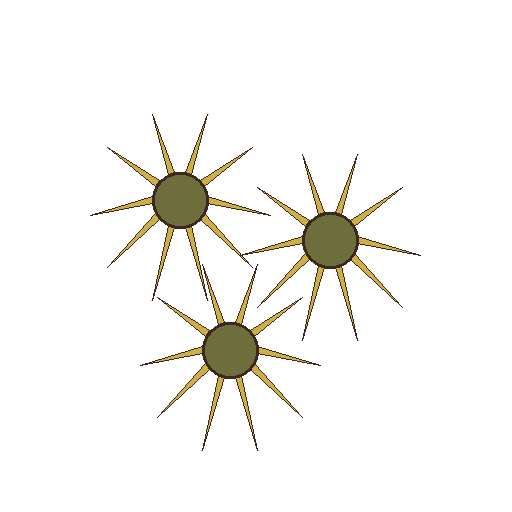 Coneflower Flowers (Dried)1 piece
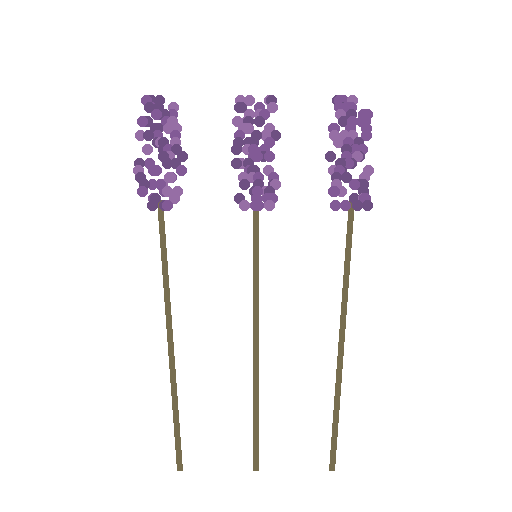 Giant Hyssop Flowers (Dried)1 piece
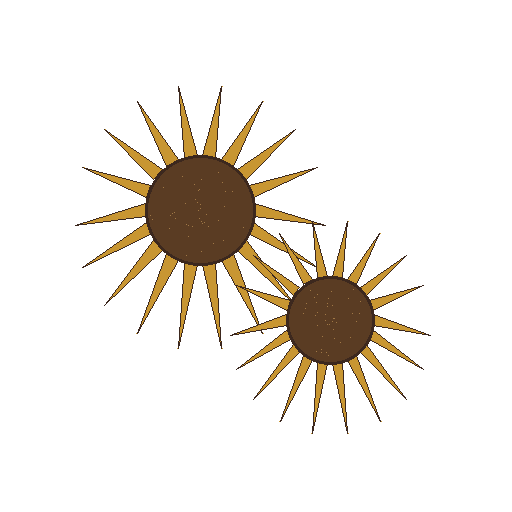 Sunflower Flowers (Dried)1 pieceWater1 piece
 Cotton Gauze1 piece
Tools needed:
Drying Rack4
4
Tamarack inner bark
Tamarack inner bark
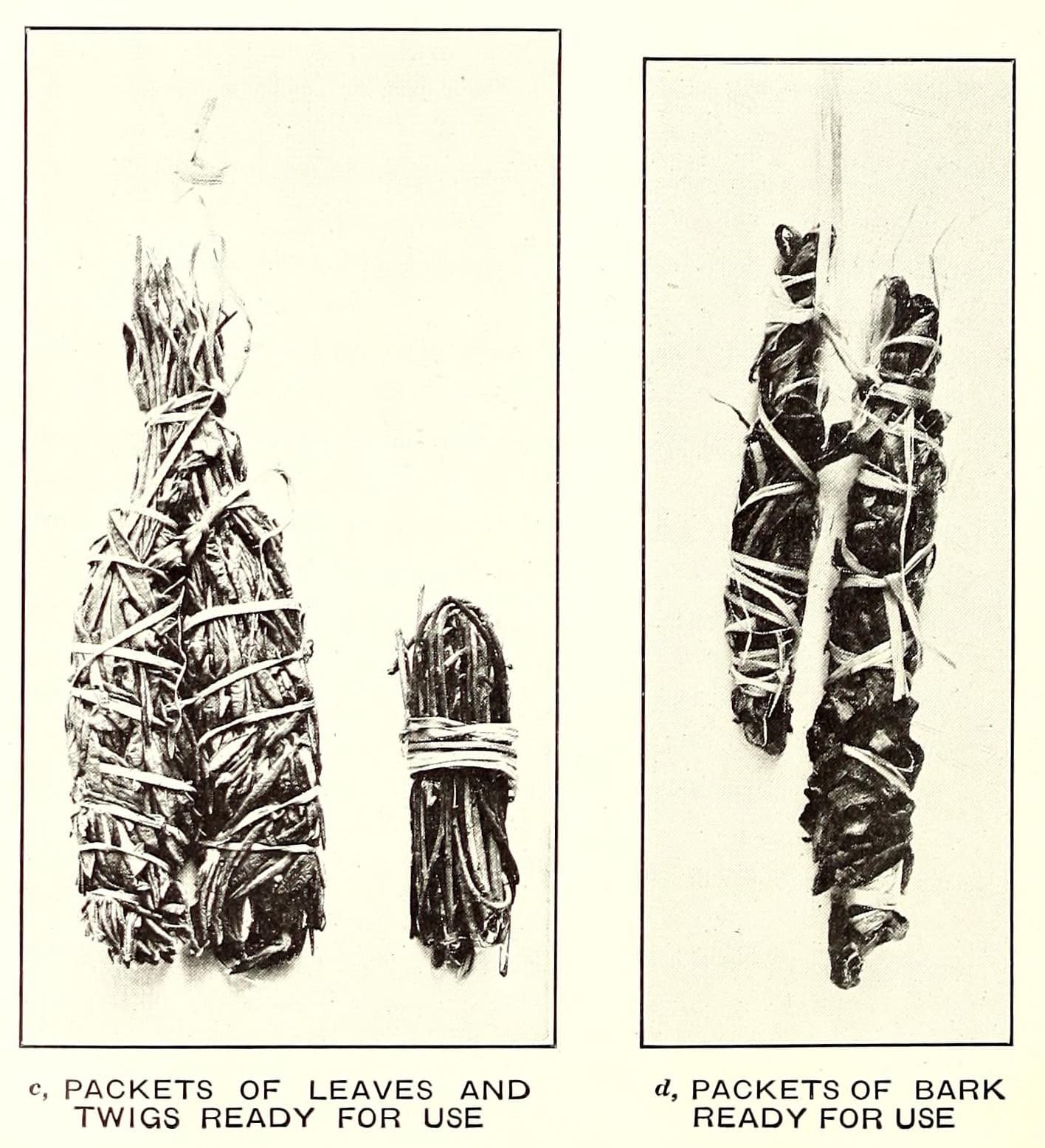
Fresh or dried, chop the inner bark fine and lay it on the burn. Apply in the morning, wash off partly at night, and renew.
Materials for this step:
 Tamarack Inner Bark1 pieceWater1 piece
Tools needed:
 Knife
5
5
Troubleshooting
Troubleshooting
Burn poultice troubleshooting.
Flow
Loading...
6
6
History and honest limits
History and honest limits
From Frances Densmore, *Uses of Plants by the Chippewa Indians*, **44th Annual Report of the Bureau of American Ethnology** (1928), pp. 352-353 (checked on the archive.org scan usesofplantsbych00dens). Chippewa remedies were mostly knowledge of the Midewiwin, shared with her so a record would survive. A claim in her remarks about hands in boiling water is left out on purpose. Amounts and safety advice are ours. Recorded use, not medical advice.
Materials
8- 1 piecePlaceholder
- 3 piecesPlaceholder
- 1 piecePlaceholder
- 1 piecePlaceholder
- 1 piecePlaceholder
- 1 piecePlaceholder
- 1 piecePlaceholder
- 1 piecePlaceholder
This blueprint makes
Related Blueprints
These blueprints share knowledge with this one — techniques, materials, or principles that connect them in the learning graph.
CC0 Public Domain
This blueprint is released under CC0. You are free to copy, modify, distribute, and use this work for any purpose, without asking permission.
Support the Maker by purchasing products through their Blueprint where they earn a Maker Commission set by Vendors, or create a new iteration of this Blueprint and include it as a connection in your own Blueprint to share revenue.