ART
BEAUTY & WELLNESS
CRAFT
CULTURE & HISTORY
ENTERTAINMENT
ENVIRONMENT
FOOD & DRINKS
REVERSE ENGINEERING
SCIENCES
SPORTS
TECHNOLOGY
WEARABLES
Translated

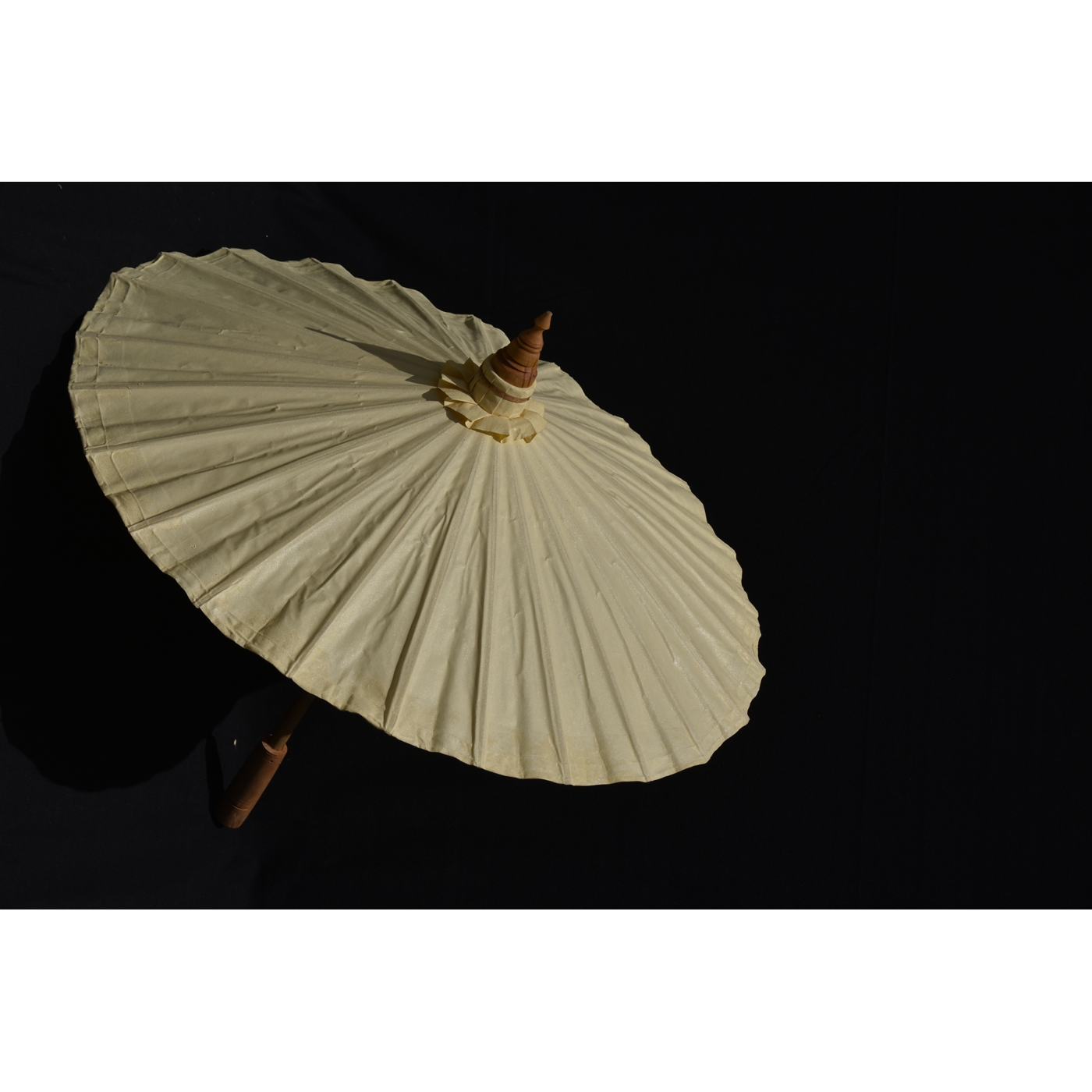
Chong (Bo Sang Paper Umbrella) — a Bong Khai Bamboo Frame, Turned Wooden Top, Cotton-Threaded Ribs, Sa Paper Glued with Sticky Rice and Matap-tong Sap, Coated with Ma Phok Oil
จ้อง (chong) is the northern Thai word for umbrella. The famous Bo Sang sa-paper umbrella comes from Ban San Ton Hae, Doi Saket, Chiang Mai, which made the frames for Bo Sang.
This blueprint makes a real sa-paper umbrella by the method in the source.
Advanced
Several days
Instructions
1
1
Figures
Figures
Loading Jupyter Notebook...
2
2
Pounding, before it
Pounding, before it
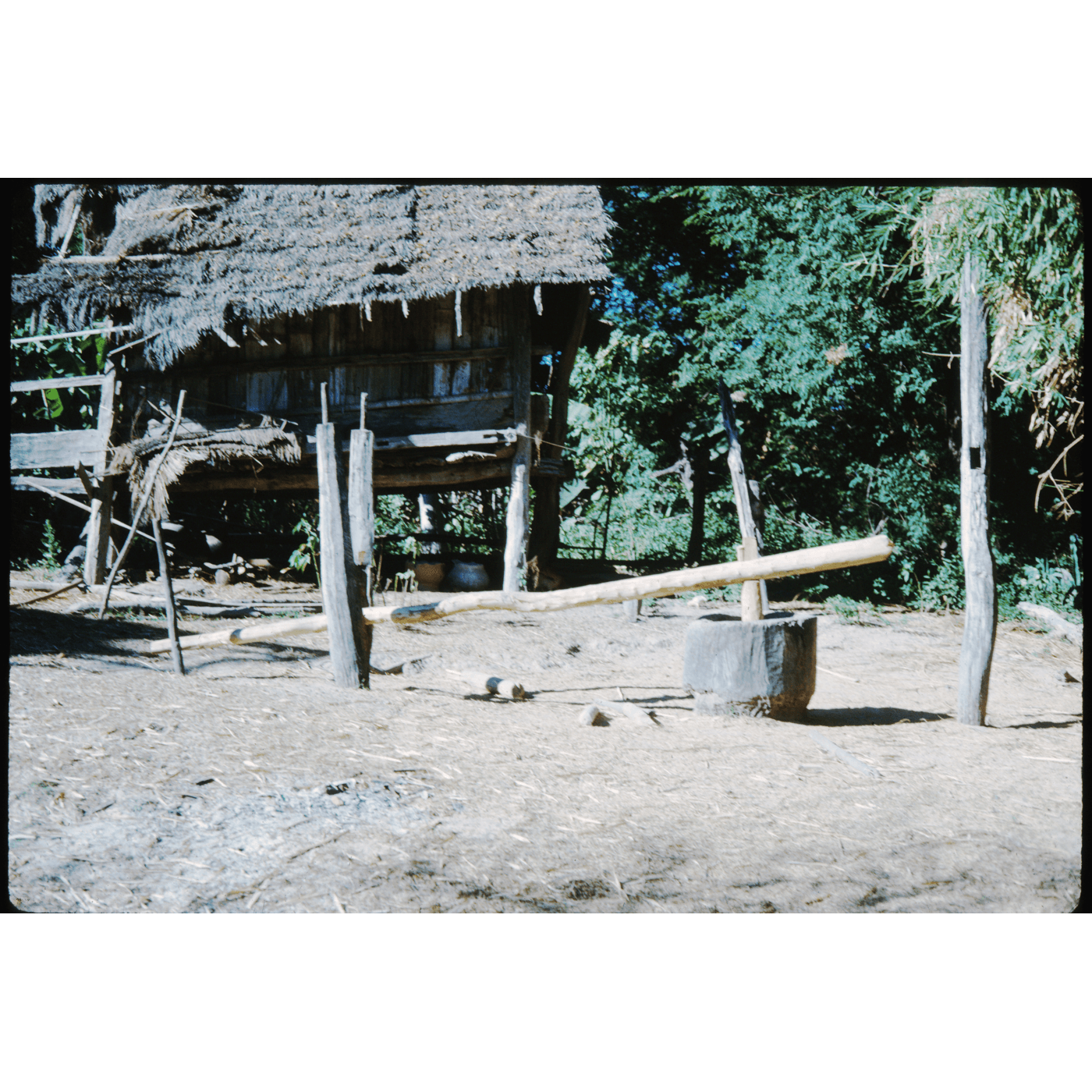
The umbrella glue is made from unripe takho or matap-tong fruit pounded in a krok kradueang foot-pounder.
3
3
Read from the source
Read from the source
"The holes for the umbrella catch are drilled only with the tool called a yon mue; tools with electric motors cannot be used." (Sirindhorn Anthropology Centre, author ธันวดี สุขประเสริฐ (Thanwadi Sukprasoet), CC BY 4.0)
4
4
Stretchers and ribs
Stretchers and ribs
Cut bong khai bamboo about 2 years old into lengths for the umbrella size, measuring every part with a mok (a gauge with a marking nail). Smooth both ends of each internode before splitting, so nothing pierces the paper (pat na takkataen). Stretchers: drill the end holes before splitting. Ribs: split as in the figures, shave them curved to the frame, thin the ends to fit the top, and drill the rib's middle with 3 holes to take the stretcher.
Materials for this step:
 Bamboo Poles1 piece
Tools needed:
 Hand Saw
 Machete
 Knife
Knife5
5
Top and runner
Top and runner
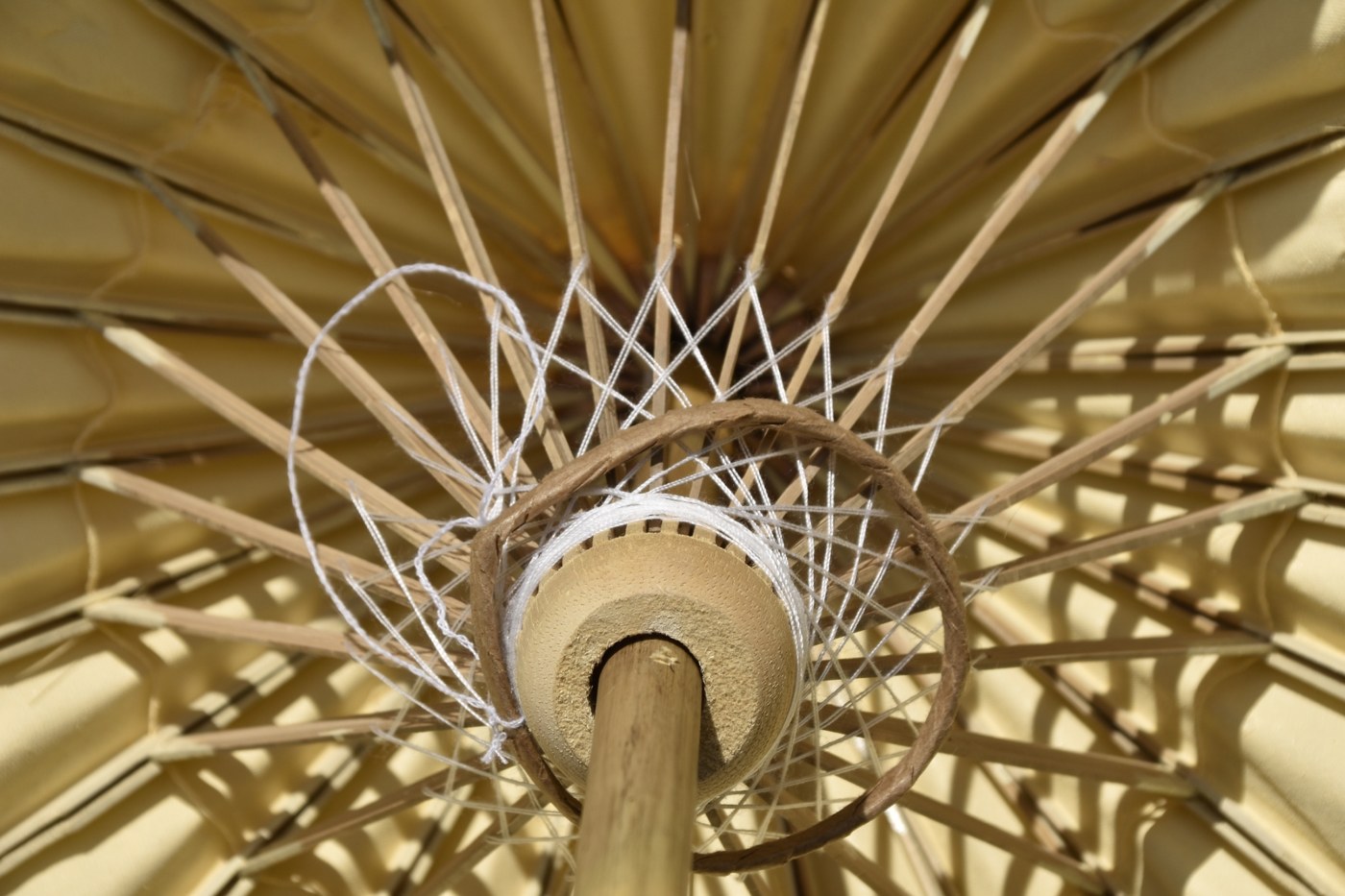
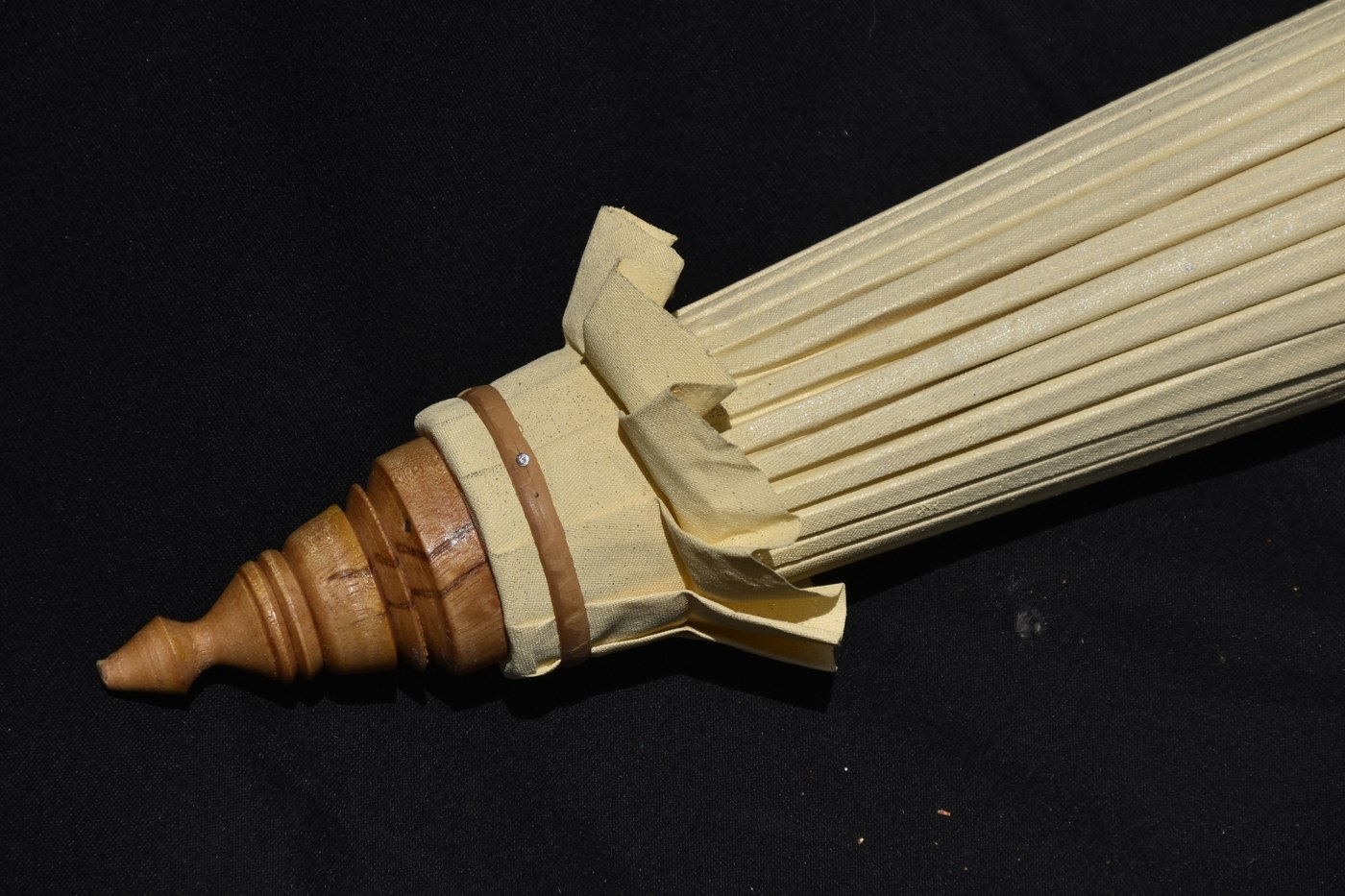
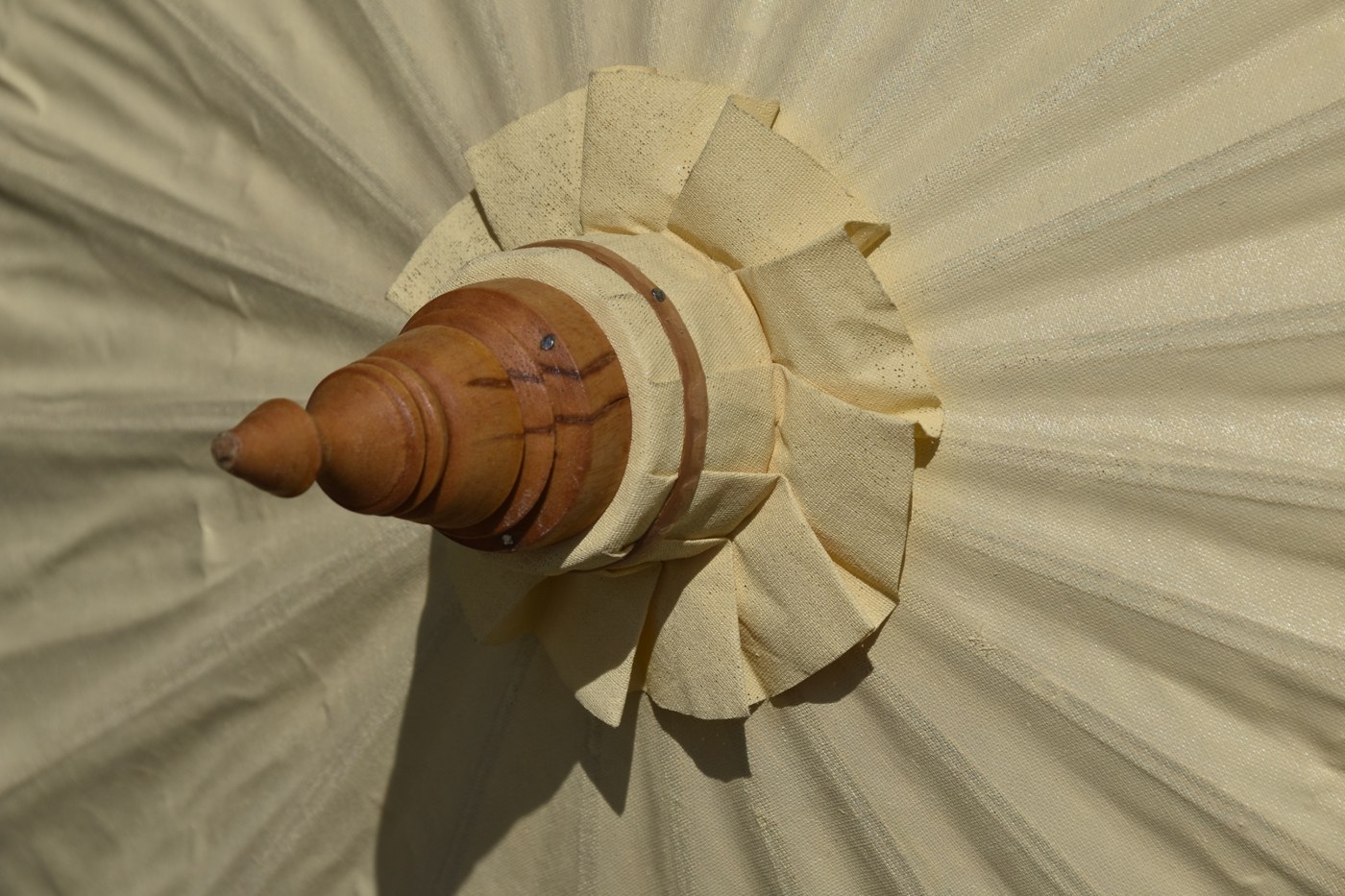
Turn softwood, such as khae wood, into the top and the runner; the top is the larger. Saw a slot for each rib and thread the ribs to the top and runner with cotton thread. Drill the catch hole with the yon mue, whose bit is made from a bicycle spoke. The shaft is ruak bamboo or turned wood.
Materials for this step:
 Softwood Logs1 piece
 Cotton Thread1 piece
Tools needed:
 Wood Lathe
6
6
Sap and paper
Sap and paper
Pound unripe matap-tong or takho fruit in a foot-pounder with a little water, according to how much sap it has, and squeeze out the white sap; steep the pulp 2 nights and squeeze again. It keeps for years. Pound sticky rice until gluey, dip it in matap-tong sap and brush it on the back of the opened frame. Lay one layer of sa paper as a base, then another on top. When dry, brush ma phok oil on the paper so rain does not cling to it.
Materials for this step:
 Mulberry Bark Paper1 piece
7
7
Real photos
Real photos
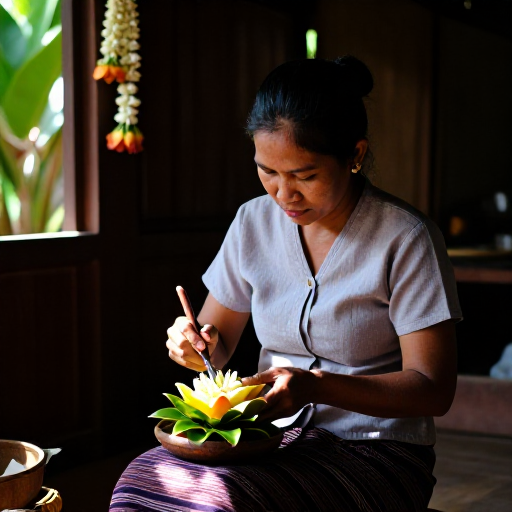
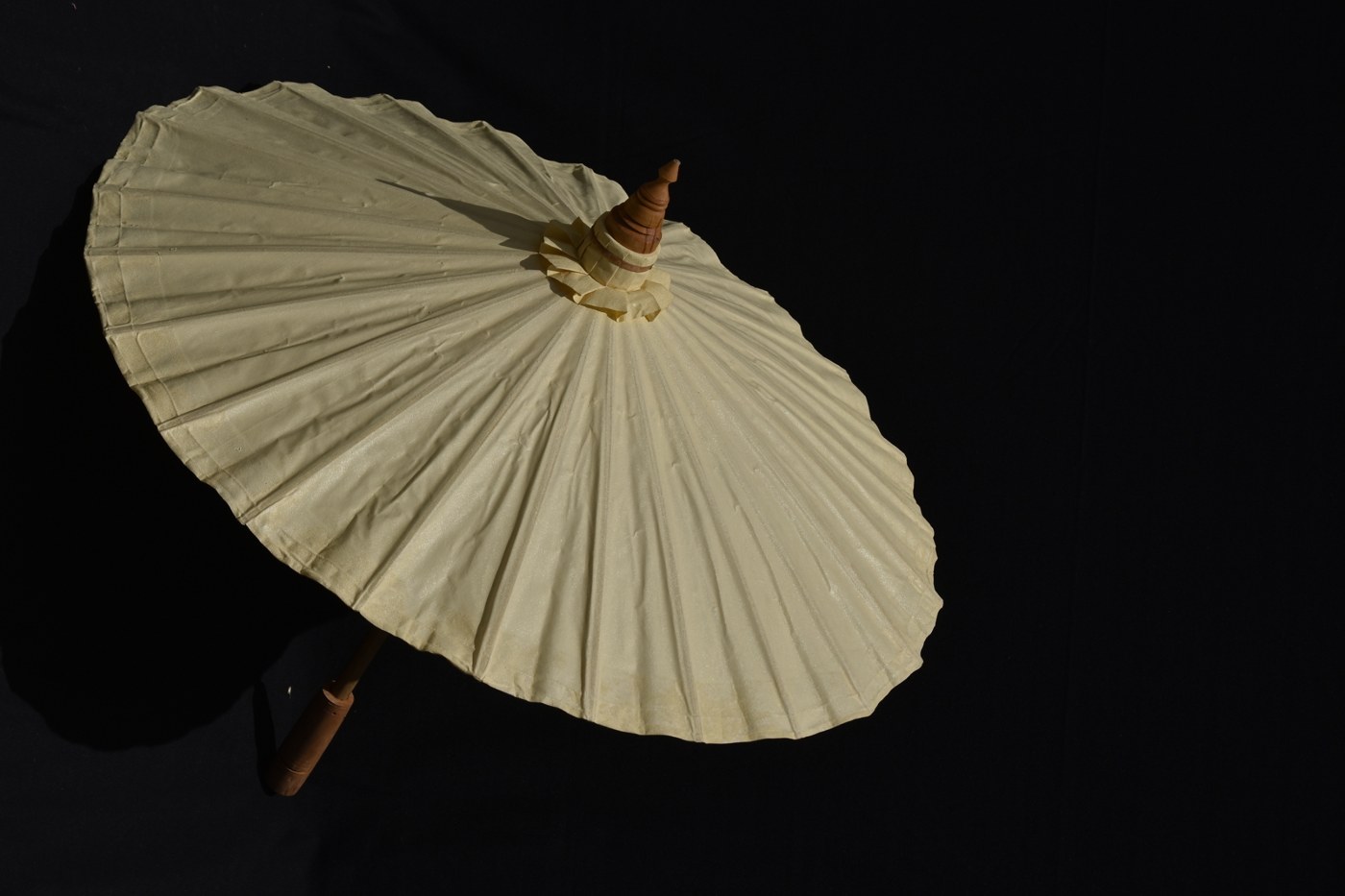
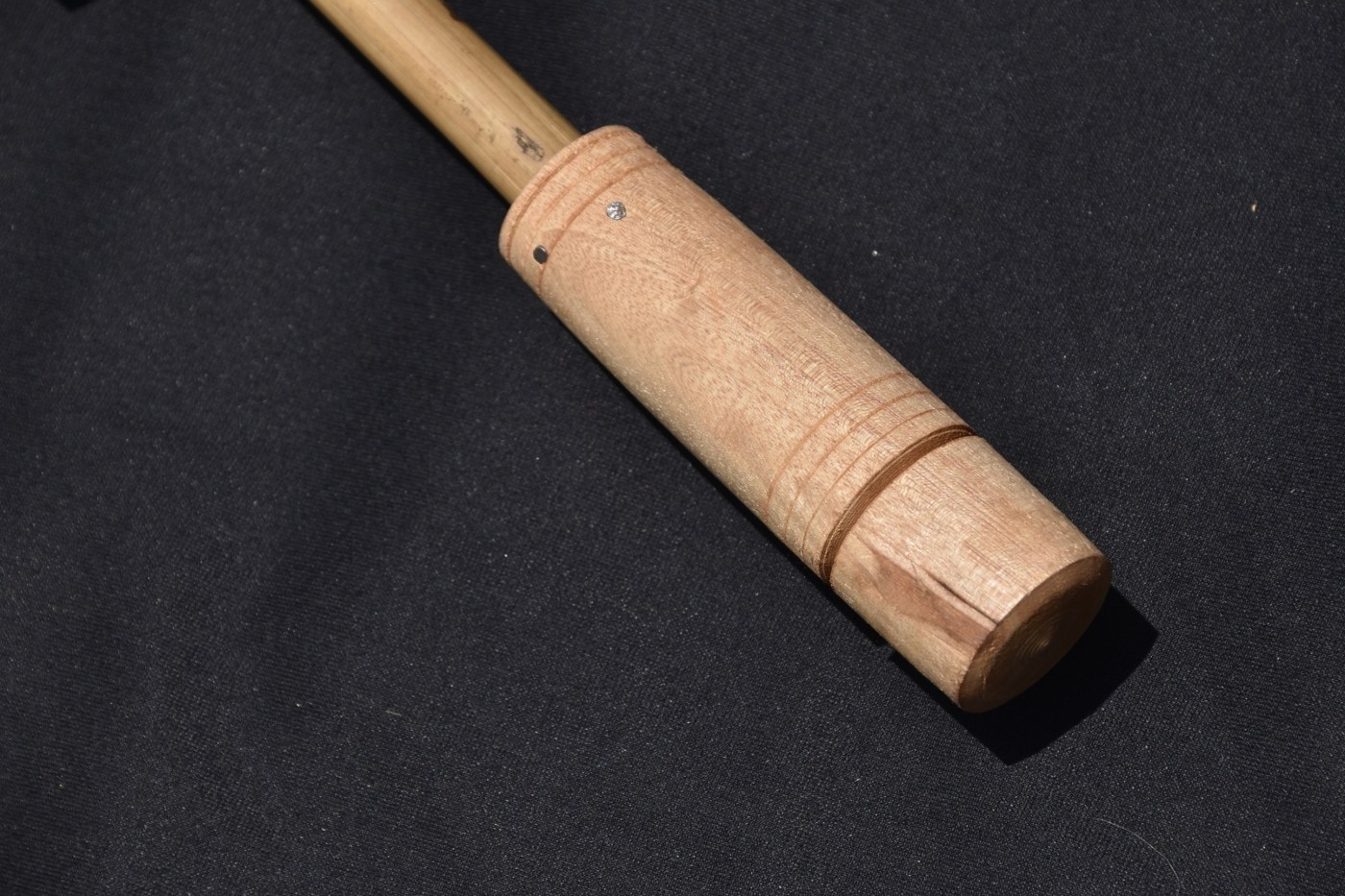
Photos of a real sa-paper umbrella (Sirindhorn Anthropology Centre, author ธันวดี สุขประเสริฐ (Thanwadi Sukprasoet), CC BY 4.0).
8
8
How it is used
How it is used
Use it against sun and rain outdoors. Covered umbrellas go on to be painted, mostly with flower patterns, and are set out in the sun to dry.
9
9
Troubleshooting
Troubleshooting
Troubleshooting the paper umbrella.
Flow
Loading...
10
10
History and limits
History and limits
The villagers of San Ton Hae have made umbrellas after the rice season for generations, dividing the work by skill; San Ton Hae made frames for Bo Sang to cover and paint. Cloth umbrellas use latex glue, Chinese-paper umbrellas takho sap only. Wear a finger guard against bamboo splinters; take care with knives and the drill bit.
Source: Sirindhorn Anthropology Centre, Traditional Objects of Everyday Use database, "จ้อง", author ธันวดี สุขประเสริฐ (Thanwadi Sukprasoet) (CC BY 4.0 licence).
**Limits** The source gives no umbrella diameter, no ribs-per-umbrella count and no description of the yon mue, and there is no listing for matap-tong fruit, sticky rice or ma phok oil, so they are named in the text.
Materials
4- 1 piecePlaceholder
- 1 piecePlaceholder
- 1 piecePlaceholder
- 1 piecePlaceholder
Related Blueprints
These blueprints share knowledge with this one — techniques, materials, or principles that connect them in the learning graph.

CC0 Public Domain
This blueprint is released under CC0. You are free to copy, modify, distribute, and use this work for any purpose, without asking permission.
Support the Maker by purchasing products through their Blueprint where they earn a Maker Commission set by Vendors, or create a new iteration of this Blueprint and include it as a connection in your own Blueprint to share revenue.