ART
BEAUTY & WELLNESS
CRAFT
CULTURE & HISTORY
ENTERTAINMENT
ENVIRONMENT
FOOD & DRINKS
REVERSE ENGINEERING
SCIENCES
SPORTS
TECHNOLOGY
WEARABLES
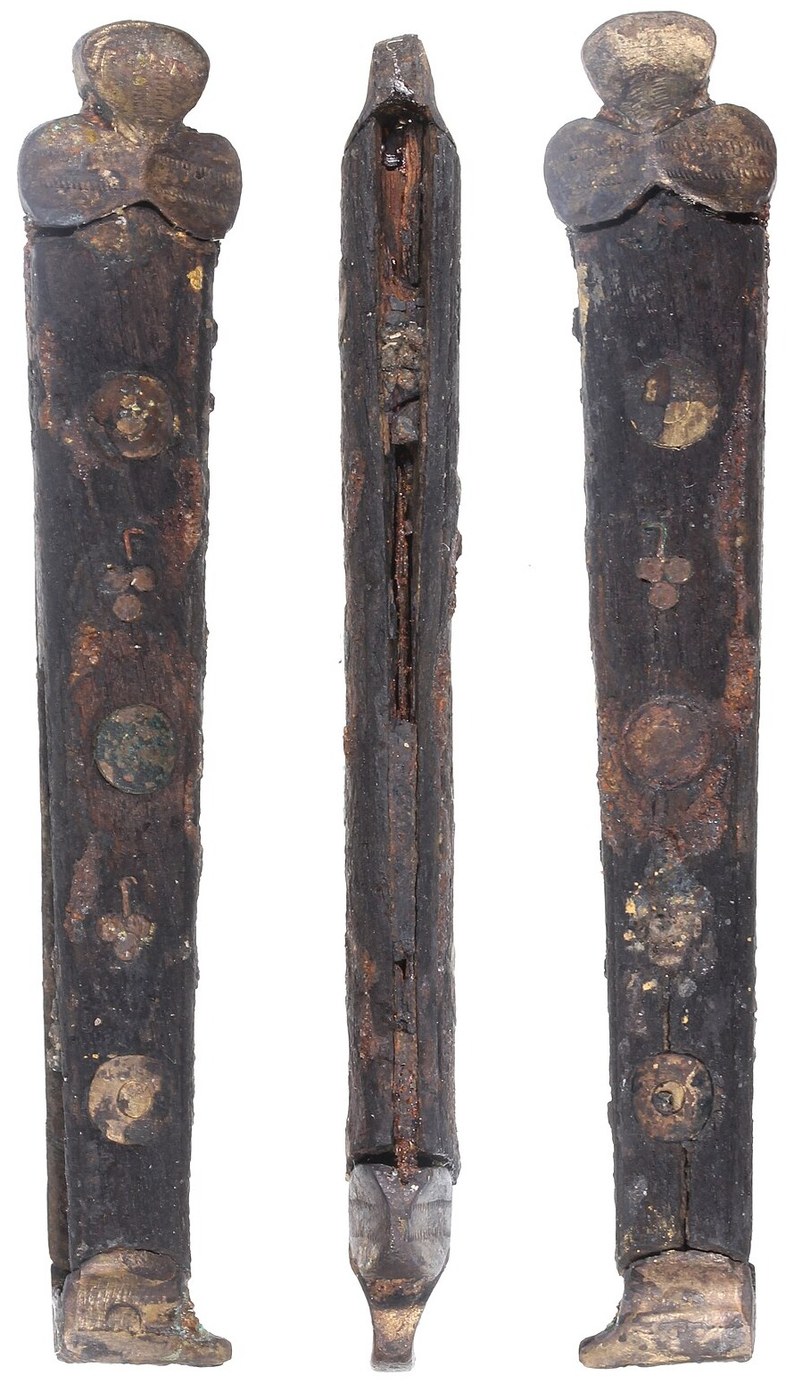


Copper Rivets Headed from Forged Rod
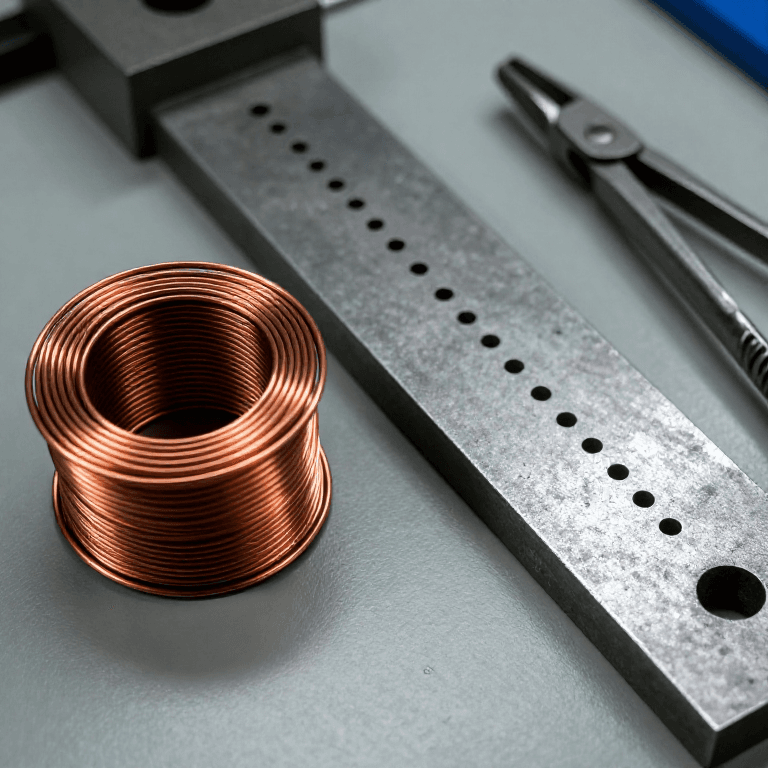
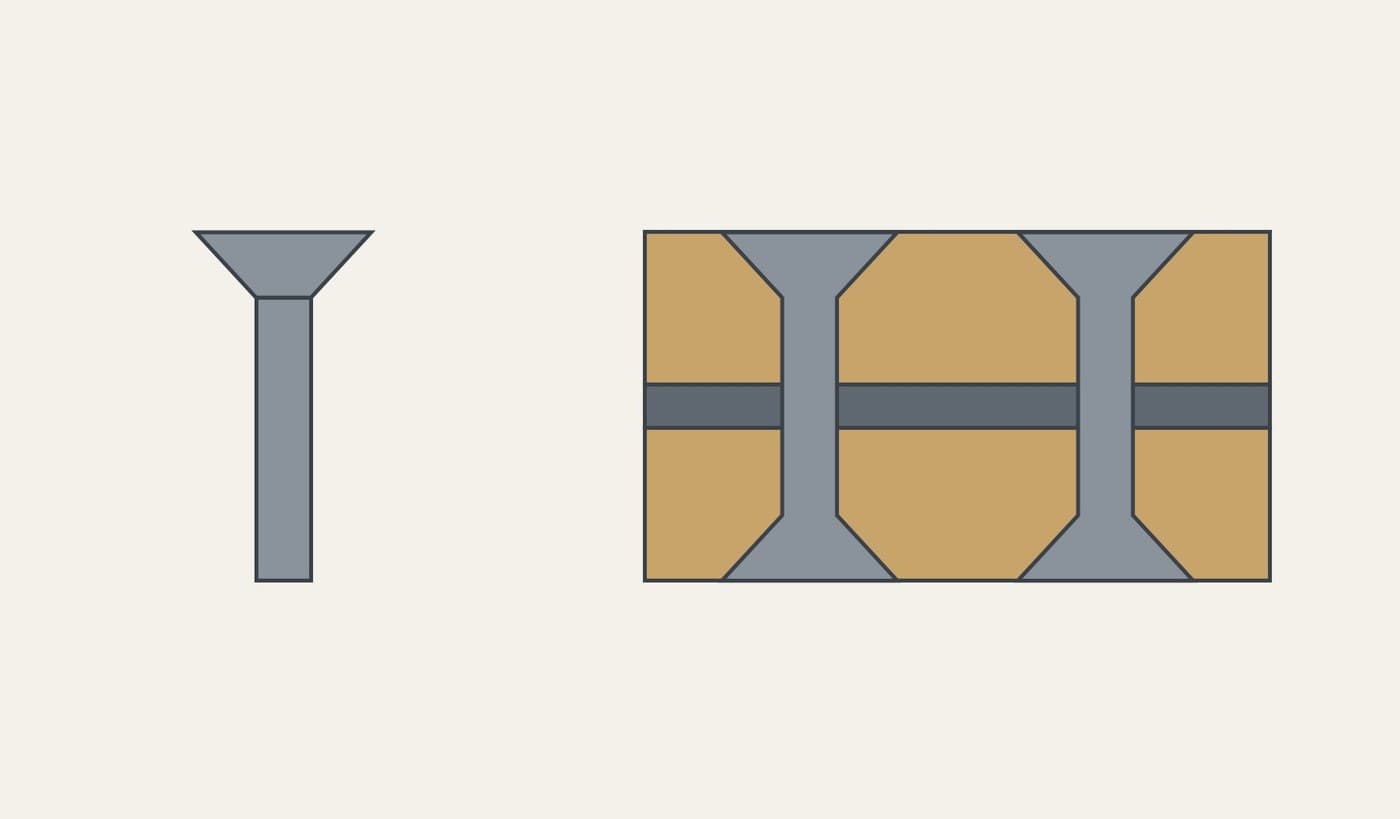
A solid rivet is a shank with a head, set by hammering its tail over. Rivets have been used since the Bronze Age, and copper is one of the usual rivet metals. Cut forged copper rod to length, soften it, and head each piece in a nail header.
The picture: a late medieval wooden knife handle held to its tang by copper-alloy rivets.
Beginner
An hour or two
Instructions
1
1
Cut the blanks
Cut the blanks
Saw the rod into pieces as long as the thickness to be riveted, plus about one shank diameter for the tail, plus the head allowance from step 5.
Materials for this step:
 Copper Wire Rod0.5 m
Tools needed:
 Hacksaw
 Bench Vise
2
2
Anneal
Anneal
Heat the blanks to a dull red and quench them in water. Copper stays soft after this.
Materials for this step:
 Water5 liters
Tools needed:
 Blacksmith Forge
 Blacksmith Tongs
 Quench Bucket
 Welding Gloves
3
3
Head them
Head them
Drop a blank into a header hole of the shank size, set the header over the anvil's pritchel hole, and hammer the standing end into a round head with the ball peen. Knock it out from below.
Tools needed:
 Nail Header
 Anvil
Anvil Ball Peen Hammer
4
4
Finish
Finish
File burrs off the shanks and square the tail ends. To set one, rest the head in a rivet set and spread the tail with the ball peen.
Tools needed:
 Metal File
 Rivet SetBall Peen Hammer
5
5
Rod for the head
Rod for the head
Loading Jupyter Notebook...
Tools Required
11- Placeholder
- Placeholder
- Placeholder
- Placeholder
- Placeholder
- Placeholder
- Placeholder
- Placeholder
- Placeholder
- Placeholder
- Placeholder
This blueprint makes

Related Blueprints
These blueprints share knowledge with this one — techniques, materials, or principles that connect them in the learning graph.
CC0 Public Domain
This blueprint is released under CC0. You are free to copy, modify, distribute, and use this work for any purpose, without asking permission.
Support the Maker by purchasing products through their Blueprint where they earn a Maker Commission set by Vendors, or create a new iteration of this Blueprint and include it as a connection in your own Blueprint to share revenue.