ART
BEAUTY & WELLNESS
CRAFT
CULTURE & HISTORY
ENTERTAINMENT
ENVIRONMENT
FOOD & DRINKS
REVERSE ENGINEERING
SCIENCES
SPORTS
TECHNOLOGY
WEARABLES
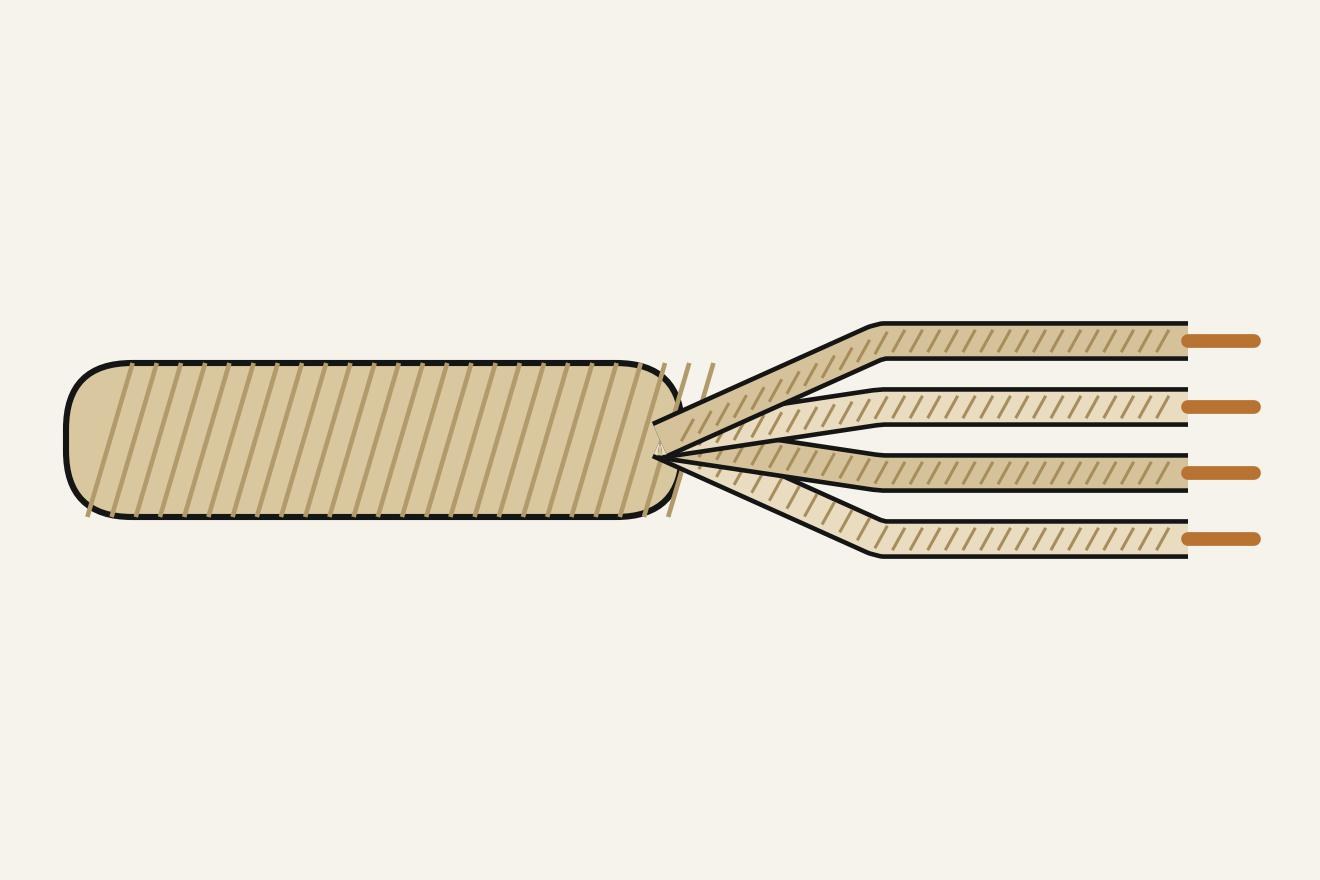


Multi-Conductor Cable: Cotton-Covered, Waxed and Twisted
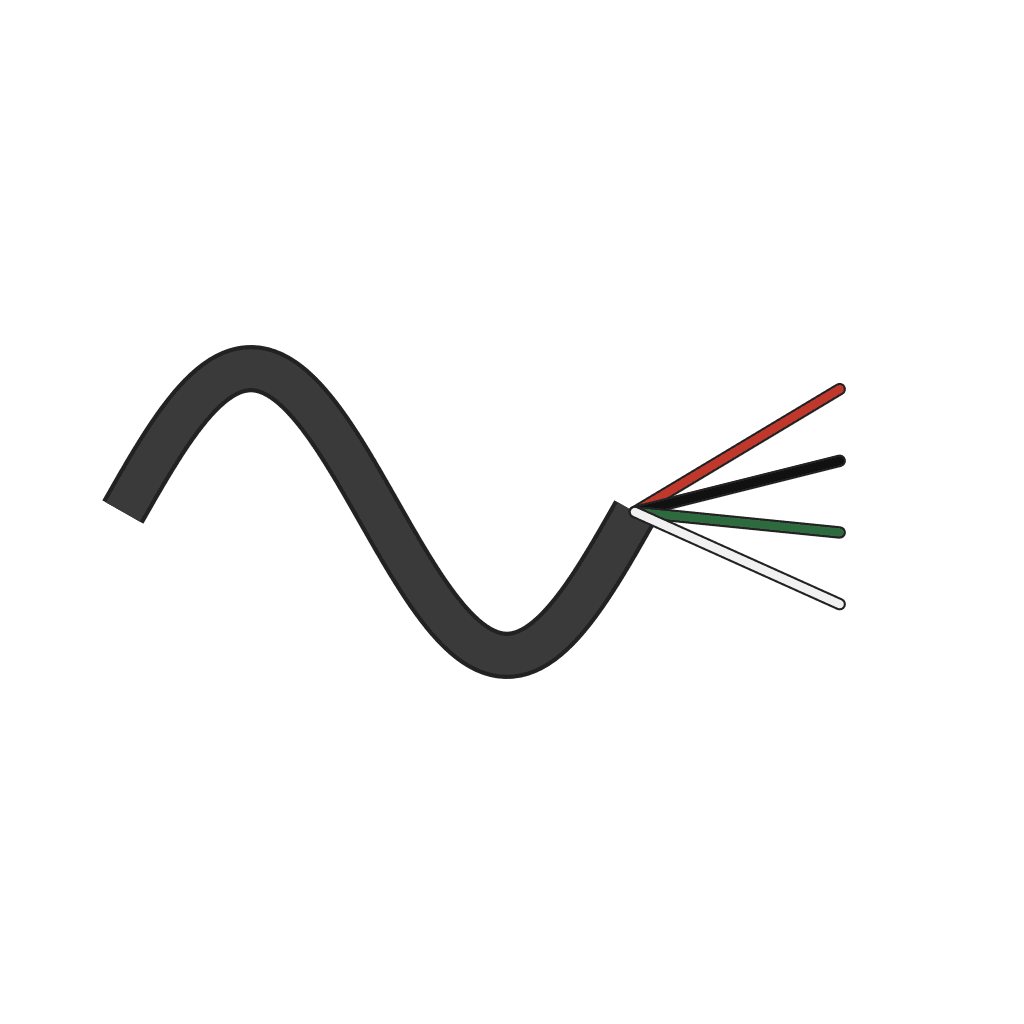
A cable of several insulated wires in one bundle, such as the four leads of a strain-gauge bridge. Each copper wire is wrapped in cotton thread and soaked in beeswax, then the wires are twisted together and covered again.
Beginner
An afternoon
Instructions
1
1
Cut the conductors
Cut the conductors
Cut one copper wire per conductor (four for a bridge), a little longer than the cable.
Materials for this step:
 Copper Wire4 length
Tools needed:
 Wire Strippers
2
2
Wrap each wire in cotton
Wrap each wire in cotton
Clamp one end in the vise and the other in the hand drill's chuck, keeping it taut. Wind cotton thread on in a close spiral with no gaps, then a second layer the opposite way.
Materials for this step:
 Cotton Thread1 as required
Tools needed:
 Bench Vise
 Hand Drill
 Scissors
3
3
Soak in beeswax
Soak in beeswax
Melt beeswax in a double boiler and draw each covered wire slowly through it. Wipe off the excess and let it set.
Materials for this step:
 Beeswax1 as required
Tools needed:
 Double Boiler
 Hot Plate
4
4
Twist them together
Twist them together
Lay the covered wires side by side, clamp one end and twist them together evenly with the drill.
Tools needed:
Bench ViseHand Drill5
5
Cover the bundle
Cover the bundle
Wind an outer layer of cotton over the twisted bundle and wax it again.
Materials for this step:
Cotton Thread1 as requiredBeeswax1 as requiredTools needed:
Bench ViseDouble BoilerHot Plate6
6
Test it
Test it
Strip the ends. With a multimeter check each wire end to end, and check that no two wires touch.
Tools needed:
Wire Strippers Multimeter
7
7
Limits
Limits
Cotton insulation is only good for low temperatures, up to about 105 °C (Wikipedia, Magnet wire), and for dry places and low voltages such as instrument leads. The method is general workshop practice, ours.
Materials
3- 4 lengthPlaceholder
- 2 as requiredPlaceholder
- 2 as requiredPlaceholder
This blueprint makes
CC0 Public Domain
This blueprint is released under CC0. You are free to copy, modify, distribute, and use this work for any purpose, without asking permission.
Support the Maker by purchasing products through their Blueprint where they earn a Maker Commission set by Vendors, or create a new iteration of this Blueprint and include it as a connection in your own Blueprint to share revenue.