ART
BEAUTY & WELLNESS
CRAFT
CULTURE & HISTORY
ENTERTAINMENT
ENVIRONMENT
FOOD & DRINKS
REVERSE ENGINEERING
SCIENCES
SPORTS
TECHNOLOGY
WEARABLES


Cutting Oil: Lard Oil Pressed Out of Lard
Before mineral oils, machinists cut, drilled and tapped metal with animal fats, lard above all. Lard is part liquid oil (oleine) and part solid fat (stearine); chill it and squeeze it in linen bags and the oil runs out, as Andrew Ure (1839) describes. That lard oil is the cutting oil.
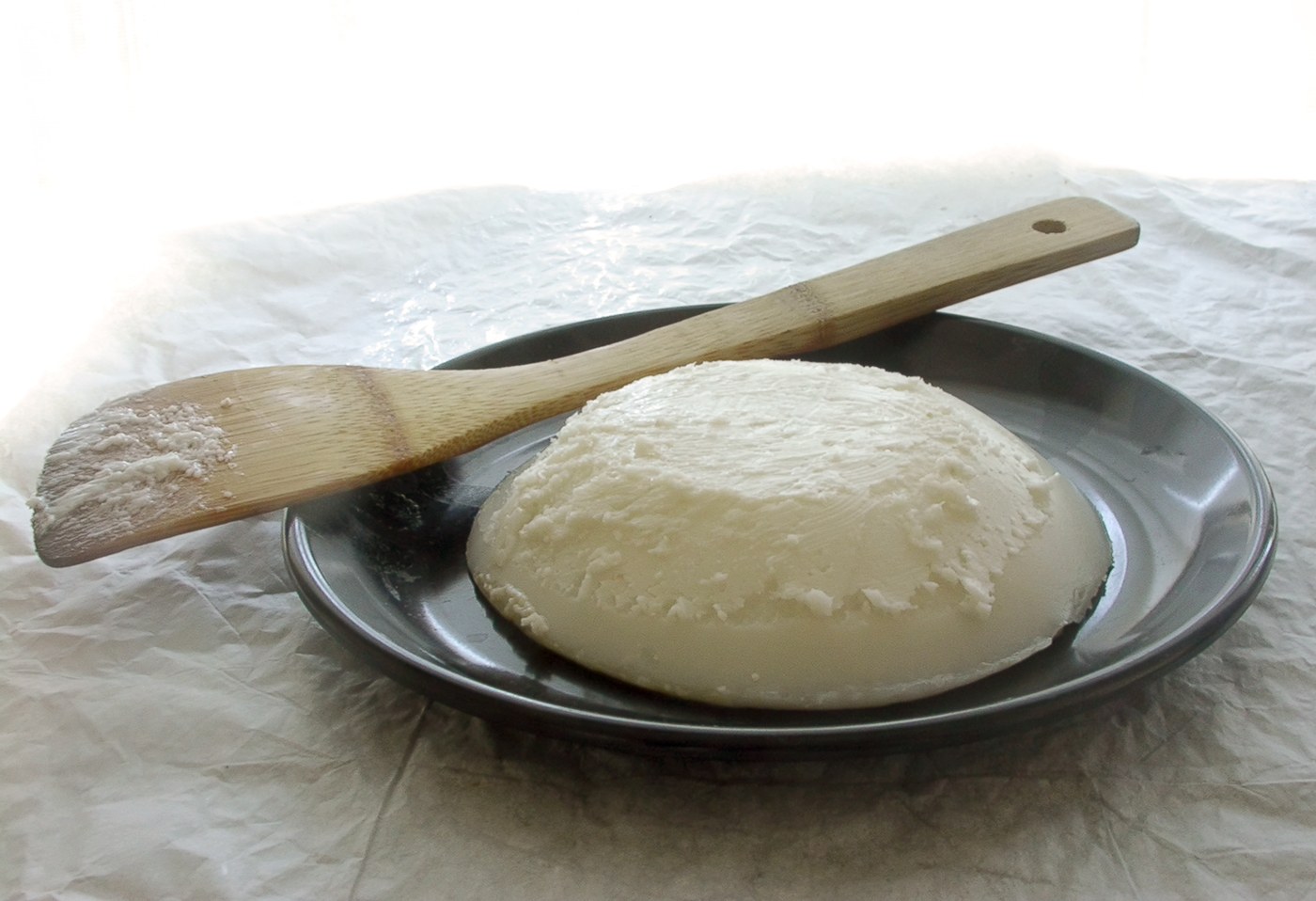
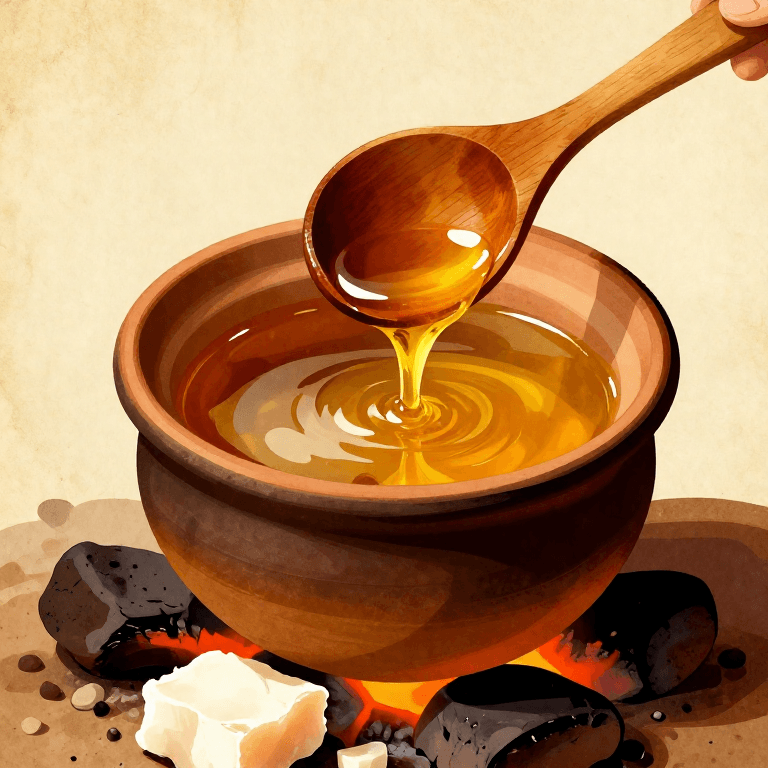
The picture: a cake of home-rendered lard, the starting point.
Beginner
Two days
Instructions
1
1
Cut and render the fat
Cut and render the fat
Cut or grind the pig fat small, melt it slowly in a pot with a splash of water, without browning, and strain the clear liquid lard through muslin.
Materials for this step:
 Pig Fat (Leaf and Back Fat)7 kg
 Water0.2 liter
Tools needed:
 Butcher Knife & Processing Set
 Meat Grinder
 Stockpot
 Hot Plate
 Muslin Cloth
 Balance Scale
2
2
Let it grain cold
Let it grain cold
Let the lard set and stand somewhere cool, around 10 °C (our choice), for a day so the solid part grains out.
Tools needed:
 Thermometer
3
3
Press in linen bags
Press in linen bags
Spoon the cold, grainy lard into linen bags and press them slowly. The clear oil runs off; the hard white stearine stays in the bags.
Tools needed:
 Linen Fabric
 Cheese Press
4
4
Settle and bottle
Settle and bottle
Let the oil settle, pour it off clear and bottle it. Brush or drip it onto the work when cutting, drilling or tapping.
Tools needed:
 Amber Glass Bottle
5
5
Oil in the lard
Oil in the lard
Loading Jupyter Notebook...
6
6
Limits
Limits
Lard's make-up and the pressing are Ure's; lard as a cutting fluid is from Wikipedia. The rendering, the pressing temperature and the recovery are ours. Lard oil goes rancid with time: make small batches.
Tools Required
10- Placeholder
- Placeholder
- Placeholder
- Placeholder
- Placeholder
- Placeholder
- Placeholder
- Placeholder
- Placeholder
- Placeholder
This blueprint makes
Related Blueprints
These blueprints share knowledge with this one — techniques, materials, or principles that connect them in the learning graph.

CC0 Public Domain
This blueprint is released under CC0. You are free to copy, modify, distribute, and use this work for any purpose, without asking permission.
Support the Maker by purchasing products through their Blueprint where they earn a Maker Commission set by Vendors, or create a new iteration of this Blueprint and include it as a connection in your own Blueprint to share revenue.