ART
BEAUTY & WELLNESS
CRAFT
CULTURE & HISTORY
ENTERTAINMENT
ENVIRONMENT
FOOD & DRINKS
REVERSE ENGINEERING
SCIENCES
SPORTS
TECHNOLOGY
WEARABLES
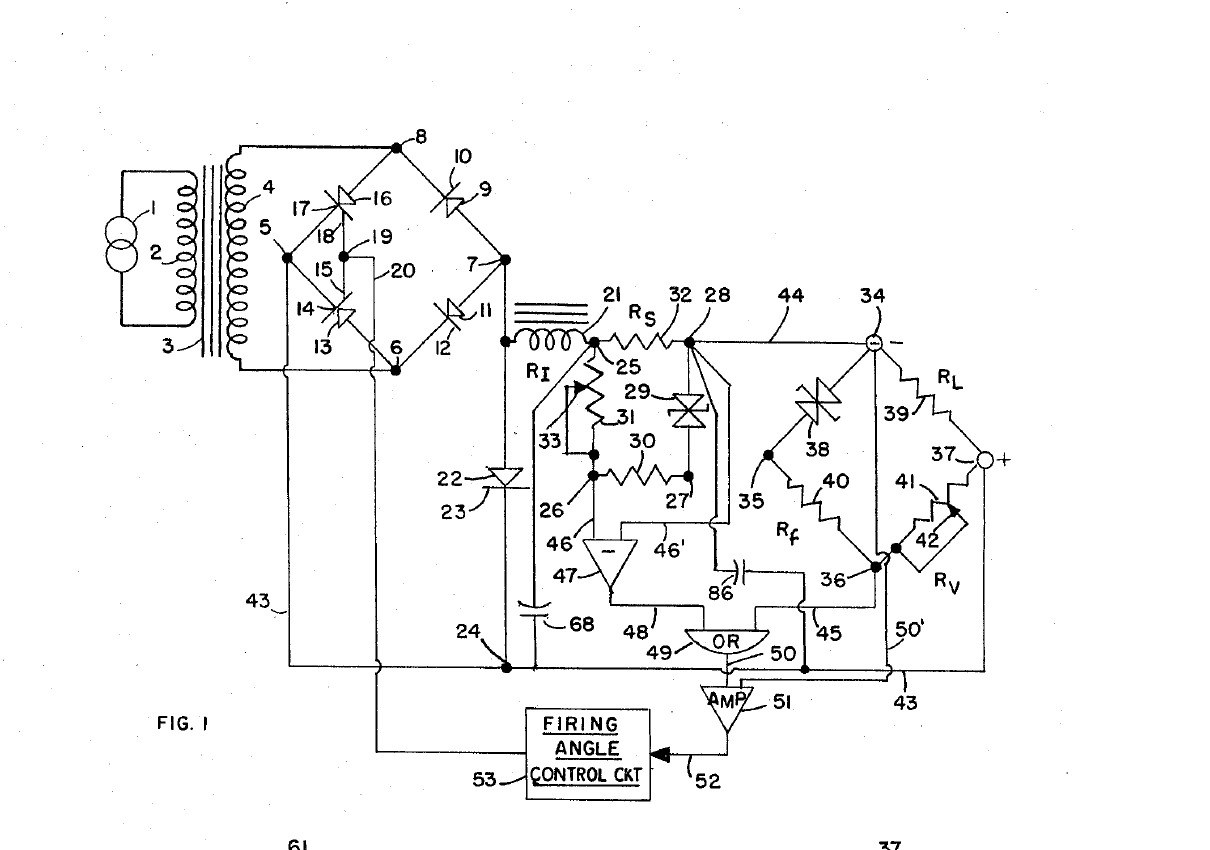


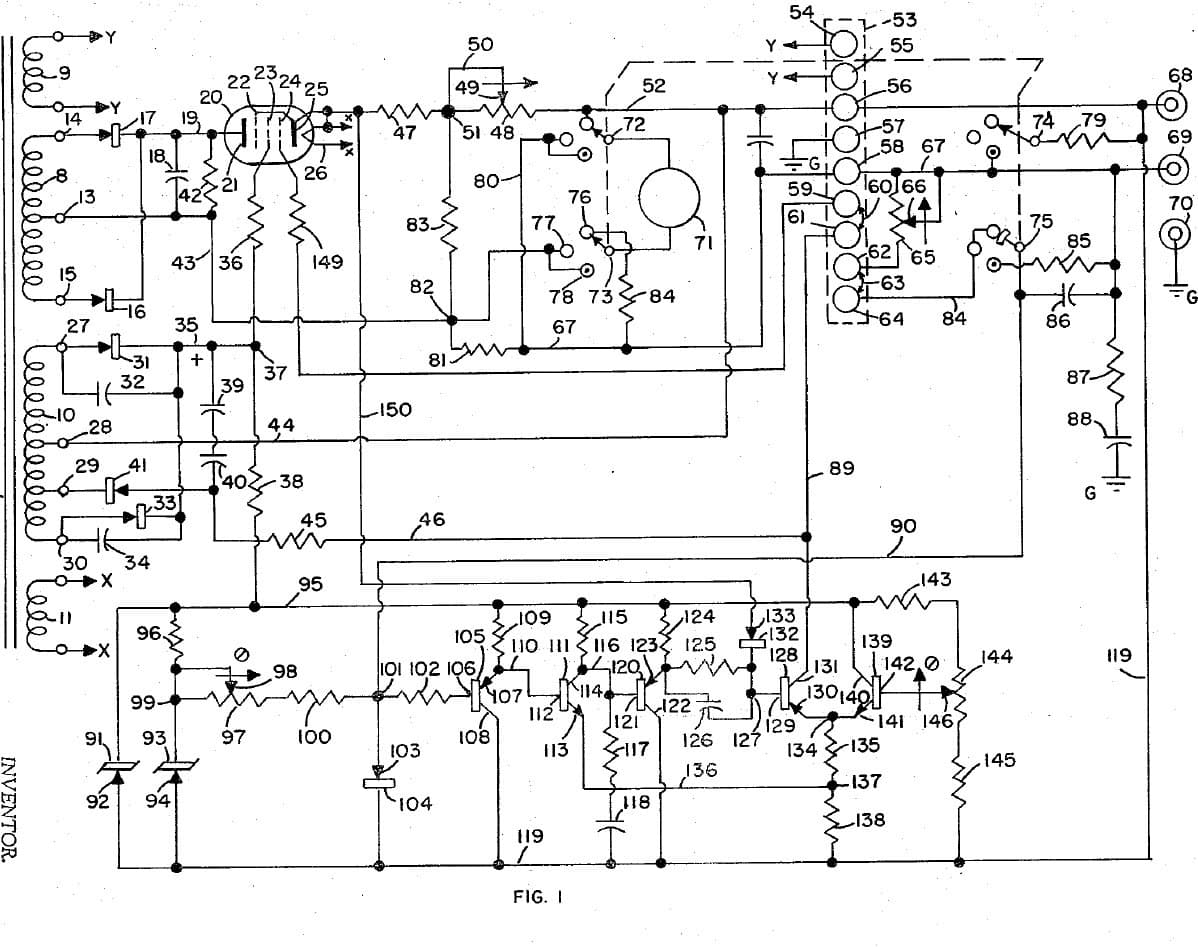
DC Power Supply: SCR-Regulated, Voltage and Current Bridges with Automatic Cross-Over (Kupferberg & Ash, Forbro, US 3,305,763, 1967)
A variable DC supply regulated by controlled rectifiers instead of a series transistor. Two of the four rectifiers in the bridge are silicon controlled rectifiers; how late in each half-cycle they are fired sets the output. A voltage bridge and a current bridge each make an error signal, an analog OR gate passes whichever is larger, and the supply crosses over automatically between holding the voltage and holding the current.
Result: a variable voltage / current regulated DC supply with automatic cross-over.
Source: K. Kupferberg and J. Ash (Forbro Design), US 3,305,763 (1967), Fig. 1. Unknown: component values and the firing-angle circuit. Picture: the patent drawing.
Advanced
Unknown
Instructions
1
1
Build the controlled rectifier bridge
Build the controlled rectifier bridge
In a case, wire the cord through a switch and fuse to a transformer. Feed its secondary into a bridge of two ordinary rectifiers and two silicon controlled rectifiers. Smooth the negative output through a choke and a capacitor, then through a current-sensing resistor (with a second capacitor forming a further filter) to the negative output terminal; the positive goes straight to the positive terminal. Ours: the case, switch and fuse. Not given: the ratings.
Materials for this step:
 Aluminium Enclosure Box1 piece
 Flexible Cord with Plug1 piece
 Toggle Switch1 piece
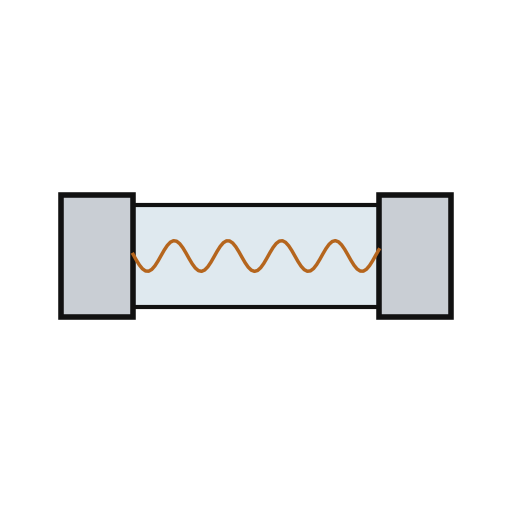 Fuse1 piece
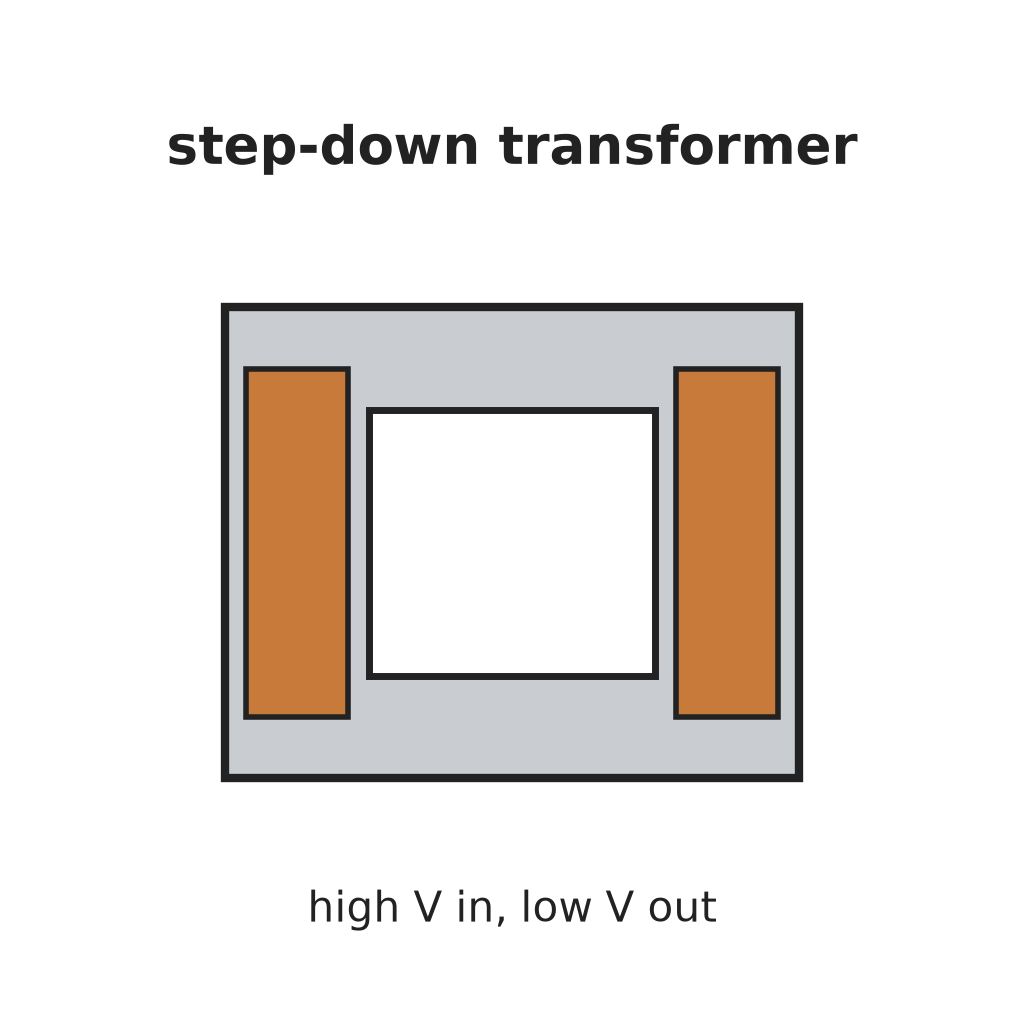 Step-Down Transformer1 piece
 Diode2 pieces
 Thyristor (SCR)2 pieces
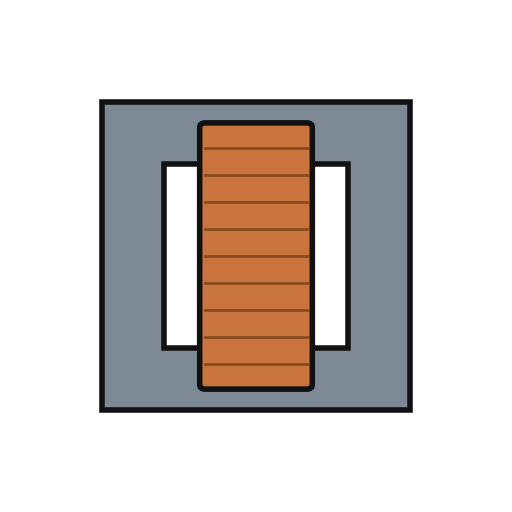 Filter Choke1 piece
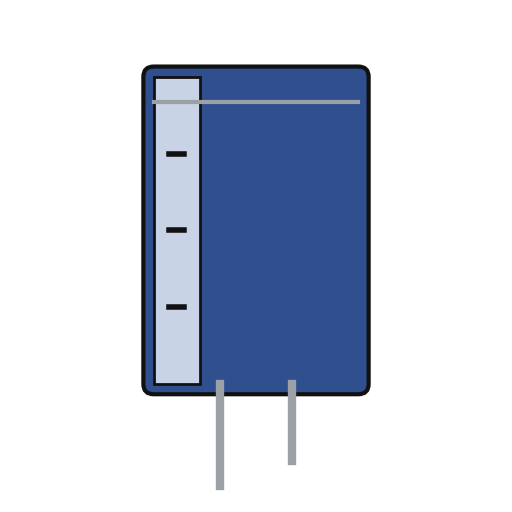 Electrolytic Capacitor2 pieces
 Binding Post2 output + and -
Tools needed:
 Hand Drill
 Screwdriver Set
2
2
Build the two bridges
Build the two bridges
Current bridge: the sensing resistor, a reference Zener, a fixed resistor and the variable current-control resistor. Voltage bridge: the load across the output, the variable voltage-control resistor, a fixed resistor and a second reference Zener. Feed both Zeners from a small separate supply. Not given: the values, the Zener supply.
Materials for this step:
 Zener Diode2 pieces
 Rheostat2 voltage and current controls
 Resistor1 sensing and bridge resistors
Tools needed:
 Soldering Iron
3
3
Build the control chain and use it
Build the control chain and use it
Invert the current bridge's error in a phase-reversing amplifier and feed it, with the voltage bridge's error, to an analog OR gate that passes the larger. Amplify the result and feed it to a firing-angle control circuit that fires the two controlled rectifiers' gates later or earlier in each half-cycle. In use, set the voltage and the current: for any load larger than the cross-over resistance (voltage setting divided by current setting) the supply holds the voltage, for a smaller one the current. Not given: the amplifier, OR-gate and firing circuits in this form.
Materials for this step:
 Printed Circuit Board1 piece
 Transistor Assortment1 amplifiers
 Unknown Material1 OR gate and firing-angle circuit
 Solder Wire1 as needed
Tools needed:
Soldering IronMaterials
17- 1 piecePlaceholder
- 1 piecePlaceholder
- Placeholder
- 1 piecePlaceholder
- 1 piecePlaceholder
- 2 piecesPlaceholder
- 2 piecesPlaceholder
- 1 piecePlaceholder
- 2 piecesPlaceholder
- Placeholder
- 2 piecesPlaceholder
- 2 voltage and current controlsPlaceholder
- 1 sensing and bridge resistorsPlaceholder
- 1 piecePlaceholder
- 1 amplifiersPlaceholder
- 1 OR gate and firing-angle circuitPlaceholder
- 1 as neededPlaceholder
Tools Required
3- Placeholder
- Placeholder
- 2 vendors sell this, none ship to you yetPlaceholder
This blueprint makes

Related Blueprints
These blueprints share knowledge with this one — techniques, materials, or principles that connect them in the learning graph.
CC0 Public Domain
This blueprint is released under CC0. You are free to copy, modify, distribute, and use this work for any purpose, without asking permission.
Support the Maker by purchasing products through their Blueprint where they earn a Maker Commission set by Vendors, or create a new iteration of this Blueprint and include it as a connection in your own Blueprint to share revenue.