ART
BEAUTY & WELLNESS
CRAFT
CULTURE & HISTORY
ENTERTAINMENT
ENVIRONMENT
FOOD & DRINKS
REVERSE ENGINEERING
SCIENCES
SPORTS
TECHNOLOGY
WEARABLES
Hazardous


Unsaturated Polyester Resin (Fibreglass)
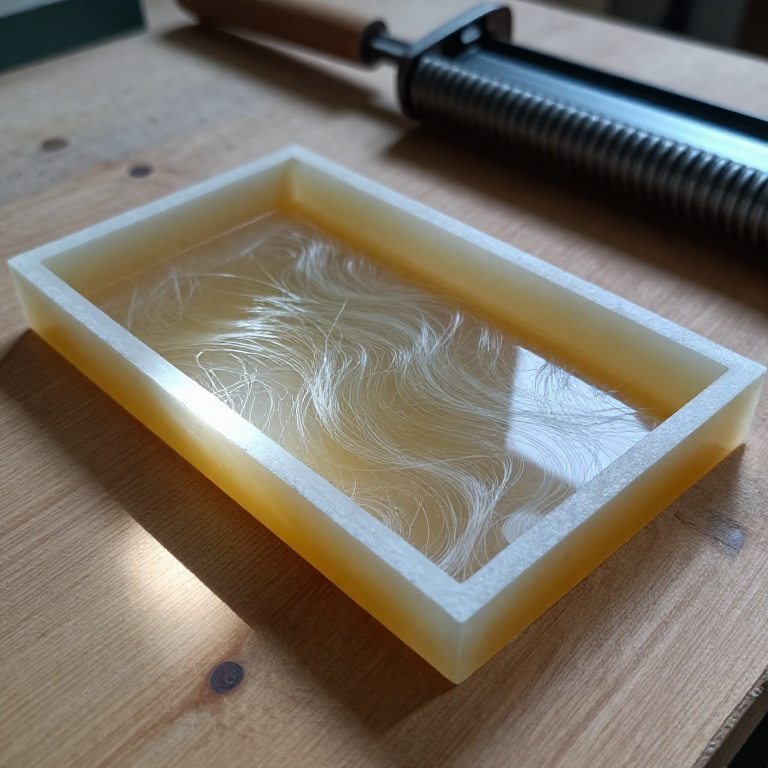
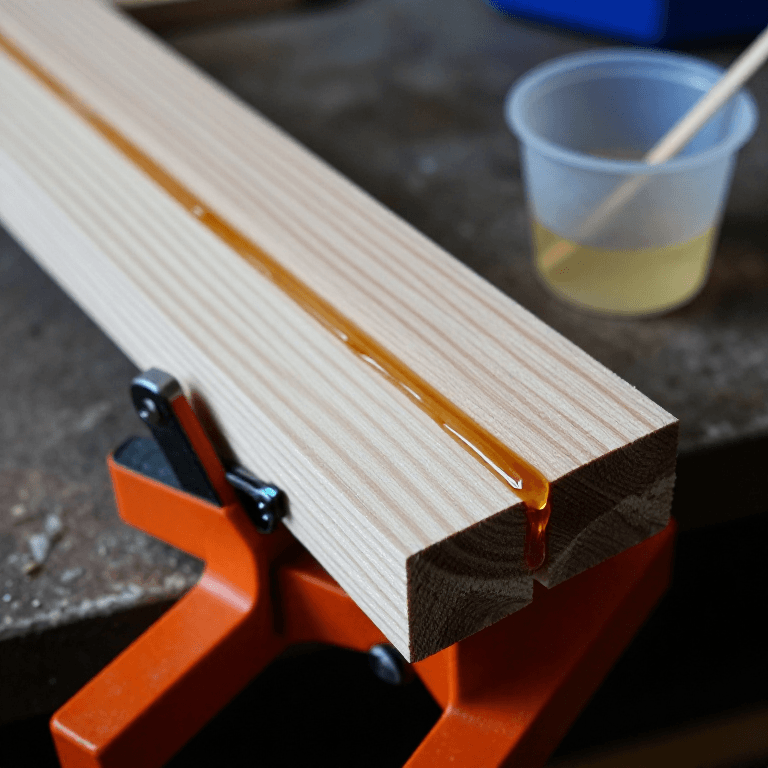
Carleton Ellis, one of the most prolific American inventors of his time, found that a polyester made with maleic acid - which leaves a reactive double bond in every repeat - could be dissolved in a liquid monomer such as styrene and then cured with a catalyst into a hard solid, with no pressure and no by-product. That made it possible to soak glass fibre in a liquid and let it harden in shape: fibreglass boats, car bodies and radomes followed within a decade.
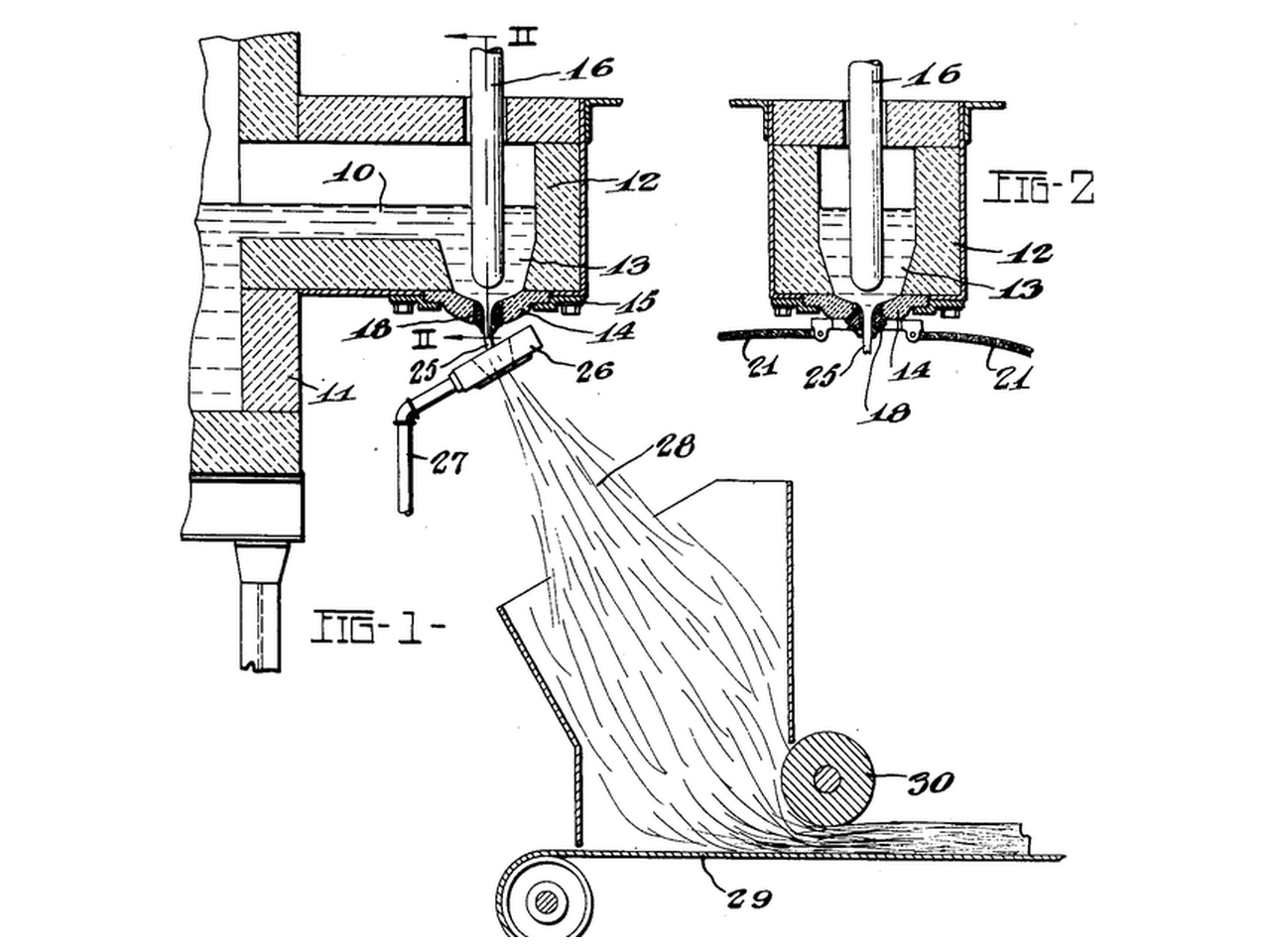
**US 2,255,313**, "Ethylenic-alpha-beta synthetic resins and process of making same", Ellis, filed 6. August 1937, granted 9. September 1941: a maleic-polyhydric-alcohol ester, "a polymerizable alpha-substituted ethylene body and a curing catalyst", with a fibrous filler.
**Hazardous: the resin gives off styrene and the catalyst (MEKP) burns eyes and skin.** Work outdoors or with strong ventilation. You lay up a two-layer fibreglass tray and weigh how much of it is glass.
Intermediate
3 hours plus overnight cure
Hazardous content
This blueprint contains hazardous procedures. Log in and enable hazardous content in your account settings to view the step-by-step instructions.
Sign inThis blueprint makes

Related Blueprints
These blueprints share knowledge with this one — techniques, materials, or principles that connect them in the learning graph.


CC0 Public Domain
This blueprint is released under CC0. You are free to copy, modify, distribute, and use this work for any purpose, without asking permission.
Support the Maker by purchasing products through their Blueprint where they earn a Maker Commission set by Vendors, or create a new iteration of this Blueprint and include it as a connection in your own Blueprint to share revenue.