ART
BEAUTY & WELLNESS
CRAFT
CULTURE & HISTORY
ENTERTAINMENT
ENVIRONMENT
FOOD & DRINKS
REVERSE ENGINEERING
SCIENCES
SPORTS
TECHNOLOGY
WEARABLES


Extruded Polystyrene Foam
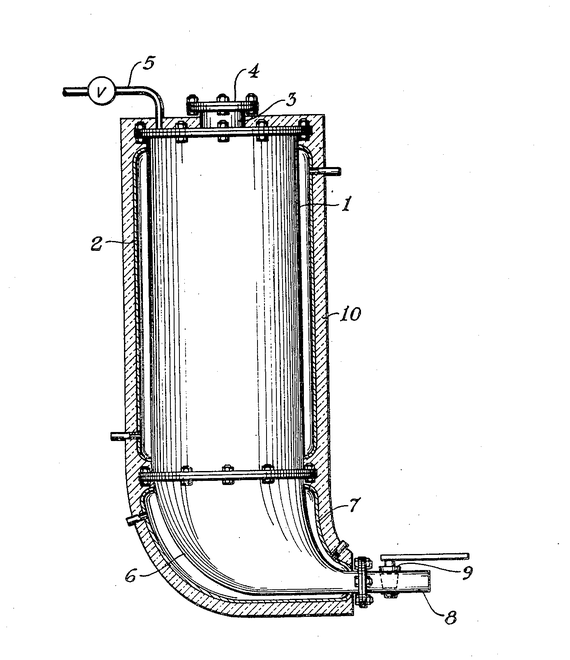
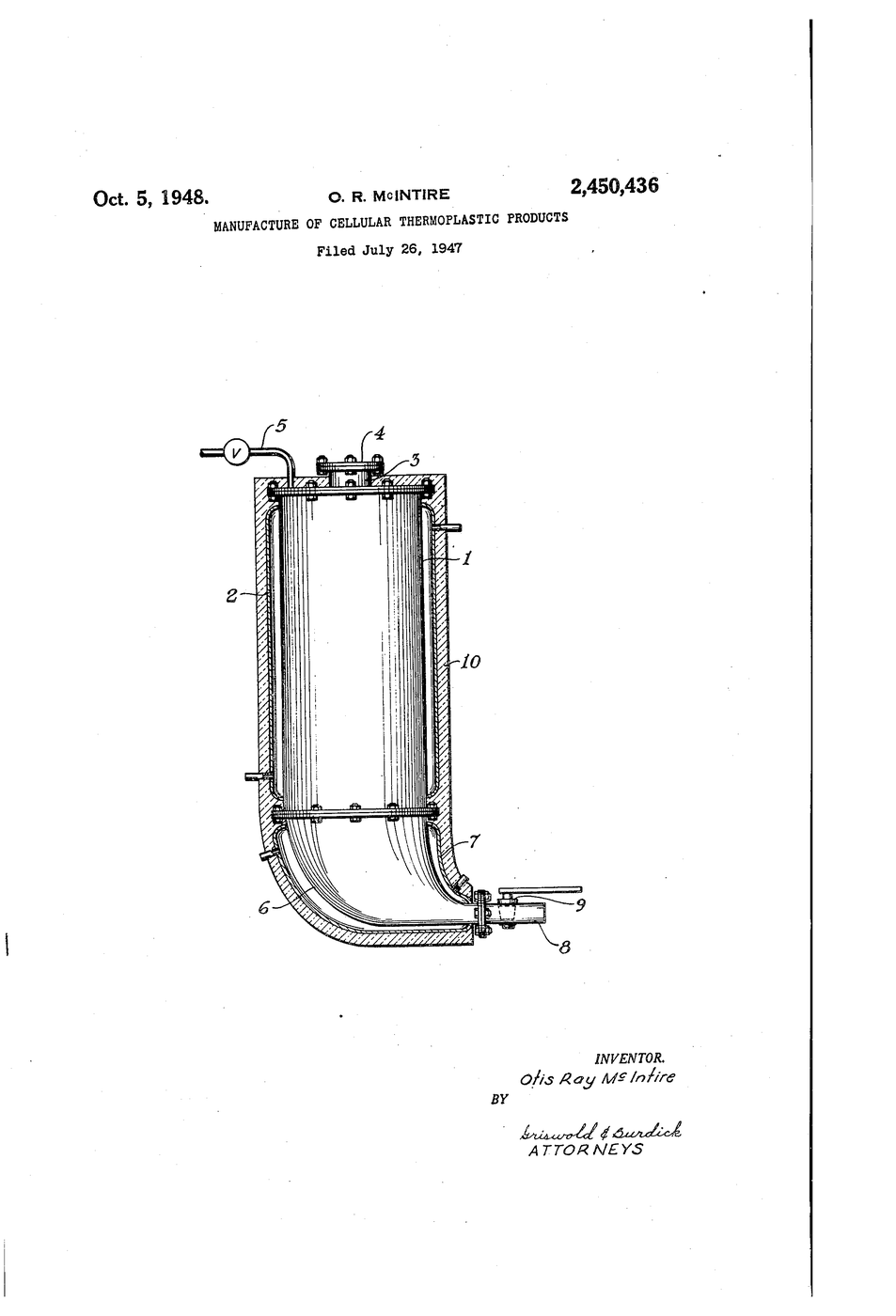
Carl Munters had shown that polystyrene heated with methyl chloride under pressure puffs into a closed-cell foam when let out of the vessel (US 2,023,204) - but only in small pieces; with larger outlets the mass collapsed into brittle, irregular lumps. Otis Ray McIntire at Dow found the fix: keep the mass BELOW the critical temperature of methyl chloride, about 143 °C, so the gas stays dissolved, and let its own evaporation cool the foam fast enough to freeze the cells.
**US 2,450,436**, "Manufacture of cellular thermoplastic products", McIntire, assigned to Dow Chemical, filed 26. July 1947, granted 5. October 1948. Its drawing is the pressure vessel with the bottom valve the foam flows out of. Dow sold the result as blue insulation board; the white bead foam of packaging is a later process.
**Methyl chloride is toxic; you start from foam board.** You build a hot-wire cutter, cut an insulated box, and measure how long it keeps ice.
Beginner
3 hours plus an ice test
Instructions
1
1
The cutter
The cutter
Base on two feet, a post and an arm; the wire runs from the arm tip down through the base to a spring underneath.
2
2
Build the frame
Build the frame
From 18 mm plywood cut a 300 x 300 mm base, two 300 x 40 mm feet, a 280 x 50 mm post and a 200 x 50 mm arm. Glue and screw the post to the back edge and the arm square on top.
Materials for this step:
 Plywood Sheet1 piece
 Wood Screws10 pieces
 Wood Glue20 ml
Tools needed:
 Hand Saw
 Cordless Drill
 Screwdriver Set
 Steel Ruler
3
3
String the wire
String the wire
Drill 2 mm through the arm tip and the base directly below. Fix the wire to an eye bolt on top of the arm, run it down through the base, and tie it to a spring under the base so it stays taut when it expands hot. Check it is square to the table.
Materials for this step:
 Nichrome 80/20 Wire 22 Gauge1 meter
 Eye Bolt1 piece
 Compression Spring Assortment1 set
Tools needed:
Cordless Drill Drill Bit Index
4
4
Power it
Power it
Clip leads to the wire at the arm and below the base. Set the bench supply to 1.5 V with a 4 A limit and raise it slowly (notebook) until the wire slides through a scrap cleanly. Ventilate.
Tools needed:
 Adjustable Bench Power Supply
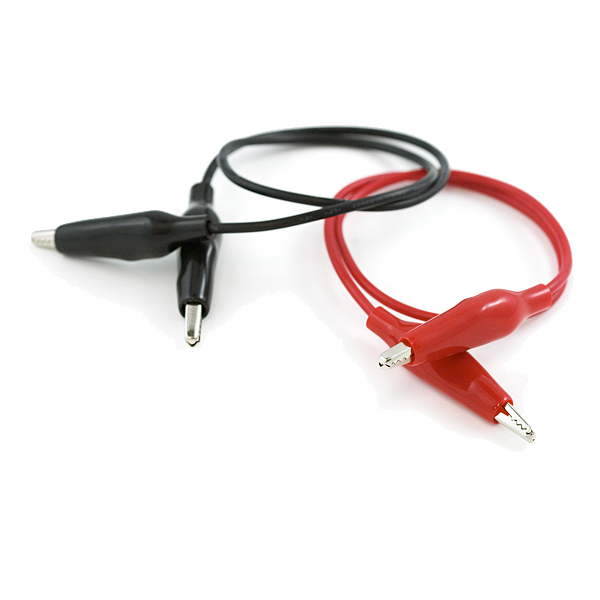 Alligator to Alligator Cables
 N95 Respirator Mask
 Clear Safety Glasses
5
5
Cut the box
Cut the box
From 25 mm foam board cut a base and lid 200 x 200 mm, two sides 200 x 150 mm and two 150 x 150 mm. Feed slowly - let the wire do the work. Tape the box together.
Materials for this step:
 Extruded Polystyrene Foam Board1 sheet
 Masking Tape1 roll
Tools needed:
Steel Ruler6
6
Weigh a cube
Weigh a cube
Cut a 50 mm cube from an offcut and weigh it for the notebook.
Tools needed:
 Digital Kitchen Scale
7
7
The ice test
The ice test
Put 500 g of ice in a bag in the foam box and another 500 g in a cardboard box of the same size, side by side in the same room. Note the room temperature and check both every hour until the ice is gone.
Materials for this step:
 Ice Cubes1000 g
 Corrugated Cardboard Box1 piece
Tools needed:
Digital Kitchen Scale Room Thermometer
8
8
Wire, density, heat leak
Wire, density, heat leak
Loading Jupyter Notebook...
9
9
History & Context
History & Context
**What the patent specifies:** polystyrene with methyl chloride dissolved under pressure below the gas's critical temperature, released through an outlet so evaporation expands and cools it into uniform closed cells, in blocks 2 inches thick or more. **Modern build (derived):** commercial extruded foam board, today made with other blowing agents.
The patent names its target plainly: blocks big enough to cut into insulating panels for refrigerators. Its limits: it melts at low heat, burns unless treated, dissolves in many solvents (and in some glues and paints), and breaks down in sunlight.
Materials
10- 1 piecePlaceholder
- 10 piecesPlaceholder
- 20 mlPlaceholder
- 1 meterPlaceholder
- 1 piecePlaceholder
- Placeholder
- Placeholder
- 1 rollPlaceholder
- 1000 gPlaceholder
- 1 piecePlaceholder
Tools Required
11- Placeholder
- 1 vendor sell this, none ship to you yetPlaceholder
- Placeholder
- Placeholder
- Placeholder
- Placeholder
- Alligator to Alligator Cables10% commission$3.52
- Placeholder
- Placeholder
- Placeholder
- Placeholder
Design Files
1This blueprint makes

Related Blueprints
These blueprints share knowledge with this one — techniques, materials, or principles that connect them in the learning graph.

CC0 Public Domain
This blueprint is released under CC0. You are free to copy, modify, distribute, and use this work for any purpose, without asking permission.
Support the Maker by purchasing products through their Blueprint where they earn a Maker Commission set by Vendors, or create a new iteration of this Blueprint and include it as a connection in your own Blueprint to share revenue.