ART
BEAUTY & WELLNESS
CRAFT
CULTURE & HISTORY
ENTERTAINMENT
ENVIRONMENT
FOOD & DRINKS
REVERSE ENGINEERING
SCIENCES
SPORTS
TECHNOLOGY
WEARABLES



Goatskin Leather Tanned with Sumac, the Morocco Way
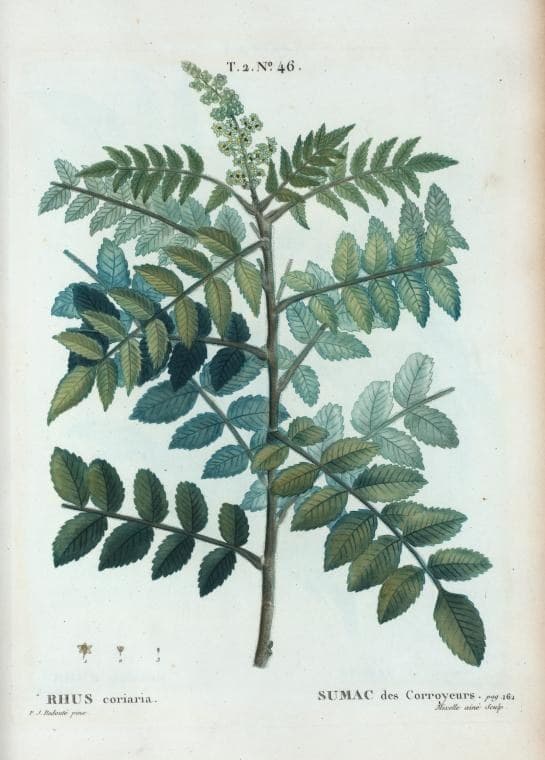
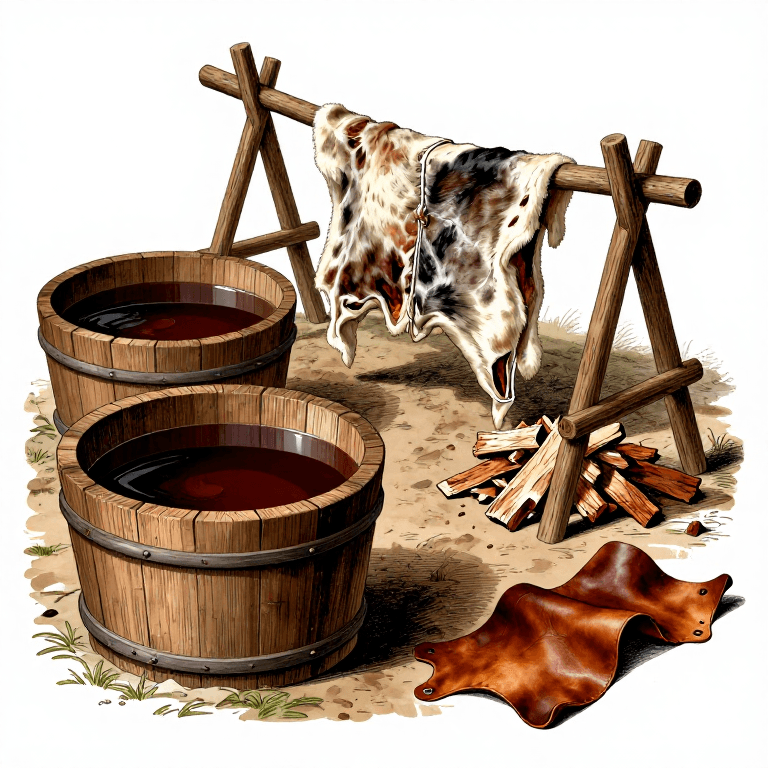
Morocco leather is goatskin tanned with sumac: light, supple and fine-grained. Andrew Ure (1839) gives the method: bran and lime to loosen the hair, the skin scraped clean, then sewn into a bag, grain outside, and floated in sumac liquor for a day. Oiled and curried, it takes the pebbled grain used for gloves and book covers.
The picture: early 18th-century calf bindings inlaid with panels of coloured morocco.
Advanced
Two to three weeks
Instructions
1
1
Soak in bran water
Soak in bran water
Steep the skins a few days in water with bran stirred in, until it ferments. Work them on the beam, soak 12 hours in fresh water and rinse.
Materials for this step:
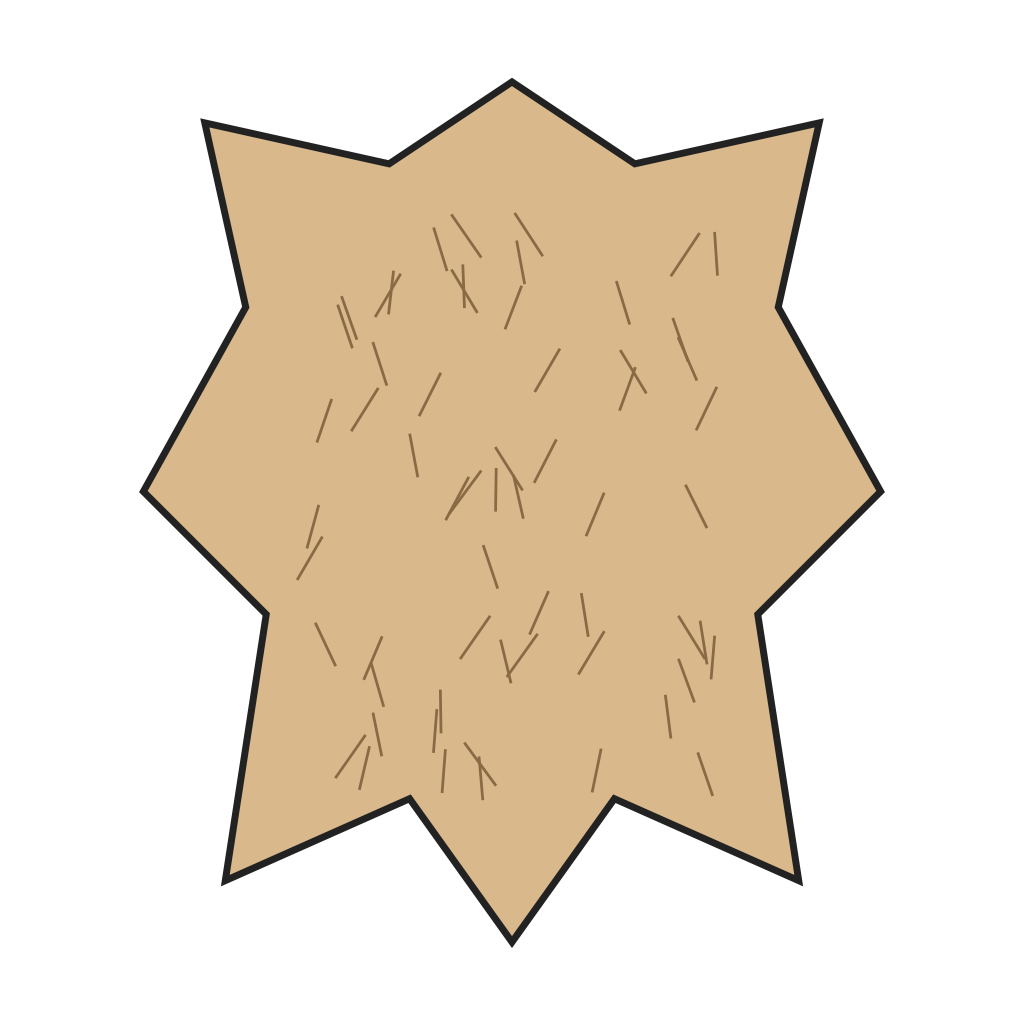 Raw Goatskin6 pieces
 Wheat Bran2 kg
 Water100 liters
Tools needed:
 Wooden Tub
 Fleshing Beam
2
2
Lime and dehair
Lime and dehair
Steep them in weak lime water until the hair pulls out easily. Scrape the hair off on the beam with the back of the fleshing knife and wash them in running water.
Materials for this step:
 Slaked Lime2 kgWater60 liters
Tools needed:
Wooden TubFleshing Beam Fleshing Knife
 Rubber Gloves
3
3
Flesh and clean out the lime
Flesh and clean out the lime
Shave off flesh and fat with the fleshing knife and trim the edges. Rub the grain hard with a flat stone to press out lime, then a night and a day in a fresh bran bath.
Materials for this step:
Wheat Bran1 kgWater50 litersTools needed:
Fleshing KnifeFleshing Beam Whetstone 1000 GritWooden Tub
4
4
Sew into bags
Sew into bags
Sew each skin edgewise into a bag with the grain outside, leaving a small opening.
Materials for this step:
 Linen Thread20 m
Tools needed:
 Sewing Needle
5
5
Tan in sumac
Tan in sumac
Fill each bag with strong sumac liquor and close it; float the bags in a tub of the same liquor and keep them moving by hand for four hours. Drain, refill and tan again: about 24 hours in all.
Materials for this step:
 Sumac Leaves (Dried)5.4 kgWater60 liters
Tools needed:
Wooden Tub Balance Scale
6
6
Open, rinse and dry
Open, rinse and dry
Unstitch the skins, rinse them, beat them soft, drain them and hang them to dry. While still damp, sponge a thin film of linseed oil on the grain so they stay glossy and do not go horny.
Materials for this step:
 Linseed Oil0.2 liter
Tools needed:
 Sponge
7
7
Curry and grain
Curry and grain
Thin the flesh side where needed and smooth the damp skin. Then work it on the flesh side with a cork-faced board, in several directions, to raise the pebbled grain (Ure: the curriers' pommel faced with cork).
Tools needed:
Fleshing Knife Cork Sheet
8
8
Sumach for the batch
Sumach for the batch
Loading Jupyter Notebook...
9
9
Limits
Limits
The process and the sumac rate are Ure's; we leave out his dyeing (cochineal, iron, indigo) and give the undyed leather. Bath volumes are ours.
Materials
7- 6 piecesPlaceholder
- 2 kgPlaceholder
- 270 litersPlaceholder
- 2 kgPlaceholder
- 20 mPlaceholder
- 5.4 kgPlaceholder
- 0.2 literPlaceholder
This blueprint makes

Related Blueprints
These blueprints share knowledge with this one — techniques, materials, or principles that connect them in the learning graph.

CC0 Public Domain
This blueprint is released under CC0. You are free to copy, modify, distribute, and use this work for any purpose, without asking permission.
Support the Maker by purchasing products through their Blueprint where they earn a Maker Commission set by Vendors, or create a new iteration of this Blueprint and include it as a connection in your own Blueprint to share revenue.