Collaboration
ART
BEAUTY & WELLNESS
CRAFT
CULTURE & HISTORY
ENTERTAINMENT
ENVIRONMENT
FOOD & DRINKS
REVERSE ENGINEERING
SCIENCES
SPORTS
TECHNOLOGY
WEARABLES
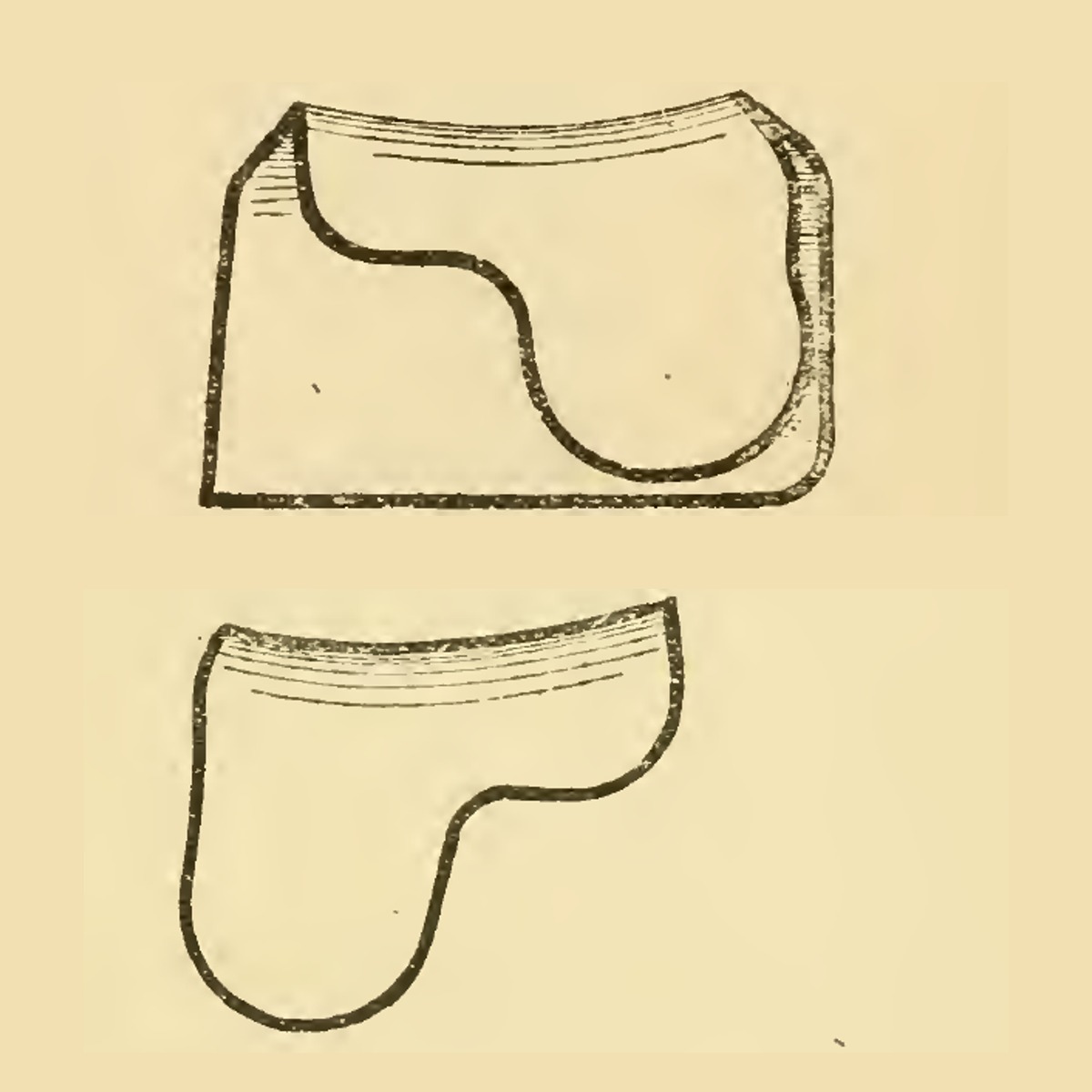


Felt Saddle Cloth (Numnah): Two Pieces Whip-Stitched and Bound in Coloured Cloth (Hasluck, Saddlery, 1904)
A saddle cloth goes under the saddle to protect the horse's back and the saddle panel by soaking up sweat. This is the felt saddle cloth from Paul N. Hasluck's Saddlery (1904), the army's numnah: two pieces of felt cut to the saddle's shape but a little larger, whip-stitched together and bound in red, yellow or blue cloth. He gives no sizes; they come from your saddle.
Beginner
About 3 hours
Instructions
1
1
Read Saddlery, ch. V
Read Saddlery, ch. V
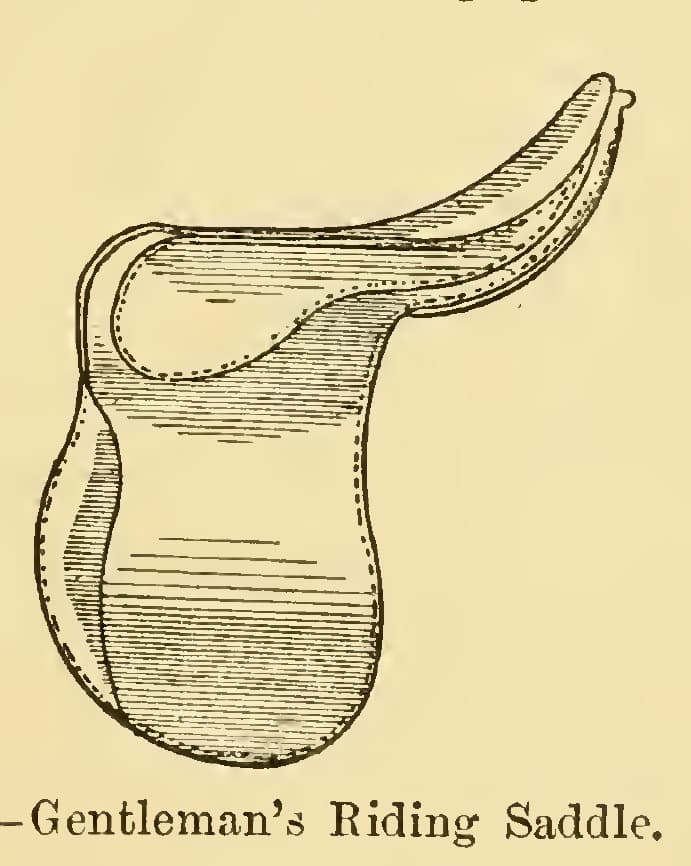
"As a rule, saddle-cloths (Figs. 16 and 17) are made of felt in the same shape as the saddle, but a little larger." In the army they are called numnahs; he says felt "is certainly the best material to use for the purpose, but kersey, cloth, and holland have been commonly employed."
2
2
Cut the two pieces
Cut the two pieces
Lay the saddle on the felt and mark round it a little larger (marking round the saddle is our way; he gives only the rule). Cut the cloth in two pieces, one for each side, with a small curve at the back, rising a little at each end. Felt comes in blue, brown, fawn and other colours.
Materials for this step:
 Wool Felt1 piece
Tools needed:
 Pencil
 Scissors
 Tape Measure
3
3
Join the pieces
Join the pieces
Stitch the two pieces together with a whip stitch, then stitch a piece of binding along the joint.
Materials for this step:
 Edge Binding Strip1 piece
 Linen Thread1 piece
 Beeswax1 piece
Tools needed:
 Two Harness NeedlesScissors
4
4
Bind the edges
Bind the edges
Bind the edges all round with red, yellow or blue cloth.
Materials for this step:
 Woven Wool Cloth1 pieceLinen Thread1 pieceBeeswax1 piece
Tools needed:
Two Harness NeedlesScissors Leather Knife
5
5
Using it
Using it
The cloth is shaped to go easily under the saddle. He also uses it when the stuffing of the saddle is uneven: "this is a good remedy, and one that has been used almost universally in the cavalry".
Tools needed:
Tape Measure6
6
Troubleshooting
Troubleshooting
Saddle cloth troubleshooting.
Flow
Loading...
7
7
History and honest limits
History and honest limits
From **Saddlery**, edited by Paul N. Hasluck, David McKay, 1904 (archive.org saddlery00hasl), chapter V, saddle cloths, pp. 49-50, Figs. 16-17; read on the scan. He gives no sizes, only the rule "the same shape as the saddle, but a little larger". He notes that kersey, a coarse, usually ribbed woollen cloth, was famous from Devon as far back as the fourteenth century. Marking round the saddle, the thread and tools are ours.
Materials
5- 1 piecePlaceholder
- 1 piecePlaceholder
- 2 piecesPlaceholder
- 2 piecesPlaceholder
- 1 piecePlaceholder
This blueprint makes

Related Blueprints
These blueprints share knowledge with this one — techniques, materials, or principles that connect them in the learning graph.
CC0 Public Domain
This blueprint is released under CC0. You are free to copy, modify, distribute, and use this work for any purpose, without asking permission.
Support the Maker by purchasing products through their Blueprint where they earn a Maker Commission set by Vendors, or create a new iteration of this Blueprint and include it as a connection in your own Blueprint to share revenue.