ART
BEAUTY & WELLNESS
CRAFT
CULTURE & HISTORY
ENTERTAINMENT
ENVIRONMENT
FOOD & DRINKS
REVERSE ENGINEERING
SCIENCES
SPORTS
TECHNOLOGY
WEARABLES
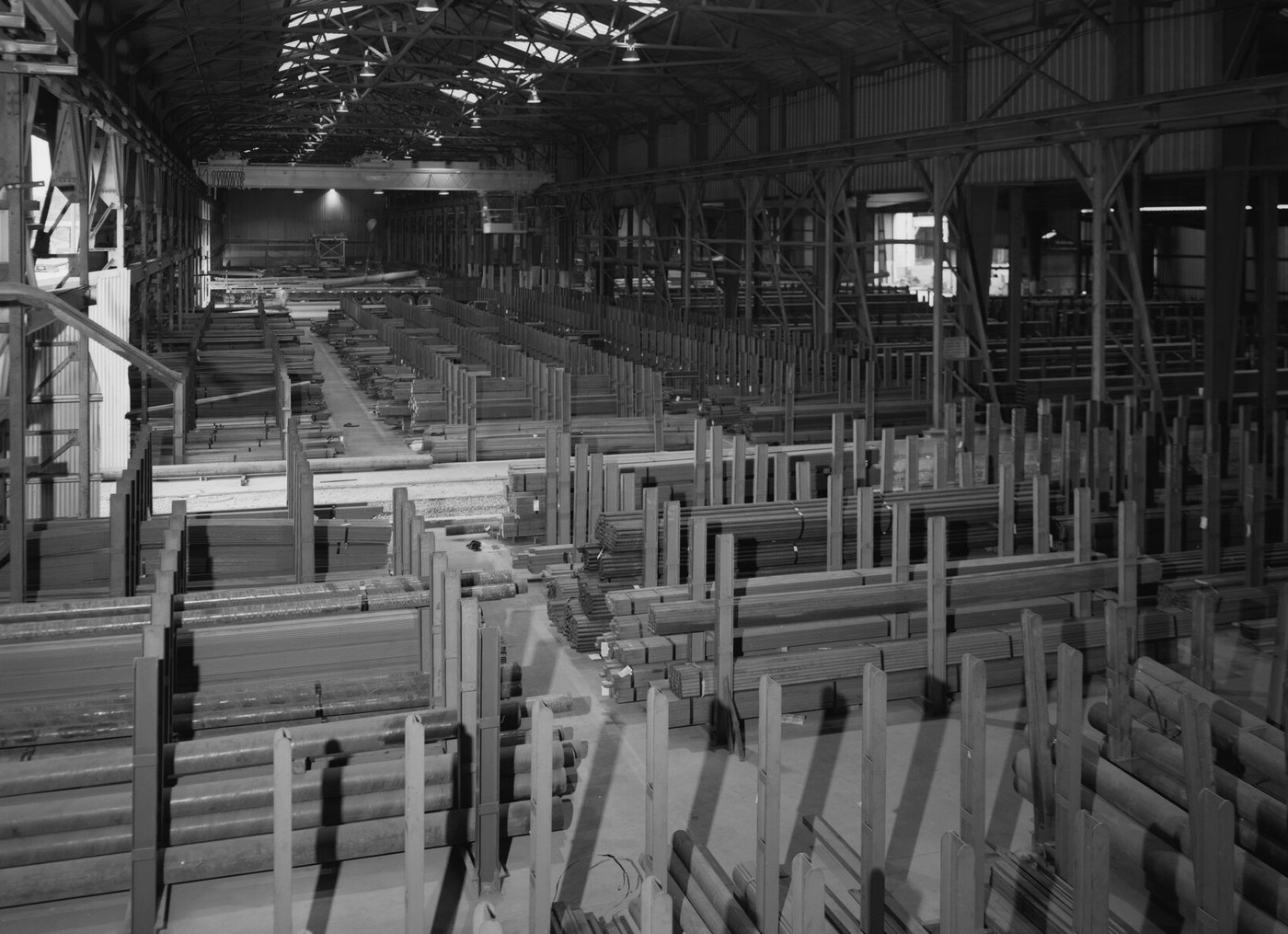


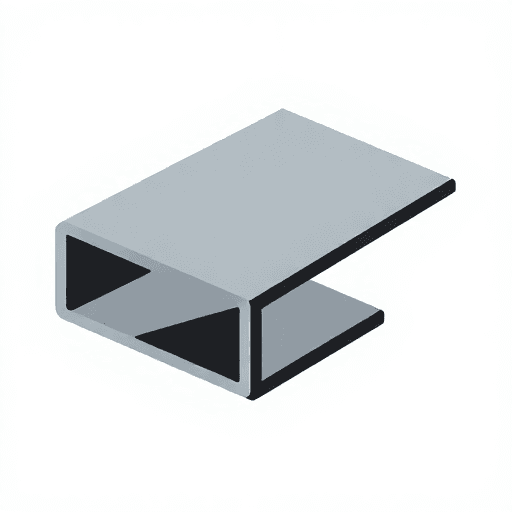
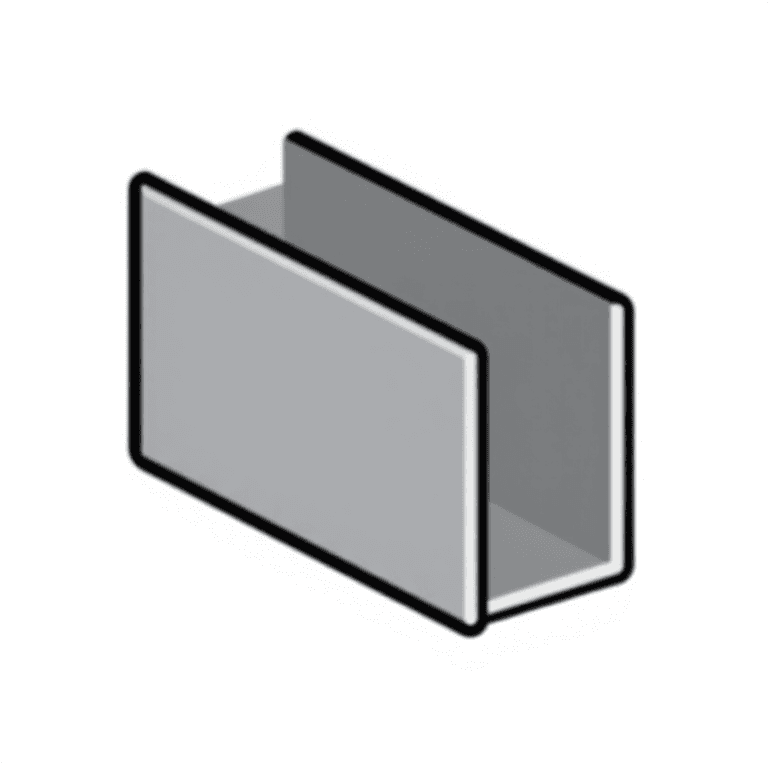
Hot-Rolled Steel Angles and Channels
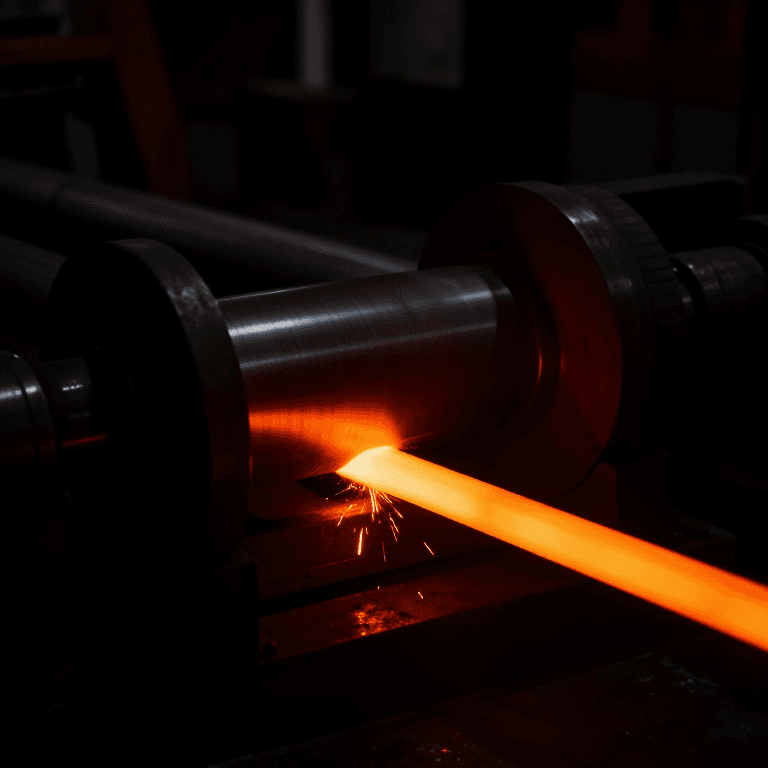
Angles, channels and beams are made in a merchant or bar mill by hot rolling a steel billet through shaped rolls. The steel is kept above its recrystallisation temperature, so the grains re-form as it is squeezed and the metal does not work-harden. A billet, typically 100–140 mm across, passes through roughing, intermediate and finishing stands, each changing its cross-section a step closer to the final L or U. The finished section comes out covered in mill scale, an oxide formed at the high temperature, within about 2–5% of its nominal size.
Advanced
Factory process
Instructions
1
1
Heat the billet
Heat the billet
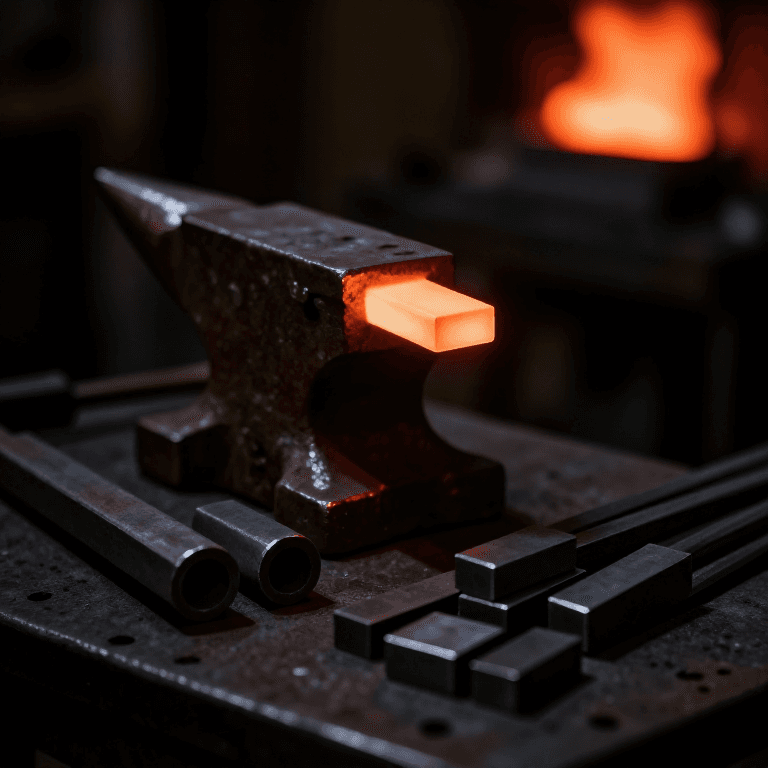
Heat the billet above the steel's recrystallisation temperature; smaller workpieces are heated by induction.
Materials for this step:
 Mild Steel Billet1 piece
Tools needed:
 Induction Heater
2
2
Roll through the stands
Roll through the stands
Pass the hot billet through the roughing, intermediate and finishing stands. Each set of shaped rolls changes the cross-section a step further, towards the angle or channel.
Tools needed:
 Rolling Mill
3
3
Keep it hot
Keep it hot
Watch the temperature: finish about 50–100 °C above the recrystallisation temperature, and reheat the bar if it drops below that before rolling further.
Tools needed:
Induction Heater4
4
Finished section
Finished section
The finished section is covered in mill scale, the oxide formed at rolling heat. Shapes with an uneven cross-section can hold residual stress from uneven cooling.
Materials
1- 1 piecePlaceholder
Tools Required
2- Placeholder
- Placeholder
This blueprint makes
Related Blueprints
These blueprints share knowledge with this one — techniques, materials, or principles that connect them in the learning graph.
CC0 Public Domain
This blueprint is released under CC0. You are free to copy, modify, distribute, and use this work for any purpose, without asking permission.
Support the Maker by purchasing products through their Blueprint where they earn a Maker Commission set by Vendors, or create a new iteration of this Blueprint and include it as a connection in your own Blueprint to share revenue.