ART
BEAUTY & WELLNESS
CRAFT
CULTURE & HISTORY
ENTERTAINMENT
ENVIRONMENT
FOOD & DRINKS
REVERSE ENGINEERING
SCIENCES
SPORTS
TECHNOLOGY
WEARABLES
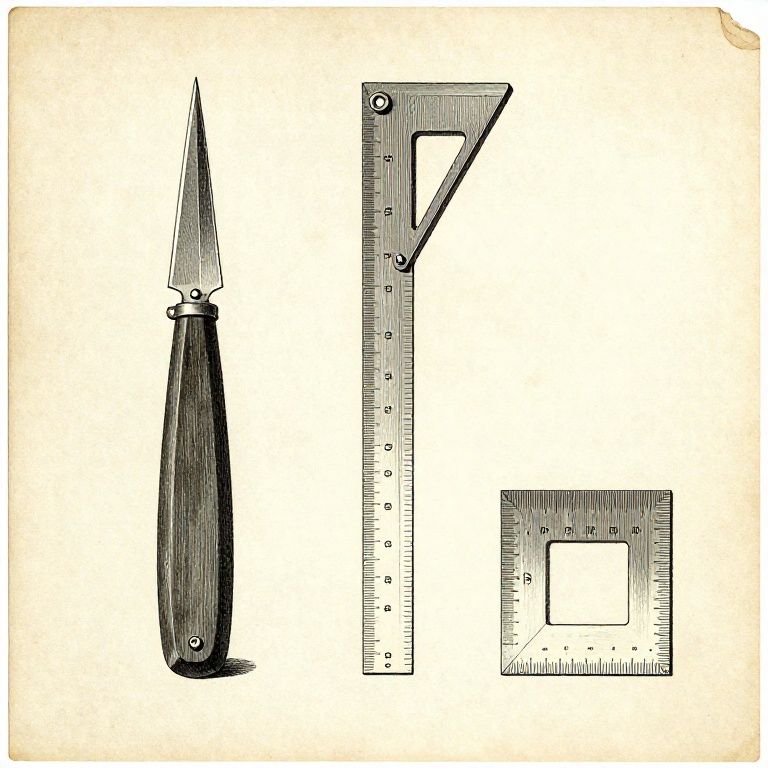


Is Your Square Actually Square? Test It, Because Nothing Else Will
Every square line in your work is only as good as the square that struck it, and a square that is a little out will produce work that is consistently and invisibly wrong.
Worse, the error hides. A square that is half a degree out still looks square, still feels square, and marks every piece in a set with the same error — so the parts agree with each other and disagree with reality. You discover it when the assembly will not sit flat.
There is a test that needs no reference instrument at all, takes thirty seconds, and is the single most valuable habit in this rung.
Beginner
2 hours
Instructions
1
1
The reversal test: a square checks itself
The reversal test: a square checks itself
Plane one edge of a board dead straight. Hold the square's stock against that edge and strike a line across the face. Now FLIP the square over, stock still on the same edge, and strike a second line from the same point.
If the square is true the two lines lie exactly on top of one another. If it is out, they diverge — and they diverge by DOUBLE the error, because flipping doubles it. That amplification is what makes a tiny error visible.
This needs no master square and no measuring. It is the same idea as winding sticks: use the geometry to multiply an error you cannot otherwise see. Do it to every square you own, today.
Materials for this step:
 Hardwood Board1 piece
Tools needed:
 Try Square
 Marking Knife
 Straightedge
2
2
Try, combination and engineer's: what each is for
Try, combination and engineer's: what each is for
A TRY SQUARE is fixed at ninety degrees with a thick stock, and it is the fastest and most reliable for striking square lines and testing an edge.
A COMBINATION SQUARE has a sliding head, so it also sets a depth, marks a line parallel to an edge, finds a centre and gives forty-five degrees. That versatility costs rigidity: the head can shift, and it is the one most likely to be out.
An ENGINEER'S SQUARE is a precision instrument, usually small, made to a stated tolerance. Keep one purely as a reference to check the others against, and do not use it as a working tool — a square dropped on a concrete floor is no longer a reference for anything.
Tools needed:
Try Square Combination Square
 Magnifying Loupe
3
3
The bevel gauge: angles that are not ninety
The bevel gauge: angles that are not ninety
A sliding bevel holds any angle you set it to. Set it from the work itself — off a dovetail template, off an existing piece, off a full-size drawing — and carry that angle to every part without ever knowing what it is in degrees.
That is the marking-gauge principle again: the two parts agree because they came from one setting, not because the number was right.
Lock it firmly and check it has not moved partway through a set of parts. A bevel that slips halfway through marking out eight dovetails produces four that fit and four that do not, and nothing about the work will tell you which is which.
Materials for this step:
Hardwood Board2 piecesTools needed:
 Bevel GaugeMarking KnifeTry Square
4
4
Look after them, and re-test after a drop
Look after them, and re-test after a drop
A square is a reference, and a reference that has been knocked is a liability rather than a tool — because you will go on trusting it.
Hang squares rather than dropping them in a drawer with chisels. Keep them dry and lightly oiled if they are steel. And re-run the reversal test after any fall, at the start of any job that must be accurate, and periodically anyway.
A wooden square can be trued by planing its stock; a metal one that is out is usually beyond economical repair and should be marked clearly and retired. Do not keep a known-bad square in the rack, because one day you will pick it up.
Tools needed:
Try SquareCombination Square Hand Plane
Materials
1- 2 piecesPlaceholder
Tools Required
7- Placeholder
- Placeholder
- Placeholder
- Placeholder
- Placeholder
- Placeholder
- Placeholder
Related Blueprints
These blueprints share knowledge with this one — techniques, materials, or principles that connect them in the learning graph.
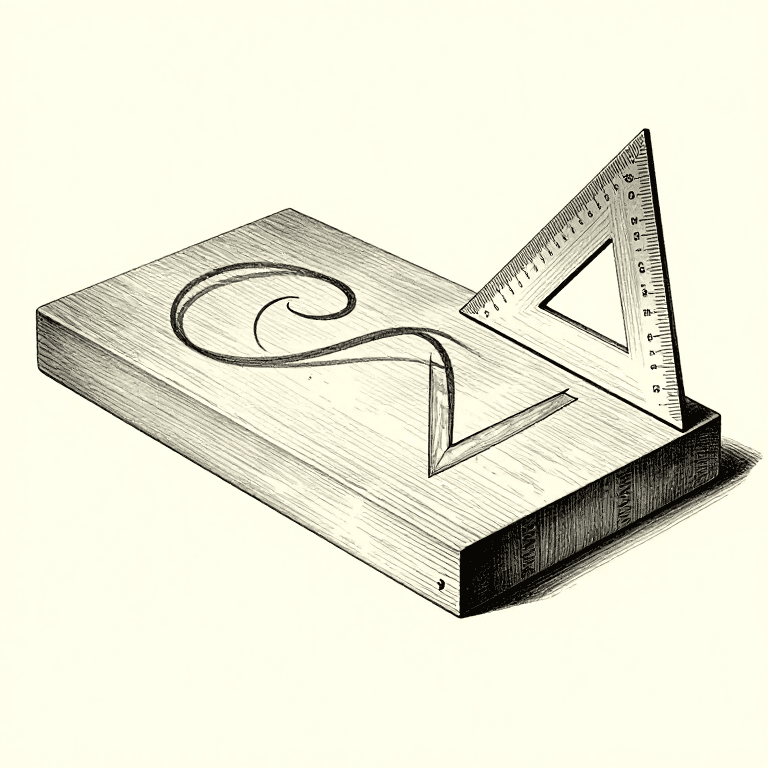
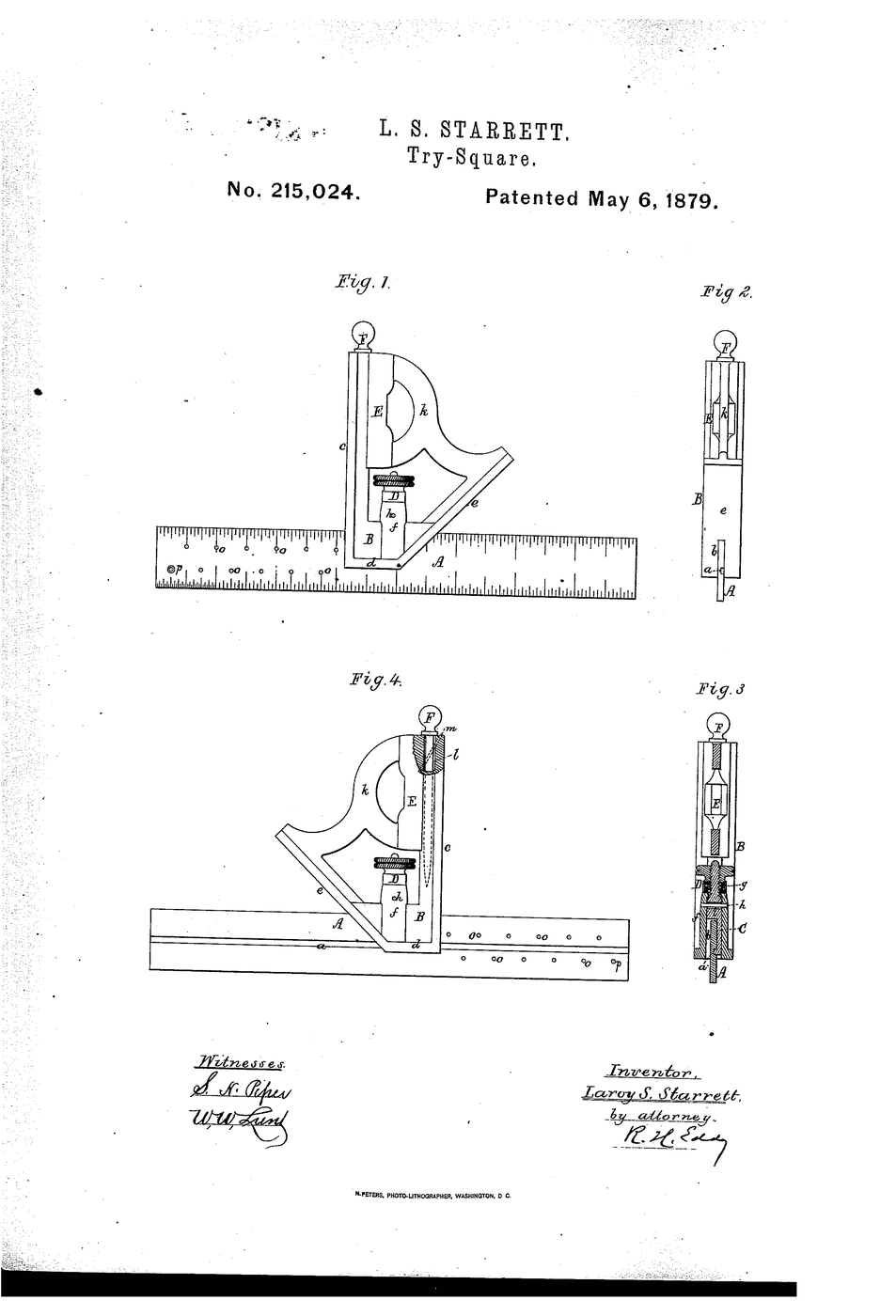
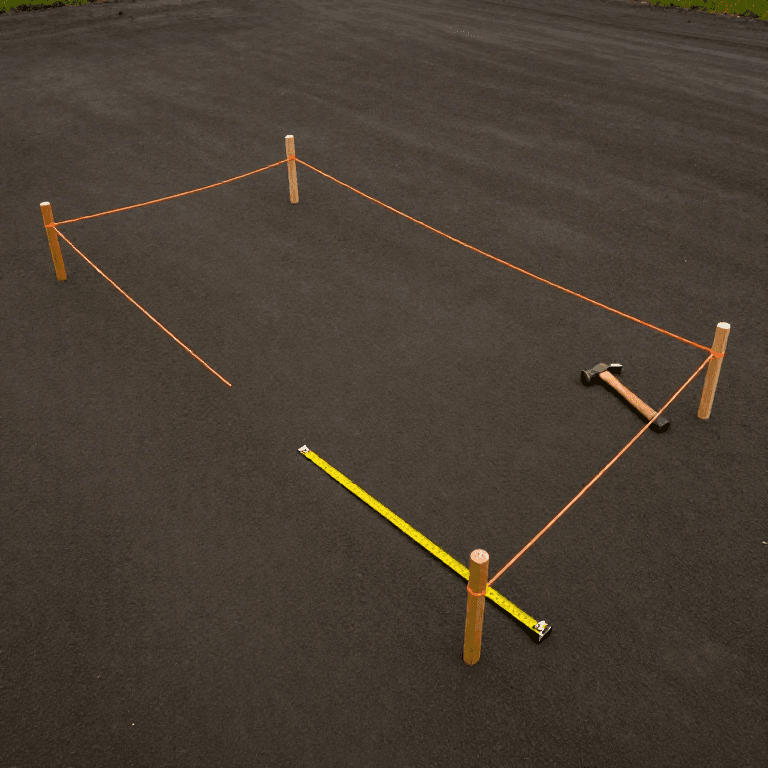

CC0 Public Domain
This blueprint is released under CC0. You are free to copy, modify, distribute, and use this work for any purpose, without asking permission.
Support the Maker by purchasing products through their Blueprint where they earn a Maker Commission set by Vendors, or create a new iteration of this Blueprint and include it as a connection in your own Blueprint to share revenue.