Collaboration
ART
BEAUTY & WELLNESS
CRAFT
CULTURE & HISTORY
ENTERTAINMENT
ENVIRONMENT
FOOD & DRINKS
REVERSE ENGINEERING
SCIENCES
SPORTS
TECHNOLOGY
WEARABLES
English


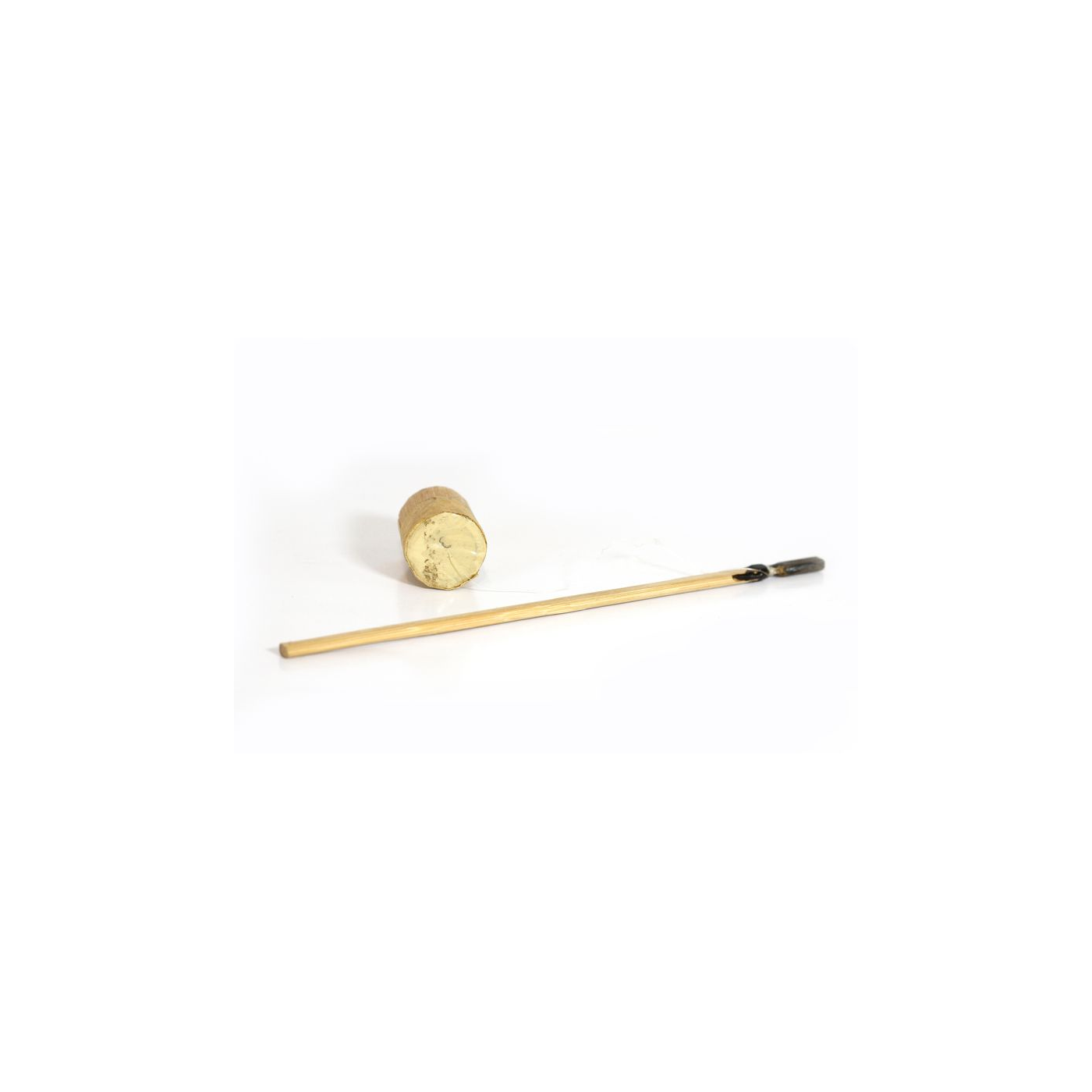
Cicada (ot-ot) — A hollow clay tube 1-2 cm, paper-covered, with a string tied to a 7-10 cm bamboo stick; the tip is dipped in pine resin. Swing it so it spins and makes an "ot-ot" sound.
A cicada (ot-ot) is a traditional folk toy that imitates the sound of an animal's call. Adults make it for children to play with. Swinging it spins the clay body; the string rubbing against the pine resin produces the loud "ot-ot" sound.
This blueprint makes a real cicada at the size given in the source.
Beginner
About 1-2 hours, not including clay drying time.
Instructions
1
1
Actual size
Actual size
Loading Jupyter Notebook...
2
2
Toy that swings to make sound from before
Toy that swings to make sound from before
Ebu-ue sounds from wooden plate striking the wind; the cicada sounds from rope rubbing against pine resin
3
3
Read from the source
Read from the source
"Children hold it and play by swinging the clay ball so it spins, and the string tied to it rubs against the pine resin, producing a creaking 'ort-ort' sound." (Sirindhorn Anthropology Center, author not specified, CC BY 4.0)
4
4
Clay
Clay
Shape the clay into hollow cylinders, cut into segments 1-2 cm in diameter, and dry them in the sun or fire them to harden the clay so they don't crack easily.
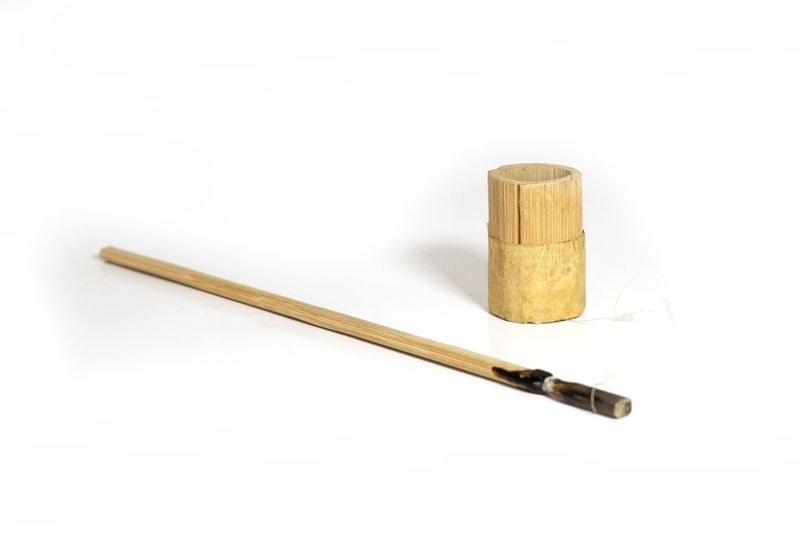
Materials for this step:
 Clay1 piece
Tools needed:
 Knife
5
5
Paper lid
Paper lid
Cut a piece of paper into a circle slightly larger than the clay cylinder. Apply glue or wet flour paste to the top, then poke a hole in the center.
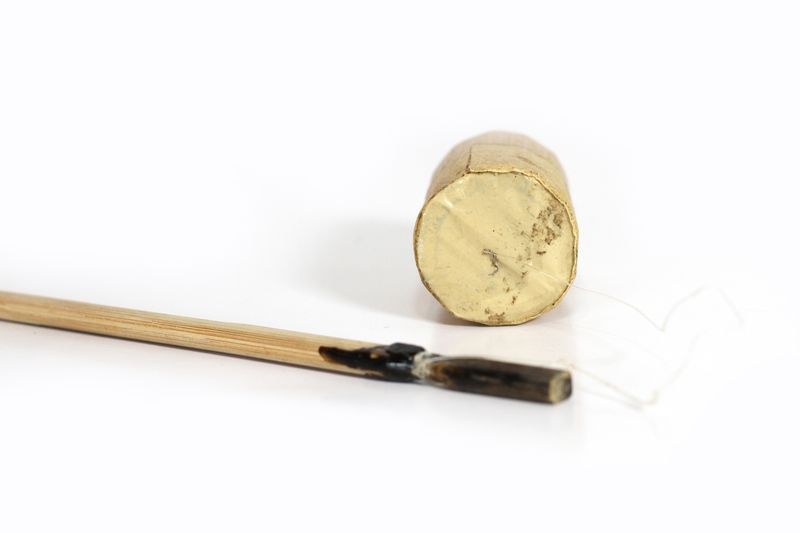
Materials for this step:
 Paper1 piece
 Wood Glue1 piece
Tools needed:
 Scissors
6
6
Spinning Stick and String
Spinning Stick and String
Sharpen a small bamboo stick about 7-10 cm long and dip one end in pine resin. Tie the string loosely so it doesn't come off. Tie a small piece of wood to the other end of the string, pass it through the hole in the paper, and make sure the stick catches against the paper so it doesn't slip out.
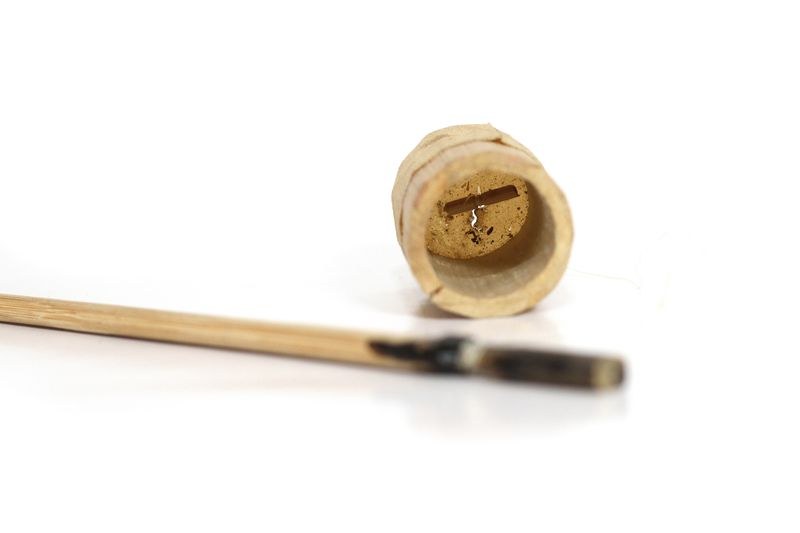
Materials for this step:
 Bamboo Poles1 piece
 Pine Resin1 piece
 String1 piece
7
7
Actual image
Actual image
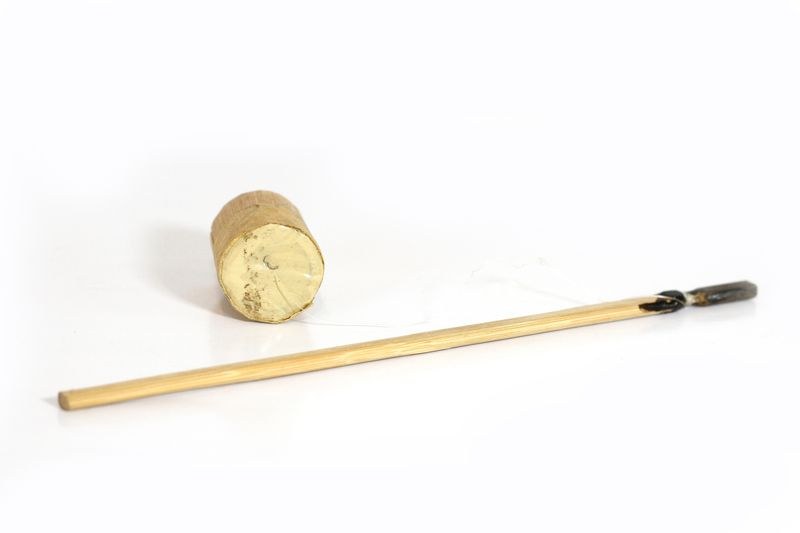
Actual image of a cicada (the cylinder in the image has wood grain) (Sirindhorn Anthropology Center, author not specified, CC BY 4.0)
8
8
How to play
How to play
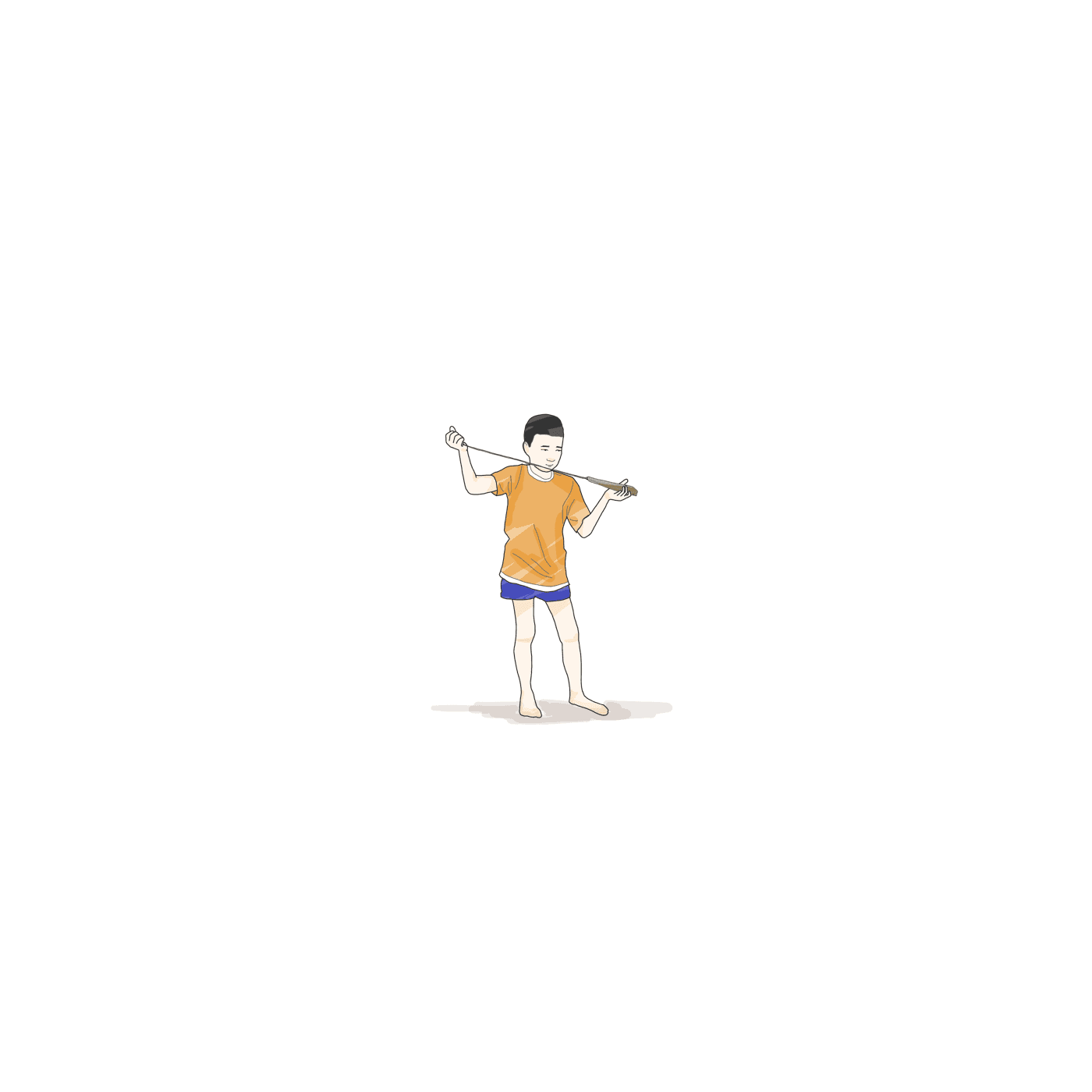
Hold it and swing it to spin the clay ball. The rope rubs against the pine resin and makes a "ong-ong" sound. A horsetail or buffalo tail is louder than the rope and spins more smoothly. It can be decorated by wrapping colored paper around the clay.
9
9
Troubleshooting
Troubleshooting
Cicada troubleshooting
Flow
Loading...
10
10
History and Limitations
History and Limitations
In the past, people called this toy 'ort ort' after its sound. Be careful with knives and scissors. Source: Sirindhorn Anthropology Centre, Folk Tools and Utensils database 'Jakjan' (author not specified) (license CC BY 4.0) **Limitations** The source does not give the length of the string or the length of the clay tube. The method uses clay, but the tube in the image has wood grain lines.
Materials
6- 1 piecePlaceholder
- 1 piecePlaceholder
- 1 piecePlaceholder
- 1 piecePlaceholder
- 1 piecePlaceholder
- 1 piecePlaceholder
This blueprint makes
Related Blueprints
These blueprints share knowledge with this one — techniques, materials, or principles that connect them in the learning graph.
CC0 Public Domain
This blueprint is released under CC0. You are free to copy, modify, distribute, and use this work for any purpose, without asking permission.
Support the Maker by purchasing products through their Blueprint where they earn a Maker Commission set by Vendors, or create a new iteration of this Blueprint and include it as a connection in your own Blueprint to share revenue.