ART
BEAUTY & WELLNESS
CRAFT
CULTURE & HISTORY
ENTERTAINMENT
ENVIRONMENT
FOOD & DRINKS
REVERSE ENGINEERING
SCIENCES
SPORTS
TECHNOLOGY
WEARABLES
English

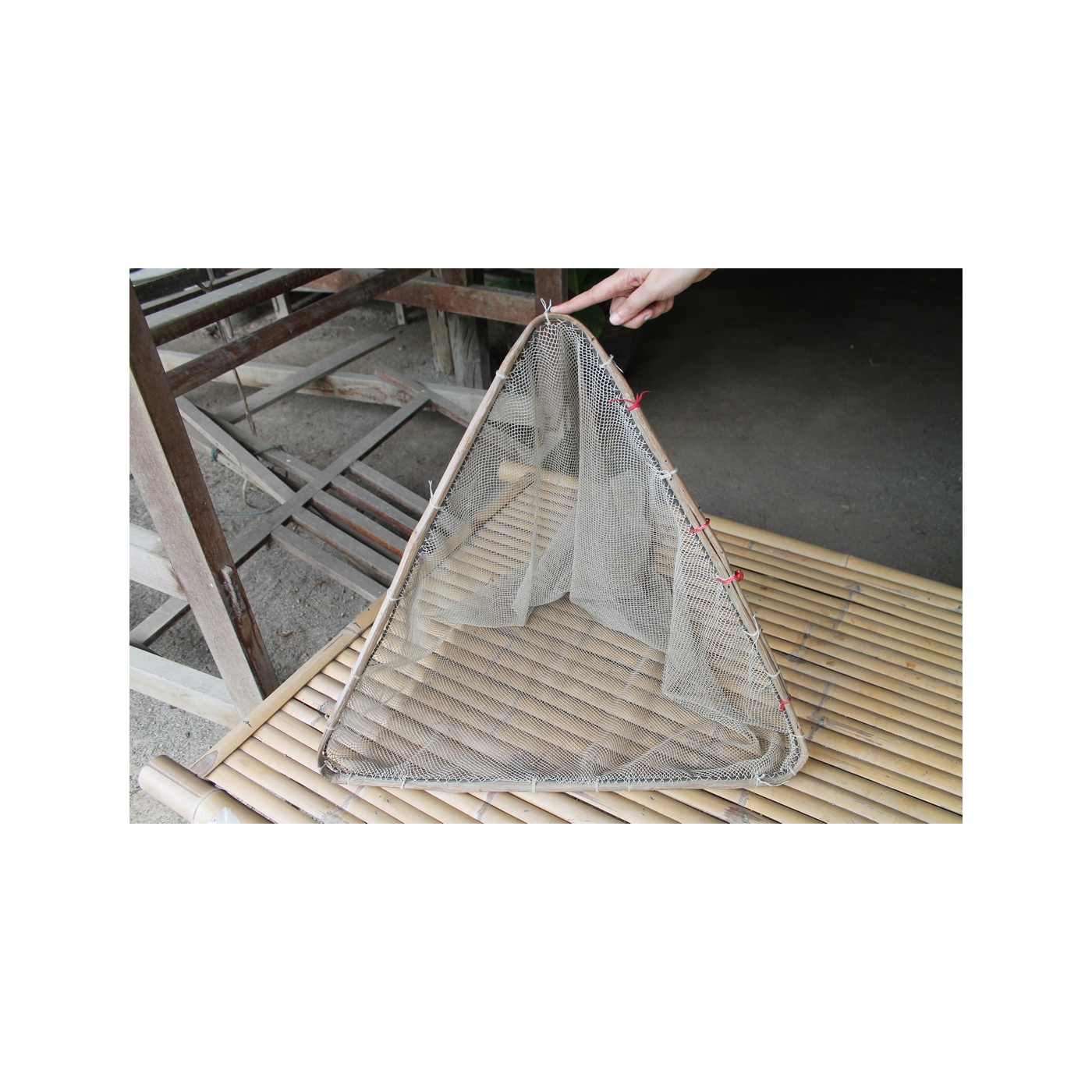
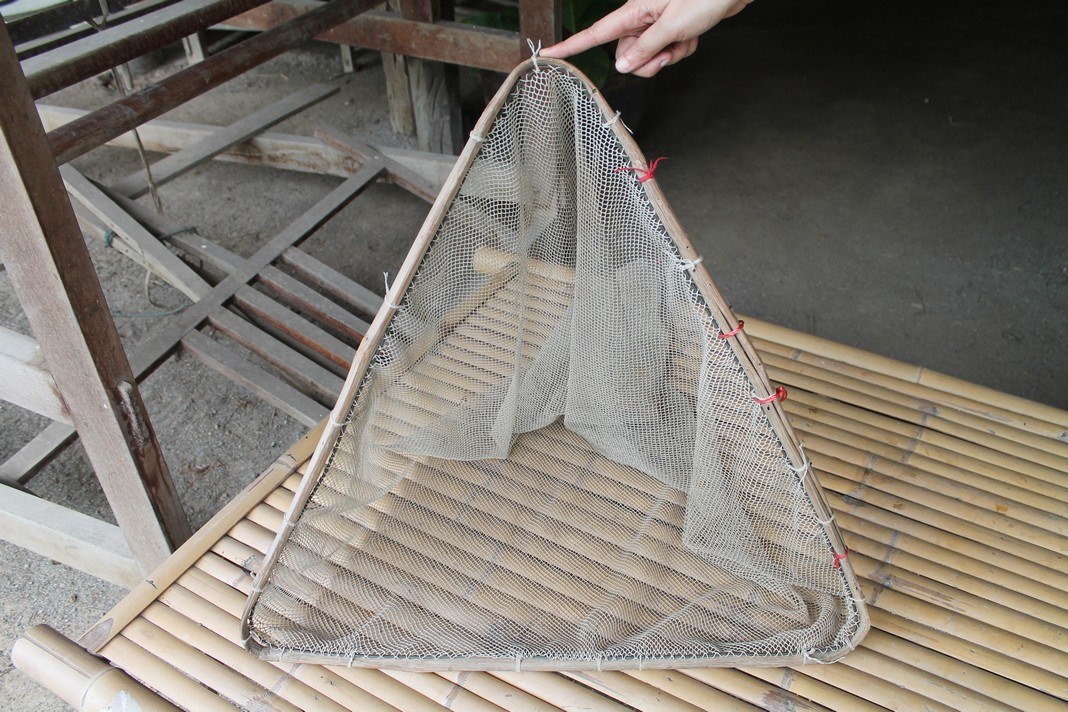
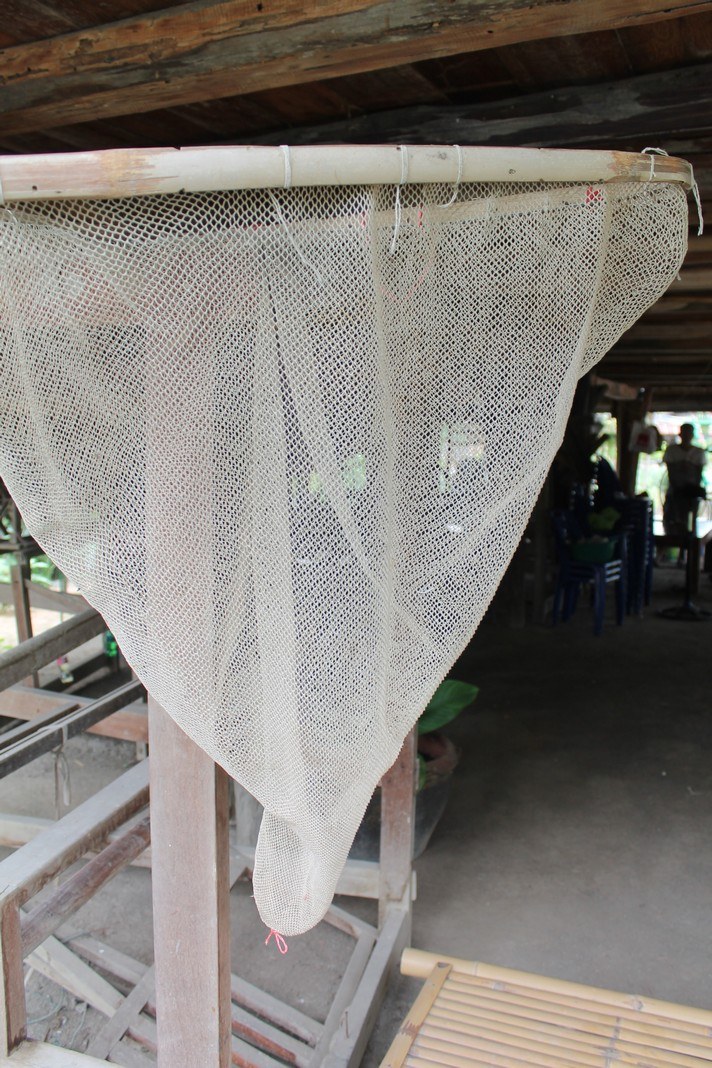
Kasa (Tai Dam Triangle Dip Net) — a Triangular-Mouthed Net Knitted from Thread with a Chun, 140 cm Long, 100 cm Mouth; Women Stand in a Diagonal Line to Scoop Fish
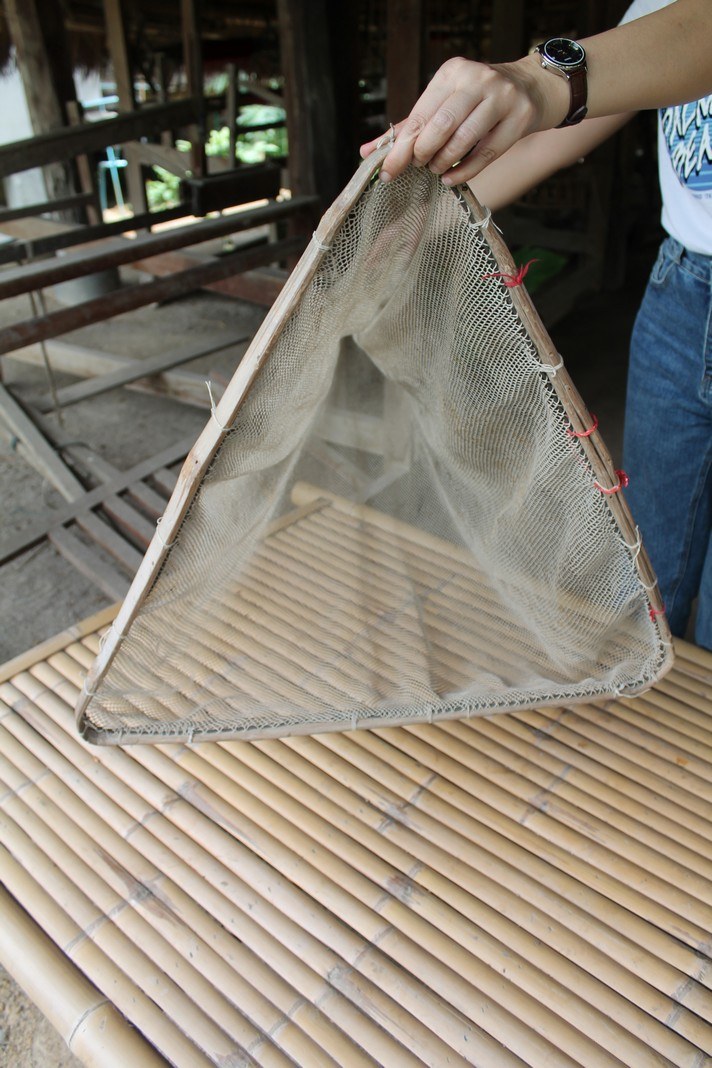
กะสา (kasa) is the Tai Dam dip net: a triangular mouth tied to open-mesh netting knitted from thread, for scooping fish and shrimp in shallow water.
This blueprint makes a real kasa to the sizes in the source.
Intermediate
Several days
Instructions
1
1
Real sizes
Real sizes
Loading Jupyter Notebook...
2
2
Dip nets, before it
Dip nets, before it
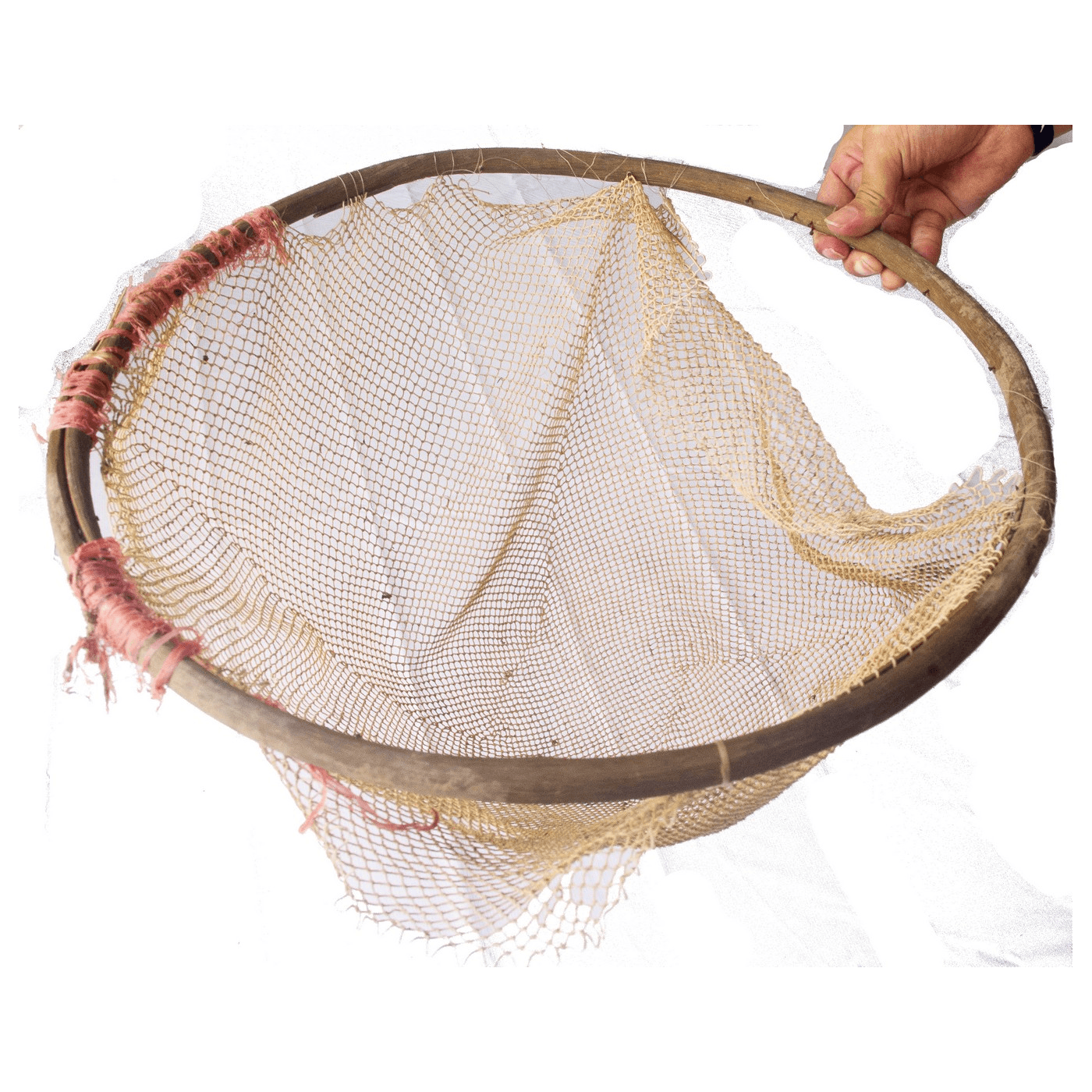
The sawing has a round rim and is scooped by one person; the kasa has a large triangular mouth and is held in a line so the current carries fish in.
3
3
Read from the source
Read from the source
"The women stand in an orderly diagonal line across a canal that is not too deep; each sets the edge of her kasa against the bottom, and the current carries the fish into the kasa." (Sirindhorn Anthropology Centre, author พิชชา ทองขลิบ (Phitcha Thongkhlip), CC BY 4.0)
4
4
Knit the netting
Knit the netting
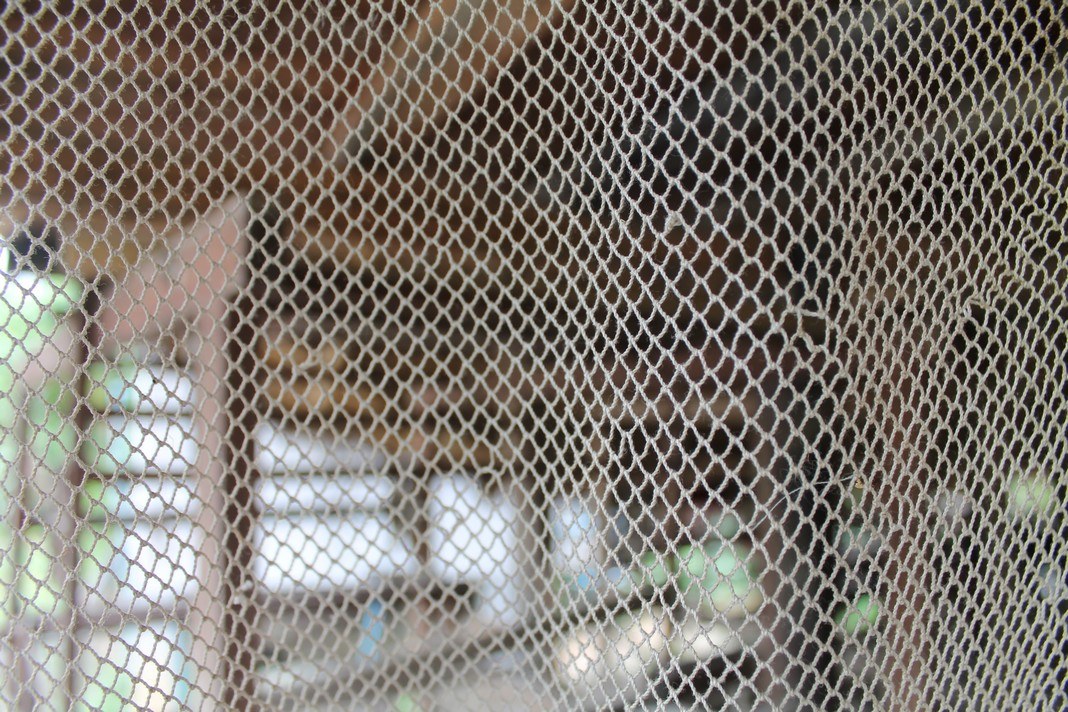
Wind thread onto a chun netting needle and knit open mesh from the bottom of the net up to the mouth edge, about 140 cm long, with a mouth about 100 cm across.
Materials for this step:
 Thread1 piece
Tools needed:
 Wooden Netting Shuttle/needle
5
5
Mouth frame
Mouth frame
Bend bamboo into a rounded triangle for the mouth frame.
Materials for this step:
 Bamboo Poles1 piece
Tools needed:
 Machete
 Knife
Knife6
6
Assemble
Assemble
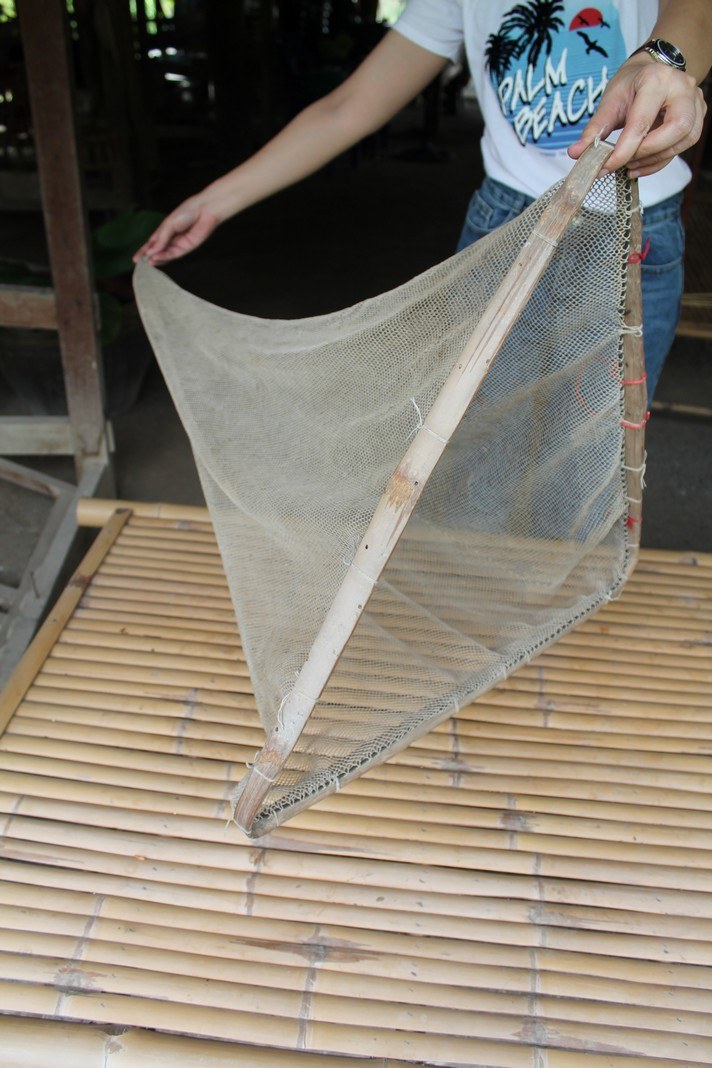
Thread rattan along the mouth edge of the finished netting and tie it to the bamboo frame.
7
7
Real photos
Real photos
Photos of a real kasa, Ancient Tai Dam Cultural Revival Centre, U Thong, Suphan Buri (Sirindhorn Anthropology Centre, author พิชชา ทองขลิบ (Phitcha Thongkhlip), CC BY 4.0).
8
8
How it is used
How it is used
Fish in a group of 7-8 up to 40-50 people, standing in a diagonal line across a shallow canal, each kasa's edge set against the bottom, so the current carries fish in. Those at the acute corner have the advantage, so everyone rotates positions for fairness. The main season is after the main rice harvest, about January to February.
9
9
Troubleshooting
Troubleshooting
Troubleshooting the kasa.
Flow
Loading...
10
10
History and limits
History and limits
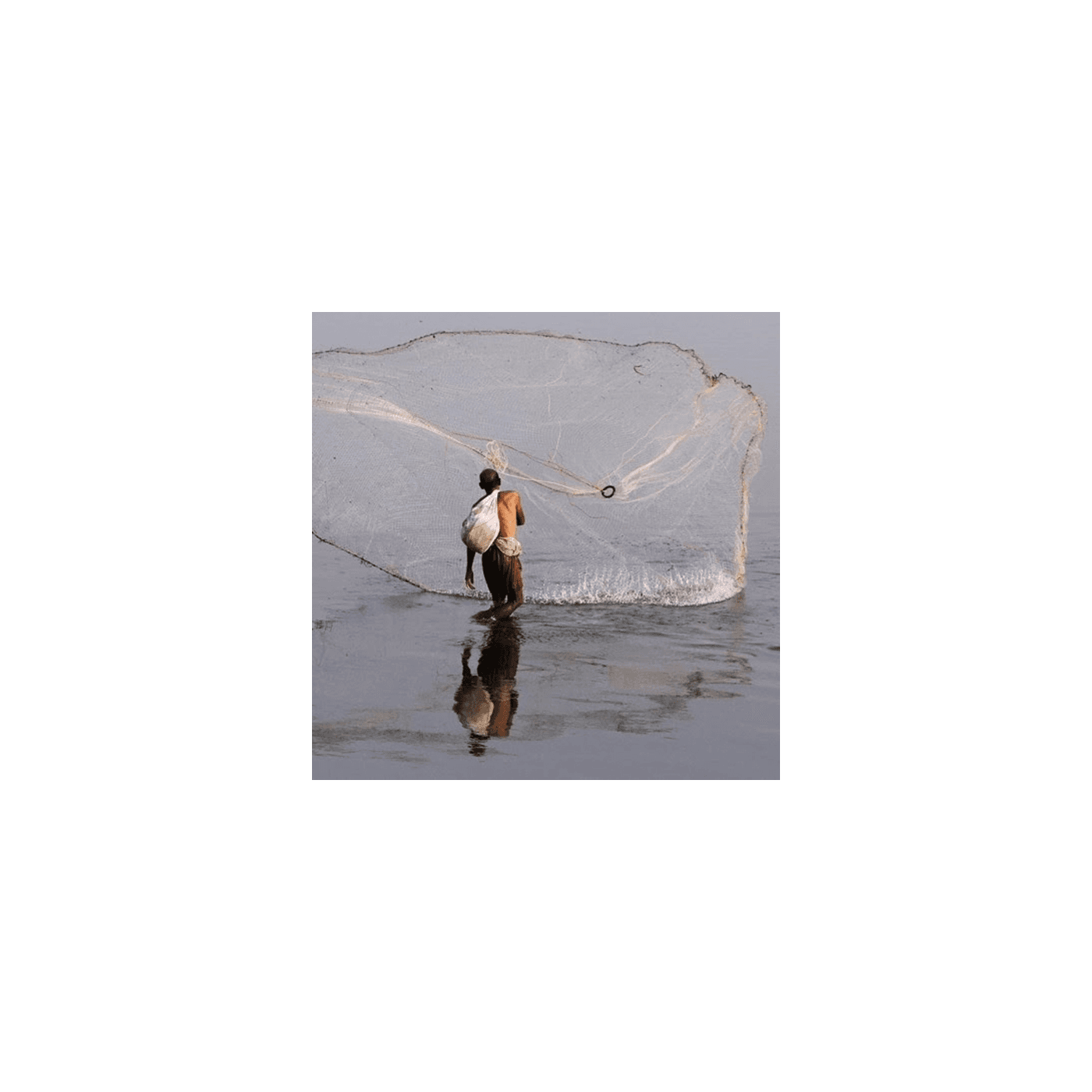
Fishing with the kasa is a shared activity of Tai Dam women that builds solidarity and equal access to resources; men fish alone with cast nets. The kasa is also used in the rite of scooping back the soul of the sick or injured, and at funerals. Beware of slipping when standing in the canal.
Source: Sirindhorn Anthropology Centre, Traditional Objects of Everyday Use database, "กะสา", author พิชชา ทองขลิบ (Phitcha Thongkhlip), Ancient Tai Dam Cultural Revival Centre, Suphan Buri (CC BY 4.0 licence).
**Limits** The source gives no mesh size, and there is no listing for rattan, so it is named in the text.
Related Blueprints
These blueprints share knowledge with this one — techniques, materials, or principles that connect them in the learning graph.
CC0 Public Domain
This blueprint is released under CC0. You are free to copy, modify, distribute, and use this work for any purpose, without asking permission.
Support the Maker by purchasing products through their Blueprint where they earn a Maker Commission set by Vendors, or create a new iteration of this Blueprint and include it as a connection in your own Blueprint to share revenue.