ART
BEAUTY & WELLNESS
CRAFT
CULTURE & HISTORY
ENTERTAINMENT
ENVIRONMENT
FOOD & DRINKS
REVERSE ENGINEERING
SCIENCES
SPORTS
TECHNOLOGY
WEARABLES
Hazardous


Lead Pipe Extrusion
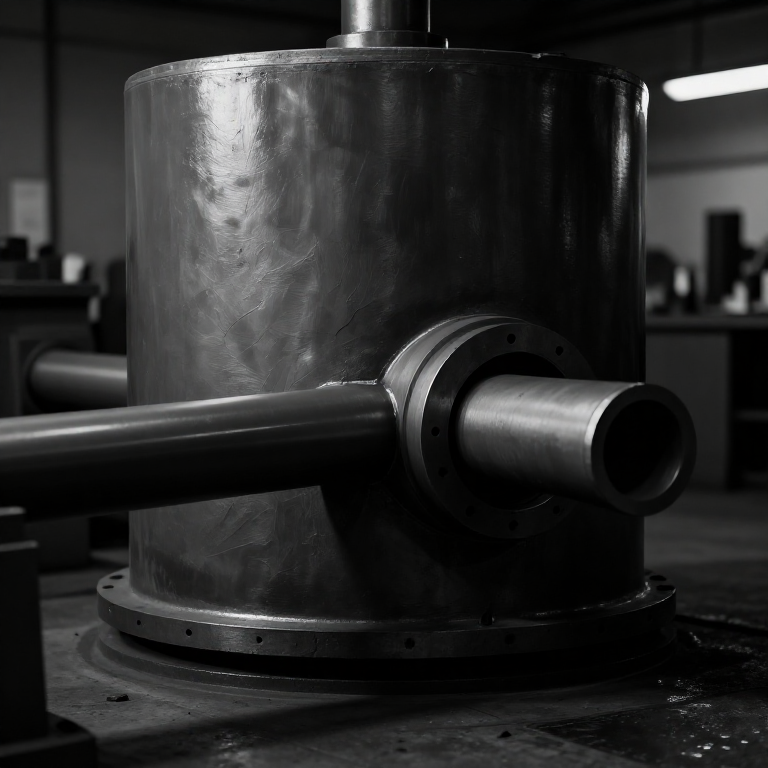
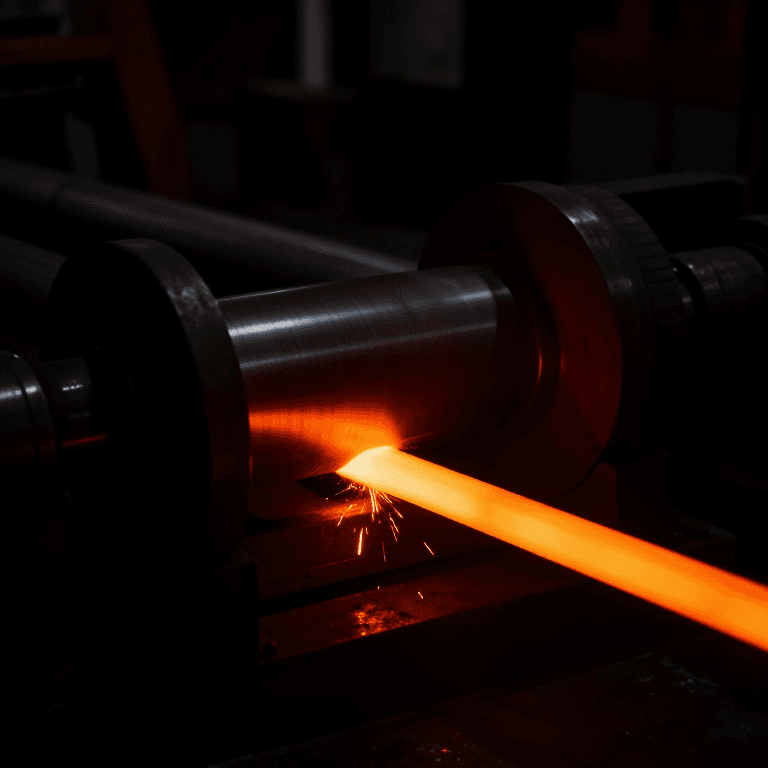
Rolling squeezes metal between two rolls and can only make sections open to the outside. Extrusion pushes it through a hole instead — and if you put a mandrel in the middle of that hole, what comes out is a tube, seamless, in one continuous length. Joseph Bramah patented a lead pipe press in 1797 and Thomas Burr built on it, replacing pipe that had been made by casting sheet, bending it round a rod and soldering the seam. The seam was the weak point and the failure point; extrusion abolished it. The metal behaves almost like a fluid under enough pressure, and the die's shape becomes the product's shape — which is why extrusion can produce complex hollow profiles that no rolling mill could ever form.
Advanced
5 hours
Hazardous content
This blueprint contains hazardous procedures. Log in and enable hazardous content in your account settings to view the step-by-step instructions.
Sign inRelated Blueprints
These blueprints share knowledge with this one — techniques, materials, or principles that connect them in the learning graph.

CC0 Public Domain
This blueprint is released under CC0. You are free to copy, modify, distribute, and use this work for any purpose, without asking permission.
Support the Maker by purchasing products through their Blueprint where they earn a Maker Commission set by Vendors, or create a new iteration of this Blueprint and include it as a connection in your own Blueprint to share revenue.