Collaboration
ART
BEAUTY & WELLNESS
CRAFT
CULTURE & HISTORY
ENTERTAINMENT
ENVIRONMENT
FOOD & DRINKS
REVERSE ENGINEERING
SCIENCES
SPORTS
TECHNOLOGY
WEARABLES
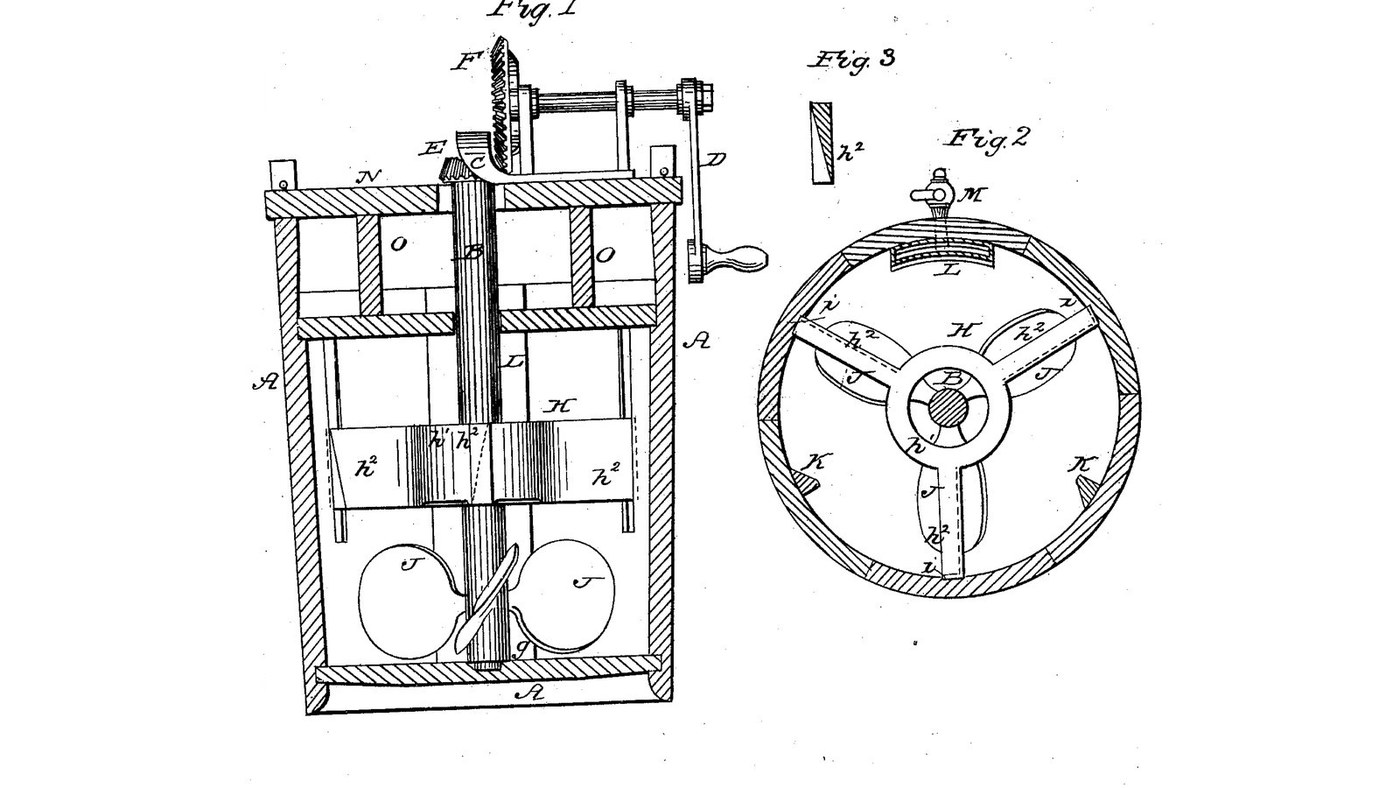

Floating-Breaker Churn: A Propeller Dasher Under a Breaker That Floats in Wall Grooves, a Water Tube Held by the Faucet
Edward Lynch of Buffalo, New York, received US 27,864, dated 10 April 1860, for a churn. Propeller blades at the bottom of an upright crank-driven shaft drive the cream up against a breaker that floats on it: a ring round the shaft with bevelled arms whose ends ride loosely in grooves in the churn's sides, so it keeps its place at the surface for any amount of cream. A flat tube of warm or cold water stands inside, held by the faucet that also draws off the buttermilk.
The patent gives no sizes; every size here is ours.
Intermediate
About 2 days, plus printing
Instructions
1
1
A breaker that floats
A breaker that floats
Loading Jupyter Notebook...
2
2
Paddles under a fixed partition, three weeks before
Paddles under a fixed partition, three weeks before
Sangster's partition is fixed below the cream. Lynch's breaker floats on top of it.
3
3
Read US 27,864
Read US 27,864
"They fit loosely in the grooves, so as to allow the breaker to float, upon the milk or cream, and hence always retain the same relation to the milk or cream, whether there be a large or small quantity in the churn."
4
4
Print the dash blades J
Print the dash blades J
Two-blade propeller 190 mm across, blades 80 x 50 x 5 mm pitched 30 degrees, on a hub bored 16.4 mm. PETG, 0.2 mm layers, 40 % infill, 4 walls.
5
5
Print the water tube L
Print the water tube L
Flat open-topped tank 160 x 30 mm and 210 deep, 3 mm walls, curved to stand against the bucket's side, with a collar under its foot to hold the faucet's nut. PETG, 0.2 mm layers, 100 % infill; fill it with water and check it holds before use.
6
6
Print the crown wheel
Print the crown wheel
Crown wheel, 36 teeth on its face, module 2, with a hub; bored 12.4 mm. PETG, 0.2 mm layers, 40 % infill, 4 walls.
7
7
Print the pinion
Print the pinion
Spur pinion, 12 teeth, module 2, with a hub; bored 12.4 mm. PETG, 0.2 mm layers, 40 % infill, 4 walls.
8
8
Grooves i, breaks K and the faucet M
Grooves i, breaks K and the faucet M
Screw three pairs of hardwood strips 20 x 22 mm, 335 long, upright inside the bucket a third of a turn apart, 24 mm apart in each pair, as the grooves i. Screw two triangular hardwood breaks K, 30 mm deep and 150 tall, to the side near the floor between them, and seal every screw hole outside with silicone. Bore the bucket 22 mm, 30 mm above the floor and opposite the third groove, for the spigot. Set the tank against the side there, pass the spigot through the side and screw it into its nut, set in the tank's collar, so it holds the tank and opens into the churn.
Materials for this step:
 20-Liter Bucket1 piece
 Hardwood Board1 piece
 Wood Screws16 pieces
 Silicone Sealant1 piece
 PVC Spigot1 piece
 PETG Filament1 piece
Tools needed:
 FDM 3D Printer
 Table Saw
 Hole Saw Kit
 Cordless Drill
 Drill Bit Set
 Screwdriver Set
 Adjustable Spanner
 Tape Measure
9
9
Floating breaker H
Floating breaker H
Cut a hardwood ring 100 mm across with a 60 mm hole and 50 deep. Cut three hardwood arms 20 mm thick and 50 deep, bevelled so the lower edge is 4 mm thick, the bevel facing the opposite way to the propeller's blades, long enough to reach loosely into the grooves; glue and screw them into the ring a third of a turn apart.
Materials for this step:
Hardwood Board1 piece Wood Glue1 pieceWood Screws6 pieces
Tools needed:
Table SawHole Saw KitCordless DrillDrill Bit Set Sandpaper
 Bar ClampScrewdriver Set
10
10
Shaft B, cover P and gearing
Shaft B, cover P and gearing
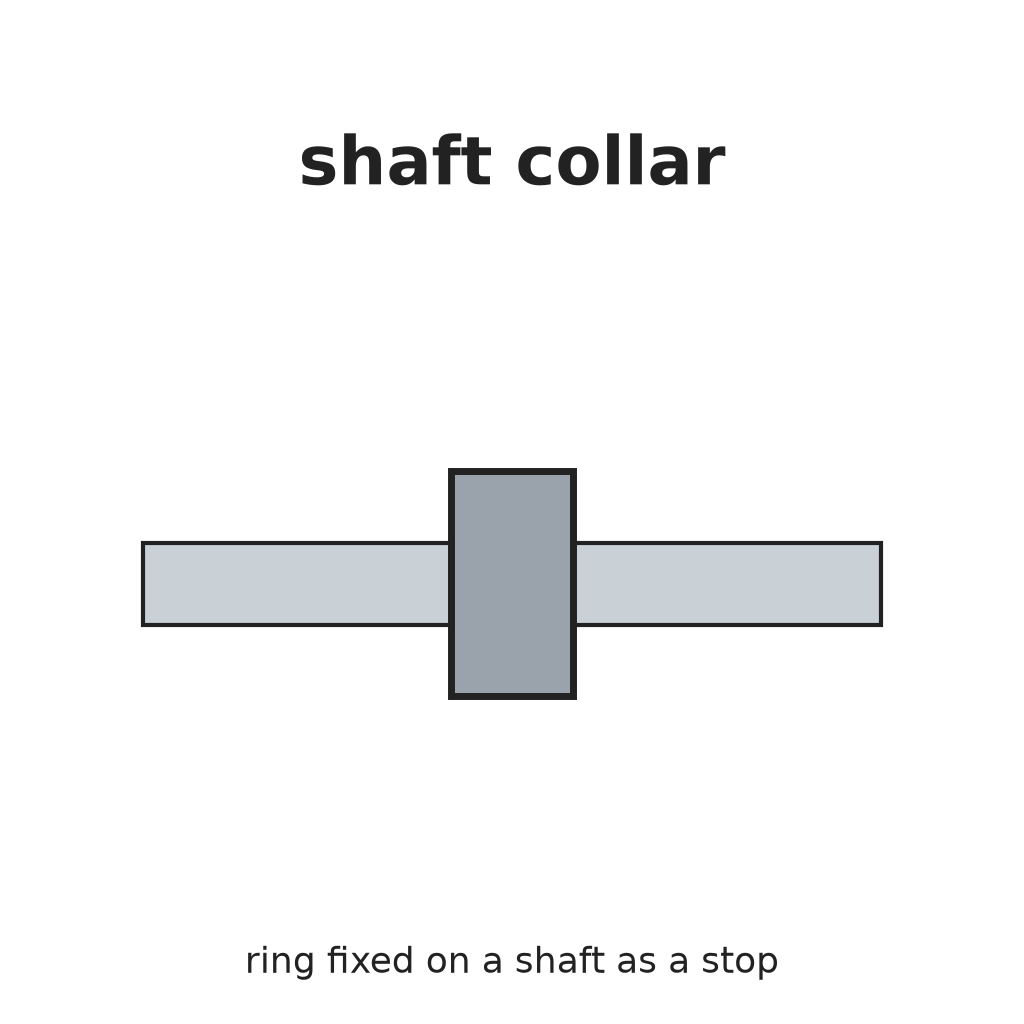
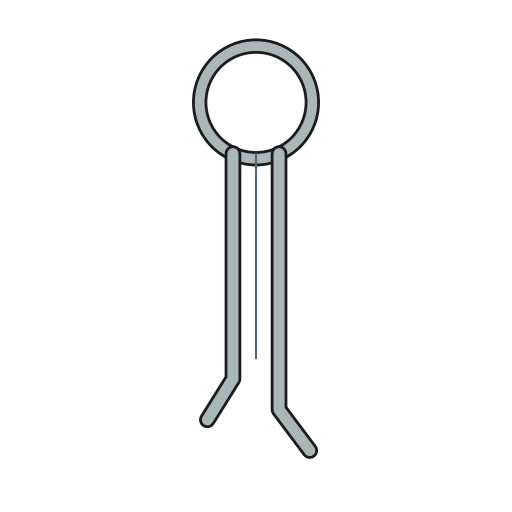
Screw a hardwood step 50 x 50 x 6 mm to the floor's centre, bored 17 mm, 5 deep. Cut a 16 mm stainless shaft 465 mm long and turn or file its top 77 mm down to 12 mm; fit the propeller 8 mm above the floor. Cut a cover P of HDPE sheet to lie on the rim, bored 20 mm in the centre. Cut a hardwood cross piece N 350 x 205 x 25 mm with two hardwood fingers O 30 x 30 x 20 mm under it to rest on the cover, bored 13 mm for the shaft; fit the pinion above it, two chairs with a 12 mm crank shaft and the crown wheel, and a hardwood crank D with a dowel handle.
Materials for this step:
 Hardwood Block1 piece
 Stainless Steel Rod2 pieces
 HDPE Sheet1 pieceHardwood Board2 pieces
 Hardwood Dowels1 pieceWood Glue1 pieceWood Screws10 pieces
 Shaft Collar2 pieces
 Split Pin1 piece
Tools needed:
 Hacksaw
 Files (Hand File)
 Bench Vise
 JigsawTable SawCordless DrillDrill Bit Set
 Spade Bit SetScrewdriver Set
11
11
The build in 3D
The build in 3D
FreeCAD model of this build, the bucket cut open: the propeller blades J on the shaft, the floating breaker H in its three grooves, the breaks K, the water tube L held by the faucet M, the cover P, the cross piece N with its fingers O, and the crank and gearing.
12
12
Churn
Churn
Pour about 6 litres of heavy cream into the bucket and set the breaker in its grooves; it floats on the cream. Pour warm or cold water from the kettle or tap into the tube L to bring the cream to about 15 °C, checked with the thermometer. Put on the cover, cross piece and gearing, and turn the crank steadily, timing it. When the butter comes, draw the buttermilk off at the faucet into a bowl, lift out the gearing, cover, breaker and butter, wash the butter in cold water until it runs clear, salt and weigh it.
Materials for this step:
 Heavy Cream6 l
 Water1 piece
 Coarse Sea Salt1 piece
Tools needed:
 Electric Kettle
 Leave-In Probe Thermometer
 Stopwatch
 Digital Kitchen Scale
 Stainless Steel Mixing Bowl (Large)
13
13
Troubleshooting
Troubleshooting
Floating-breaker churn troubleshooting.
Flow
Loading...
14
14
History and honest limits
History and honest limits
**Edward Lynch** of Buffalo, New York, US 27,864, 10 April 1860, "Churn", assigned to himself and Jas. J. McCool. He claimed the floating breaker with its ring, bevelled arms and grooves, and the tube held by the faucet. His tube is metal; ours is printed, and our faucet draws the milk through a collar under the tube's foot, our reading of his double-duty faucet. Every size here is ours.
Materials
16- 1 piecePlaceholder
- 2 piecesPlaceholder
- 32 piecesPlaceholder
- 1 piecePlaceholder
- 1 piecePlaceholder
- 1 piecePlaceholder
- 2 piecesPlaceholder
- 1 piecePlaceholder
- 2 piecesPlaceholder
- 1 piecePlaceholder
- 1 piecePlaceholder
- 2 piecesPlaceholder
- 1 piecePlaceholder
- 6 lPlaceholder
- 1 piecePlaceholder
- 1 piecePlaceholder
Tools Required
20- Placeholder
- 1 vendor sell this, none ship to you yetPlaceholder
- Placeholder
- 1 vendor sell this, none ship to you yetPlaceholder
- Placeholder
- Placeholder
- Placeholder
- 1 vendor sell this, none ship to you yetPlaceholder
- Placeholder
- Placeholder
- Placeholder
- Placeholder
- Placeholder
- 1 vendor sell this, none ship to you yetPlaceholder
- Placeholder
- Placeholder
- Placeholder
- Placeholder
- Placeholder
- Placeholder
Design Files
5This blueprint makes

Related Blueprints
These blueprints share knowledge with this one — techniques, materials, or principles that connect them in the learning graph.
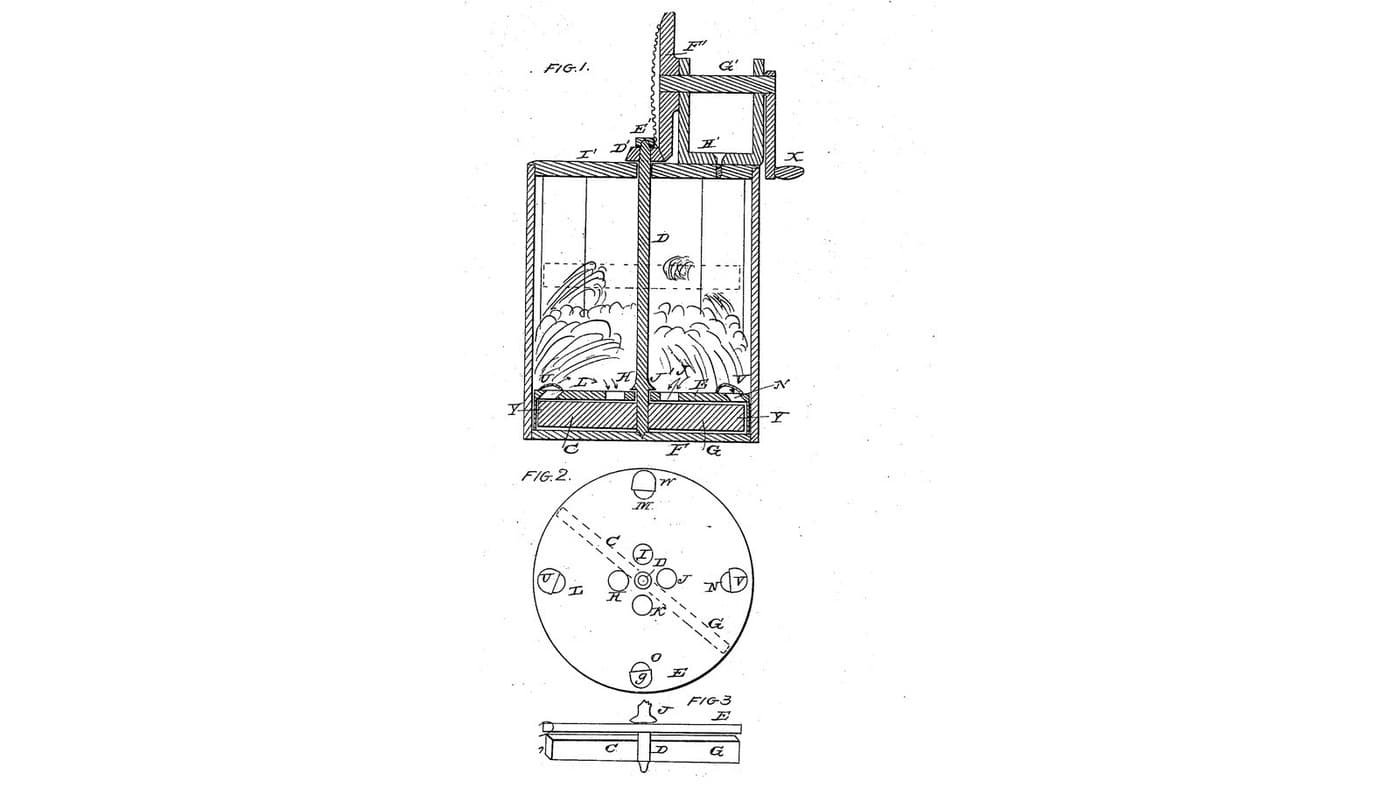
False-Bottom Jet Churn: Paddles Under a Pierced Partition Draw Cream Down at the Centre and Jet It Up at the Rim
by Buttercup
Woodworking
1
0
0
0
0
0
Hot-Water Cylinder Churn: Cream Is Crushed Between a Warm Turning Cylinder and an Adjustable Plate, Then Falls to a Dasher
by Buttercup
Woodworking
0
0
0
0
0
0

Churning Butter from Cream — The 5,000-Year-Old Fat Separation
by TheChef
CRAFT
60
0
0
0
0
0
CC0 Public Domain
This blueprint is released under CC0. You are free to copy, modify, distribute, and use this work for any purpose, without asking permission.
Support the Maker by purchasing products through their Blueprint where they earn a Maker Commission set by Vendors, or create a new iteration of this Blueprint and include it as a connection in your own Blueprint to share revenue.