Collaboration
ART
BEAUTY & WELLNESS
CRAFT
CULTURE & HISTORY
ENTERTAINMENT
ENVIRONMENT
FOOD & DRINKS
REVERSE ENGINEERING
SCIENCES
SPORTS
TECHNOLOGY
WEARABLES

Eye, Ear and Tooth Remedies of the Missouri River Tribes: Rose-hip and Skeleton Weed Washes, Licorice and Yarrow for Earache, Licorice, Calamus and Echinacea for Toothache (Gilmore, 1919)
Eye, ear and tooth remedies Melvin Gilmore recorded on the Missouri: a steeped rose-hip eye wash (Omaha) and skeleton weed stems for sore eyes (Omaha, Ponca); steeped licorice leaves (Teton Dakota) and a wad of yarrow (Winnebago) for earache; and licorice root, calamus or a piece of echinacea held on an aching tooth. Recorded use, not medical advice.
Beginner
An hour
Instructions
1
1
Read Gilmore
Read Gilmore
Eye, ear and tooth remedies from Gilmore's list of plants, credited to the tribes he names. Recorded use, not medical advice: eye pain, a discharging ear or a swollen jaw need a doctor or dentist (ours).
2
2
Eye washes
Eye washes
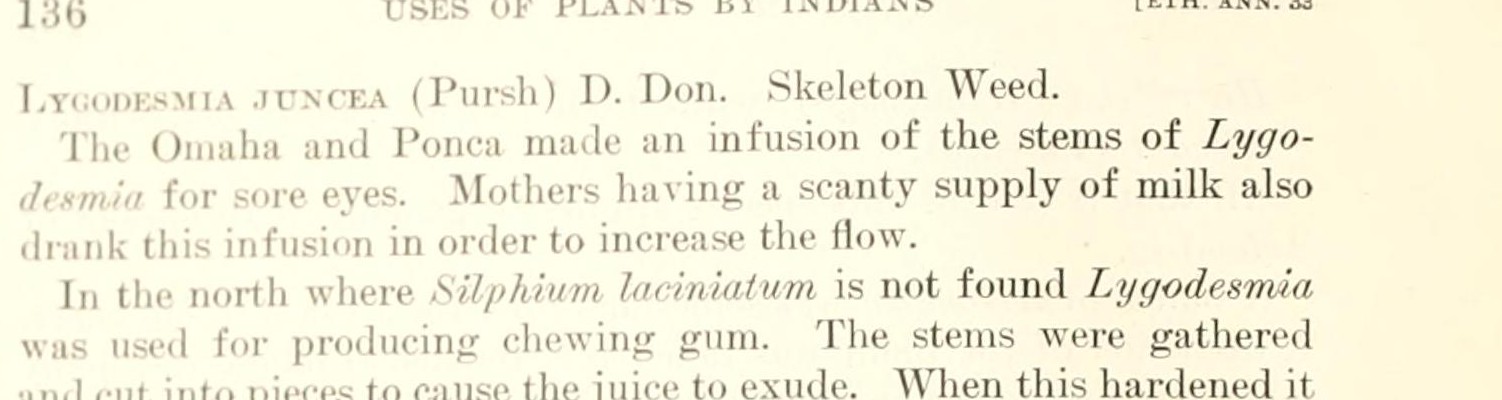
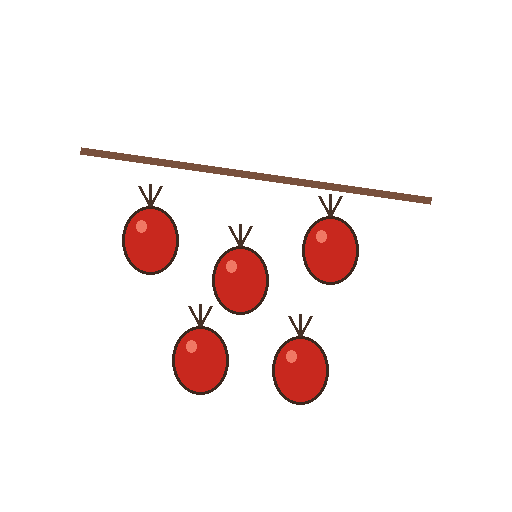
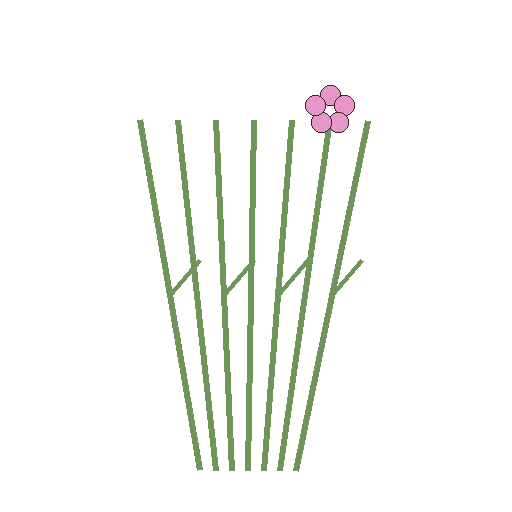
Omaha: steep wild rose fruits for "a wash for inflammation of the eyes". Omaha and Ponca: an infusion of skeleton weed stems "for sore eyes." Ours: strain through clean cloth and use cooled.
Materials for this step:
 Wild Rose Fruits1 piece
 Skeleton Weed Stems1 piece
 Water1 piece
Tools needed:
 Knife
 Clay Pot
 Fire Pit
 Cheesecloth
3
3
Earache
Earache
Teton Dakota: "The leaves after being steeped are applied to the ears for earache" (wild licorice). Winnebago: "a wad of the leaves, also the infusion, was put into the ear" (yarrow).
Materials for this step:
 Wild Licorice Leaves1 piece
 Yarrow (Achillea millefolium)1 pieceWater1 piece
Tools needed:
Clay PotFire Pit4
4
Toothache
Toothache
Teton Dakota: chew wild licorice root and hold it in the mouth; "It tastes strong at first, but after a while it becomes sweet." Calamus rootstock was chewed for toothache; a piece of echinacea was "kept on the painful tooth until there was relief".
Materials for this step:
 Wild Licorice Root1 piece
 Calamus Rootstock1 piece
 Narrow-leaved Purple Coneflower Plant1 piece
Tools needed:
 Digging StickKnife
5
5
Sore mouth in babies
Sore mouth in babies
Pawnee: dry four-o'clock root, grind it fine and put it on dry. Ours: nothing in a baby's mouth without a doctor.
Materials for this step:
 Umbrella-Plant Root1 piece
Tools needed:
Digging Stick Stone Mortar and Pestle
6
6
Troubleshooting
Troubleshooting
Safety.
Flow
Loading...
7
7
History and honest limits
History and honest limits
From Melvin R. Gilmore, *Uses of Plants by the Indians of the Missouri River Region*, **33rd Annual Report of the Bureau of American Ethnology** (1919), pp. 70, 72, 78, 85, 92, 116, 131, 134 and 136 (checked on the archive.org scan usesofplantsbyin00gilm). Gilmore wrote down what Omaha, Ponca, Pawnee, Dakota, Winnebago and Oto people told him; each remedy is credited to the tribe he names. Echinacea's Omaha-Ponca name means eye-wash plant, but Gilmore gives no preparation. Left out: blue flag rootstock dropped in the ear or eye-water, and a coral berry leaf eye lotion (both plants are poisonous). Safety lines are ours. Recorded use, not medical advice.
Materials
9- 1 piecePlaceholder
- 1 piecePlaceholder
- 2 piecesPlaceholder
- 1 piecePlaceholder
- Placeholder
- 1 piecePlaceholder
- 1 piecePlaceholder
- Placeholder
- 1 piecePlaceholder
This blueprint makes
Related Blueprints
These blueprints share knowledge with this one — techniques, materials, or principles that connect them in the learning graph.

Chippewa Remedies for Sore Eyes, Sties, Cataract and Sore Ears: Dogwood and Alder Washes, Chickweed, Rose and Raspberry Root, Squirrel-Tail, Aster (Densmore, 1928)
by Bob
Medicine
2
0
0
0
0
0
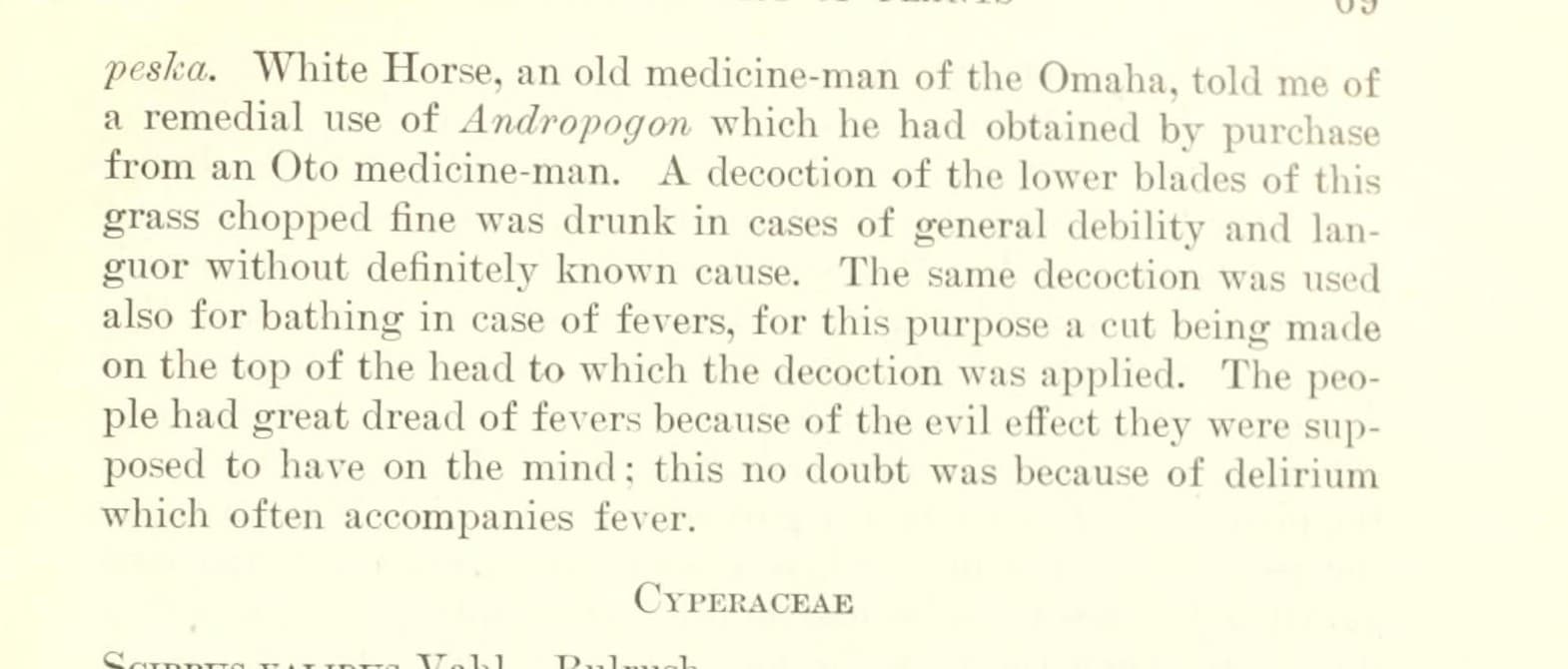
Fever Remedies of the Missouri River Tribes: Calamus, Hops, Wild Four-o'clock, Wild Licorice, Beardtongue and Herb Washes (Gilmore, 1919)
by Bob
Medicine
5
0
0
0
0
0
CC0 Public Domain
This blueprint is released under CC0. You are free to copy, modify, distribute, and use this work for any purpose, without asking permission.
Support the Maker by purchasing products through their Blueprint where they earn a Maker Commission set by Vendors, or create a new iteration of this Blueprint and include it as a connection in your own Blueprint to share revenue.