ART
BEAUTY & WELLNESS
CRAFT
CULTURE & HISTORY
ENTERTAINMENT
ENVIRONMENT
FOOD & DRINKS
REVERSE ENGINEERING
SCIENCES
SPORTS
TECHNOLOGY
WEARABLES
English

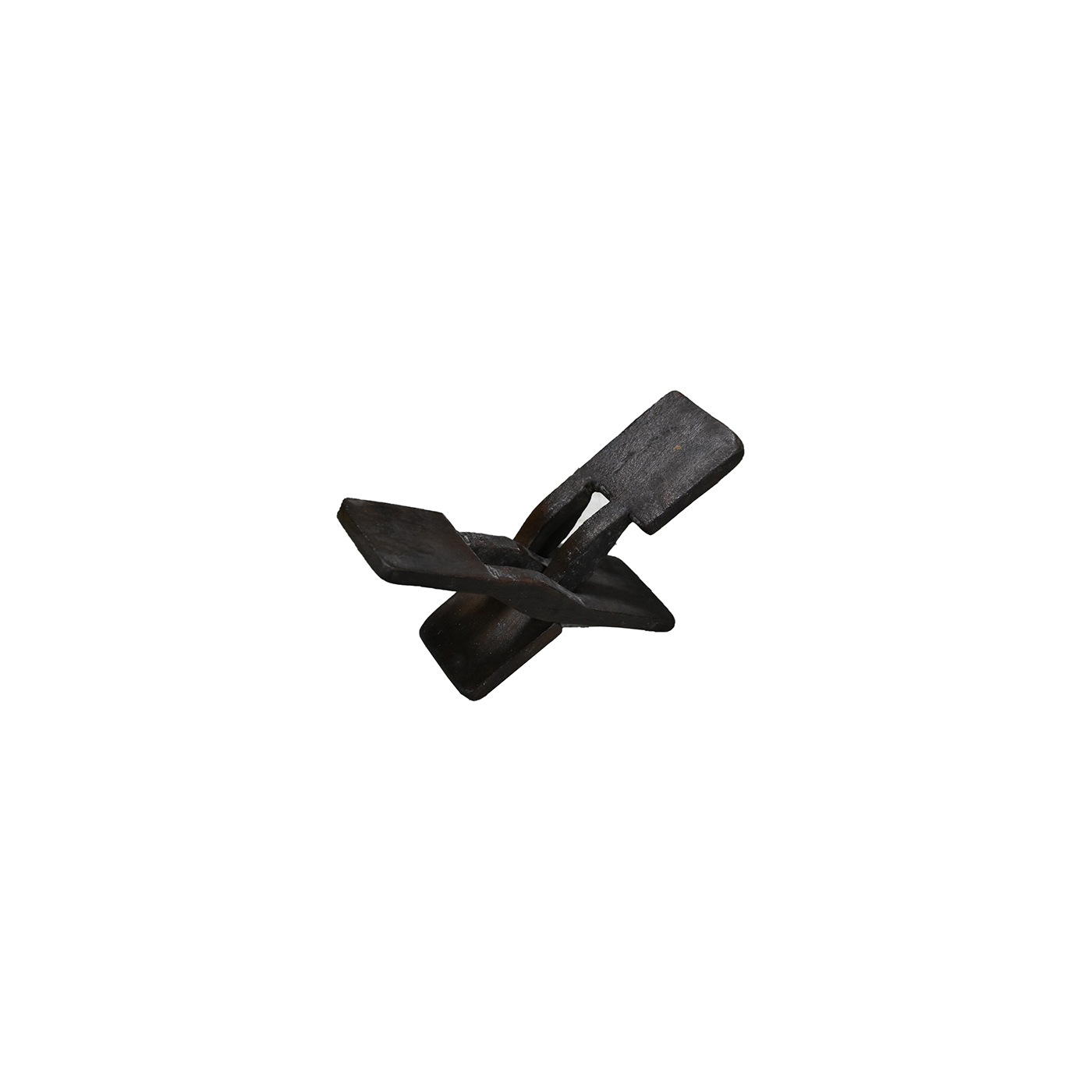
Mon Mai (Folding Wooden Pillow) — a 3-5 × 10-15 × 20-25 cm Hardwood Plank Split into Two Leaves Joined by 5-6 Interlocking Tenons; Set Crosswise, Folds Flat
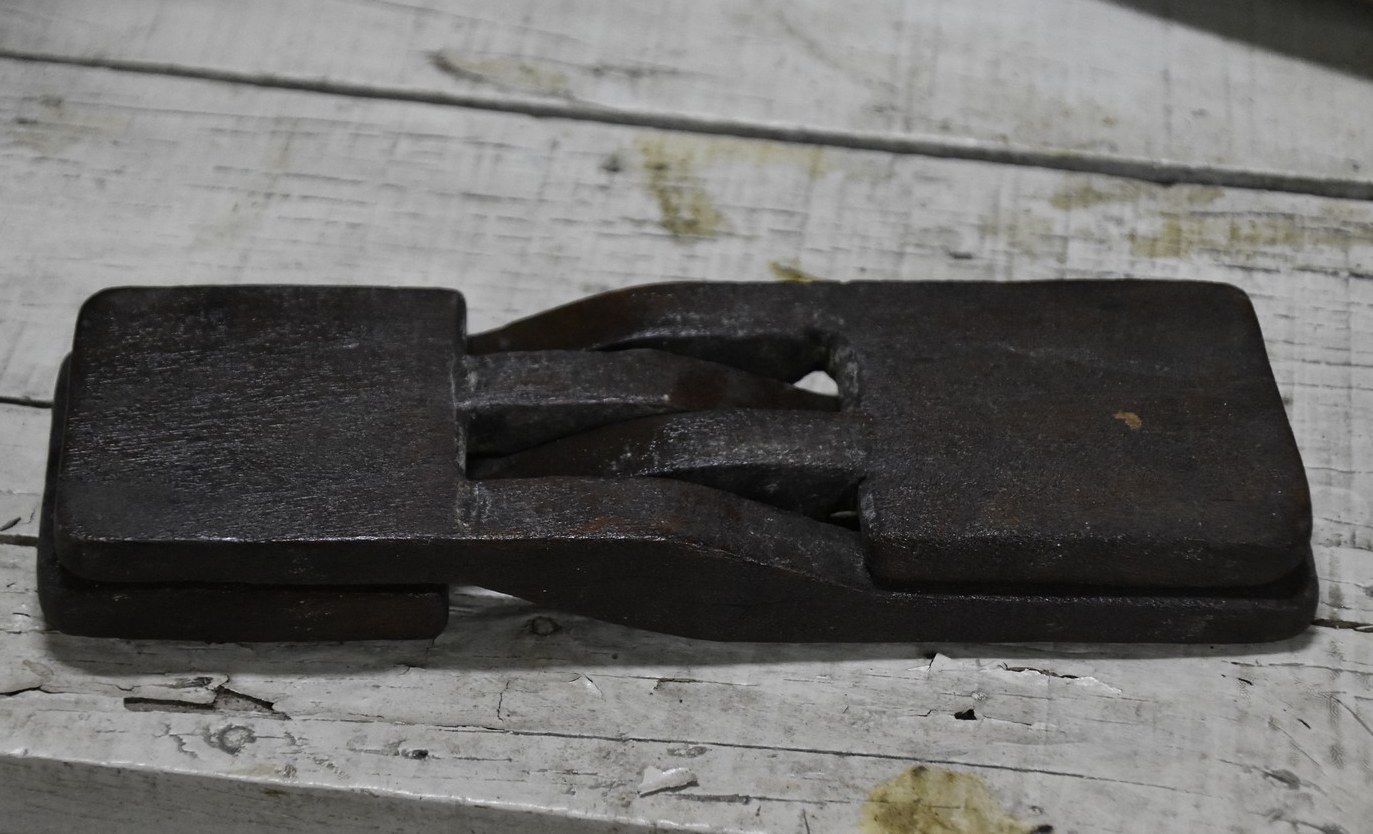
หมอนไม้ (mon mai) is the pillow elders slept on when keeping the precepts at the temple on holy days. Villagers believed keeping the precepts meant giving up comforts, so the pillow should not be soft. A plank is split into two leaves held together by tenons; they are set crosswise for use and fold into one plank for storage.
This blueprint makes a real mon mai to the sizes in the source.
Intermediate
About 1 day
Instructions
1
1
Real sizes
Real sizes
Loading Jupyter Notebook...
2
2
Pillows, before it
Pillows, before it
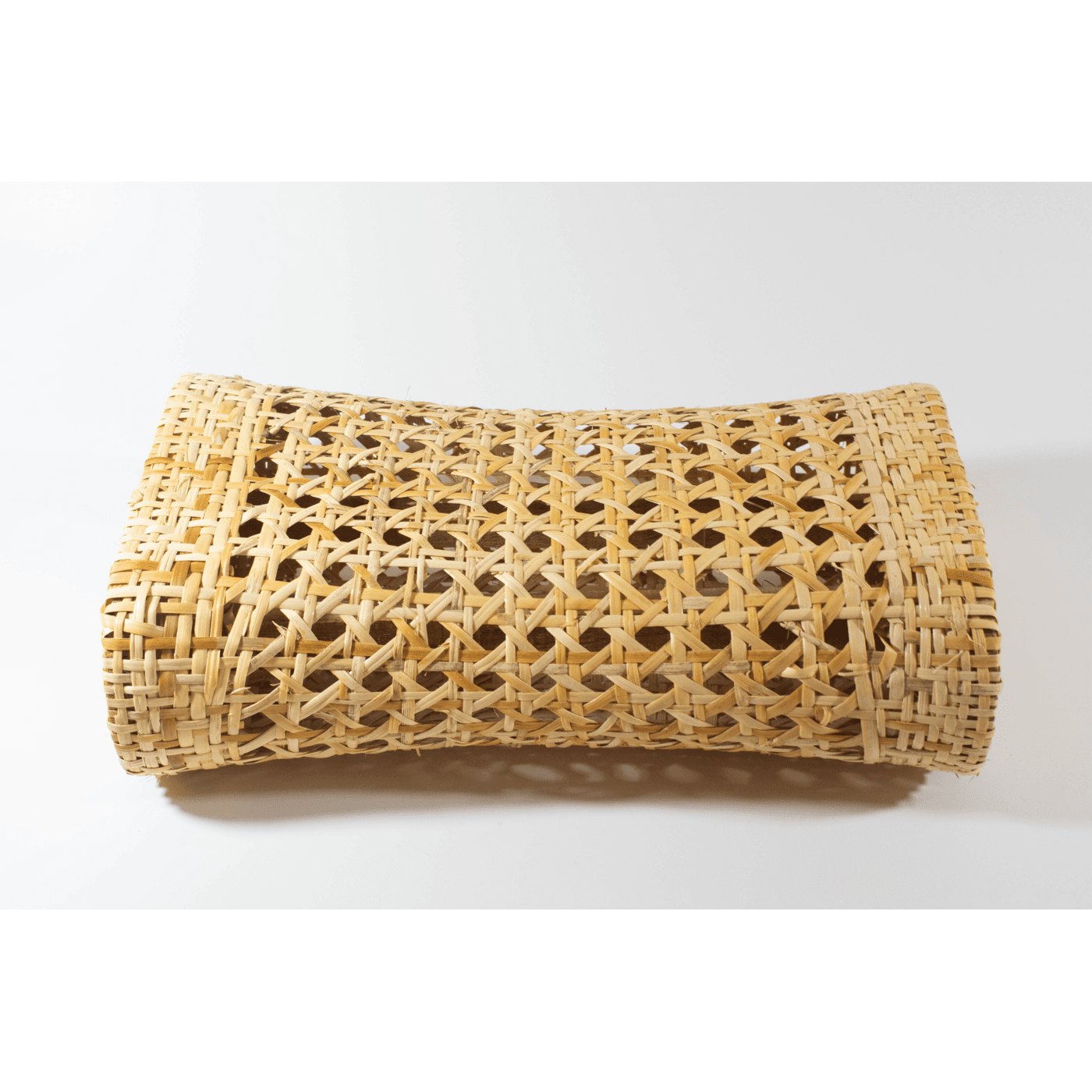
The mon wai is woven from rattan; the mon mai is made from a single hardwood plank.
3
3
Read from the source
Read from the source
"Once the tenons are cut on both sides of the plank, it separates into two leaves, held together by the tenons that were cut." (Sirindhorn Anthropology Centre, author พิชชา ทองขลิบ (Phitcha Thongkhlip), CC BY 4.0)
4
4
Plank
Plank
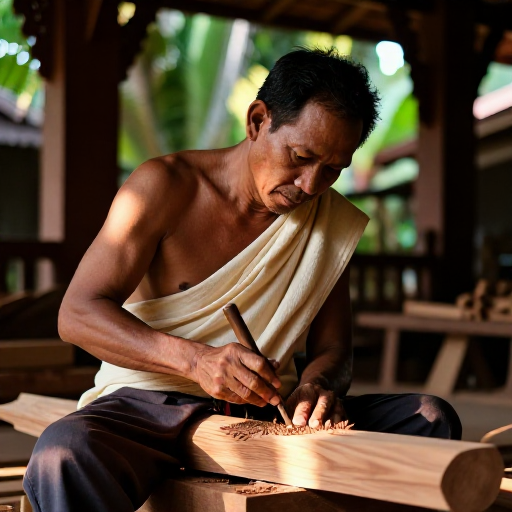
Use a hardwood such as chingchan, makha, daeng, pradu or teak. Cut an already-sawn plank 3-5 cm thick, 10-15 cm wide and 20-25 cm long. Plane both faces smooth.
Materials for this step:
 Hardwood Plank1 piece
Tools needed:
 Hand Plane
5
5
Split and cut the tenons
Split and cut the tenons
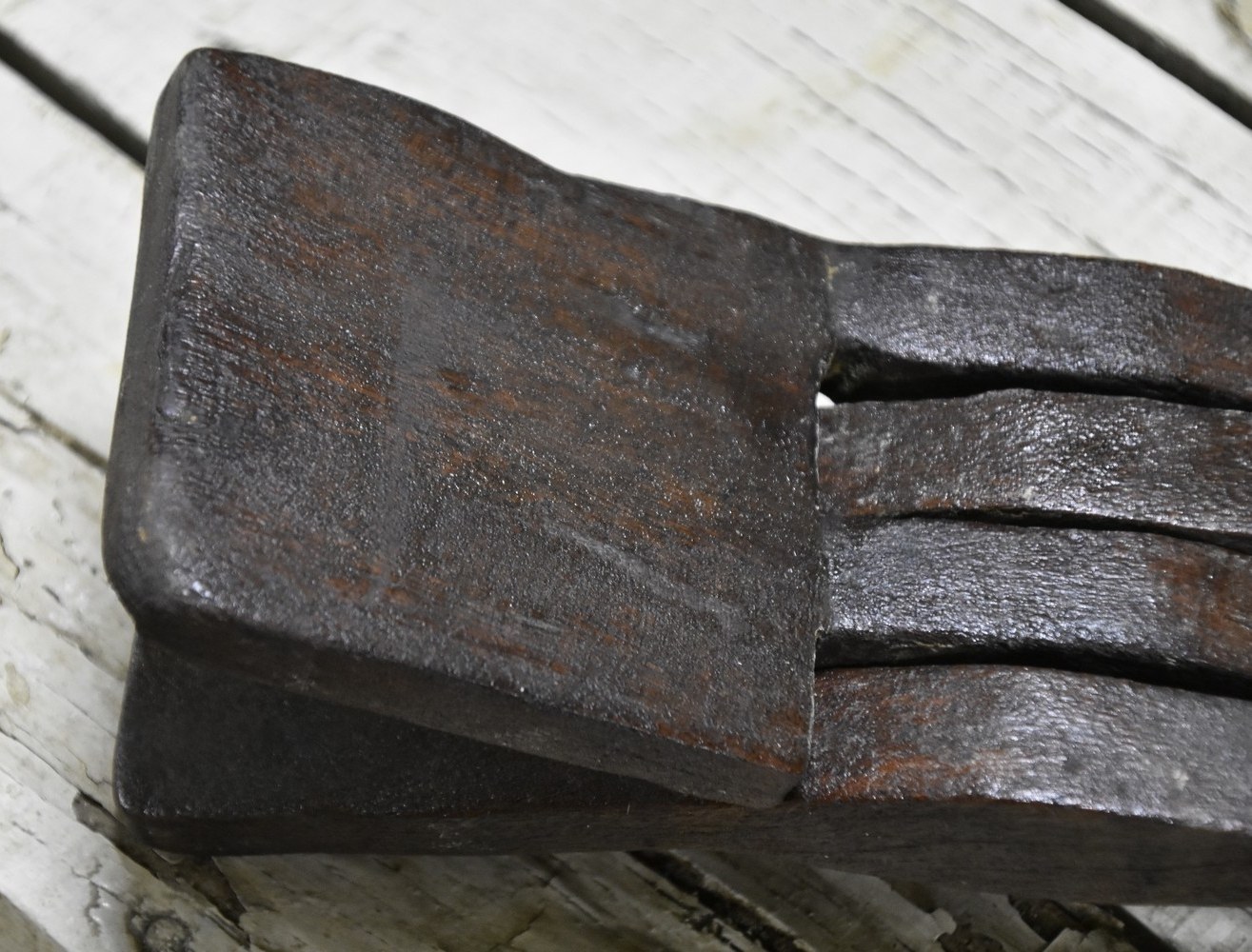
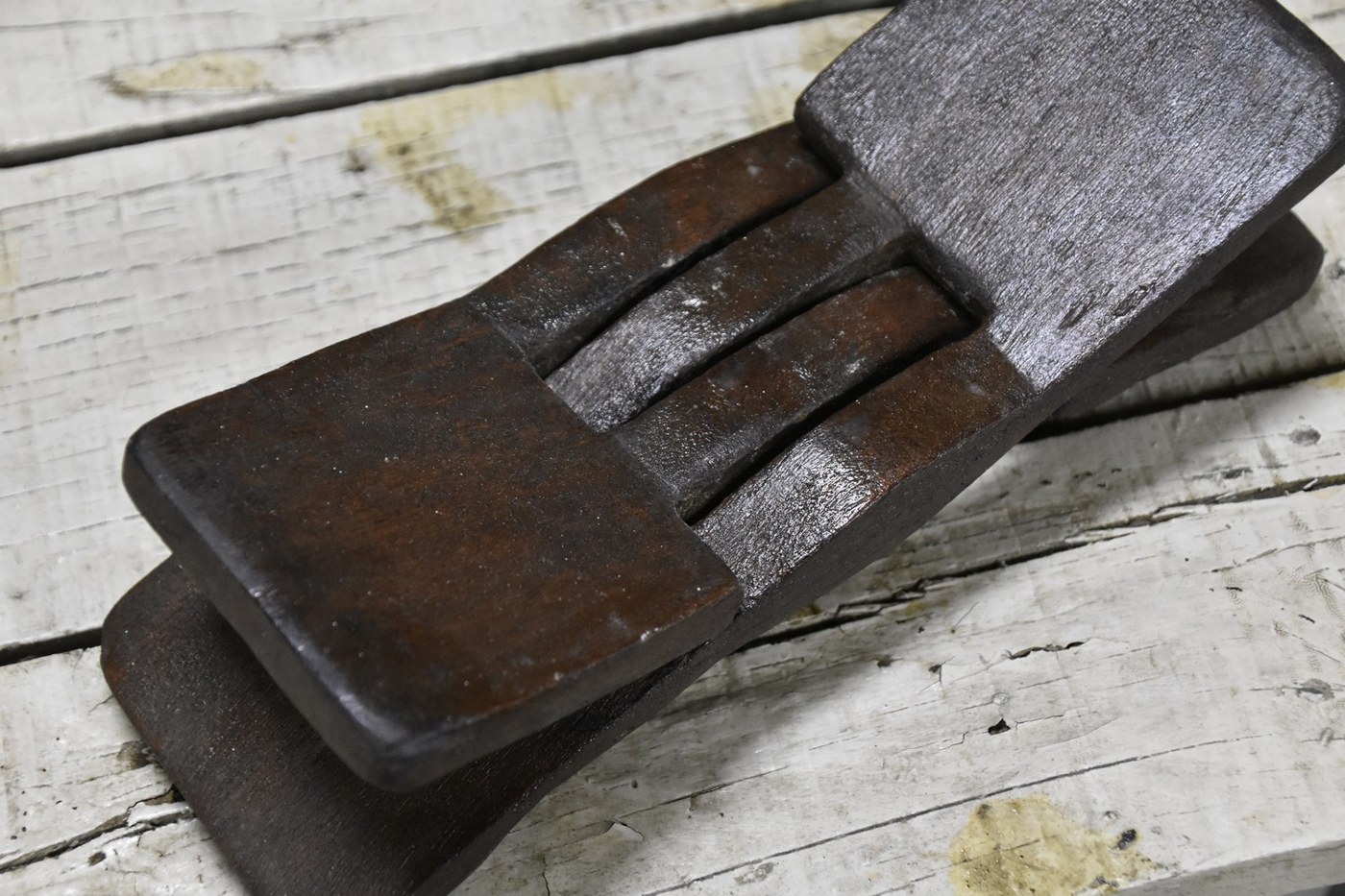
Split the plank (chak mai) from both ends into two leaves, but not all the way: leave about two inches in the middle. With a chisel cut about 5-6 interlocking tenons, alternating one by one and alternating sides of the plank, cut down to the split. Once both sides are cut, the plank separates into two leaves joined by the tenons.
Tools needed:
 Chisel Set - Wood
6
6
Sand
Sand
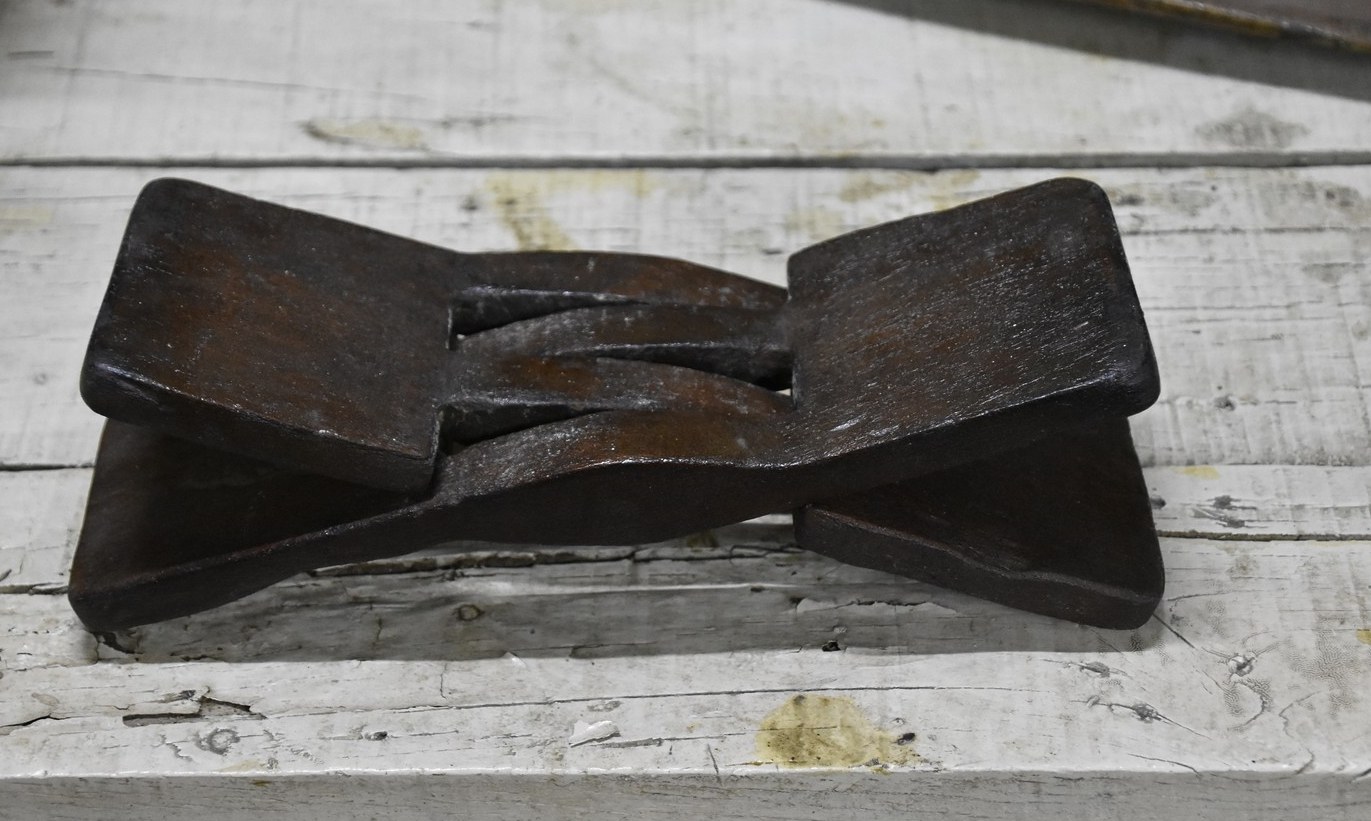
Sand the surface smooth with sandpaper; in the old days stingray skin was used.
Tools needed:
 Sandpaper
7
7
Real photos
Real photos
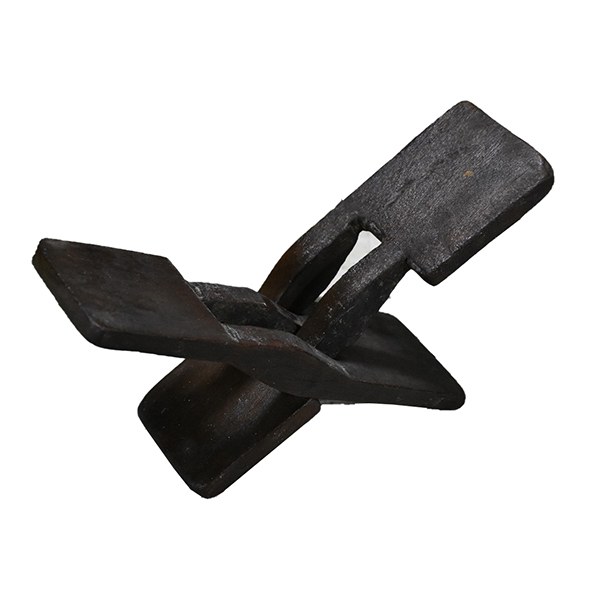
Photos of a real mon mai from the Wat Samrong Folk Museum (Sirindhorn Anthropology Centre, author พิชชา ทองขลิบ (Phitcha Thongkhlip), CC BY 4.0)
8
8
How it is used
How it is used
For use, set the two leaves crosswise; for storage, fold them flat into one plank. Elders often lay a sabai or pha khao ma over it so it does not hurt. It also serves as a book rest.
9
9
Troubleshooting
Troubleshooting
Troubleshooting the mon mai.
Flow
Loading...
10
10
History and limits
History and limits
During Buddhist Lent, elders make merit, chant and keep the precepts at the temple on every holy day, resting in the sala or the ordination hall after the midday meal, so the wooden pillow was made for them. Take care with the chisel when cutting the tenons.
Source: Sirindhorn Anthropology Centre, Traditional Objects of Everyday Use database, "หมอนไม้", author พิชชา ทองขลิบ (Phitcha Thongkhlip), Wat Samrong Folk Museum, Nakhon Pathom (CC BY 4.0 licence).
**Limits** The source gives no size for each tenon and does not name the tool used to split the plank.
Materials
1- 1 piecePlaceholder
Tools Required
3- Placeholder
- Placeholder
- Placeholder
Related Blueprints
These blueprints share knowledge with this one — techniques, materials, or principles that connect them in the learning graph.
CC0 Public Domain
This blueprint is released under CC0. You are free to copy, modify, distribute, and use this work for any purpose, without asking permission.
Support the Maker by purchasing products through their Blueprint where they earn a Maker Commission set by Vendors, or create a new iteration of this Blueprint and include it as a connection in your own Blueprint to share revenue.