ART
BEAUTY & WELLNESS
CRAFT
CULTURE & HISTORY
ENTERTAINMENT
ENVIRONMENT
FOOD & DRINKS
REVERSE ENGINEERING
SCIENCES
SPORTS
TECHNOLOGY
WEARABLES
Translated

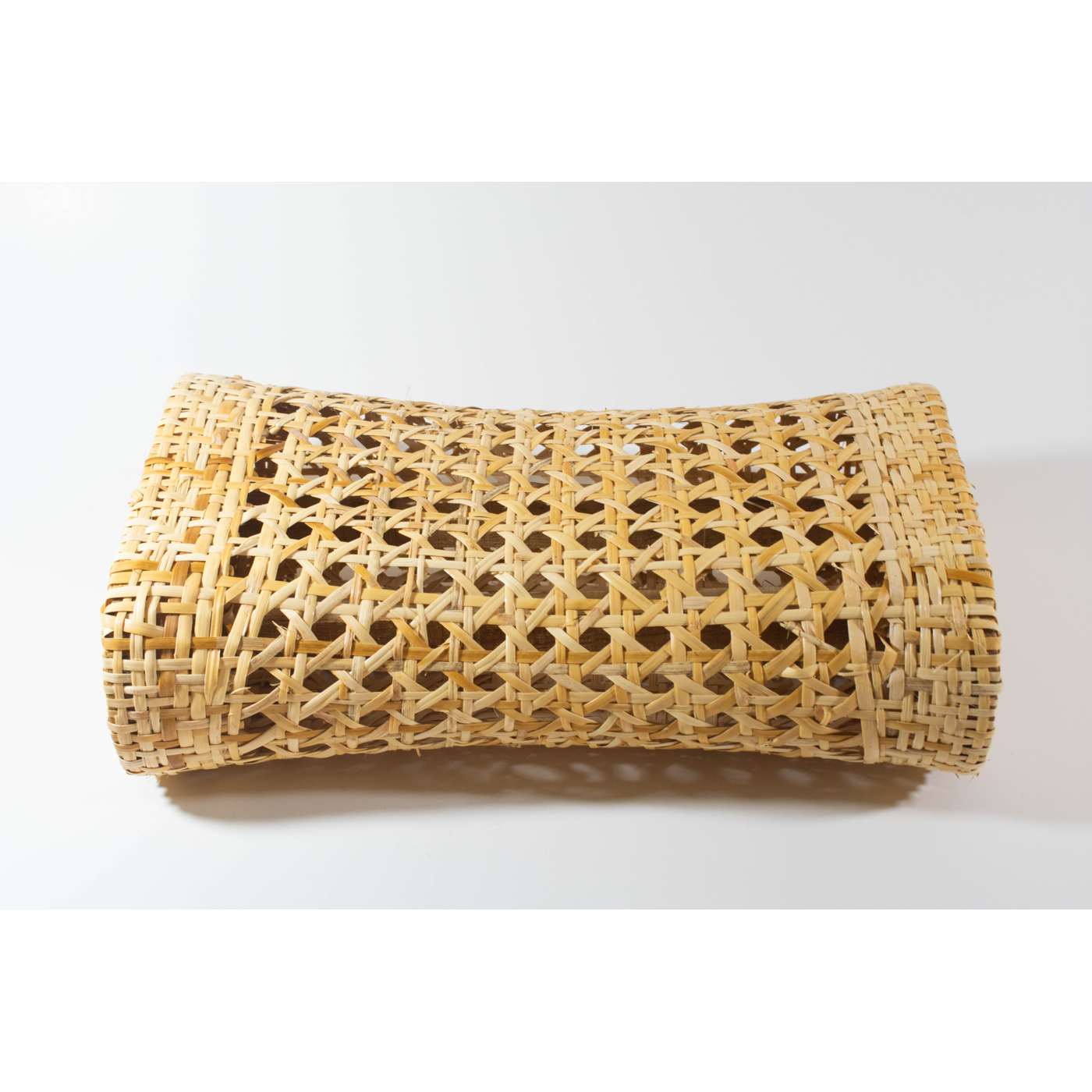
Mon Wai (Thai Rattan Pillow) — Rattan-Skin Strips Woven Round Two Wooden Cores, 30 × 15 × 8-10 cm, Light, Open and Airy
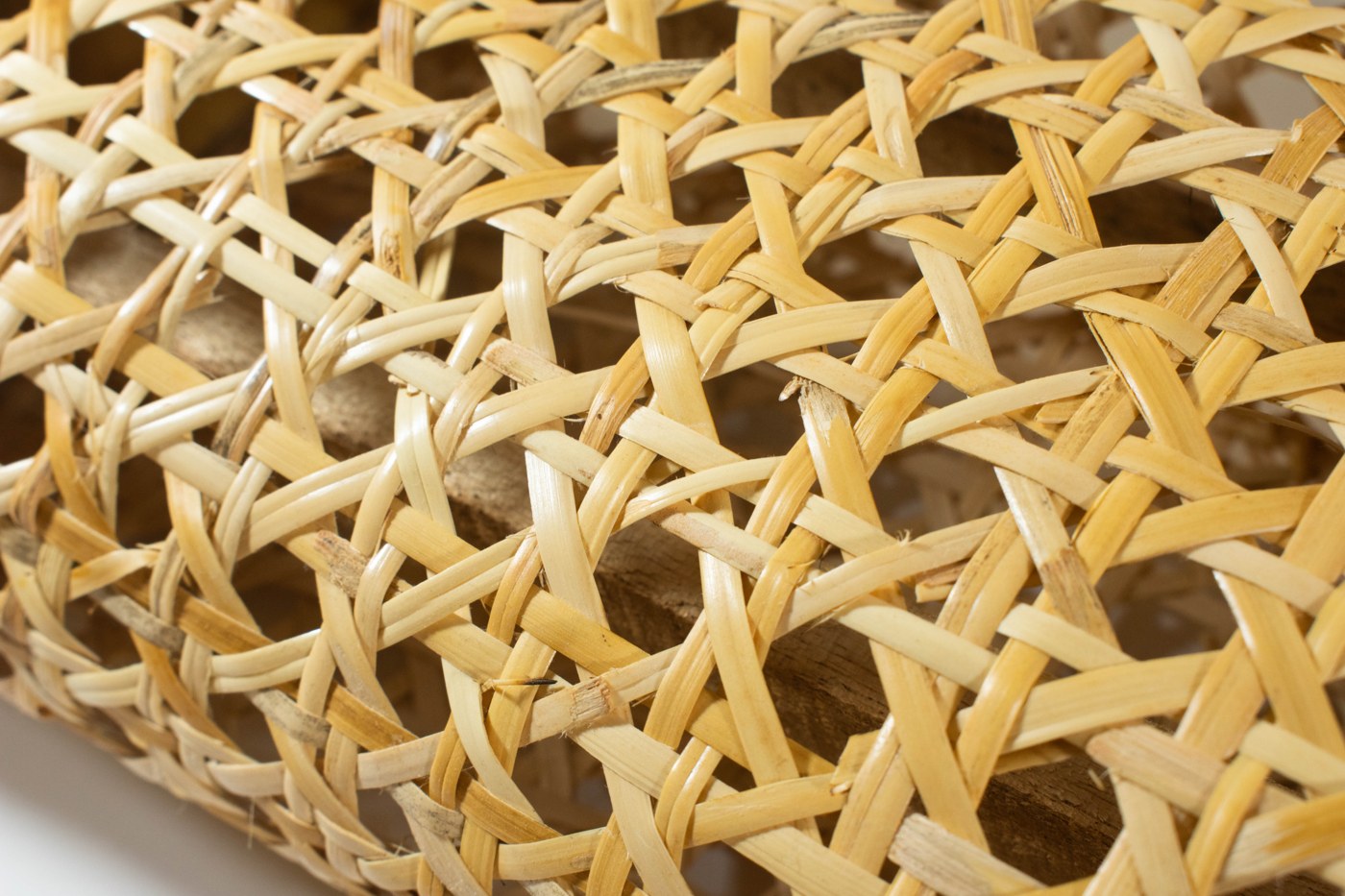
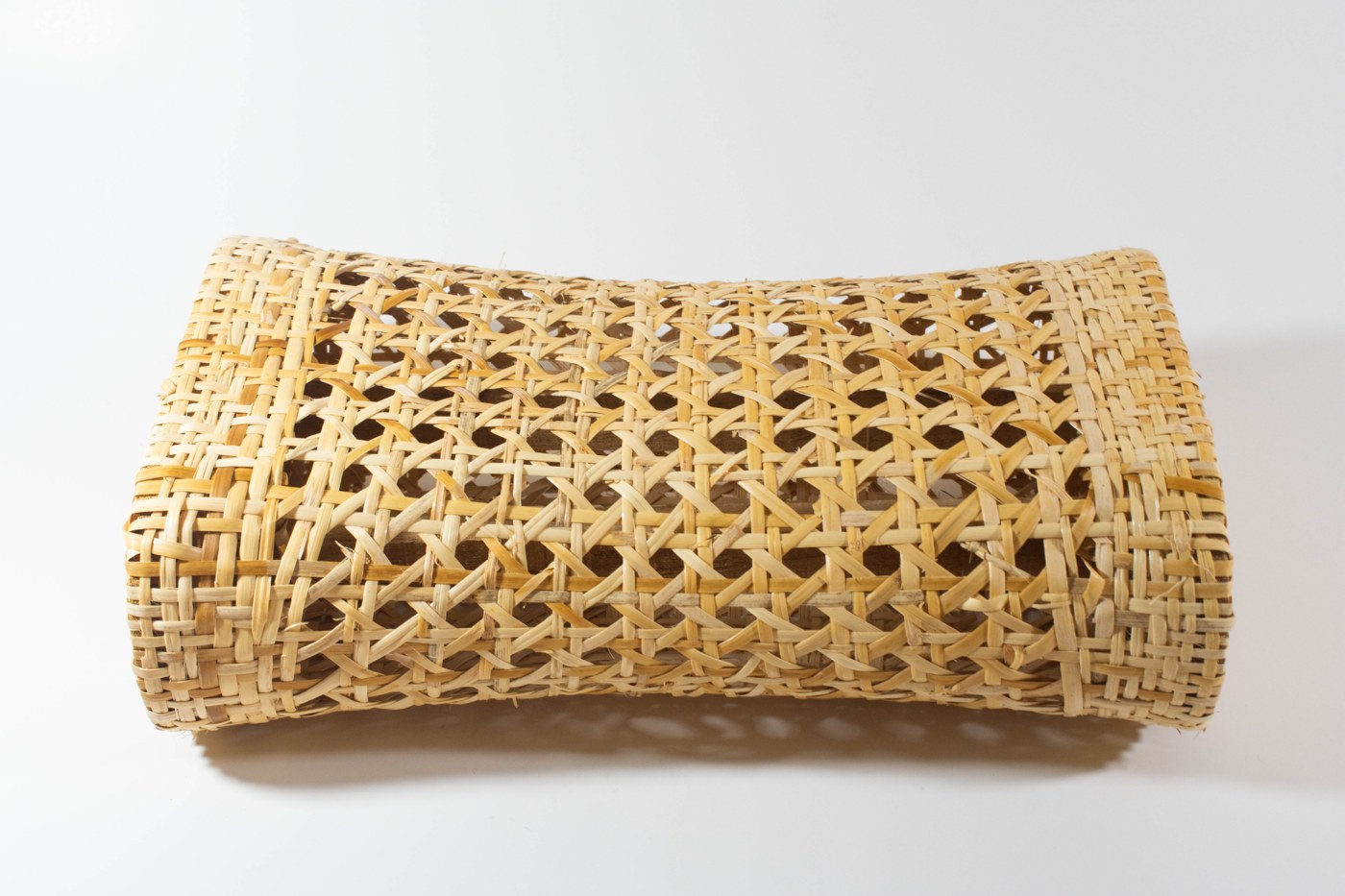
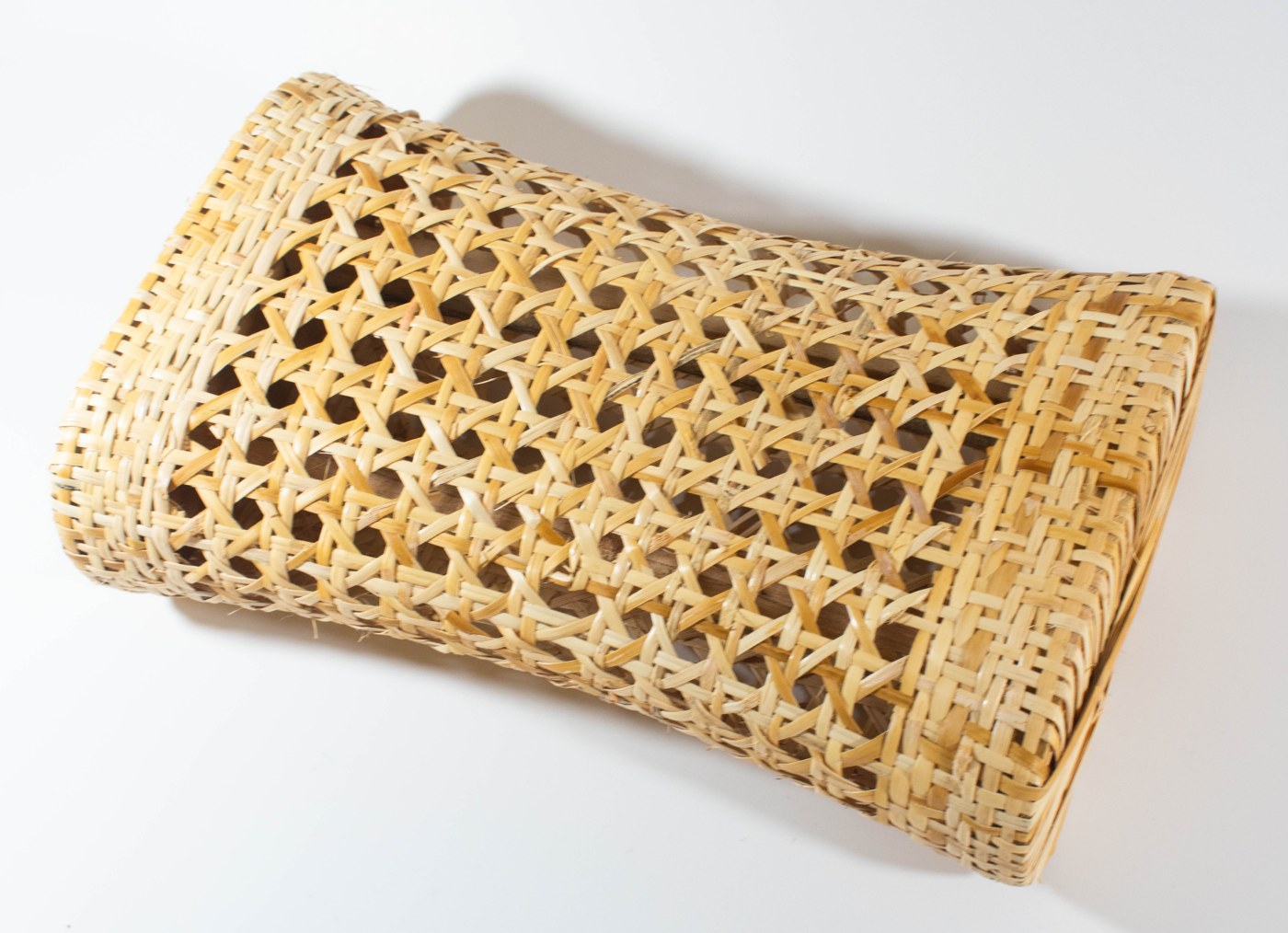
หมอนหวาย (mon wai) is woven from strips of rattan bark or rattan skin. It is light and open, so air passes through, and is easy to clean: just wash it and dry it in the sun. Inside, two wooden cores are stretched to hold its shape.
This blueprint weaves a real rattan pillow to the sizes in the source.
Intermediate
About 1-2 days
Instructions
1
1
Real sizes
Real sizes
Loading Jupyter Notebook...
2
2
Basketry, before it
Basketry, before it
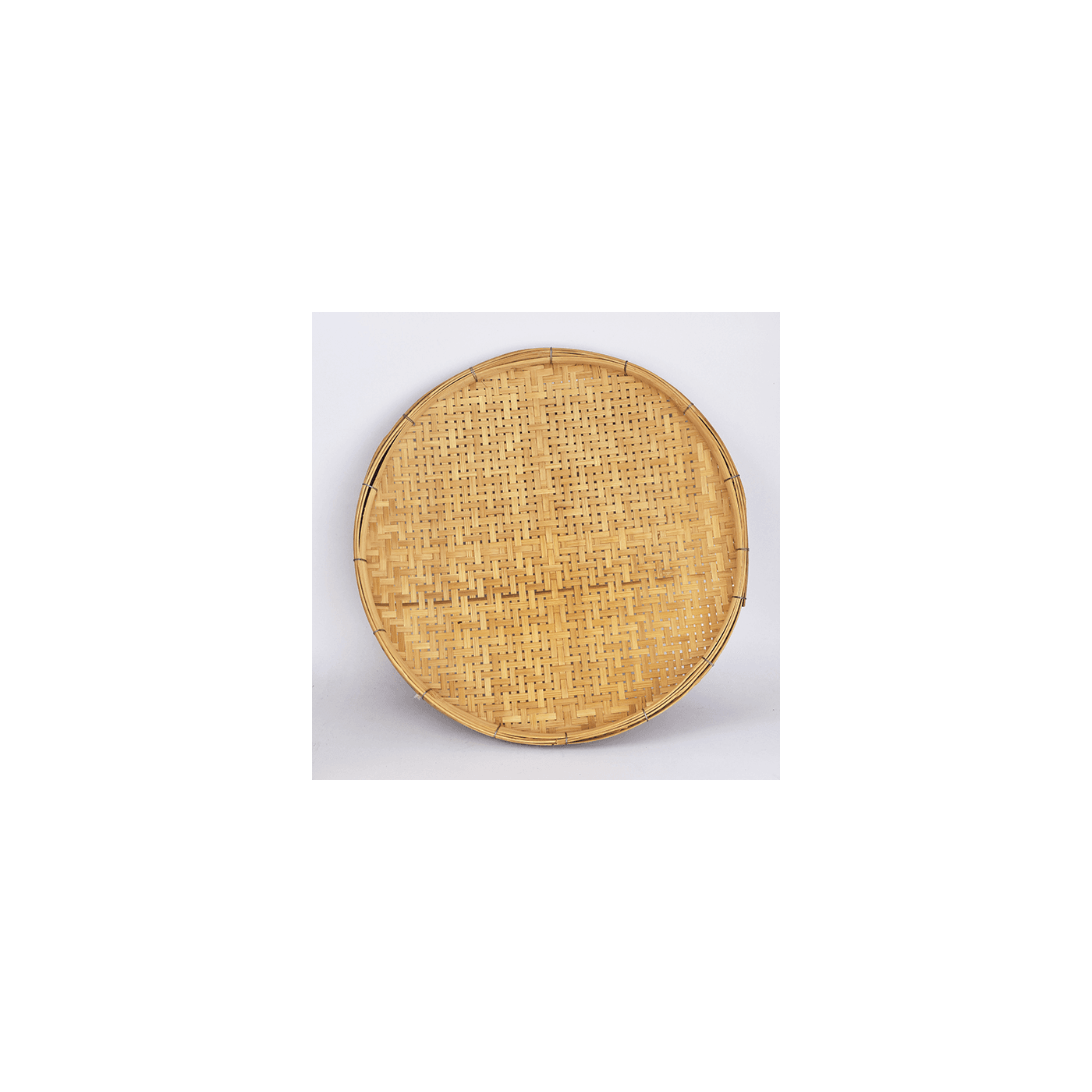
The kradong weaves bamboo strips into a flat tray; the rattan pillow weaves rattan strips into a box shape round wooden cores.
3
3
Read from the source
Read from the source
"Rattan pillows sold generally are woven from strips of rattan bark or rattan skin, 30 cm long, 15 cm wide and 8-10 cm high, in both close and open weaves. Inside, two wooden cores are stretched to keep the pillow in shape." (Sirindhorn Anthropology Centre, author ธันวดี สุขประเสริฐ (Thanwadi Sukprasoet), CC BY 4.0)
4
4
Split the rattan strips
Split the rattan strips
Use small rattan, no more than 1.5 cm across, such as wai hom or wai takha thong. Split and cut it with an e-to knife, then shave fine strips from the bark or skin with a mit tok strip knife.
Materials for this step:
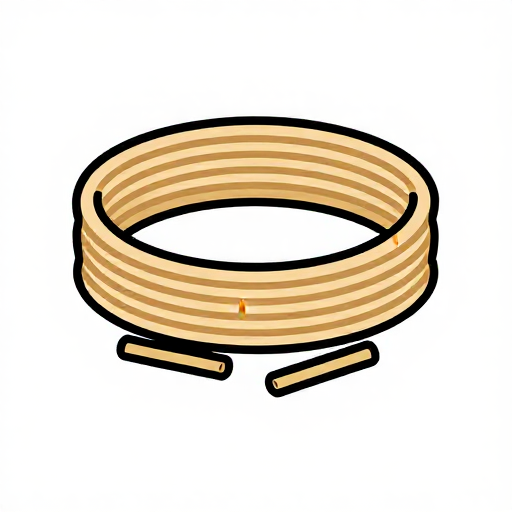 Rattan1 piece
Tools needed:
 Machete
 Knife
Knife5
5
Wooden cores
Wooden cores
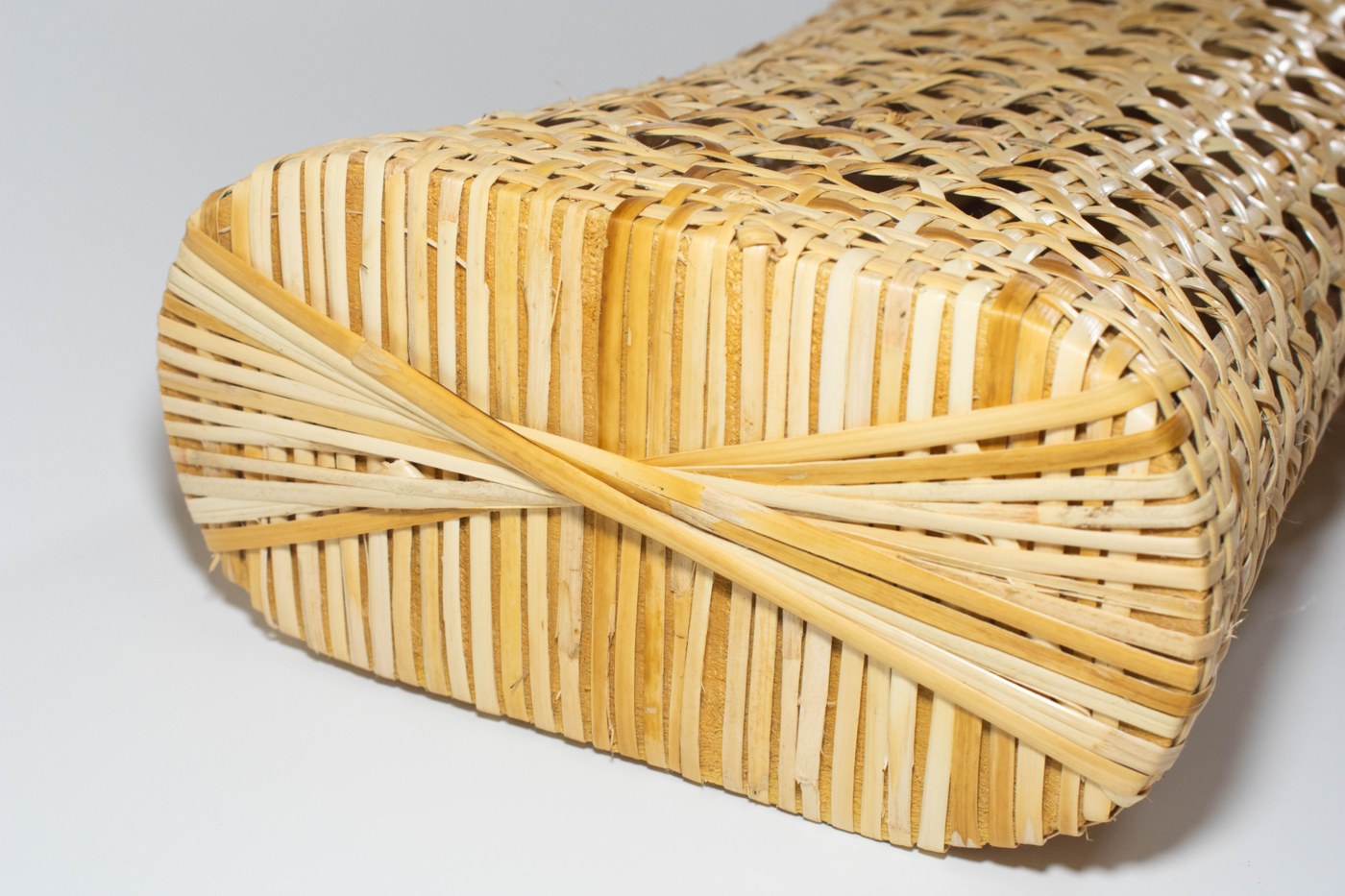
Prepare two wooden cores, stretched inside the pillow to hold its shape.
6
6
Weave
Weave
Weave it 30 cm long, 15 cm wide and 8-10 cm high: a close pillow in plain or twill weave (lai khat, lai song), an open one in diagonal weave (lai thaeng). Pierce holes with a lek mat awl to thread rattan for tying the structure and rim, and hold the edge with a wooden clamp while weaving.
Tools needed:
 Awl
Awl7
7
Real photos
Real photos
Photos of a real open-weave rattan pillow (Sirindhorn Anthropology Centre, author ธันวดี สุขประเสริฐ (Thanwadi Sukprasoet), CC BY 4.0).
8
8
How it is used
How it is used
Use it as a head rest; the open pillow lets air through and stays cool. Clean it by washing with water and drying it in the sun.
9
9
Troubleshooting
Troubleshooting
Troubleshooting the rattan pillow.
Flow
Loading...
10
10
History and limits
History and limits
Rattan is a climbing palm, softer than wood but tough, bending well and keeping its shape; villagers weave everything from containers to furniture with it. Large rattan, 2-5 cm across, makes tables, chairs and hammocks; small rattan is split into strips for baskets, takraw balls, khan tok trays and pillows. Take care with the knife and the sharp awl.
Source: Sirindhorn Anthropology Centre, Traditional Objects of Everyday Use database, "หมอนหวาย", author ธันวดี สุขประเสริฐ (Thanwadi Sukprasoet) (CC BY 4.0 licence).
**Limits** The source gives no weaving order and no size or position for the wooden cores, and there is no listing for rattan, so it is named in the text.
Related Blueprints
These blueprints share knowledge with this one — techniques, materials, or principles that connect them in the learning graph.
CC0 Public Domain
This blueprint is released under CC0. You are free to copy, modify, distribute, and use this work for any purpose, without asking permission.
Support the Maker by purchasing products through their Blueprint where they earn a Maker Commission set by Vendors, or create a new iteration of this Blueprint and include it as a connection in your own Blueprint to share revenue.