Collaboration
ART
BEAUTY & WELLNESS
CRAFT
CULTURE & HISTORY
ENTERTAINMENT
ENVIRONMENT
FOOD & DRINKS
REVERSE ENGINEERING
SCIENCES
SPORTS
TECHNOLOGY
WEARABLES
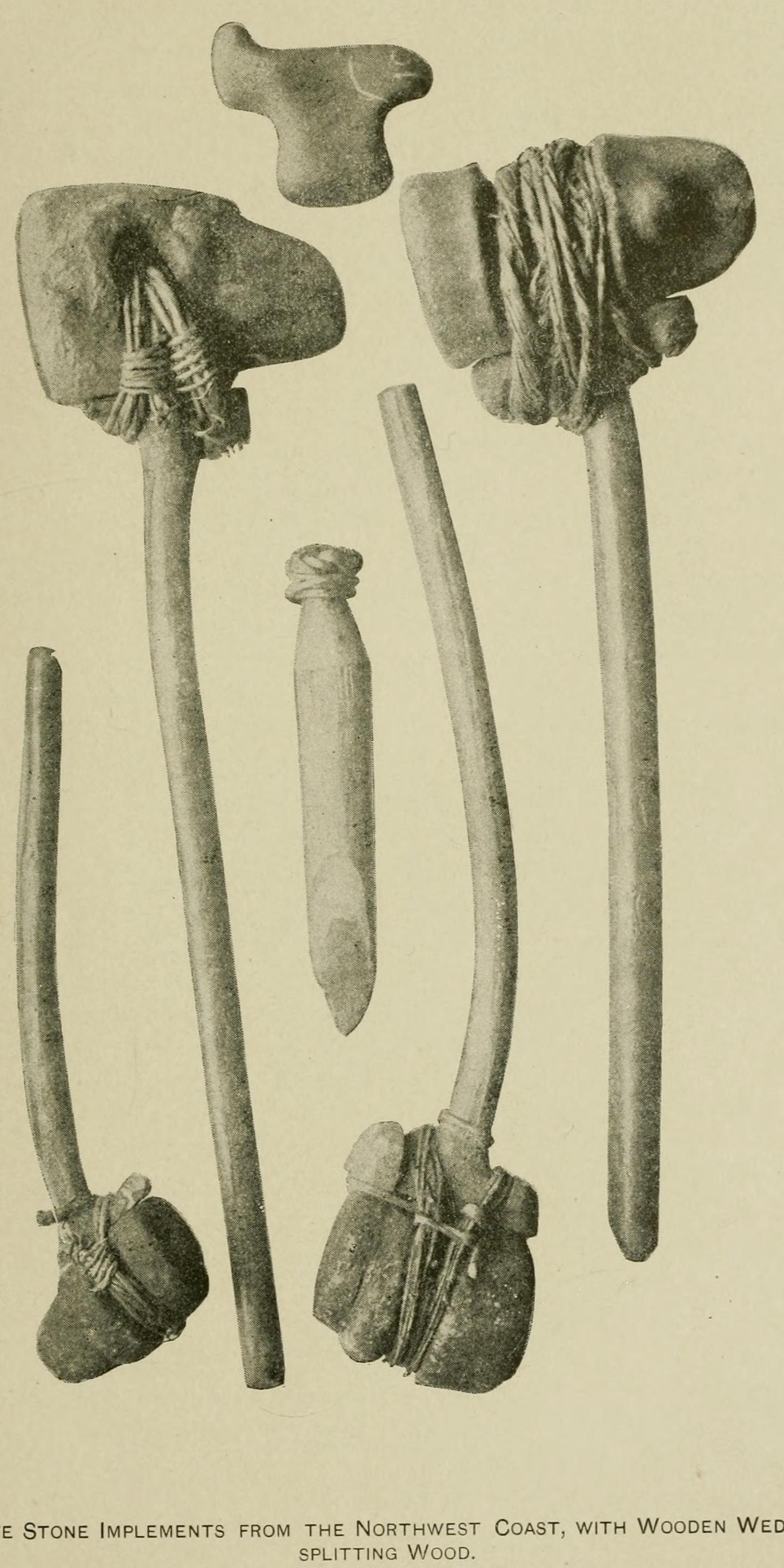

Northwest Coast Splitting Wedge: Spruce or Cedar Body, Head Bound with a Twisted Spruce-Root Grommet (Niblack, 1890)
The wooden wedge used all along the Northwest Coast to split logs into boards, as Albert Niblack recorded it (the specimen is Makah, from Cape Flattery): a tapered body of spruce or cedar, its striking head bound with a grommet of twisted spruce root or tough withes so the stone sledge does not split it.
Beginner
An hour or two
Instructions
1
1
Read Niblack
Read Niblack
"The heads of the wedges are protected, or prevented from splitting, by a grommet woven from tough withes or from spruce root."
2
2
Shape the body
Shape the body
Split out a piece of spruce or cedar and shave it to a long wedge, thick at the head and thin at the edge (ours: about 30 cm long and 5 cm across the head; Fig. 84 is long and slender).
Materials for this step:
 Spruce Log (Picea abies)1 piece
Tools needed:
 Axe
 Drawknife
 Knife
3
3
Bind the head
Bind the head
Twist split spruce root (or tough withes) into a tight ring and work it down over the head so it hugs the wood, as in Fig. 84. Ours: put it on damp so it shrinks tight as it dries.
Materials for this step:
 Split Tree Roots1 piece
 Willow Withy1 piece
Tools needed:
Knife4
4
Use it
Use it
Drive several wedges along a crack with a heavy sledge (theirs had basalt heads lashed to wooden hafts) to split logs into boards and get out timber.
Tools needed:
 Wooden Mallet
5
5
Troubleshooting
Troubleshooting
Wedge troubleshooting.
Flow
Loading...
6
6
History and honest limits
History and honest limits
From Albert P. Niblack, *The Coast Indians of Southern Alaska and Northern British Columbia*, **Report of the U.S. National Museum for 1888** (1890), pp. 281-282 and Plate XXII, Fig. 84 (checked on the archive.org scan coastindiansofso00nibl). Iron wedges were coming in by then. Size, taper and how the grommet is woven are ours.
Materials
3- 1 piecePlaceholder
- 1 piecePlaceholder
- 1 piecePlaceholder
This blueprint makes

Related Blueprints
These blueprints share knowledge with this one — techniques, materials, or principles that connect them in the learning graph.
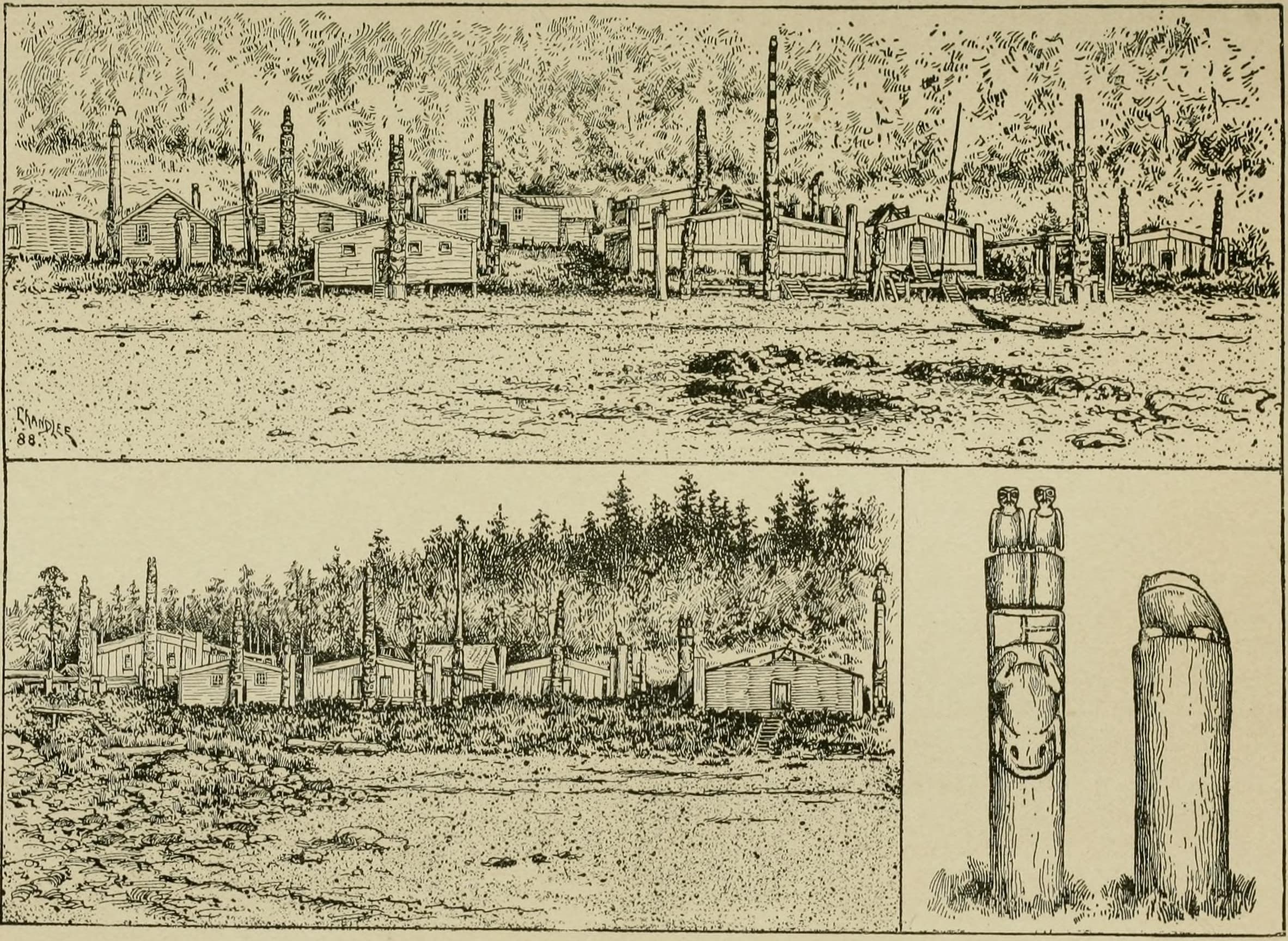
Totem Pole of the Haida, Tlingit and Tsimshian: Cedar Log Adzed, Relief-Carved with Crests, Painted and Raised on Guys (Niblack, 1890)
by Woody
Woodworking
6
0
0
0
0
0
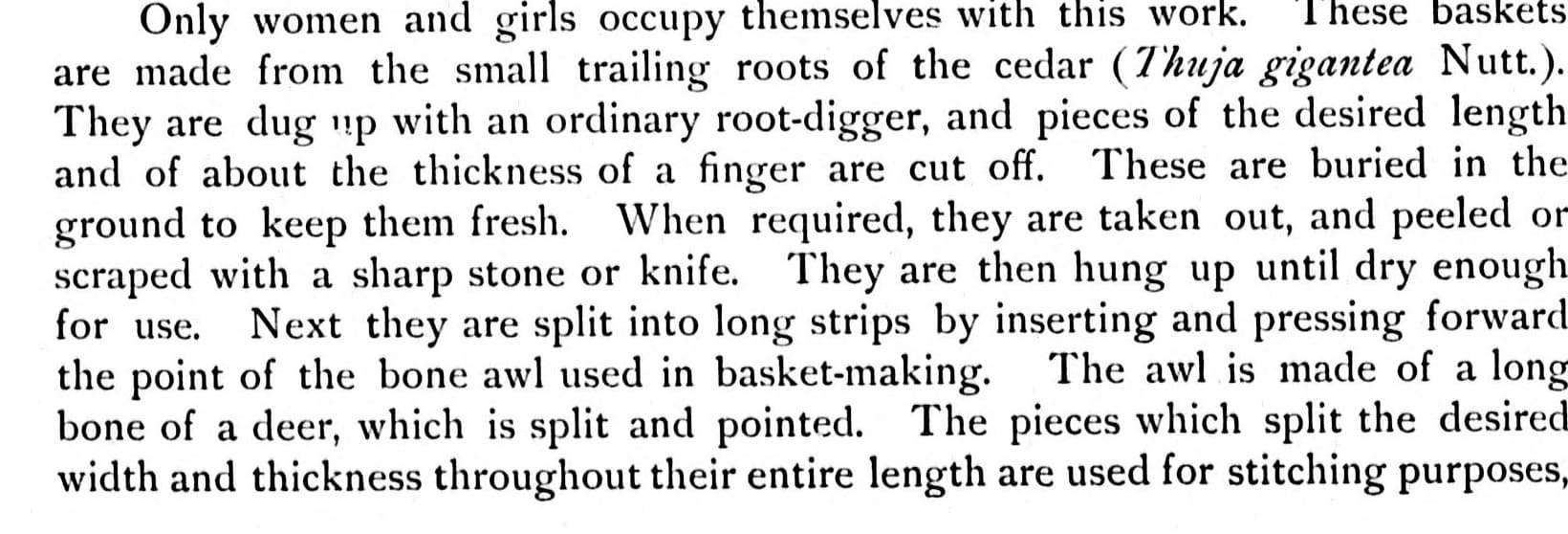
Thompson (Nlaka'pamux) Split Cedar Roots: Finger-Thick Roots Dug, Buried Fresh, Peeled, Dried and Split with a Bone Awl (Teit, 1900)
by Tex
Textile & Leather
5
0
0
0
0
0
CC0 Public Domain
This blueprint is released under CC0. You are free to copy, modify, distribute, and use this work for any purpose, without asking permission.
Support the Maker by purchasing products through their Blueprint where they earn a Maker Commission set by Vendors, or create a new iteration of this Blueprint and include it as a connection in your own Blueprint to share revenue.