ART
BEAUTY & WELLNESS
CRAFT
CULTURE & HISTORY
ENTERTAINMENT
ENVIRONMENT
FOOD & DRINKS
REVERSE ENGINEERING
SCIENCES
SPORTS
TECHNOLOGY
WEARABLES
Translated

Sai (Thai Bamboo Fish Trap) — a Rocket-Shaped Trap of Bamboo Strips With Two Opposed Funnels, Catching Fish Moving Either Way Through Paddy Drains
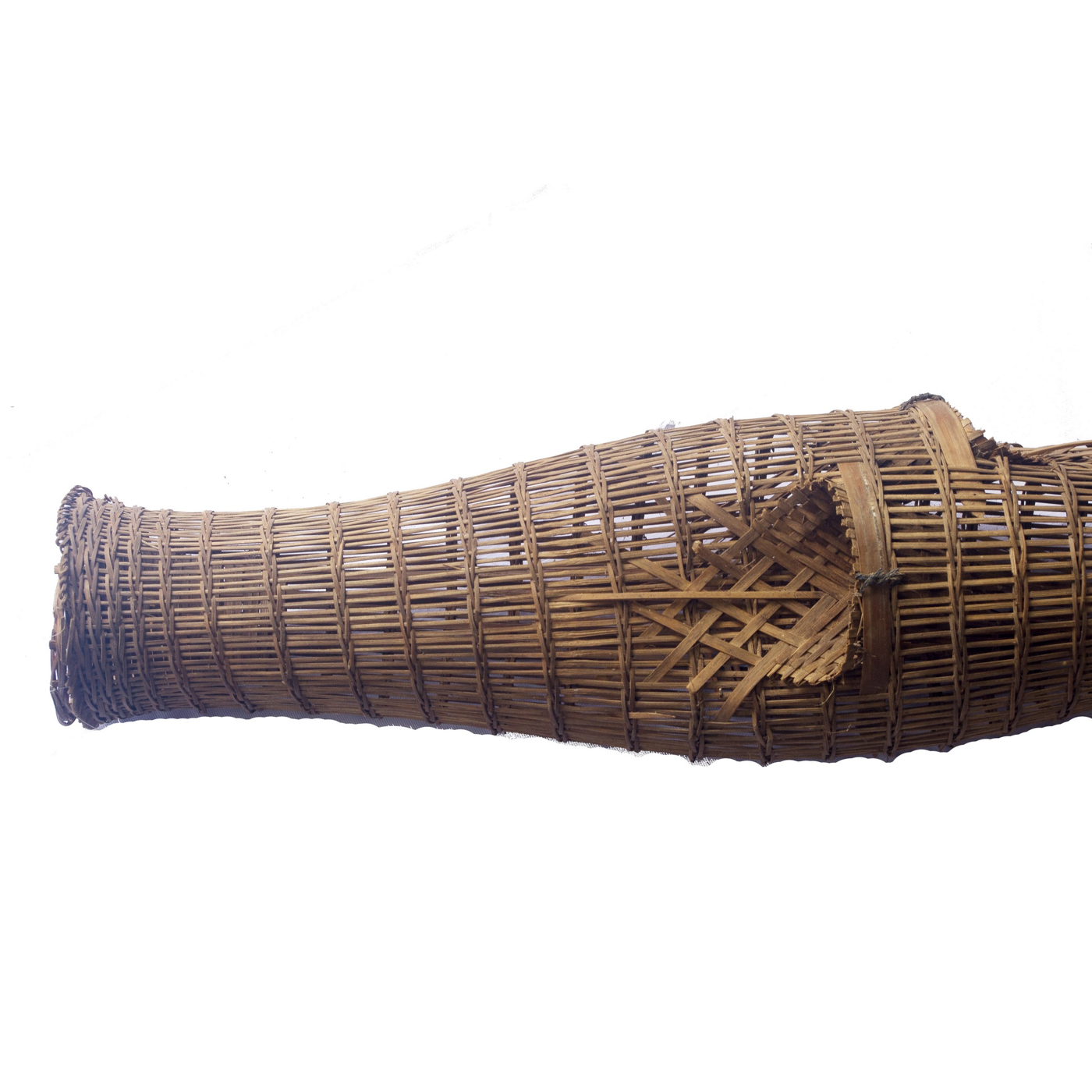
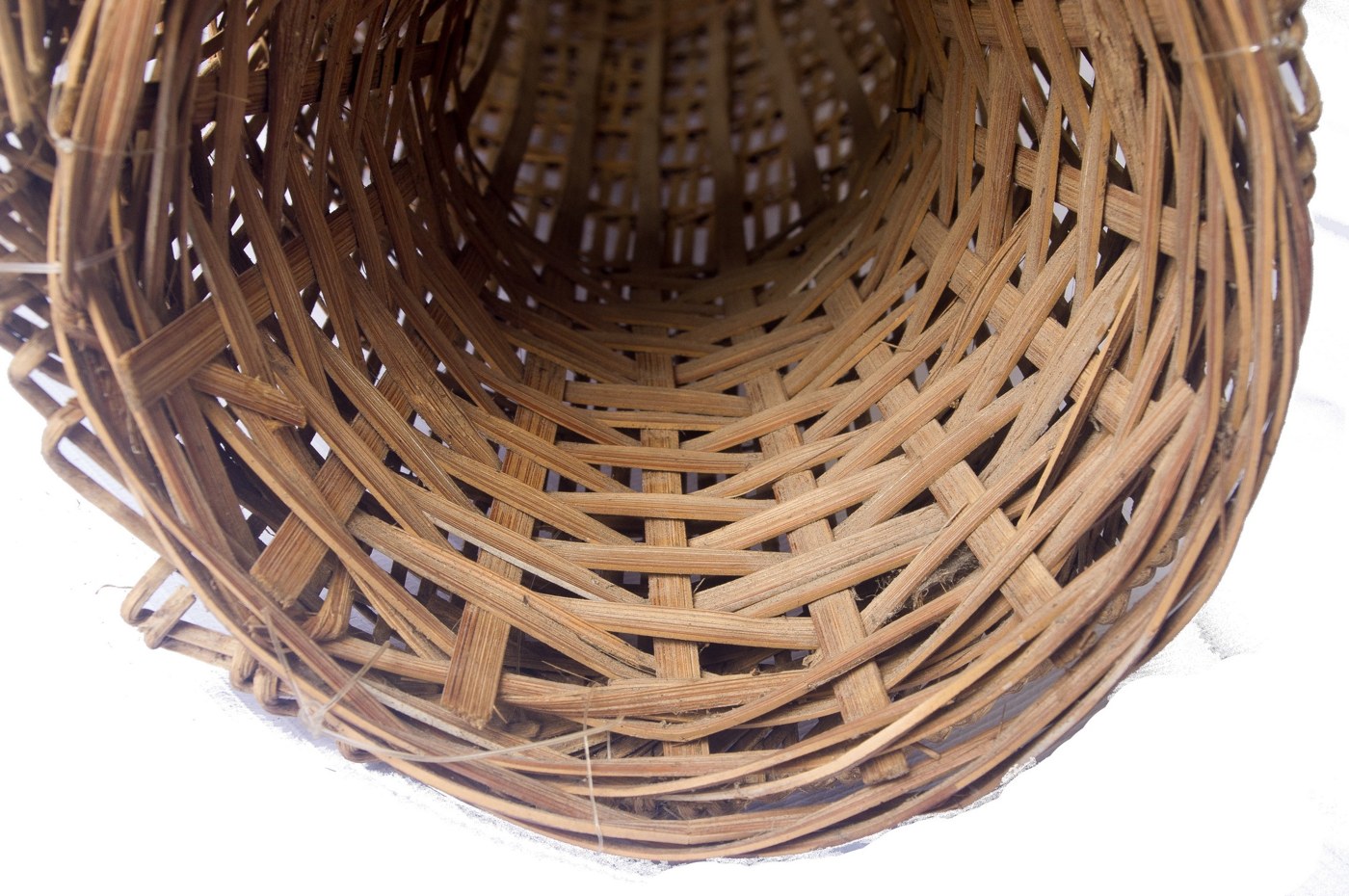
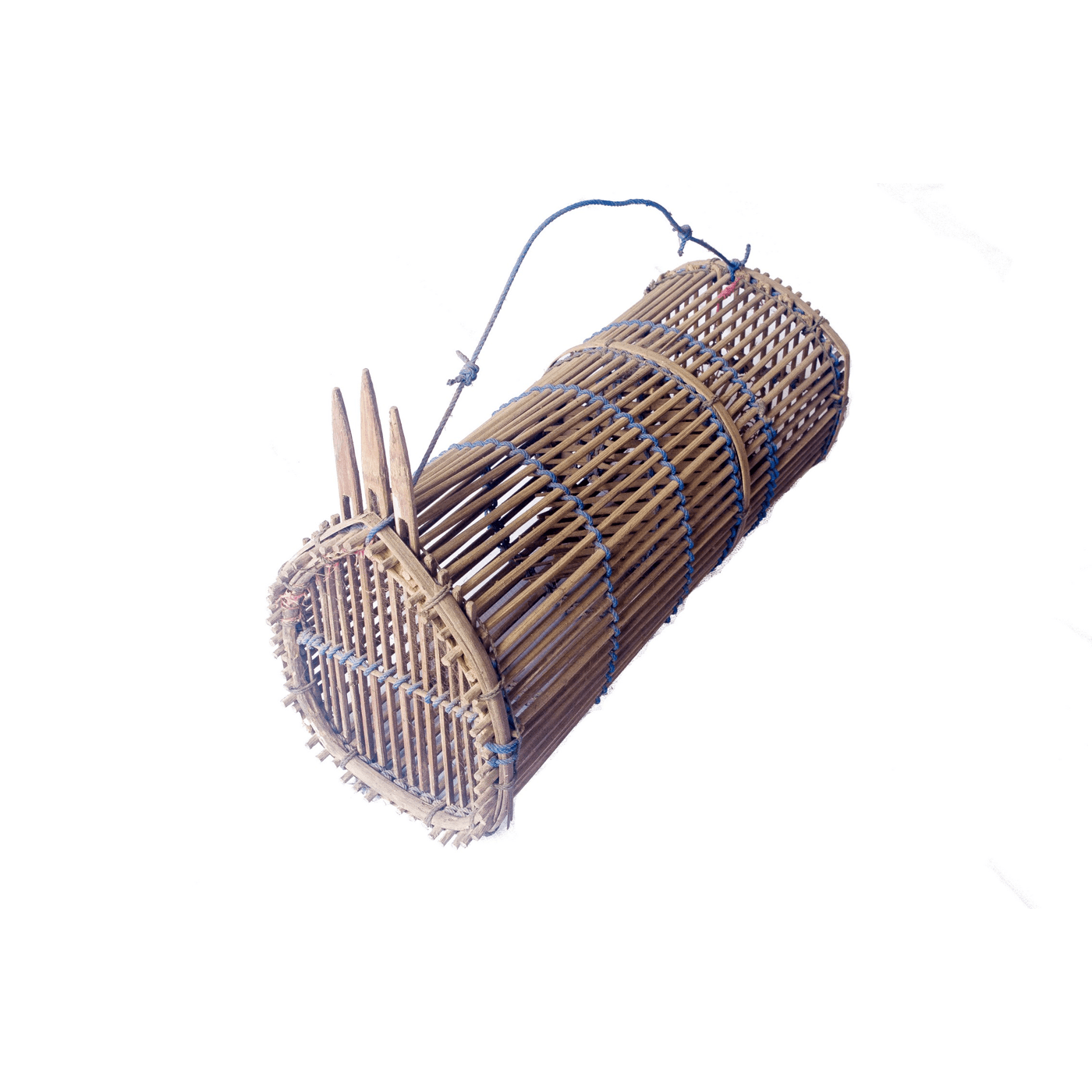
ไซ (sai) is a trap for water animals, set in small drainage channels between rice paddies. It has a pointed end and a cylindrical body narrowing at the back into a round tube, shaped like a rocket.
This blueprint makes a real sai to the sizes in the source.
Intermediate
About 2 days
Instructions
1
1
Real sizes
Real sizes
Loading Jupyter Notebook...
2
2
Traps, before it
Traps, before it
The lop has funnels facing one way; the sai has two funnels set in opposite directions, catching fish going both up and down.
3
3
Read from the source
Read from the source
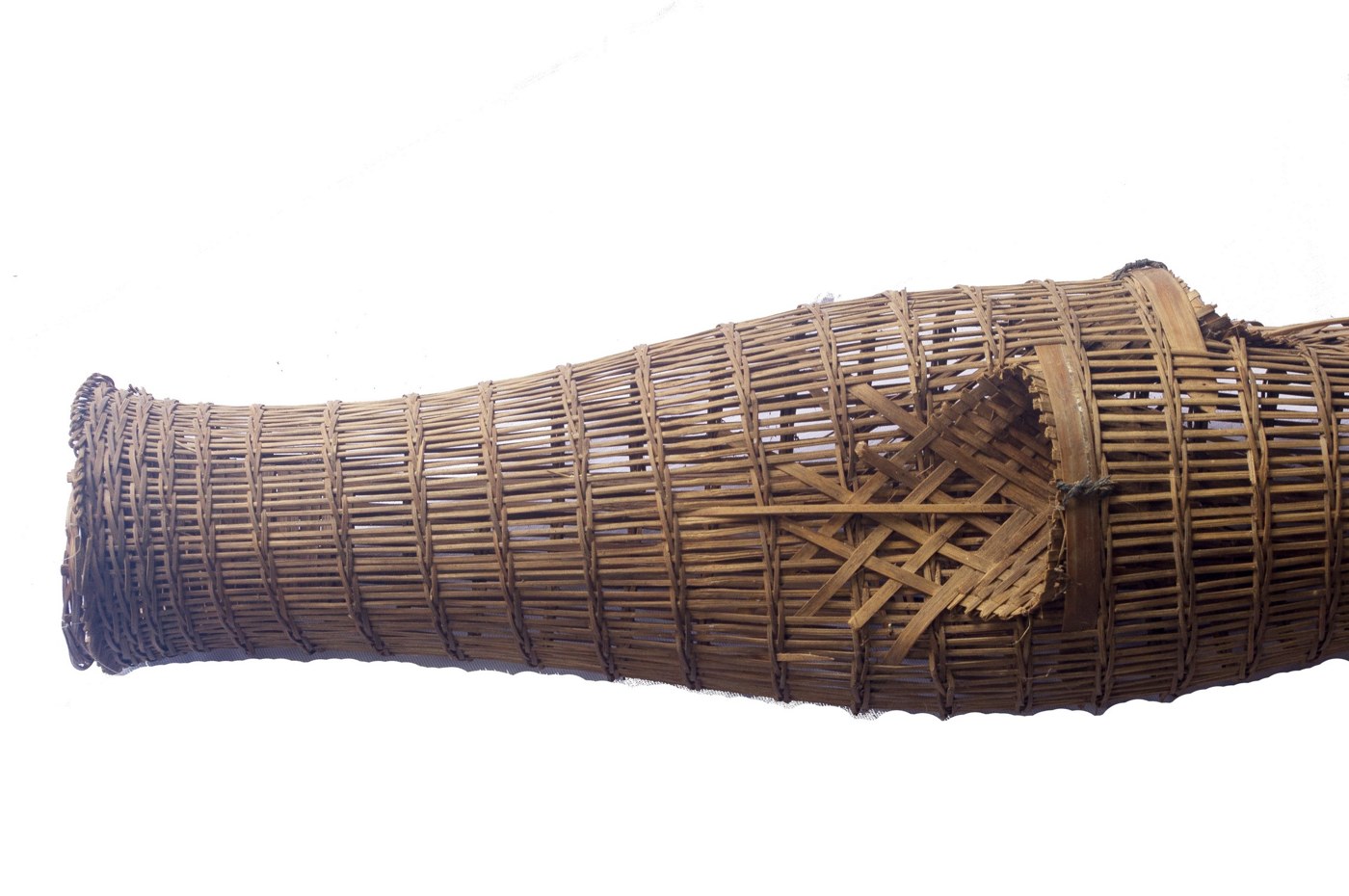
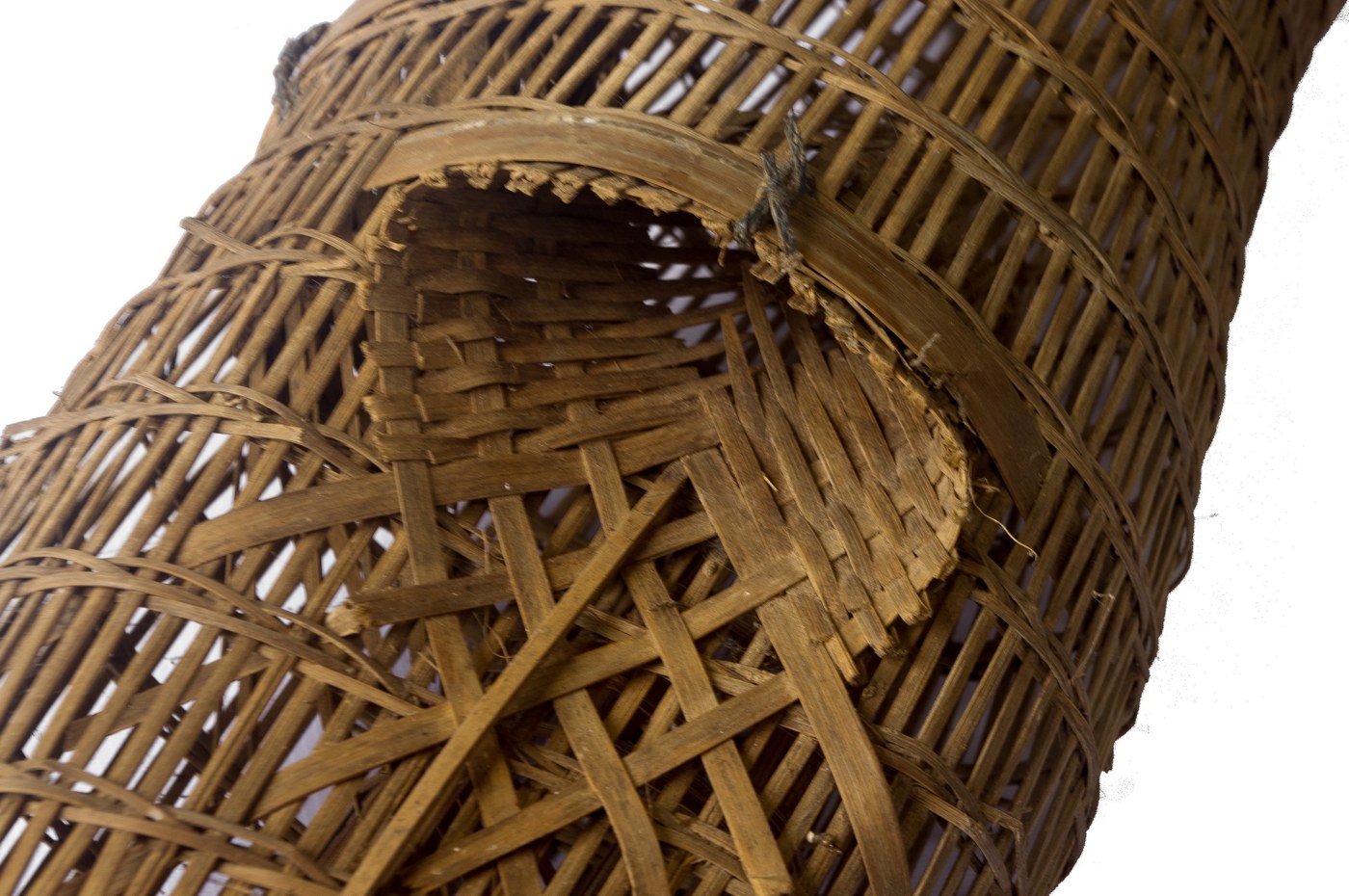
"Above the last hoop, the side of the sai is cut open and a funnel made beforehand is fitted, with the tips of its slats pointing towards the front of the sai; above the next hoop, the side is cut slightly offset and a funnel fitted with its tip pointing towards the back. So the funnels are set in opposite directions." (Sirindhorn Anthropology Centre, author ทำนุ วรธงไชย (Thamnu Worathongchai), CC BY 4.0)
4
4
Strips and hoops
Strips and hoops
Whittle bamboo into round strips about 120 cm long. Make round hoops, called kong or plok, about 20 cm across from branches of the khoi tree or from whittled wood bent round, or weave the hoops from flat strips five at a time (the "plok ha" pattern).
Materials for this step:
 Bamboo Poles1 piece
Tools needed:
 Machete
 Knife
Knife5
5
The body
The body
Tie the upright strips round the hoops at intervals; between the hoops bind the strips all round with cord so they are evenly spaced. At the end draw the strips together and bind them tight with cord, and finally make a round tube about 10 cm across, bound tight with flat strips, as the tail of the sai.
Materials for this step:
 Cotton Twine1 piece
6
6
The two funnels
The two funnels
Cut open the side above the last hoop and fit a funnel with its tips pointing towards the front of the sai; then cut the side above the next hoop, slightly offset, and fit a second funnel with its tip pointing towards the tail.
7
7
Real photos
Real photos
Photos of a real sai from the Nong Bua Khok Folk Museum (Sirindhorn Anthropology Centre, author ทำนุ วรธงไชย (Thamnu Worathongchai), CC BY 4.0).
8
8
How it is used
How it is used
Set the sai in the early rains after transplanting, in a drainage cut through a paddy bund. Lay it with the funnel side flat on the bottom and the tail facing the current, so the funnels lie left and right just off the ground. Shape the earth so fish must enter the funnels from both sides. Cover the top with clumps of grass, earth and pieces of wood, and plug the tail with a roll of grass. Check it from time to time; when it has caught something, lift it, pull out the grass plug and pour the catch into the fish basket.
9
9
Troubleshooting
Troubleshooting
Troubleshooting the sai.
Flow
Loading...
10
10
History and limits
History and limits
Funnels set in opposite directions suit the fish that swarm in the new water, swimming up and down with the current. Near harvest, when the farmers drain the paddies and the fish return to the big swamps, the sai is used to cut them off on the way. The "sai plok ha", with hoops woven in the five-strip pattern, is now very rarely seen, and the skill of the master weavers is slowly being lost. Take care with spiny fish and crabs when emptying it.
Source: Sirindhorn Anthropology Centre, Traditional Objects of Everyday Use database, "ไซ", author ทำนุ วรธงไชย (Thamnu Worathongchai), Nong Bua Khok Folk Museum, Buriram (CC BY 4.0 licence).
**Limits** The source does not give the number of strips or hoops, or the size of the funnels.
Materials
2- 1 piecePlaceholder
- 1 piecePlaceholder
Related Blueprints
These blueprints share knowledge with this one — techniques, materials, or principles that connect them in the learning graph.
CC0 Public Domain
This blueprint is released under CC0. You are free to copy, modify, distribute, and use this work for any purpose, without asking permission.
Support the Maker by purchasing products through their Blueprint where they earn a Maker Commission set by Vendors, or create a new iteration of this Blueprint and include it as a connection in your own Blueprint to share revenue.