ART
BEAUTY & WELLNESS
CRAFT
CULTURE & HISTORY
ENTERTAINMENT
ENVIRONMENT
FOOD & DRINKS
REVERSE ENGINEERING
SCIENCES
SPORTS
TECHNOLOGY
WEARABLES
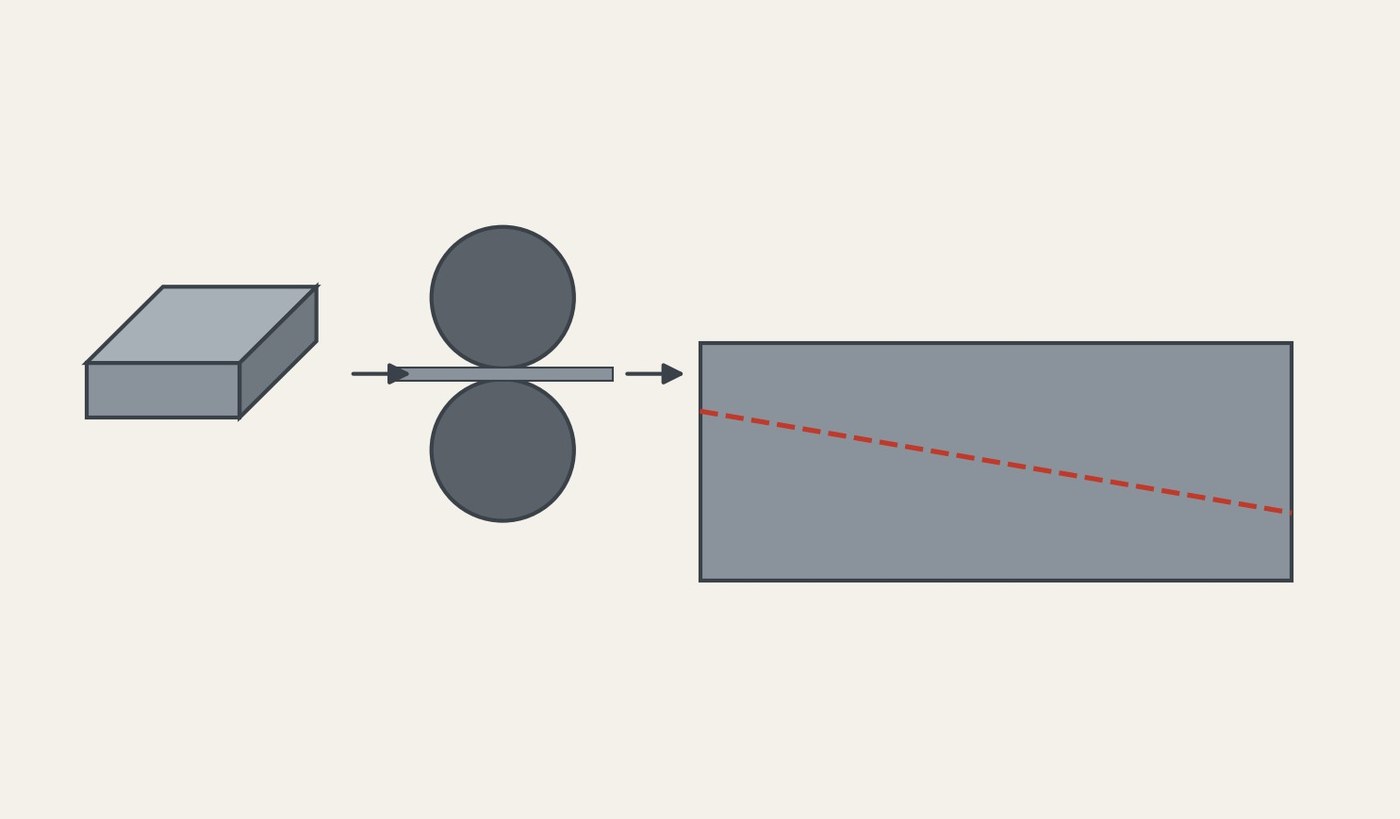


Saw Plate Steel Rolled from a Crucible Ingot
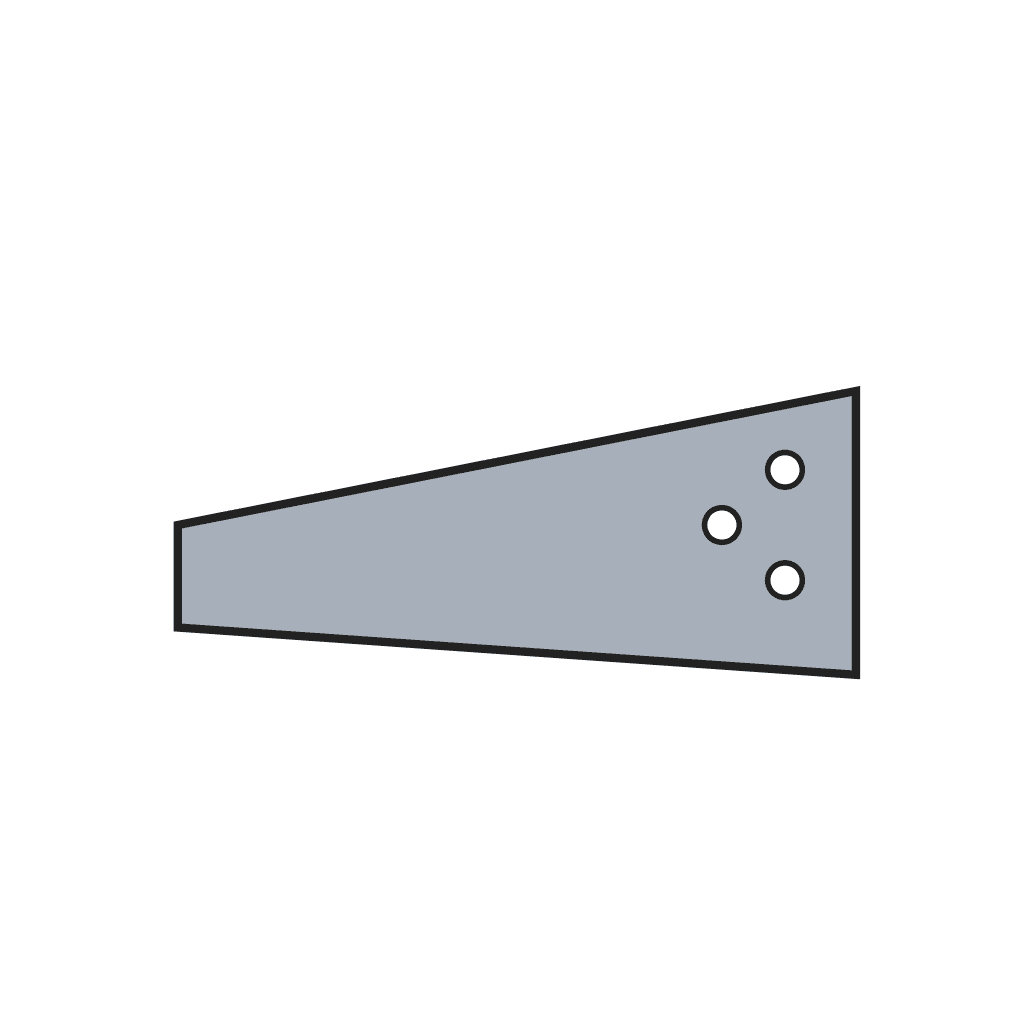
Saw blades start as thin steel plate. In the 1880s Disston's works cast crucible steel into flat ingots, cut each ingot into pieces, rolled every piece to the gauge of the saw and sheared it to outline; one handsaw plate was split diagonally to make two tapered blades (Grimshaw, Saws, 1882).
The picture: our diagram, ingot to rolls to plate, with the diagonal split.
Advanced
A day at the mill
Instructions
1
1
A flat ingot
A flat ingot
Start from crucible steel cast in an iron mould as a flat block. Grimshaw's ingot for 18 handsaws of 26 in weighed 48 lb and measured 6.5 × 12 × 2 in. For thicker saws, use milder steel (less carbon).
Materials for this step:
 Crucible Steel2 kg
Tools needed:
 Blacksmith Tongs
 Welding Gloves
 Safety Glasses
2
2
Cut the ingot
Cut the ingot
Heat the ingot and cut it into equal pieces, one per plate, using Oldham's rule (step 5) for the weight each plate needs.
Materials for this step:
 Charcoal5 as required
Tools needed:
 Blacksmith Forge
 Anvil
Anvil Hot Chisel
 SledgehammerBlacksmith TongsWelding GlovesSafety Glasses
3
3
Roll to gauge
Roll to gauge
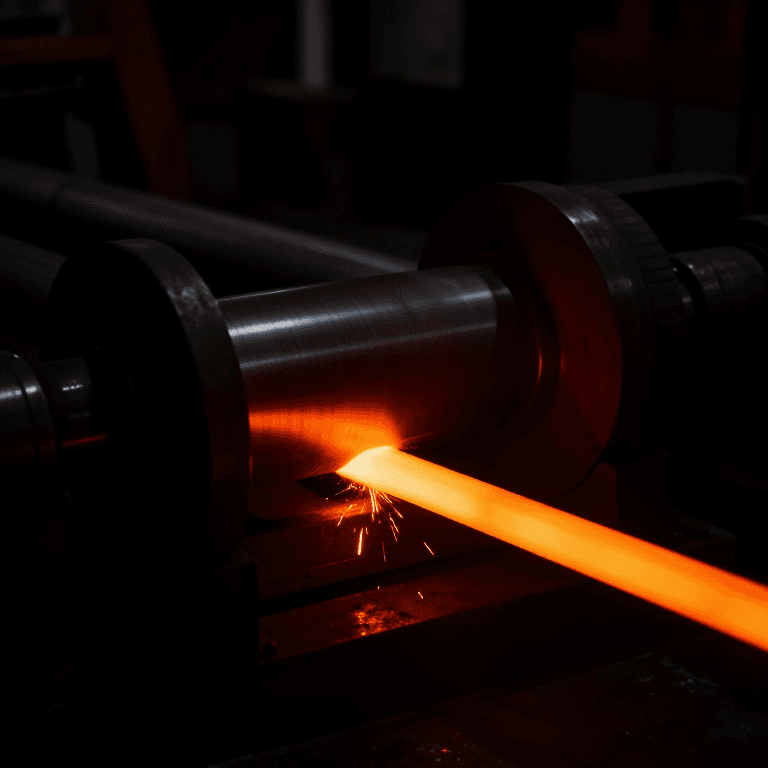
Pass each hot piece through the rolls again and again, reheating as needed, until it reaches the plate size. Between passes slap the plate on a smooth iron floor to knock off scale, which would otherwise be rolled into the steel (Grimshaw).
Materials for this step:
Charcoal5 as requiredTools needed:
 Rolling MillBlacksmith ForgeBlacksmith TongsWelding GlovesSafety Glasses
4
4
Shear to outline
Shear to outline
Shear the plate to the outline of the saw. For handsaws, split the plate diagonally along its length to get two tapered blades.
Tools needed:
 Plate ShearsWelding GlovesSafety Glasses
5
5
Oldham's rule: how heavy an ingot
Oldham's rule: how heavy an ingot
Loading Jupyter Notebook...
This blueprint makes
Related Blueprints
These blueprints share knowledge with this one — techniques, materials, or principles that connect them in the learning graph.


CC0 Public Domain
This blueprint is released under CC0. You are free to copy, modify, distribute, and use this work for any purpose, without asking permission.
Support the Maker by purchasing products through their Blueprint where they earn a Maker Commission set by Vendors, or create a new iteration of this Blueprint and include it as a connection in your own Blueprint to share revenue.