ART
BEAUTY & WELLNESS
CRAFT
CULTURE & HISTORY
ENTERTAINMENT
ENVIRONMENT
FOOD & DRINKS
REVERSE ENGINEERING
SCIENCES
SPORTS
TECHNOLOGY
WEARABLES

The Lid-Lifting Can Opener: One Lip Presses Down While the Other Lifts
A fruit can's tin cover, pressed onto a rubber ring, can stick so hard that prising it off hurts the fingers.
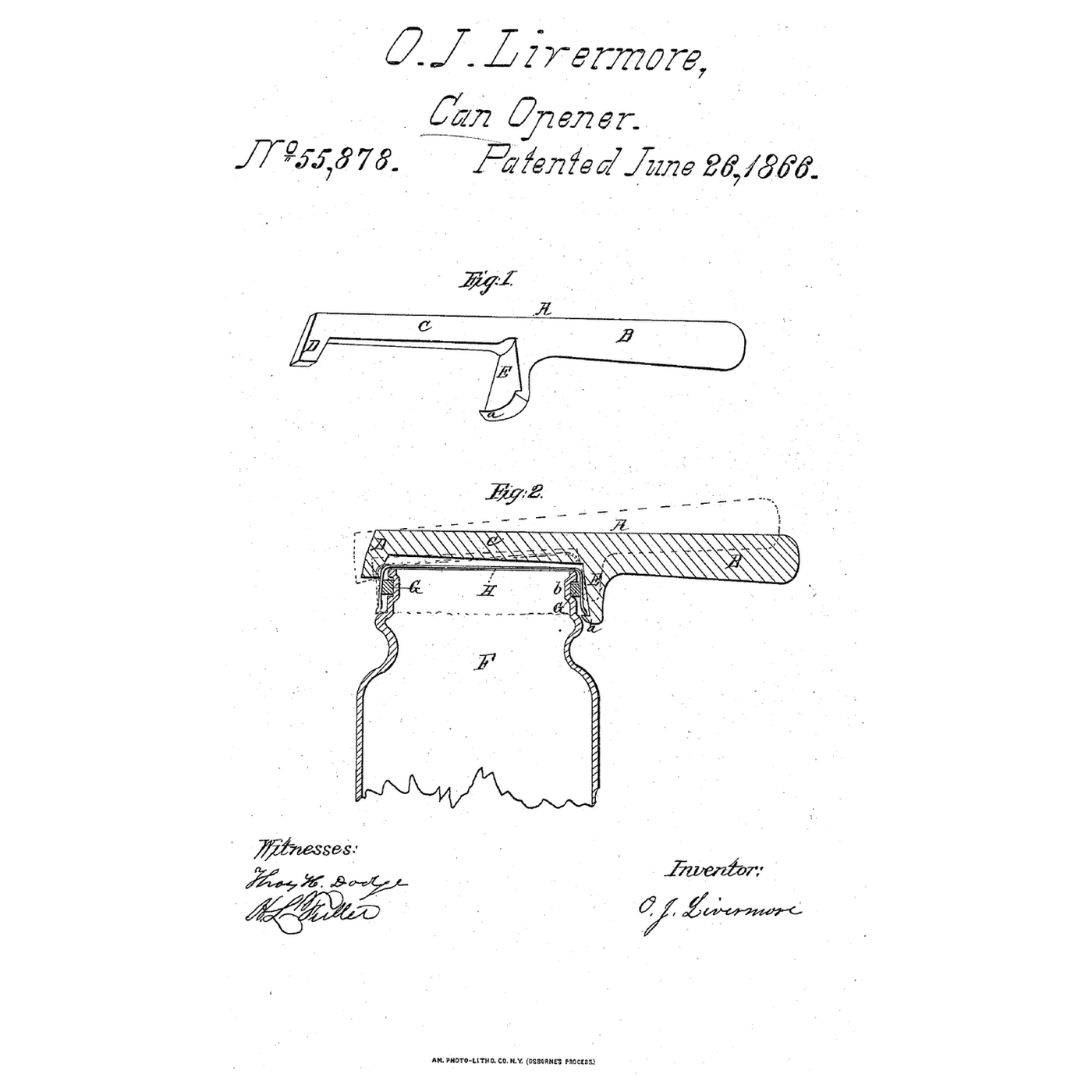
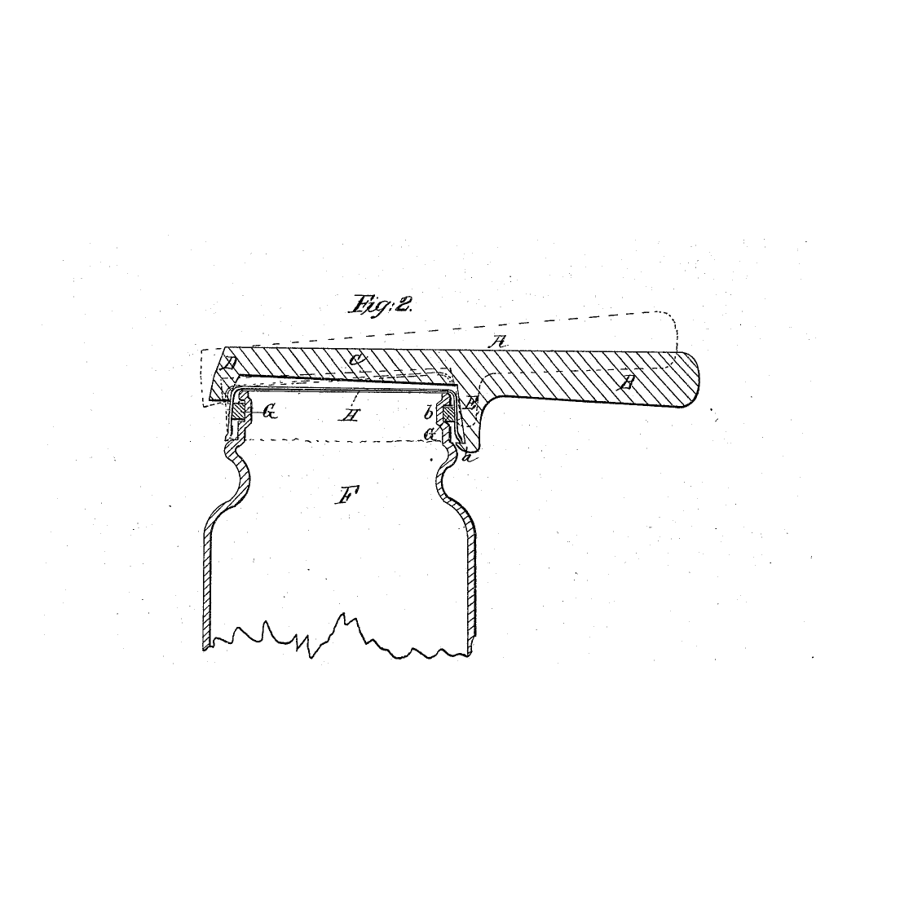
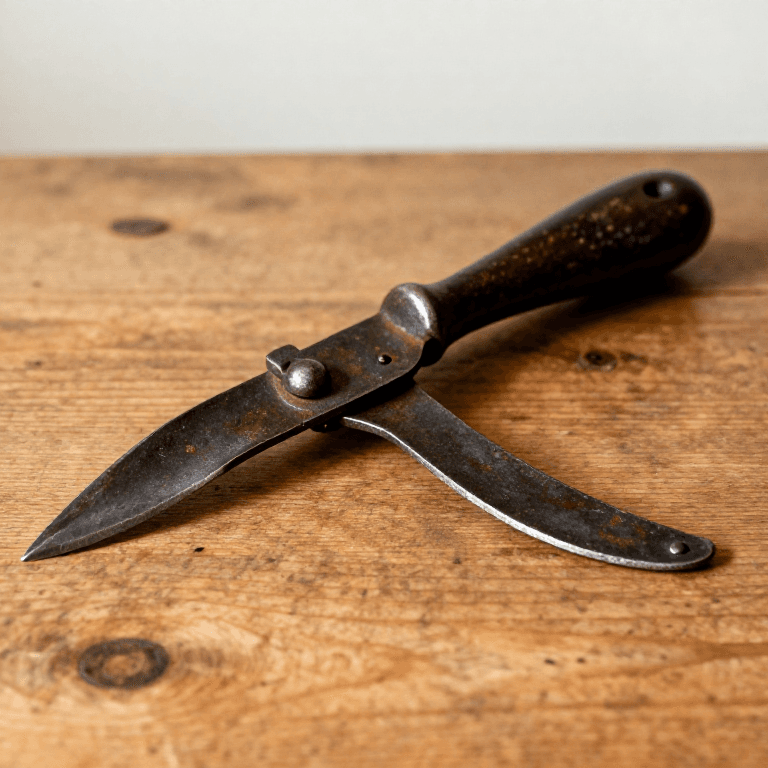
O. J. Livermore of Worcester, Massachusetts, received US 55,878, dated 26 June 1866, for a can opener for "Lyman's patent can": a handle, a part that passes over the cover with an inclined lip below it, and a curved piece whose angular edge goes under the cover's far side; raising the handle presses one side down and lifts the other.
This rung compares the force holding a vacuum-sealed lid with what the lever gives, then bends the opener from flat bar and lifts a sealed jar lid with it.
Beginner
About 2 hours
Instructions
1
1
Holding force against lever force
Holding force against lever force
Loading Jupyter Notebook...
2
2
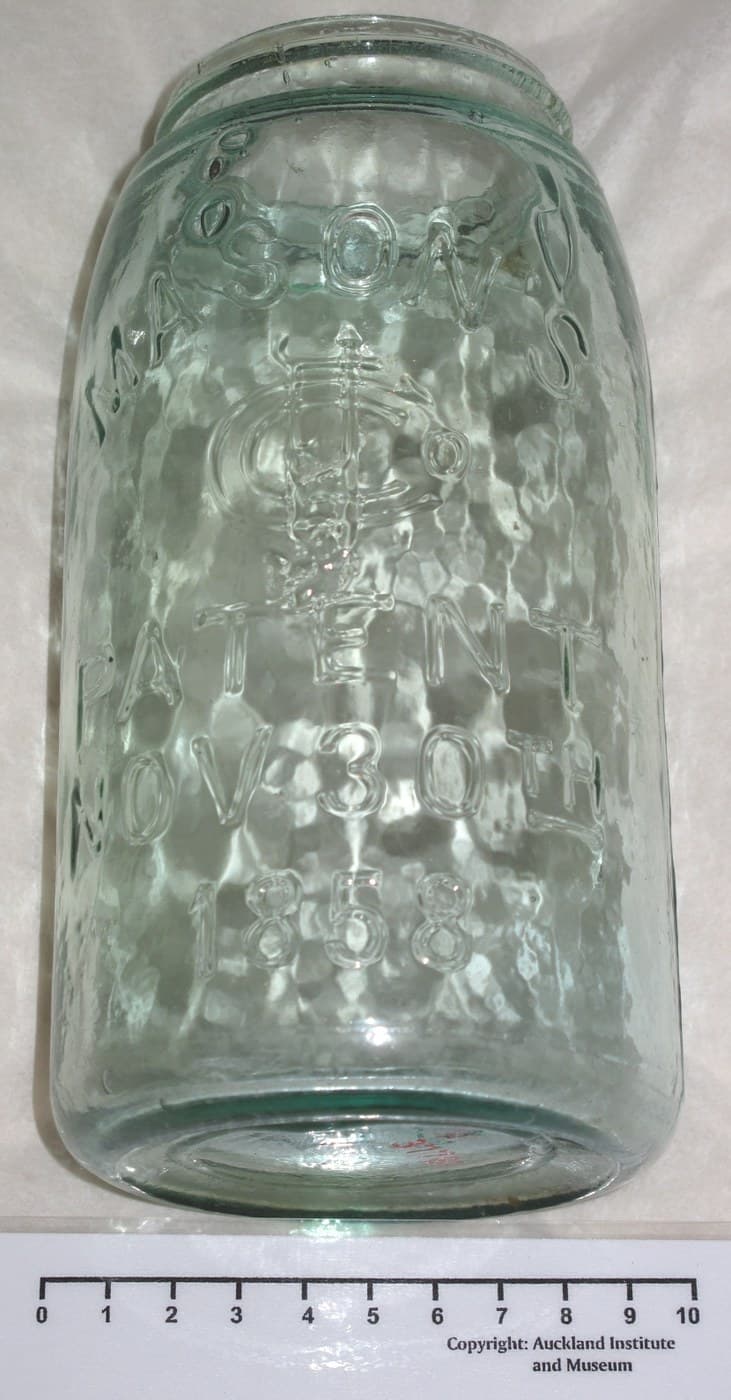
A sealed jar before it
A sealed jar before it
The embedded blueprint seals food in a screw-top jar. Livermore's lever lifts a pressed-on cover of the same kind without fingernails.
3
3
Read US 55,878
Read US 55,878
"In trying to remove the cover under such circumstances persons without proper conveniences at hand for the purpose often injure their fingers and nails."
"Handle B is now raised, which causes the inclined lip D to force the cover down and toward the can on that side, while the angular lip a elevates the other side of the cover, as shown in red lines."
4
4
Bend the head
Bend the head
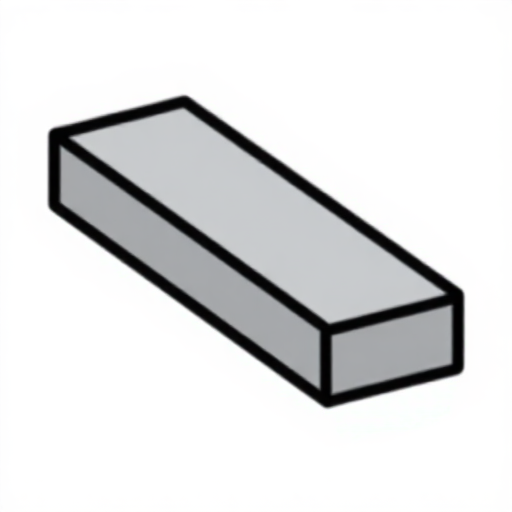
Cut 220 mm of 25 × 3 mm flat bar. Bend the last 15 mm down at about 60° in the vice for the inclined lip, 30 mm from it bend the bar level again: the part over the cover.
Materials for this step:
 Mild Steel Flat Bar1 piece
Tools needed:
 Hacksaw
 Bench Vise
 Hammer
 Ruler
Ruler Permanent Marker
 Leather Work Gloves
5
5
Add the lifting piece
Add the lifting piece
Cut 60 mm of the bar, curve it on the anvil, and file one end to a sharp angular edge. Drill both pieces and screw the curved one under the bar, its edge 70 mm from the lip.
Materials for this step:
Mild Steel Flat Bar1 piece Machine Screws1 piece
 Hex Nut1 piece
Tools needed:
Hacksaw AnvilHammer
 Files (Hand File)
 Center Punch
 Cordless Drill
 Drill Bit Set
 Adjustable Spanner
 Clear Safety Glasses
6
6
The patent drawing
The patent drawing
US 55,878 drawing sheet, public domain (expired patent).
7
7
Seal a jar and lift its lid
Seal a jar and lift its lid
Fill a Mason jar with water from the kettle at the boil, put on a new flat lid, screw the band on and let it cool for two hours so the lid pulls down. Then remove the band. Try to lift the lid with the force meter's hook under its edge; note the force. Then set the opener on it and lift with the meter on the handle's end.
Materials for this step:
 Canning Jars (Mason)1 piece
 Water1 piece
Tools needed:
 Stovetop Kettle
 Force Meter (Spring Scale)
 Heat-Resistant Gloves
8
8
An opener that slips, bends or scratches
An opener that slips, bends or scratches
Lid-lifting can opener troubleshooting.
Flow
Loading...
9
9
History and honest limits
History and honest limits
**O. J. Livermore** of Worcester, Massachusetts, assignor to himself and Clark, Sawyer & Co., received US 55,878, dated 26 June 1866. Lyman's cover fits over a rubber packing ring in a groove on the can; a groove lets a pin admit air, but the cover often adheres by corrosion and other causes. His opener works even before the air is admitted, though more easily after.
**Honest limits.** A cooled Mason jar stands in for Lyman's can, and two screwed pieces for his one-piece tool. Your forces are the result.
Materials
5- 1 piecePlaceholder
- 1 piecePlaceholder
- 1 piecePlaceholder
- 1 piecePlaceholder
- 1 piecePlaceholder
Tools Required
16- Placeholder
- Placeholder
- Placeholder
- Placeholder
- Placeholder
- Placeholder
- Placeholder
- Placeholder
- Placeholder
- 1 vendor sell this, none ship to you yetPlaceholder
- Placeholder
- Placeholder
- Placeholder
- Placeholder
- Placeholder
- Placeholder
Related Blueprints
These blueprints share knowledge with this one — techniques, materials, or principles that connect them in the learning graph.




CC0 Public Domain
This blueprint is released under CC0. You are free to copy, modify, distribute, and use this work for any purpose, without asking permission.
Support the Maker by purchasing products through their Blueprint where they earn a Maker Commission set by Vendors, or create a new iteration of this Blueprint and include it as a connection in your own Blueprint to share revenue.