Collaboration
ART
BEAUTY & WELLNESS
CRAFT
CULTURE & HISTORY
ENTERTAINMENT
ENVIRONMENT
FOOD & DRINKS
REVERSE ENGINEERING
SCIENCES
SPORTS
TECHNOLOGY
WEARABLES
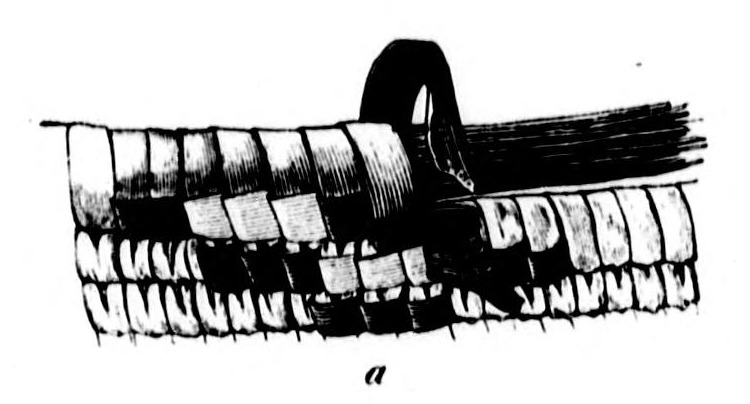


Thompson (Nlaka'pamux) Coiled Basket: Cedar-Root Bundles Whip-Stitched with Root Splints, Watertight (Teit, 1900)
The coiled cedar-root basket of the Thompson (Nlaka'pamux) women, as James Teit recorded it: finger-thick cedar roots dug, buried to keep fresh, peeled, dried and split with a deer-bone awl; the good long splints sew, the rest go in bundles of about a dozen as the coil, stitched round and round from the bottom up so tightly that most baskets hold water.
Advanced
Days to weeks
Instructions
1
1
Read Teit
Read Teit
"Most of these baskets are water-tight."
2
2
Dig the roots
Dig the roots
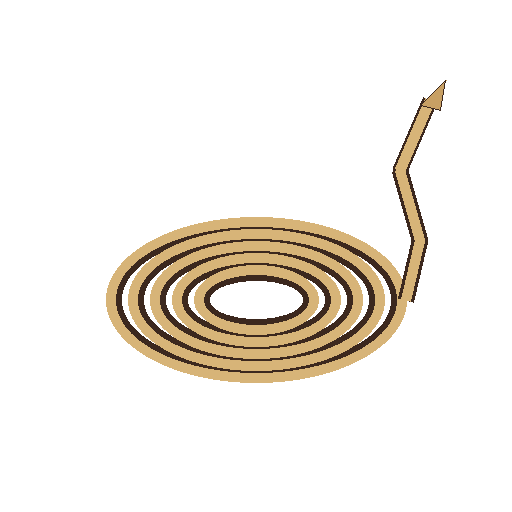
Dig the small trailing roots of the red cedar with a root-digger and cut off pieces about as thick as a finger. Bury them in the ground to keep them fresh until needed.
Materials for this step:
 Split Tree Roots1 piece
Tools needed:
 Digging Stick
 Knife
3
3
Peel, dry and split
Peel, dry and split
Take them out, peel or scrape them with a sharp stone or knife, and hang them up until dry enough to work. Split them into long strips by pushing the point of a deer-bone awl along them.
Tools needed:
Knife Bone Awl
4
4
Sort the splints
Sort the splints
Keep the pieces that split evenly to the right width and thickness along their whole length for stitching. Tie the irregular, short or thin ones in bundles of about a dozen: these are the coil.
Tools needed:
Knife5
5
Coil and stitch
Coil and stitch
Start at the bottom (or stitch over thin pieces of wood for a flat base). Lay the coil round, one turn on top of the last, whip-stitching it with the long splints, over and under; with each stitch the awl splits part of the splint round the coil below. Add fresh pieces to keep the coil continuous and even.
Materials for this step:
Split Tree Roots1 pieceTools needed:
Bone Awl6
6
Troubleshooting
Troubleshooting
Coiled basket troubleshooting.
Flow
Loading...
7
7
History and honest limits
History and honest limits
From James Teit, *The Thompson Indians of British Columbia*, **Memoirs of the American Museum of Natural History, Jesup North Pacific Expedition** vol. I part IV (1900), pp. 187-189 and Fig. 131 a (checked on the archive.org scan cihm_16242). The outside was often decorated by hooking in strips of glossy grass and bitter-cherry bark under the stitches (the bark buried in damp earth turns dark brown, then black); that ornament is not built here. Size and how to start the first coil are ours.
Materials
1- 1 piecePlaceholder
This blueprint makes

Related Blueprints
These blueprints share knowledge with this one — techniques, materials, or principles that connect them in the learning graph.



CC0 Public Domain
This blueprint is released under CC0. You are free to copy, modify, distribute, and use this work for any purpose, without asking permission.
Support the Maker by purchasing products through their Blueprint where they earn a Maker Commission set by Vendors, or create a new iteration of this Blueprint and include it as a connection in your own Blueprint to share revenue.