Collaboration
ART
BEAUTY & WELLNESS
CRAFT
CULTURE & HISTORY
ENTERTAINMENT
ENVIRONMENT
FOOD & DRINKS
REVERSE ENGINEERING
SCIENCES
SPORTS
TECHNOLOGY
WEARABLES
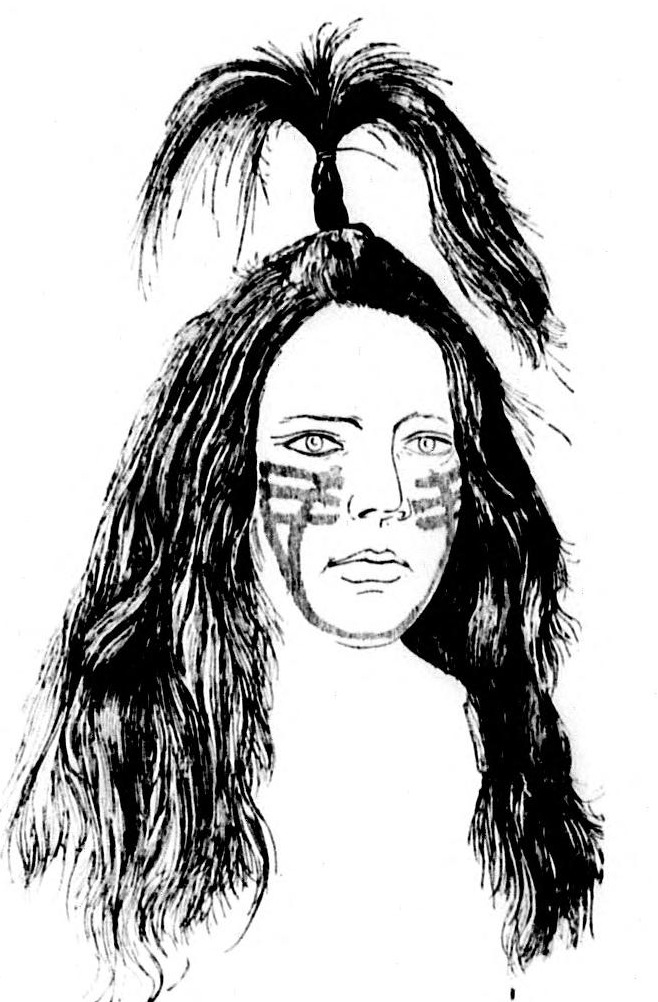


Thompson (Nlaka'pamux) Face Paints: Red Ochre, Micaceous Hematite, Charcoal and White Clay, Dry or on Greased Skin (Teit, 1900)
The face and body paints of the Thompson (Nlaka'pamux) people of British Columbia, as James Teit recorded them: red ochre (the best from the Okanagan), sparkling micaceous hematite, charcoal, yellow ochre and white clay, rubbed on dry or onto a greased face with a finger or stick, or mixed with heated deer fat; and the patterns young women, older women and men wore.
Beginner
An hour
Instructions
1
1
Read Teit
Read Teit
"The paints were rubbed on either dry or after the face had been greased."
2
2
Gather the colours
Gather the colours
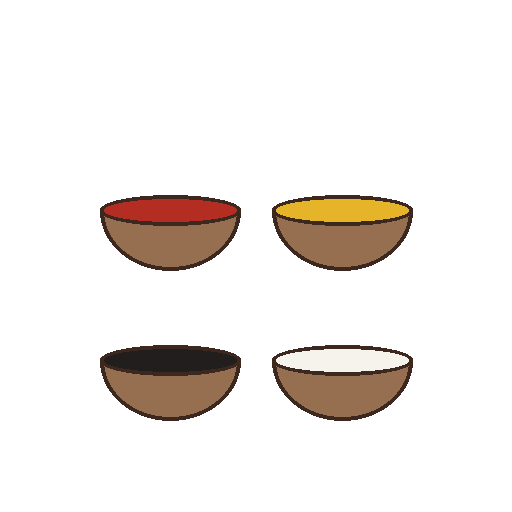
Red ochre or other red earth; micaceous hematite (specular iron) for a glittering dark red-grey; charcoal for black; yellow ochre; white clay. Powder each finely (ours: in a stone mortar).
Materials for this step:
 Raw Ochre1 piece
 Hematite Ore1 piece
 Charcoal1 piece
 Yellow Ochre Pigment (Raw)1 piece
 Kaolin Clay Powder1 piece
Tools needed:
 Stone Mortar and Pestle
3
3
Make it into paint
Make it into paint
For a dry paint, keep the powder as it is. For a paint that holds, melt deer fat, stir in the powder and heat it, as the Thompson did for all their paints on wood and hide (proportion ours: about one part fat to two of powder). Keep it in a stone dish or on a flat piece of hide. Puccoon root works too: dip the fresh root in deer fat and rub it on.
Materials for this step:
 Deer Fat1 piece
 Puccoon Root1 piece
Tools needed:
 Fire Pit
 Soapstone Block
 Knife
4
4
Paint
Paint
Grease the face first, or paint dry. Use a finger or small sticks. Patterns Teit recorded: young women, a red dot on each cheek, sometimes carried over the temples and eyebrows; older women, the whole face red up to the eyes; men, from their dreams: big red spots on the cheeks and a streak along each eyebrow, or one side of the face red, or the face covered with wet red and stripes scratched through it with a deer's jaw or teeth. The parting of the hair was often painted red.
Tools needed:
Soapstone Block5
5
Troubleshooting
Troubleshooting
Face paint troubleshooting.
Flow
Loading...
6
6
History and honest limits
History and honest limits
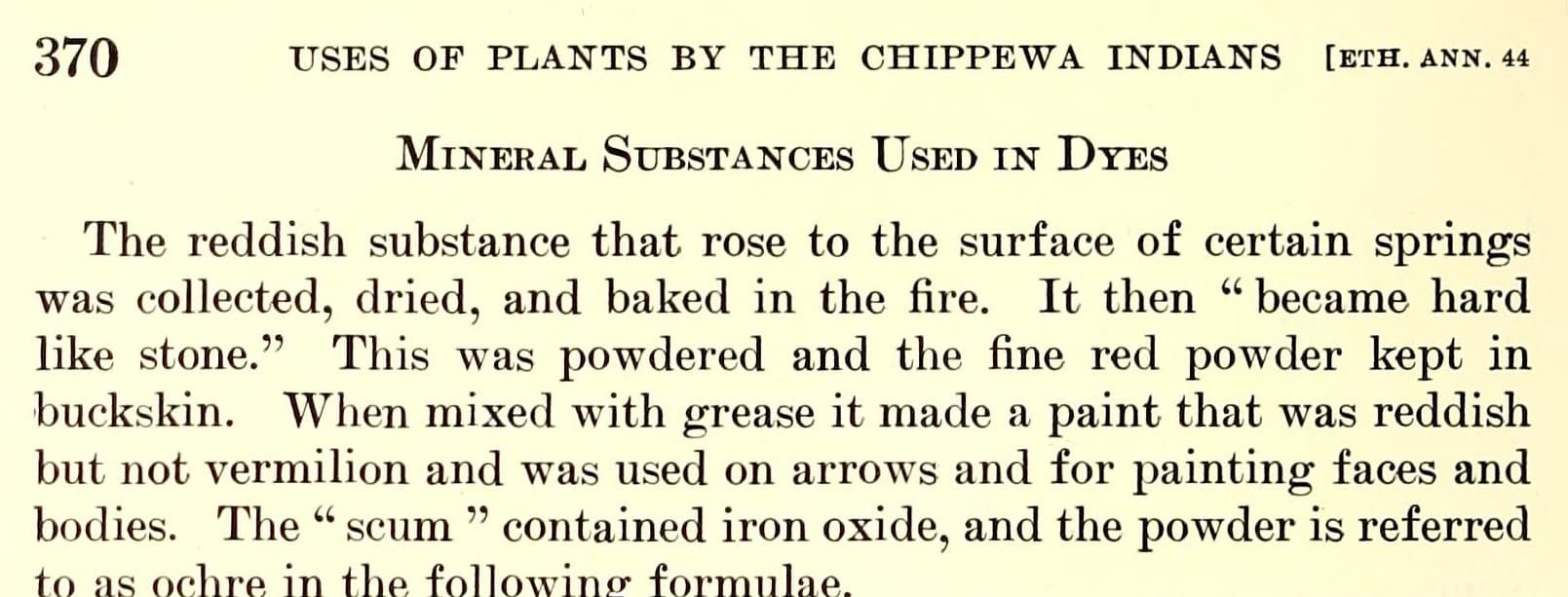
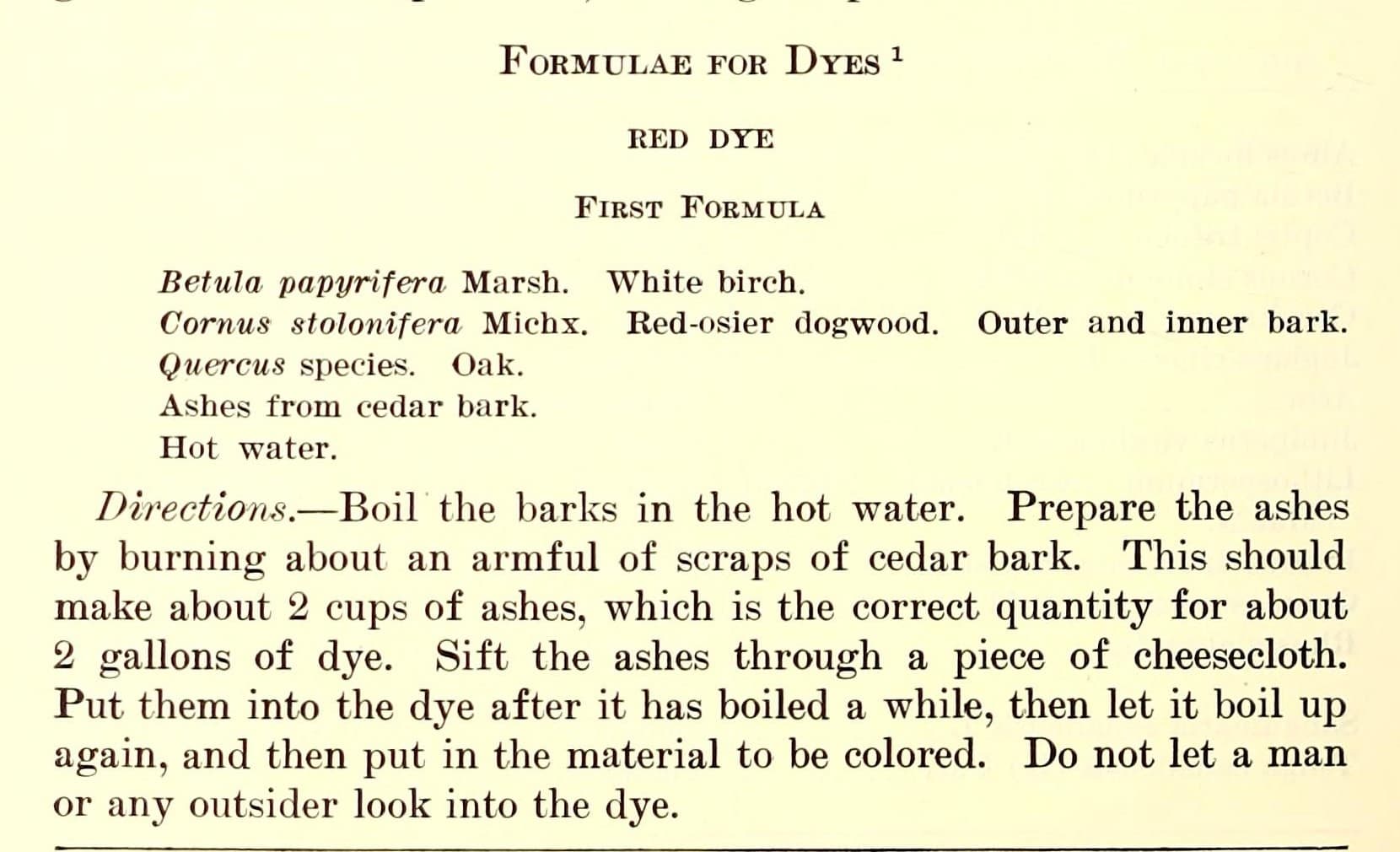
From James Teit, *The Thompson Indians of British Columbia*, **Memoirs of the American Museum of Natural History, Jesup North Pacific Expedition** vol. I part IV (1900), pp. 184, 226, 228 and Fig. 207 (checked on the archive.org scan cihm_16242). Some designs belonged to warriors, shamans or ceremonies; a man's design came from his own dream, so make your own rather than copy one. By 1900 face painting was used mostly by shamans and women. Grinding, the fat ratio and the stand-in heads are ours.
Materials
7- 1 piecePlaceholder
- 1 piecePlaceholder
- 1 piecePlaceholder
- 1 piecePlaceholder
- 1 piecePlaceholder
- 1 piecePlaceholder
- 1 piecePlaceholder
This blueprint makes
Related Blueprints
These blueprints share knowledge with this one — techniques, materials, or principles that connect them in the learning graph.
CC0 Public Domain
This blueprint is released under CC0. You are free to copy, modify, distribute, and use this work for any purpose, without asking permission.
Support the Maker by purchasing products through their Blueprint where they earn a Maker Commission set by Vendors, or create a new iteration of this Blueprint and include it as a connection in your own Blueprint to share revenue.