ART
BEAUTY & WELLNESS
CRAFT
CULTURE & HISTORY
ENTERTAINMENT
ENVIRONMENT
FOOD & DRINKS
REVERSE ENGINEERING
SCIENCES
SPORTS
TECHNOLOGY
WEARABLES
Translated

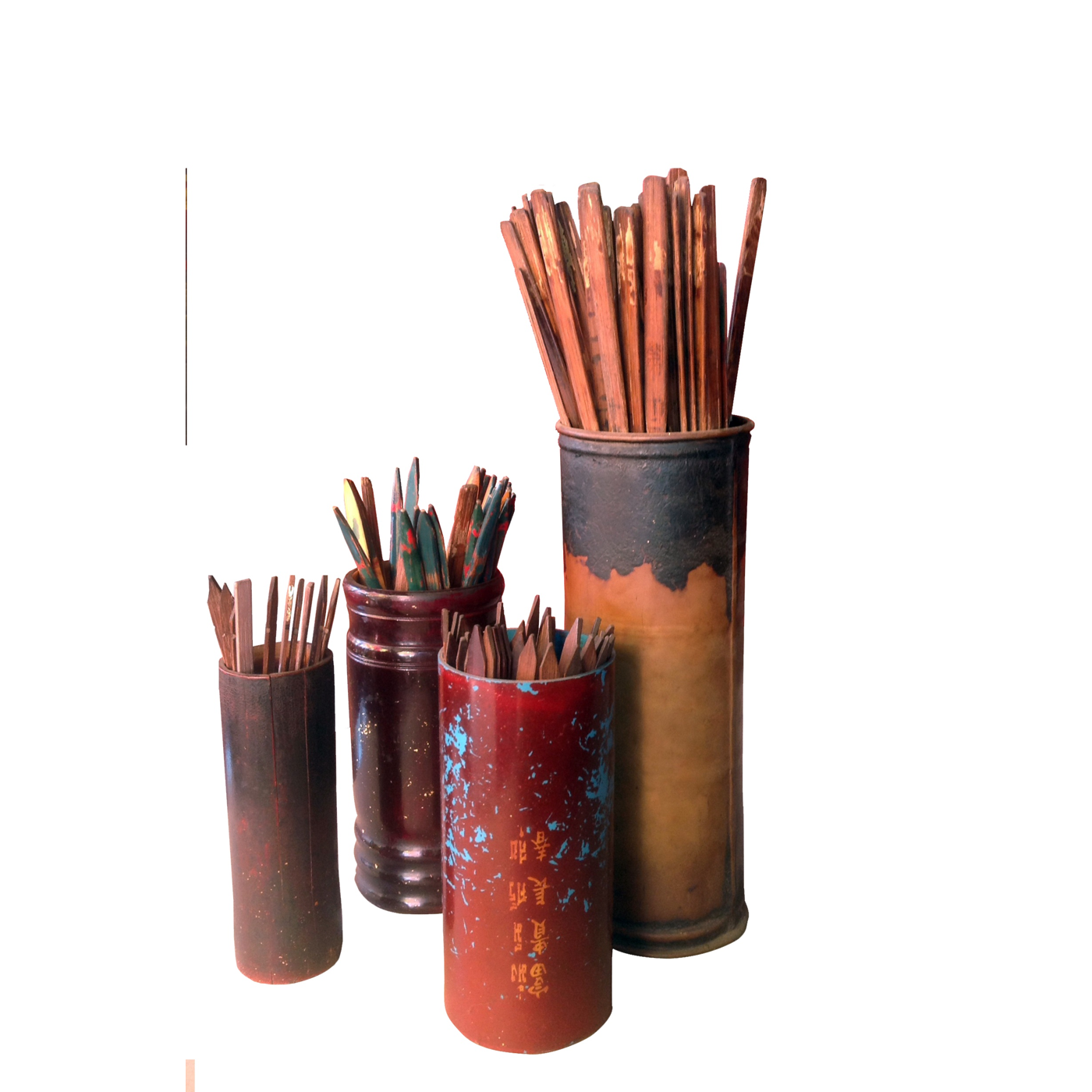
Tiu (Thai Siam Si Fortune Sticks) — 1 × 15-20 cm Bamboo Slips, Painted and Numbered, Kept in a Siam Si Cylinder
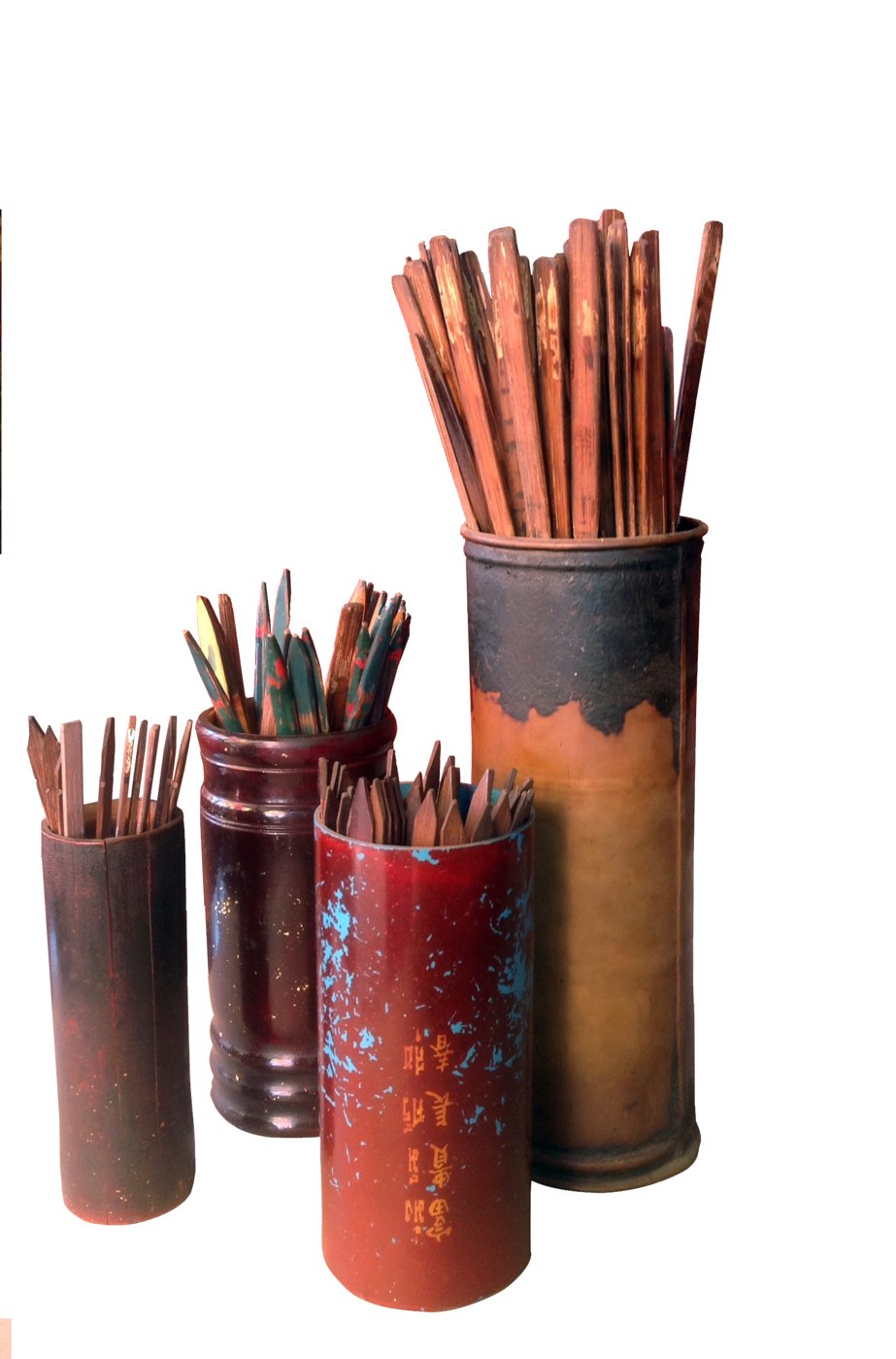
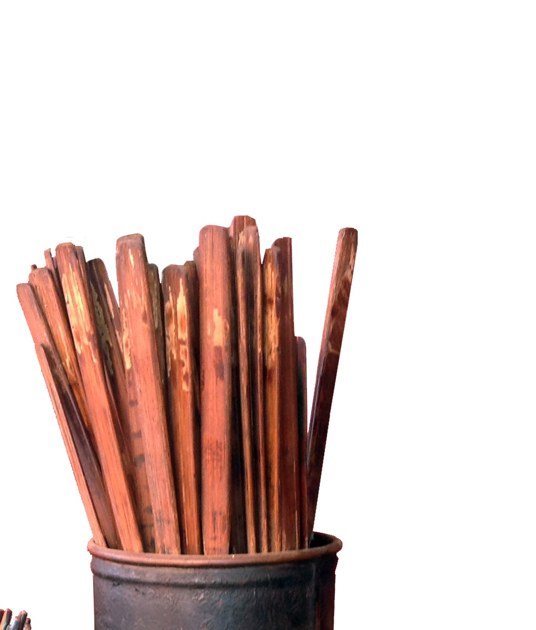
ติ้ว (tiu) are thin bamboo slips, painted, with characters and a number written at the tip, kept in a brass or bamboo cylinder called a krabok siam si and used for divination at Chinese shrines.
This blueprint makes real tiu and a siam si cylinder to the sizes in the source.
Beginner
About 1 day
Instructions
1
1
Real sizes
Real sizes
Loading Jupyter Notebook...
2
2
Bamboo slat work, before it
Bamboo slat work, before it
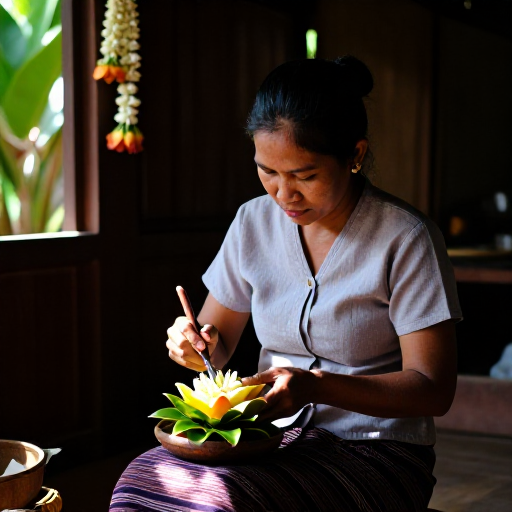
The mai sang kha shapes bamboo into working slats; tiu are shaved into small thin slips, then painted and numbered.
3
3
Read from the source
Read from the source
"Tiu are made of bamboo shaved into small thin slips, 1 centimetre wide and 15-20 centimetres long, with one end trimmed round or tapered to a point." (Sirindhorn Anthropology Centre, author จุฑามาศ ลิ้มรัตนพันธ์ (Chuthamat Limrattanaphan), photo อรทัย สัตยสัณห์สกุล (Orathai Sattayasansakul), CC BY 4.0)
4
4
Shave the slips
Shave the slips
Cut bamboo and shave it into small thin slips, 1 cm wide and 15-20 cm long. Trim one end round or taper it to a point.
Materials for this step:
 Bamboo Poles1 piece
Tools needed:
 Hand Saw
 Knife
Knife5
5
Paint and number
Paint and number
Paint the slips, for example white, red or green, then write characters and a number in black at the tip, a different number on each slip.
Materials for this step:
 Black Paint1 piece
Tools needed:
 Fine-pointed Brushes
6
6
Siam si cylinder
Siam si cylinder
Put the tiu in a bamboo or brass cylinder, called a krabok siam si.
7
7
Real photos
Real photos
Photos of real tiu and siam si cylinders, Songkhla City Pillar Shrine (Sirindhorn Anthropology Centre, author จุฑามาศ ลิ้มรัตนพันธ์ (Chuthamat Limrattanaphan), photo อรทัย สัตยสัณห์สกุล (Orathai Sattayasansakul), CC BY 4.0).
8
8
How it is used
How it is used
Pick up the cylinder, make a wish and ask the question you want answered, then shake the cylinder until a single tiu falls to the ground. The number on it gives the fortune, or the remedy, for the person asking.
9
9
Troubleshooting
Troubleshooting
Troubleshooting the tiu.
Flow
Loading...
10
10
History and limits
History and limits
Siam si fortune sticks probably date from the Sukhothai or Ayutthaya period, brought by Chinese settlers along with their shrines; at first written in Chinese, later in Thai. The Songkhla City Pillar Shrine, built in 1842, used tiu for fortunes, for remedies from the healer deity Phra Khru Mo, and in the Thing Krachat festival, where they are no longer used. Take care with the knife when shaving bamboo.
Source: Sirindhorn Anthropology Centre, Traditional Objects of Everyday Use database, "ติ้ว", author จุฑามาศ ลิ้มรัตนพันธ์ (Chuthamat Limrattanaphan), photo อรทัย สัตยสัณห์สกุล (Orathai Sattayasansakul), Songkhla City Pillar Shrine (CC BY 4.0 licence).
**Limits** The source gives no number of tiu, paint type or cylinder size, so none is stated.
Materials
2- 1 piecePlaceholder
- 1 piecePlaceholder
Related Blueprints
These blueprints share knowledge with this one — techniques, materials, or principles that connect them in the learning graph.
CC0 Public Domain
This blueprint is released under CC0. You are free to copy, modify, distribute, and use this work for any purpose, without asking permission.
Support the Maker by purchasing products through their Blueprint where they earn a Maker Commission set by Vendors, or create a new iteration of this Blueprint and include it as a connection in your own Blueprint to share revenue.