ART
BEAUTY & WELLNESS
CRAFT
CULTURE & HISTORY
ENTERTAINMENT
ENVIRONMENT
FOOD & DRINKS
REVERSE ENGINEERING
SCIENCES
SPORTS
TECHNOLOGY
WEARABLES
Translated
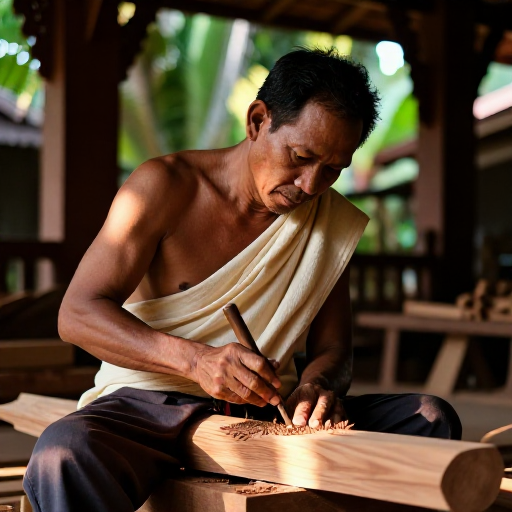

Waen Roi — a Drilled Metal Plate Sewn into Cloth, Squeezing Dough into Khanom Jeen Noodles
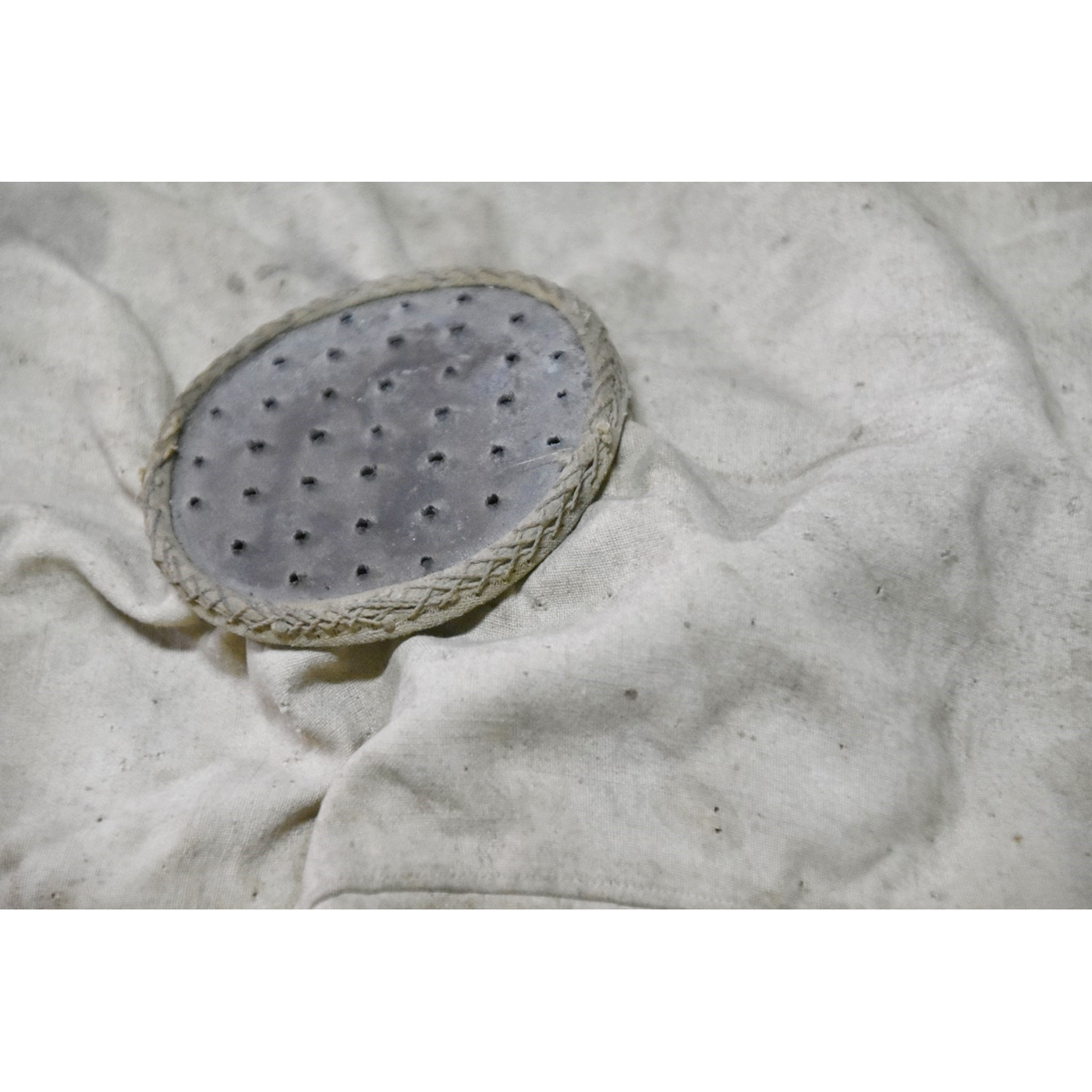
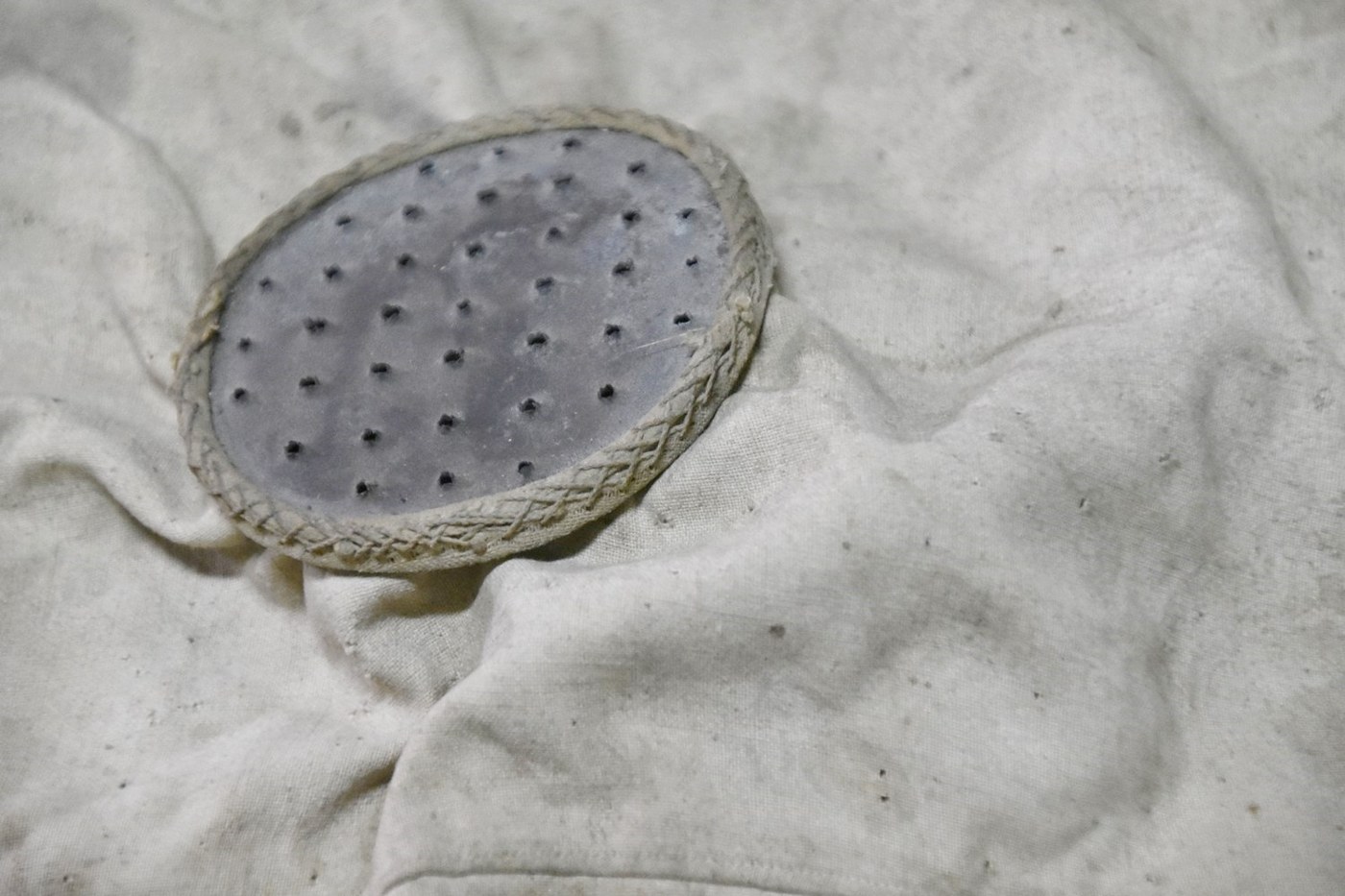
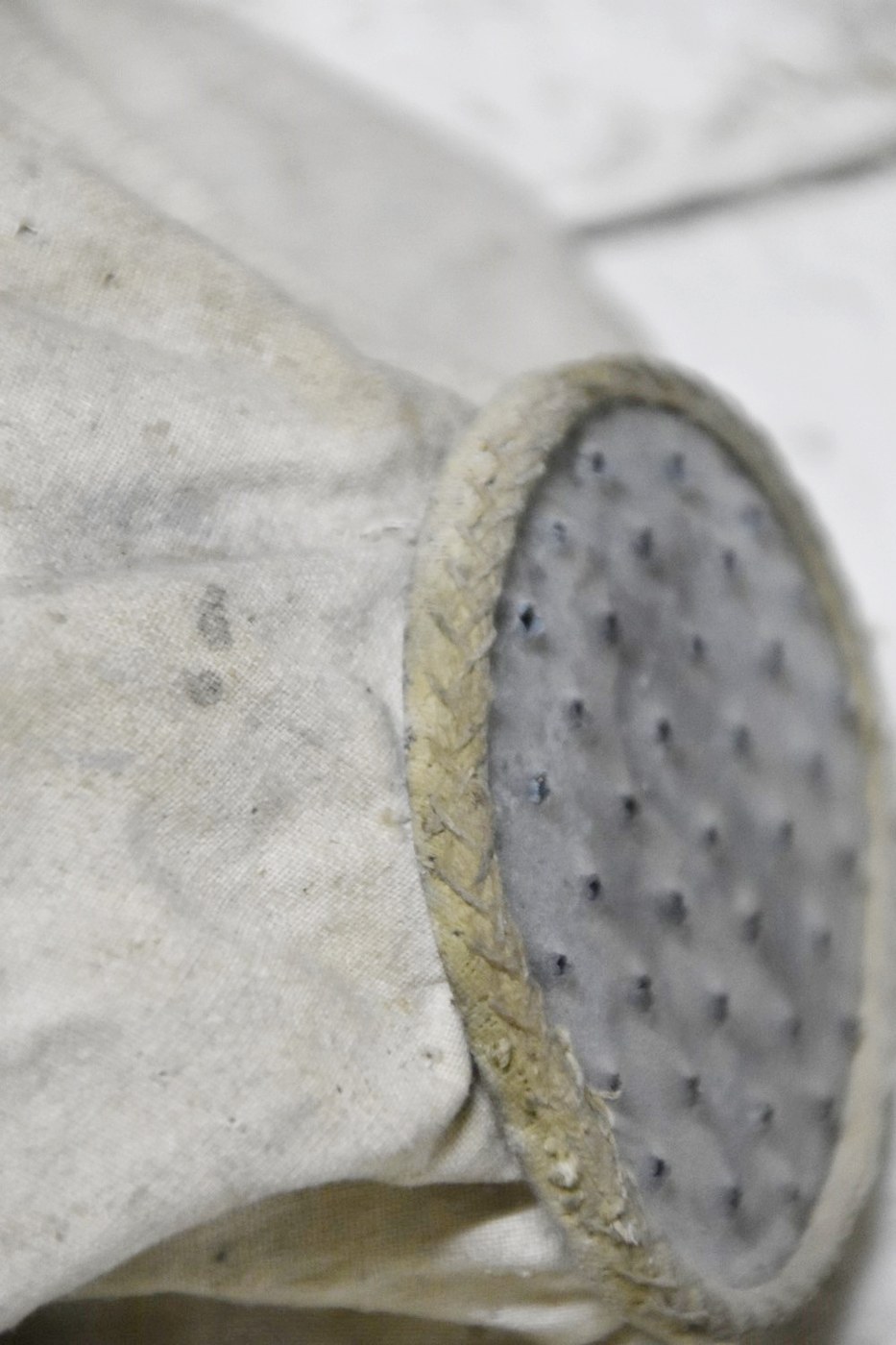
แว่นโรย (waen roi) is a tool for pressing khanom jeen or other noodles. The most common kind is a round metal plate drilled with small holes all round, sewn to a square of unbleached cotton cloth 30-50 centimetres across.
This blueprint makes a waen roi following the source.
Beginner
About 2 hours
Instructions
1
1
Holes in the plate
Holes in the plate
Loading Jupyter Notebook...
2
2
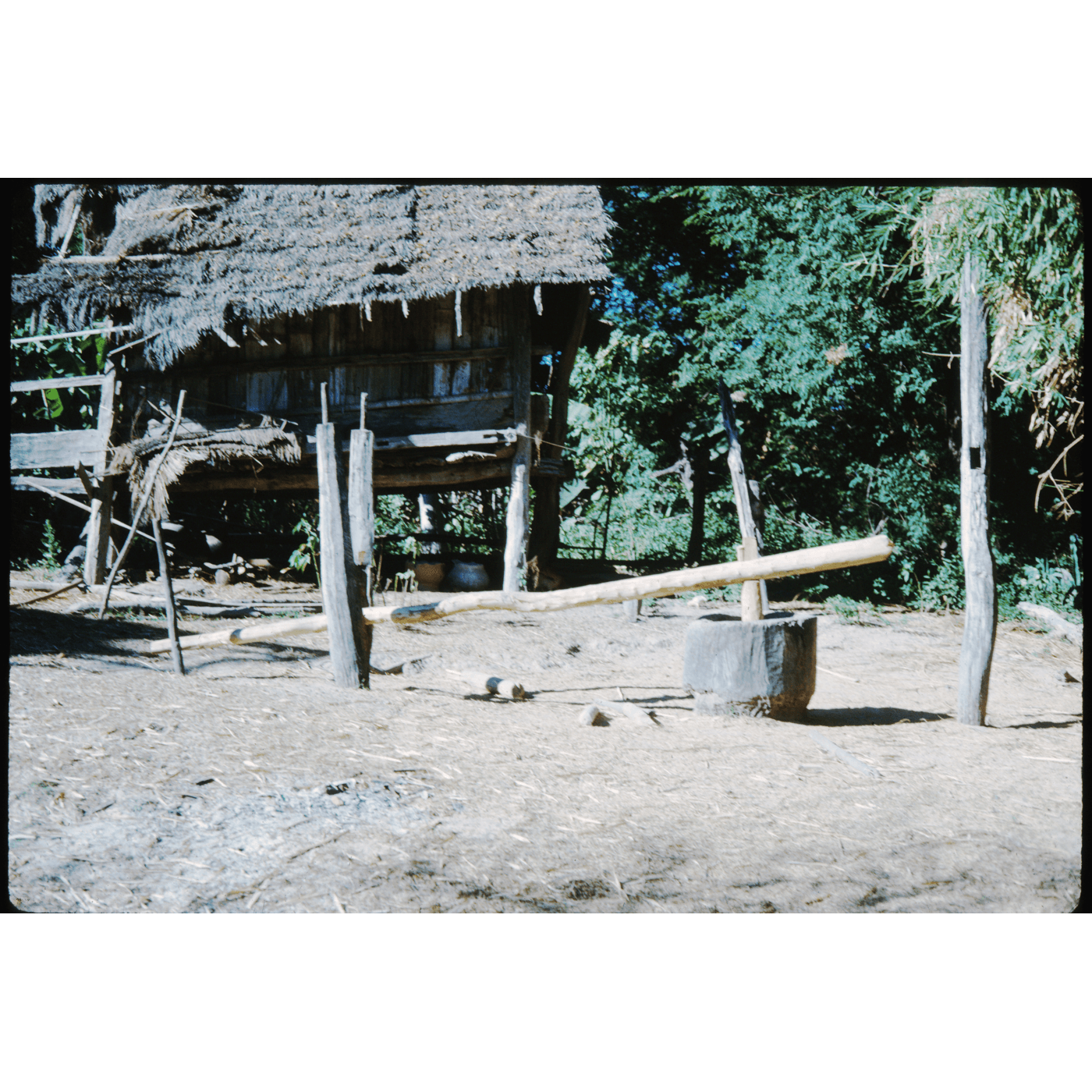
A rice-processing tool before it
A rice-processing tool before it
The krok kradueang pounds paddy into milled rice; the waen roi presses dough into khanom jeen noodles.
3
3
Read from the source
Read from the source
"To make khanom jeen noodles, the dough is poured into the cloth; one person holds the waen roi over the middle of a pan of hot water, the other twists the cloth round the dough like a round ball and squeezes the cloth with both hands, and the khanom jeen dough comes out through the drilled holes." (Sirindhorn Anthropology Centre, author พิชชา ทองขลิบ (Phitcha Thongkhlip), CC BY 4.0)
4
4
The metal plate
The metal plate
Cut stainless steel sheet into a circle and file the edge smooth. Centre-punch and drill small holes all round the plate, and another ring of small holes near the edge for sewing. Deburr every hole.
Materials for this step:
 Stainless Steel Sheet - 3041 piece
Tools needed:
 Tin Snips
 Metal File
 Center Punch
 Cordless Drill
 Drill Bit Set
5
5
The cloth
The cloth
Cut unbleached cotton cloth into a square 30-50 centimetres across, with an opening in the middle a little smaller than the plate.
Materials for this step:
 Muslin Cloth1 piece
Tools needed:
 Fabric Scissors
6
6
Sew the plate to the cloth
Sew the plate to the cloth
Lay the plate in the middle of the cloth and sew them together through the holes near the edge with nylon line or thread, tight all round.
Materials for this step:
 Sewing Thread1 piece
Tools needed:
 Hand Sewing Needles
7
7
Real photos
Real photos
Real photos of a แว่นโรย (waen roi) from พิพิธภัณฑ์พื้นบ้านวัดสำโรง (Wat Samrong Folk Museum) (Sirindhorn Anthropology Centre, author พิชชา ทองขลิบ (Phitcha Thongkhlip), CC BY 4.0)
8
8
How to use
How to use
Pour khanom jeen dough into the cloth. One person holds the waen roi over the middle of a pan of boiling water; the other twists the cloth round the dough and squeezes, and the strands pass through the holes into the water. When the noodles are cooked they float to the surface; lift them out with a strainer into cold water, then gather them into bundles and lay them in rows in a basket.
9
9
Troubleshooting
Troubleshooting
Troubleshooting the waen roi.
Flow
Loading...
10
10
History and limits
History and limits
The waen roi (also called i roi) has been made from many materials: moulded clay, bamboo, coconut shell, cloth and metal. The cloth kind is now hardly used, as there are cylindrical waen roi of stainless steel or galvanised sheet with a smaller cylinder that pushes the dough like a piston, and electric khanom jeen machines.
Source: Sirindhorn Anthropology Centre, database of traditional everyday objects, "แว่นโรย", author พิชชา ทองขลิบ (licence CC BY 4.0), from the Wat Samrong Folk Museum, Nakhon Pathom.
**Limits.** The source gives no plate or hole size; the sizes in this blueprint are examples. This blueprint gives no recipe for khanom jeen dough.
Materials
3- 1 piecePlaceholder
- 1 piecePlaceholder
- 1 piecePlaceholder
Tools Required
7- Placeholder
- Placeholder
- Placeholder
- 1 vendor sell this, none ship to you yetPlaceholder
- Placeholder
- Placeholder
- Placeholder
Related Blueprints
These blueprints share knowledge with this one — techniques, materials, or principles that connect them in the learning graph.
CC0 Public Domain
This blueprint is released under CC0. You are free to copy, modify, distribute, and use this work for any purpose, without asking permission.
Support the Maker by purchasing products through their Blueprint where they earn a Maker Commission set by Vendors, or create a new iteration of this Blueprint and include it as a connection in your own Blueprint to share revenue.