Collaboration
ART
BEAUTY & WELLNESS
CRAFT
CULTURE & HISTORY
ENTERTAINMENT
ENVIRONMENT
FOOD & DRINKS
REVERSE ENGINEERING
SCIENCES
SPORTS
TECHNOLOGY
WEARABLES
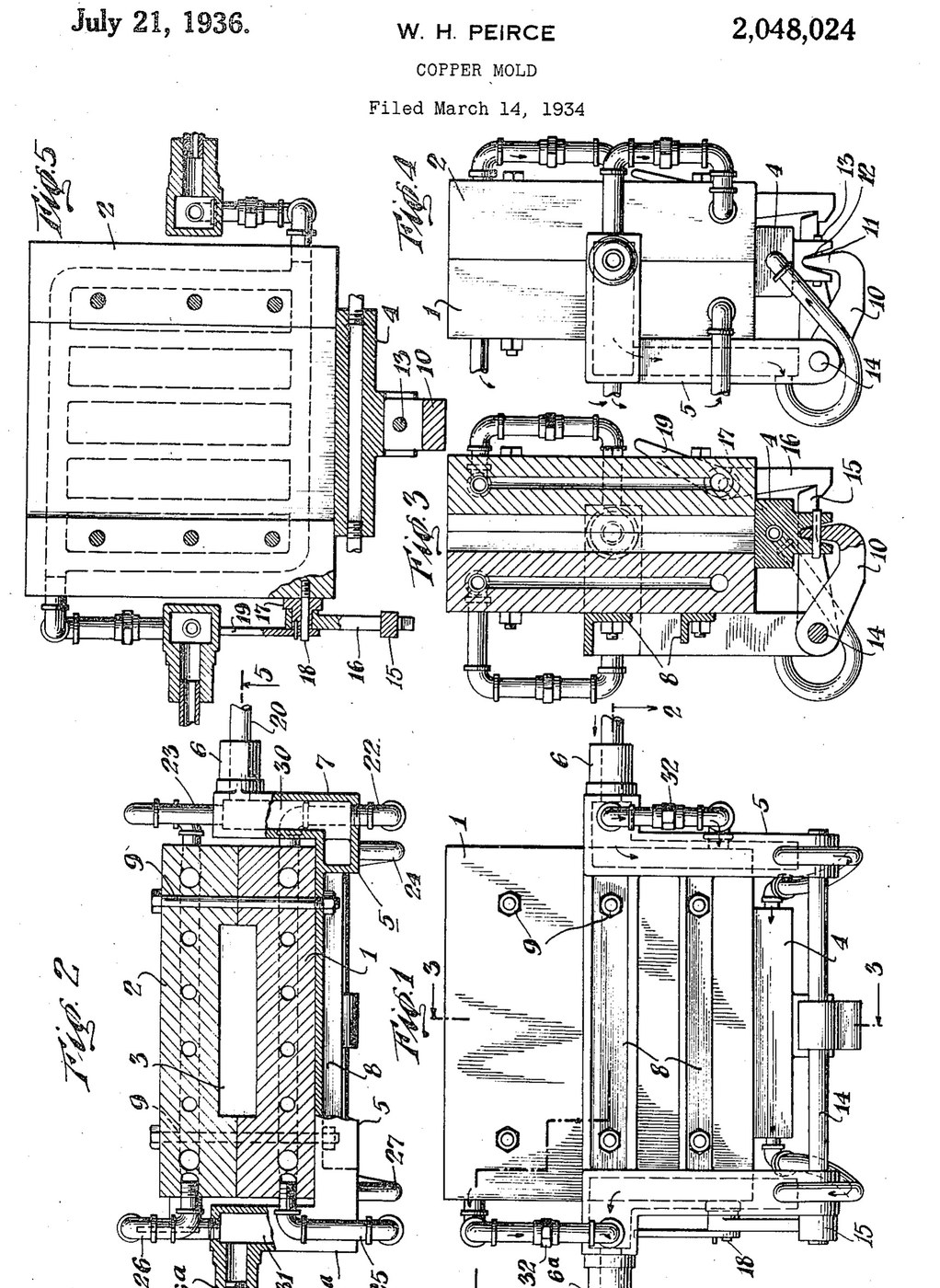

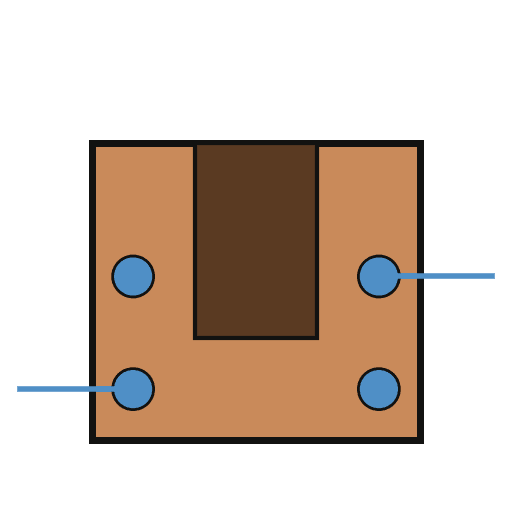
Water-Cooled Copper Mould: Two Halves with Cast-In Pipes, in a Trunnion Yoke (Peirce, US 2,048,024, 1936)
A mould for metals that conduct heat well: two thick copper blocks, each cast round a grid of copper pipes that carry cooling water. They are bolted face to face, so the cavity can be machined accurately, and carried in a steel yoke on hollow trunnions that feed the water. A latched gate closes the bottom. The casting can be dumped out of the top by turning the yoke, or out of the bottom by opening the gate.
Result: a water-cooled copper mould that freezes the metal fast and can be taken apart, machined and cleaned.
Source: W. H. Peirce (American Smelting and Refining), US 2,048,024 (1936). Unknown: sizes and the copper grade. Picture: the patent drawing.
Advanced
Unknown
Instructions
1
1
Cast the two halves round their pipes
Cast the two halves round their pipes
For each half, assemble copper pipes into a grid: a horizontal inlet pipe at the bottom, an outlet pipe at the top, and several vertical pipes joining them. Any steam formed in casting then rises to the outlet. Cast a block of copper of about the mould's shape over the grid. Ours: copper ingot melted in a crucible furnace. Not given: sizes, the copper grade.
Materials for this step:
 Copper Tube1 cooling-pipe grids
 Copper Ingot1 mould blocks
Tools needed:
 Crucible Furnace
 Unknown Dimensions
2
2
Machine the cavity
Machine the cavity
Machine the inner faces of the two halves to form the casting space, accurately. The recesses can be cut to different depths, for example five-eighths of the casting's width in one half and three-eighths in the other. Bolt the halves together face to face.
Materials for this step:
 Unknown Metal1 bolts
Tools needed:
 Milling Machine
 Drill Press
 Tap and Die Set
3
3
Make the yoke and the bottom gate
Make the yoke and the bottom gate
Cast a U-shaped steel yoke in one piece: two hollow ends with trunnions in line, joined by struts that carry the mould, bolted on. Make a bottom gate machined to fit tight under the mould, with its own cooling passage. Mount it on a gate arm keyed to a shaft across the yoke, its wedge end pinned in a V slot so the gate rocks to align. Add a lever on the shaft and a latch on an eccentric with a handle, to lock the gate up tight. Ours: steel ingot for the yoke casting.
Materials for this step:
 Steel Ingot1 yoke castingUnknown Metal1 gate, arm, shaft, lever, latch
Tools needed:
Crucible FurnaceMilling Machine4
4
Pipe the cooling water
Pipe the cooling water
Bring water in through a pipe in the centre of one trunnion into the hollow yoke end, and from there by fitted pipes to the inlets of both halves and by a flexible metal hose to the gate. Lead the outlets to the other hollow end, and out through a pipe in the centre of the other trunnion, so the water keeps flowing while the yoke turns. Not given: the hose, the flow.
Materials for this step:
Copper Tube1 inlet and outlet pipes Unknown Material1 metallic hoses
Tools needed:
 Water
5
5
Cast and dump a cake
Cast and dump a cake
Latch the gate shut, coat the cavity with a mould dressing such as graphite, circulate the water and fill the mould with molten metal. When the cake has cooled, turn the yoke on its trunnions so it slides out of the top, or trip the latch so the gate swings back and it drops out of the bottom. Unbolt the halves now and then to clean them or machine their faces true again.
Tools needed:
 Graphite PowderWater
Materials
5- 1 inlet and outlet pipesPlaceholder
- 1 mould blocksPlaceholder
- 1 gate, arm, shaft, lever, latchPlaceholder
- 1 yoke castingPlaceholder
- 1 metallic hosesPlaceholder
Tools Required
7- Placeholder
- Placeholder
- Placeholder
- Placeholder
- Placeholder
- Placeholder
- Placeholder
Connected Blueprint Materials
Hazardous
10% Attribution
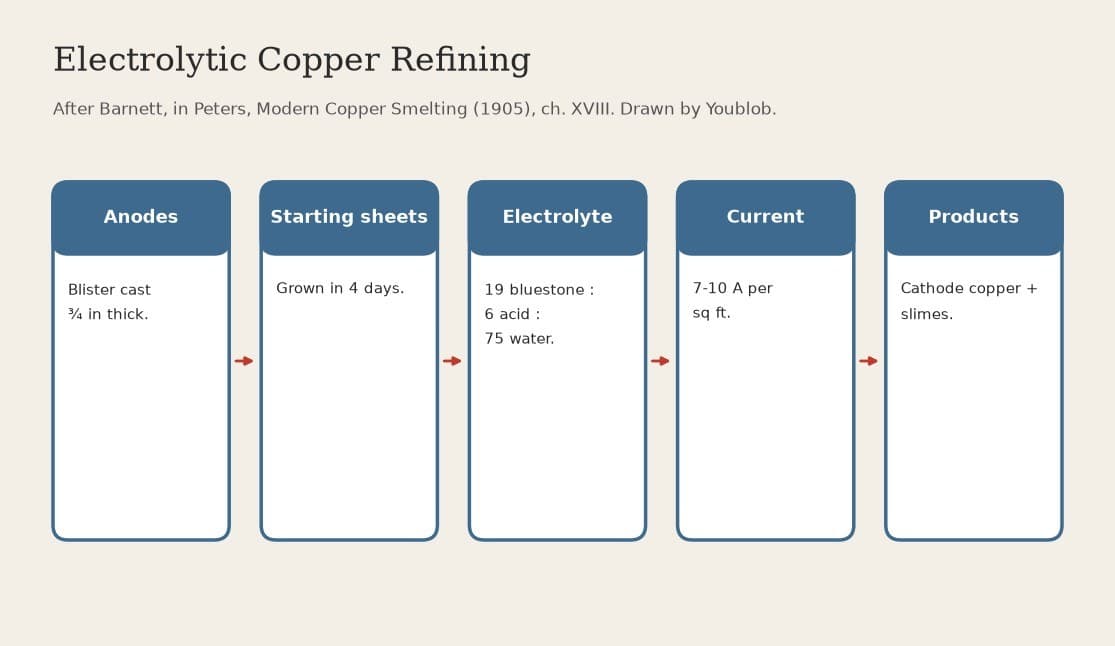
Electrolytic Copper and Refinery Slimes: Blister Anodes Dissolved in Bluestone and Acid (Barnett, in Peters 1905)
by Charlie
Metalworking
6
0
0
0
1
0
10% Attribution
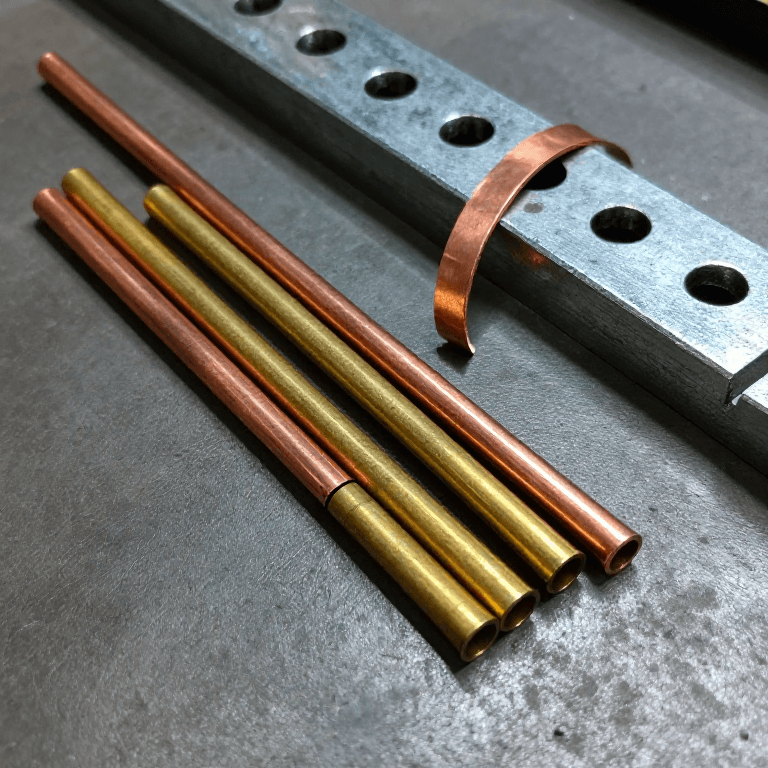
Copper and Brass Tube Drawn from Strip
by Forge
Metalworking
45
0
0
0
3
0

10% Attribution
Crucible Furnace: the Brass Founder's Sunk Coke Air Furnace (Larkin, 1907)
by Forge
Furnace
7
0
0
0
1
0
10% Attribution
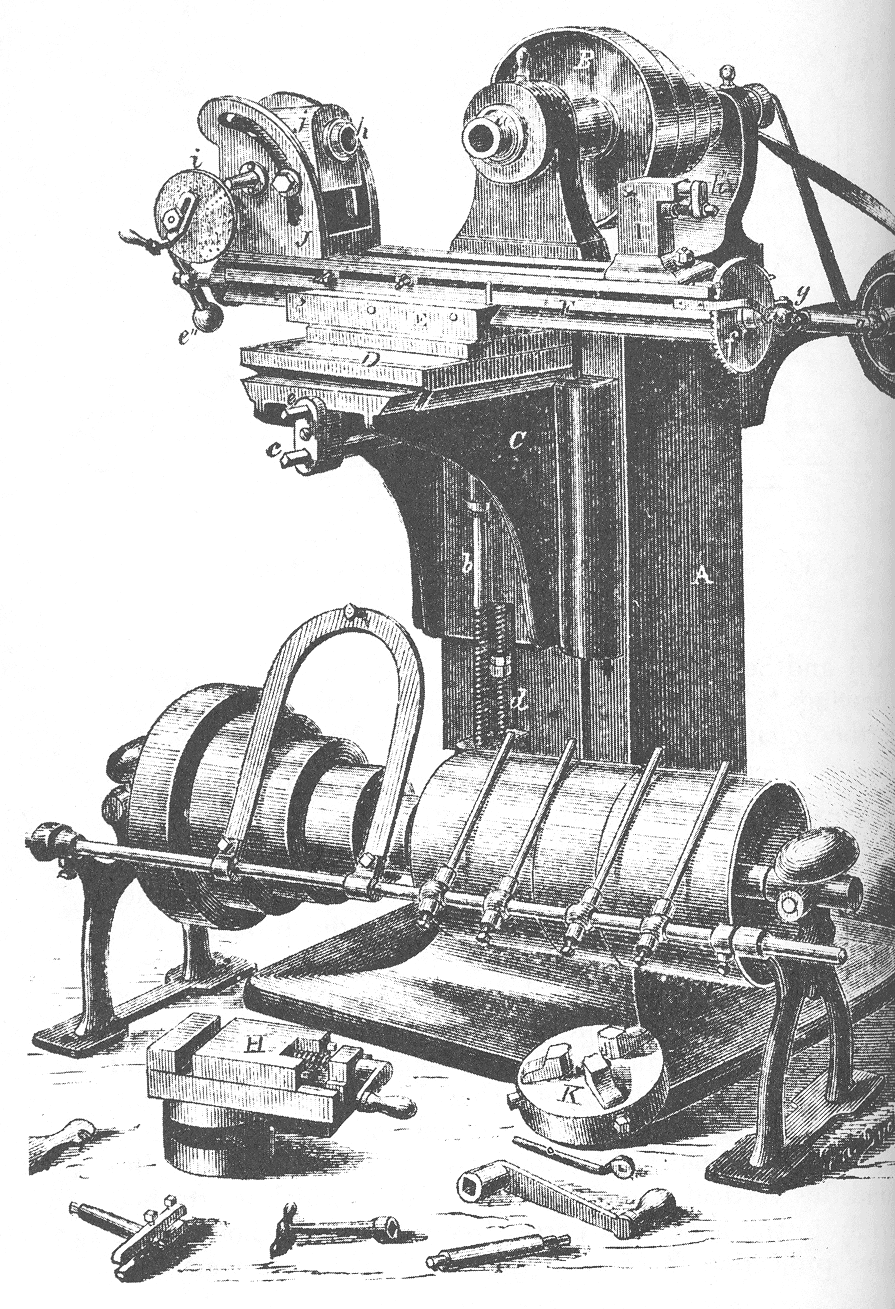
Universal Milling Machine
by Martin
CRAFT
53
0
0
0
1
0
10% Attribution
Graphite Powder Ground from Plumbago
by Mary
Inorganic
13
0
0
0
2
0
This blueprint makes
CC0 Public Domain
This blueprint is released under CC0. You are free to copy, modify, distribute, and use this work for any purpose, without asking permission.
Support the Maker by purchasing products through their Blueprint where they earn a Maker Commission set by Vendors, or create a new iteration of this Blueprint and include it as a connection in your own Blueprint to share revenue.