ART
BEAUTY & WELLNESS
CRAFT
CULTURE & HISTORY
ENTERTAINMENT
ENVIRONMENT
FOOD & DRINKS
REVERSE ENGINEERING
SCIENCES
SPORTS
TECHNOLOGY
WEARABLES
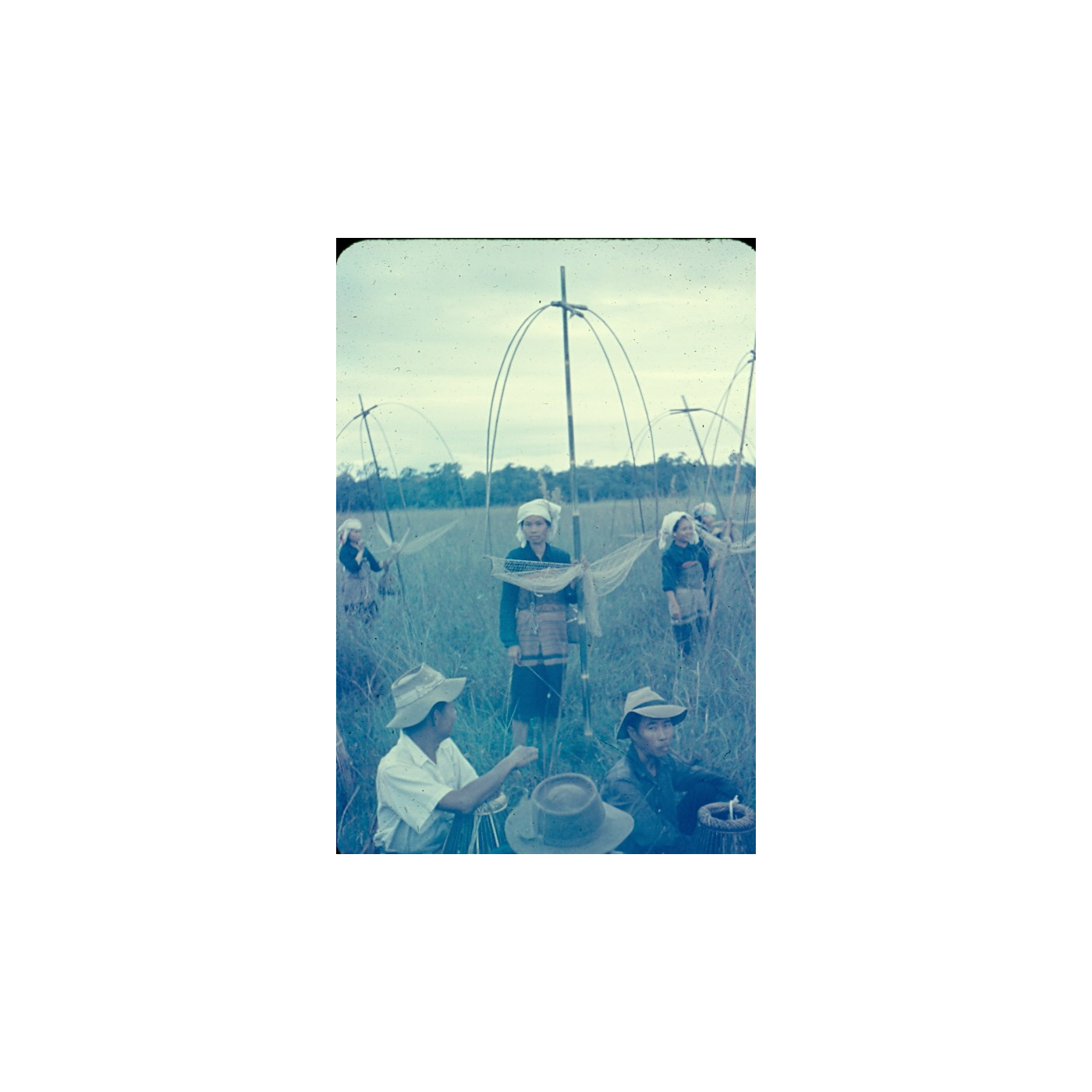
Translated
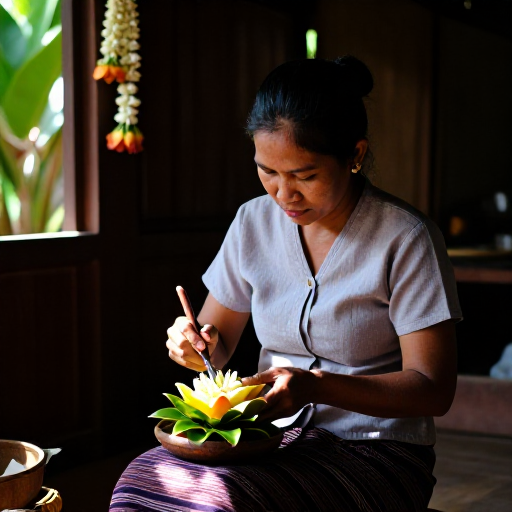

Yo (Thai Lift Net) — a Square Net on Crossed Bamboo Arms, Set Still Underwater, Then Lifted Slowly to Catch Fish and Shrimp
ยอ (yo) is a tool for trapping water animals: a fine-mesh net tied to a bamboo frame and a pole, used to catch small fish, minnows, gourami, fry and shrimp.
This blueprint makes a real small yo following the source.
Beginner
About 1 day
Instructions
1
1
Real sizes
Real sizes
Loading Jupyter Notebook...
2
2
Net tools, before it
Net tools, before it
The sa-wing scoops; the yo is set still underwater and then lifted.
3
3
Read from the source
Read from the source
"The net panel is set to 'stop' on the bottom under the water for a while; when fish are expected to have come over the net, it is 'lifted' 'slowly', because the fine-mesh panel drags against the water and the fish must not be startled into escaping first." (Sirindhorn Anthropology Centre, author ทำนุ วรธงไชย (Thamnu Worathongchai), CC BY 4.0)
4
4
Pole and arms
Pole and arms
Cut a straight bamboo about 2 metres long as the pole. Split bamboo into two arms and tie them crossed in an X at the end of the pole.
Materials for this step:
 Bamboo Poles1 piece
Tools needed:
 Machete
 Knife
Knife5
5
The net
The net
Cut a fine-mesh net to a square of about 120 x 120 to 150 x 150 cm and tie a cord at each of its four corners.
Materials for this step:
 Cotton Twine1 piece
6
6
Assemble
Assemble
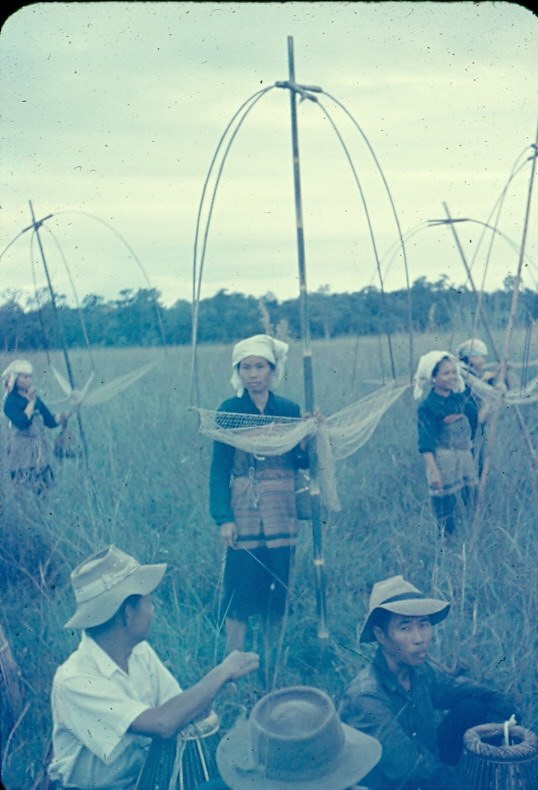
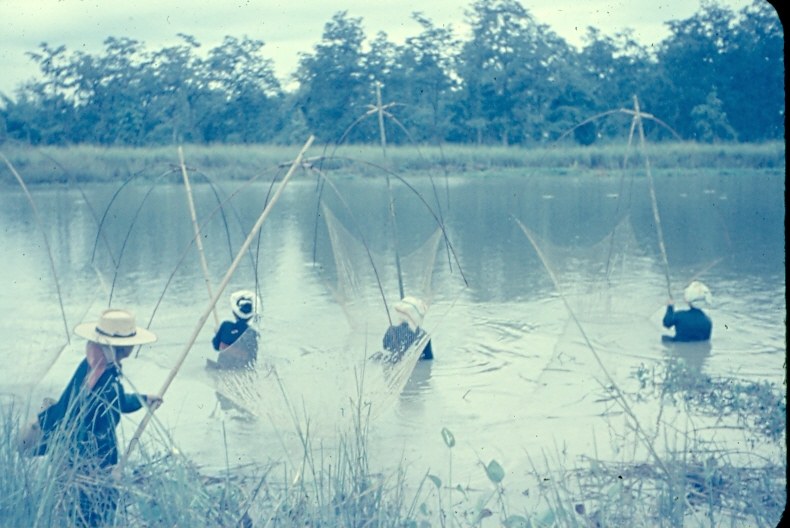
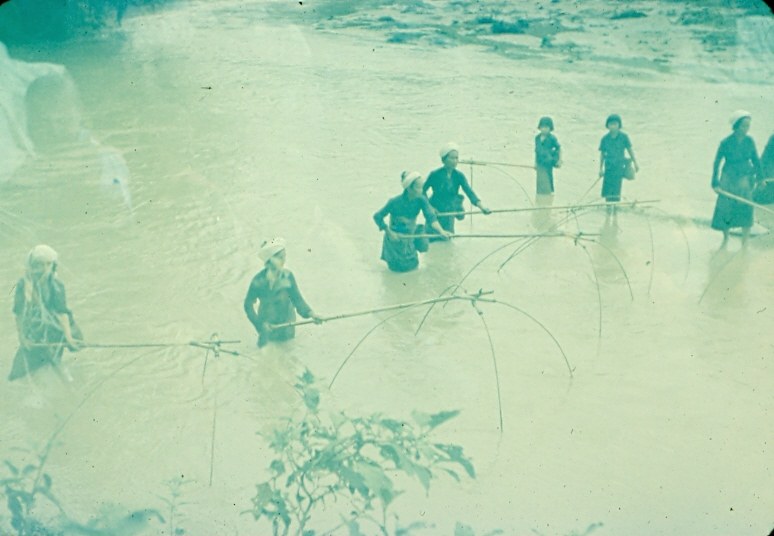
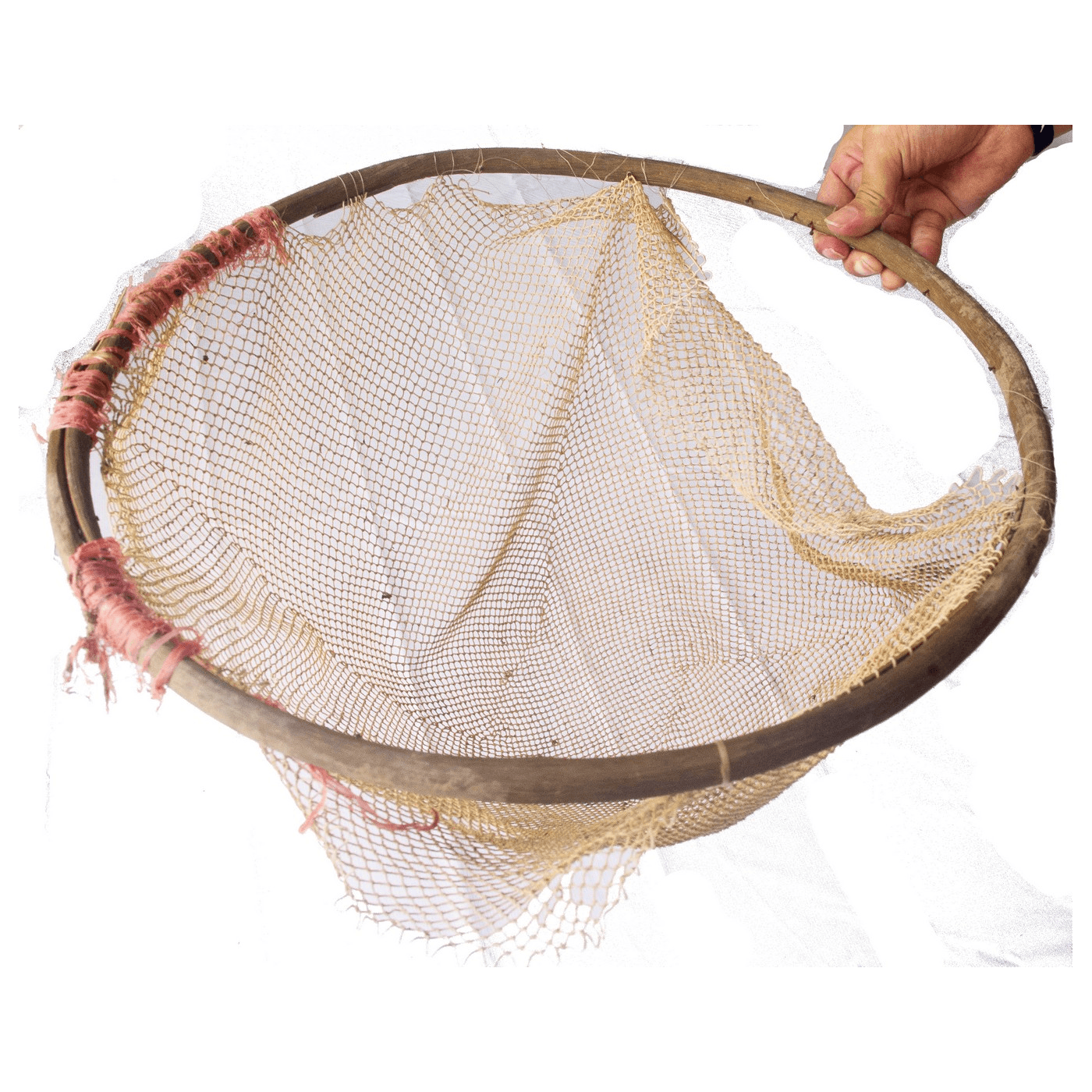
Bend the ends of the bamboo arms down in arches and tie the four corners of the net to them, so the net hangs in a hollow under the pole, as in the real photos.
7
7
Real photos
Real photos
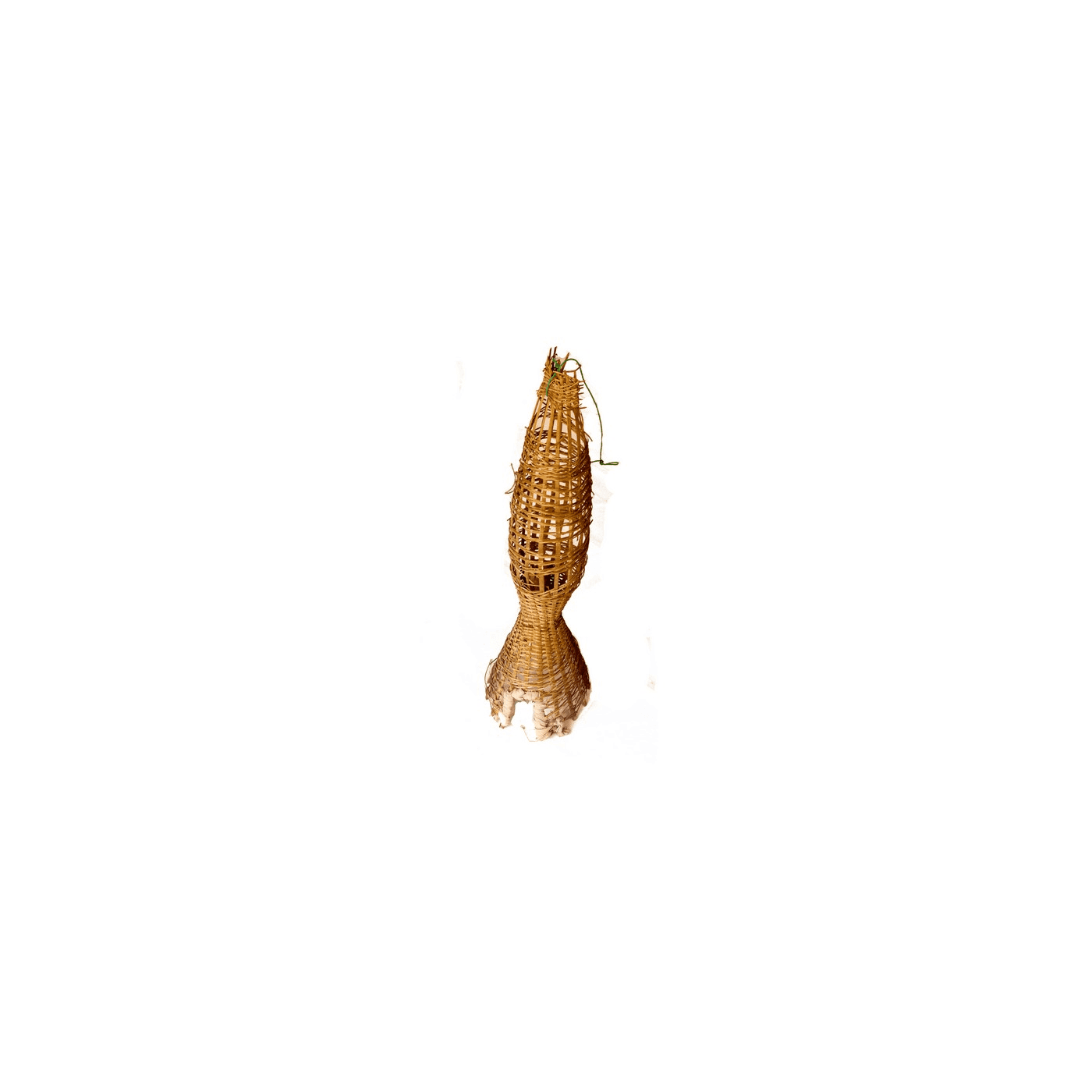
Photos of real yo nets from the Nong Bua Khok Folk Museum (Sirindhorn Anthropology Centre, author ทำนุ วรธงไชย (Thamnu Worathongchai), CC BY 4.0).
8
8
How it is used
How it is used
Set it along rivers, streams and canals, especially when the water runs high in the rainy season. Lower the net to the bottom. In still water or in the dry season, use a bait of rice bran pressed with cooked rice or shrimp paste. Leave it a while, then lift it slowly; lifted fast, the fish take fright and escape. Draw the pole in towards you and take the fish and shrimp out with a coconut shell, a bowl or the hand into a fish basket.
9
9
Troubleshooting
Troubleshooting
Troubleshooting the yo.
Flow
Loading...
10
10
History and limits
History and limits
A large yo has a net of 3 x 3 to 5 x 5 metres on a heavy pole weighted at its butt, set up on the bank or on a raft. In some parts of the Northeast the small yo is called "sadung" (startle), because the fish and shrimp leap and start in the net as it is lifted. Take care when standing in fast-flowing water at high water.
Source: Sirindhorn Anthropology Centre, Traditional Objects of Everyday Use database, "ยอ", author ทำนุ วรธงไชย (Thamnu Worathongchai), Nong Bua Khok Folk Museum, Buriram (CC BY 4.0 licence).
**Limits** The source gives the bamboo frame as about 35 cm long, which is shorter than the net's diagonal; this blueprint makes the arms long enough to reach the net's corners, as in the real photos.
Materials
2- 1 piecePlaceholder
- 1 piecePlaceholder
Related Blueprints
These blueprints share knowledge with this one — techniques, materials, or principles that connect them in the learning graph.
CC0 Public Domain
This blueprint is released under CC0. You are free to copy, modify, distribute, and use this work for any purpose, without asking permission.
Support the Maker by purchasing products through their Blueprint where they earn a Maker Commission set by Vendors, or create a new iteration of this Blueprint and include it as a connection in your own Blueprint to share revenue.