ART
BEAUTY & WELLNESS
CRAFT
CULTURE & HISTORY
ENTERTAINMENT
ENVIRONMENT
FOOD & DRINKS
REVERSE ENGINEERING
SCIENCES
SPORTS
TECHNOLOGY
WEARABLES
Hazardous

Yttrium Oxide: Xenotime Opened with Sulfuric Acid and Separated on 30-Inch Ion Exchange Columns with EDTA (Ames Laboratory, IS-1, 1959)
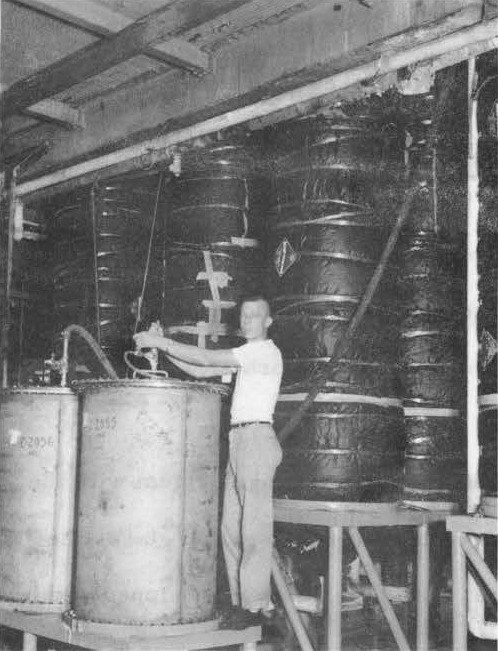
Xenotime is mostly yttrium phosphate. The Ames Laboratory opened it with hot sulfuric acid, loaded the rare earths onto a train of 30-inch resin columns and washed them down with EDTA until the yttrium came off on its own, between dysprosium and terbium.
Result: about 500 lb of pure yttrium oxide per run; 3000 lb in six runs.
Source: F. H. Spedding, J. E. Powell and H. Burkholder, in USAEC report IS-1 (Ames Laboratory, 1959), pp. 16-20 and 175-181. Hot strong sulfuric acid burns; wear acid protection. Picture: the Ames ion exchange units, Fig. 23 of the report.
Expert
several days
Hazardous content
This blueprint contains hazardous procedures. Log in and enable hazardous content in your account settings to view the step-by-step instructions.
Sign inThis blueprint makes
Related Blueprints
These blueprints share knowledge with this one — techniques, materials, or principles that connect them in the learning graph.
Hazardous
Making Sulfuric Acid by the Lead Chamber Process — The Acid That Built the Industrial Revolution
by Charlie
Industrial
77
0
0
0
6
0
Hazardous
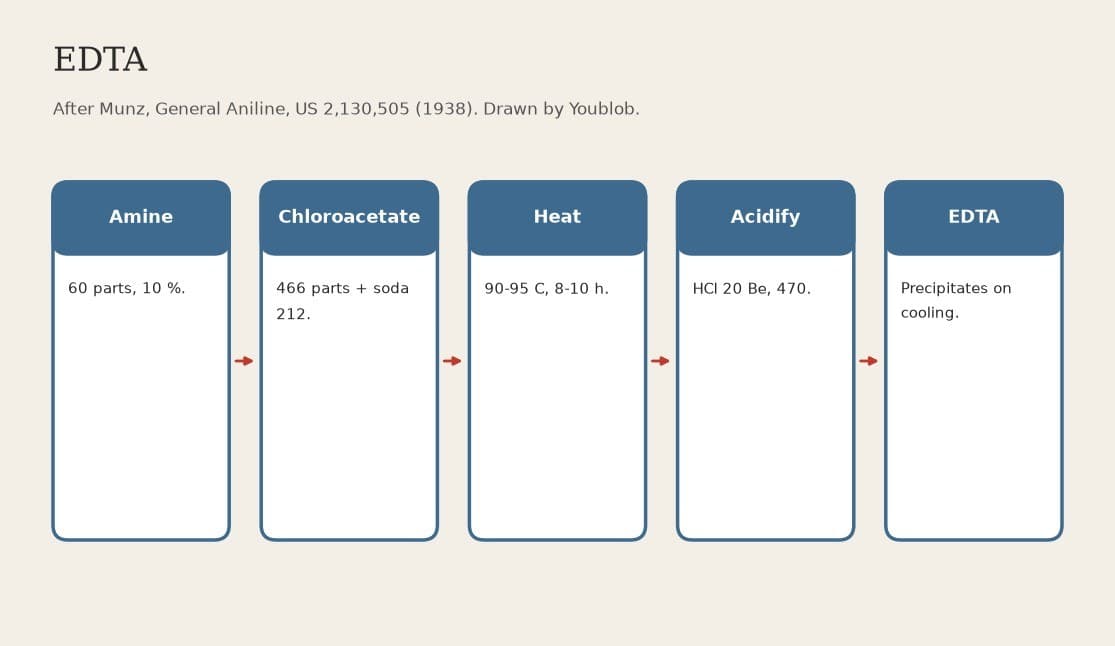
EDTA: Ethylenediamine with Sodium Chloroacetate and Soda at 90-95 C, Precipitated with Hydrochloric Acid (Munz, US 2,130,505)
by Charlie
Organic
2
0
0
0
0
0
Hazardous
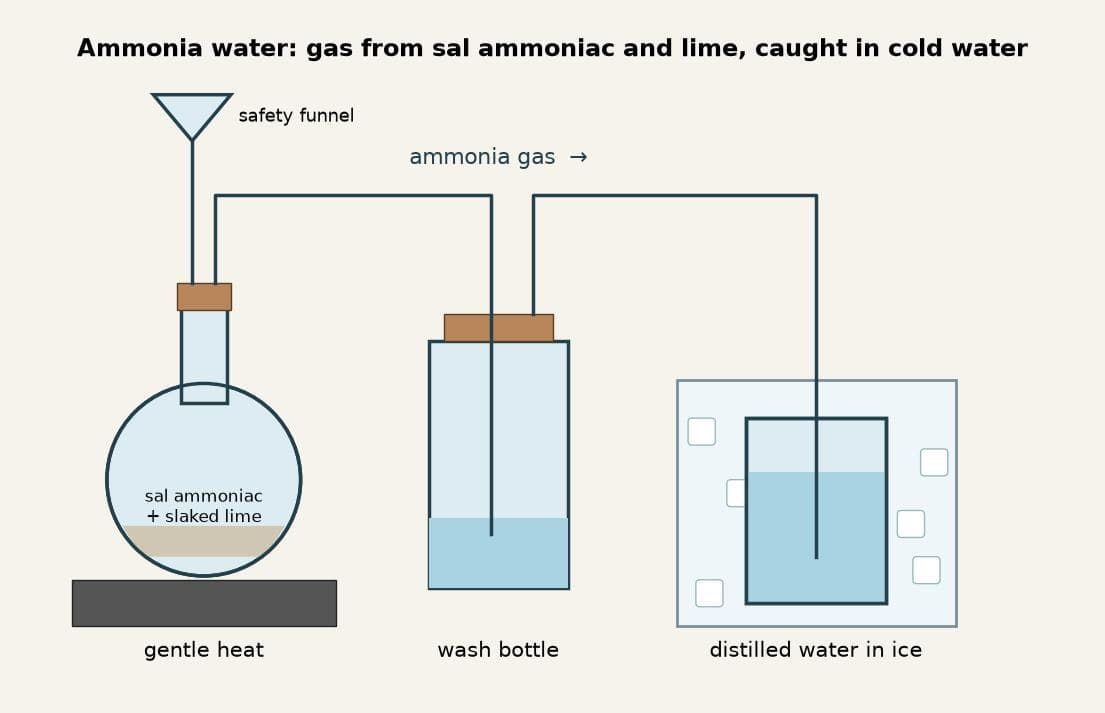
Ammonia Water: Sal Ammoniac and Lime, Gas Caught in Cold Water
by Charlie
Inorganic
24
0
0
0
0
0
CC0 Public Domain
This blueprint is released under CC0. You are free to copy, modify, distribute, and use this work for any purpose, without asking permission.
Support the Maker by purchasing products through their Blueprint where they earn a Maker Commission set by Vendors, or create a new iteration of this Blueprint and include it as a connection in your own Blueprint to share revenue.