
NGHỆ THUẬT
LÀM ĐẸP VÀ SỨC KHỎE
THỦ CÔNG
VĂN HÓA VÀ LỊCH SỬ
GIẢI TRÍ
MÔI TRƯỜNG
THỰC PHẨM VÀ ĐỒ UỐNG
KỸ THUẬT NGƯỢC
KHOA HỌC
THỂ THAO
CÔNG NGHỆ
THIẾT BỊ ĐEO
Arrack (Spirit of Rice): Rice Flour Gelatinised, Saccharified with Malt, Fermented and Distilled (Byrn, 1868)
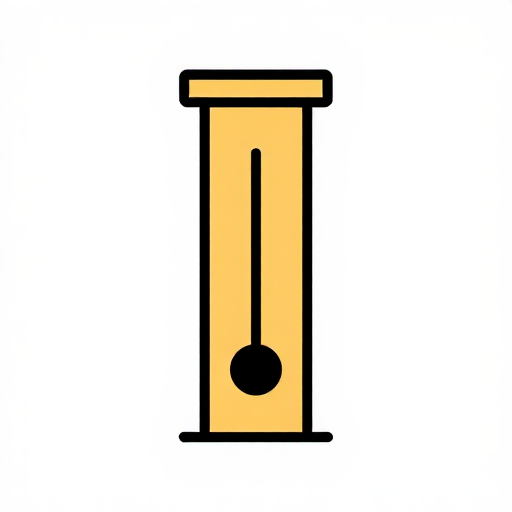
Alchometer

Tạo bởi

Alchometer

19. tháng Mười Một 2026GB
6
0
0
0
0

Arrack (Spirit of Rice): Rice Flour Gelatinised, Saccharified with Malt, Fermented and Distilled (Byrn, 1868)

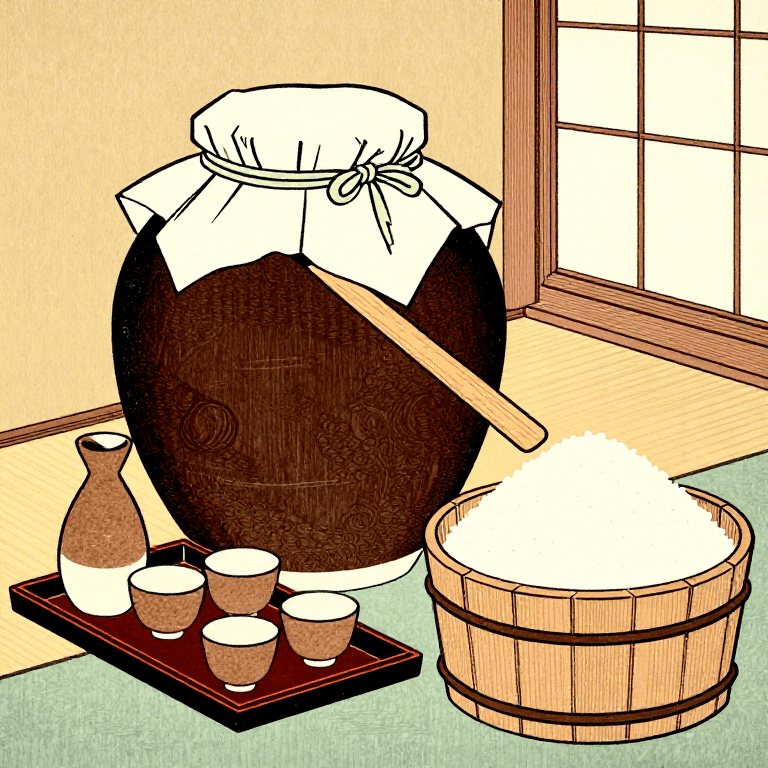
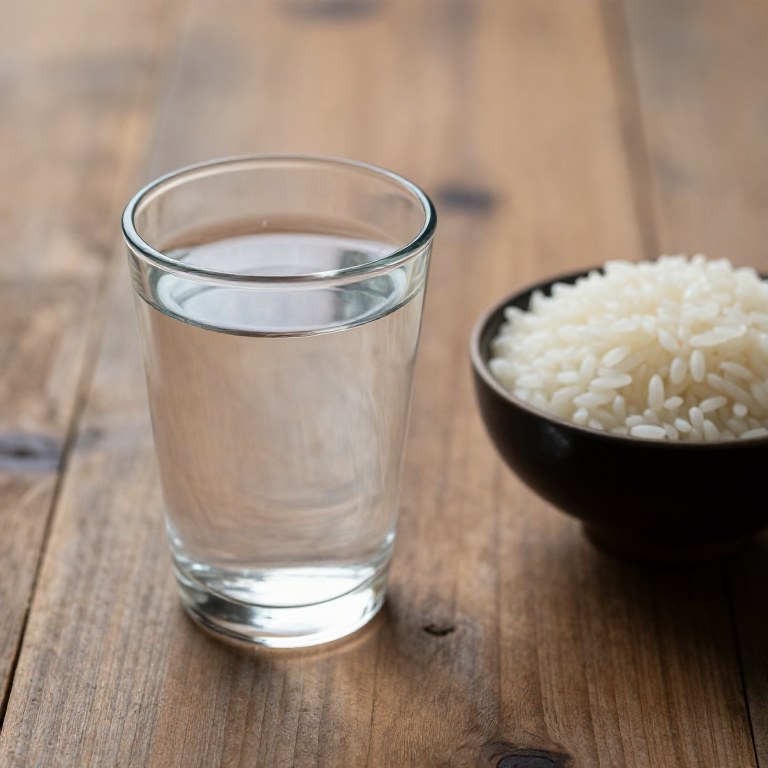
Arrack, the spirit of rice, as M. La Fayette Byrn gives it in The Complete Practical Distiller (1868): rice ground to fine flour, stirred with water, thickened with boiling water to 180 F, then turned sweet and fluid in three or four hours by malt flour steeped apart; thinned, fermented like corn and distilled. Rice has no sugar of its own: the malt does the work. Distilling spirits without a licence is illegal in many countries: check your law first.
Nâng cao
About 3 weeks

Hướng dẫn

1

Read Byrn, and the law

"Rice contains no sugar, and its composition appears to be essentially farinaceous." (p. 124.) Ours: distilling spirits without a licence is illegal in many countries, Norway and the United States among them. Check your law first.
2

The still

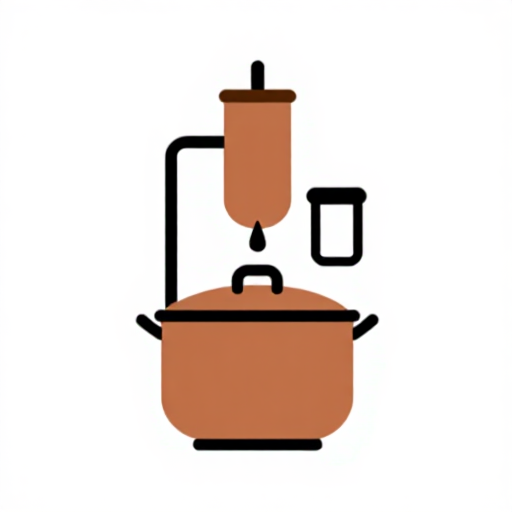
A pot still with a worm in a tub of cold water.
3

His measures in metric

Đang tải sổ tay Jupyter…
4

Grind rice and malt fine

Grind the rice into fine, well-divided flour. Grind malt, a quarter of the rice's weight, into fine flour too.

Vật liệu cho bước này:

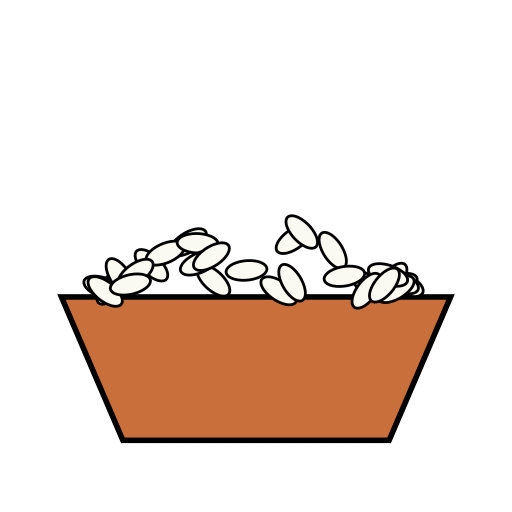
Gạo trắngGạo trắng1 as required
Mạch nha nhạtMạch nha nhạt1 as required

Công cụ cần thiết:

Máy nghiền hạtMáy nghiền hạt
5

Rice and water, 77-80 F

Stir the rice flour with its own weight of water, warm enough that the stirred mass reads 77-80 F (25-27 C). Leave it half an hour.

Vật liệu cho bước này:

NướcNước1 as required

Công cụ cần thiết:

Chậu gỗChậu gỗ
Thìa gỗThìa gỗ
Nhiệt kế nấu ănNhiệt kế nấu ăn
6

Steep the malt apart

Meanwhile stir the malt flour into its own weight of water at 100 F (38 C).

Vật liệu cho bước này:

NướcNước1 as required

Công cụ cần thiết:

Nồi lớnNồi lớn
Nhiệt kế nấu ănNhiệt kế nấu ăn
7

Thicken to 180 F

Let boiling water into the rice, stirring all the time, until it is a thick, dense paste and the thermometer reads 180 F (82 C).

Vật liệu cho bước này:

NướcNước1 as required

Công cụ cần thiết:

Nồi lớnNồi lớn
Thìa gỗThìa gỗ
Nhiệt kế nấu ănNhiệt kế nấu ăn
8

Mash in the malt

Throw in the steeped malt and stir it every way until it is evenly mixed. Cover the tub and leave it three or four hours: it turns fluid and slightly sweet.

Công cụ cần thiết:

Chậu gỗChậu gỗ
Thìa gỗThìa gỗ
9

Thin and cool

Lengthen it with cold water to "44 density" (his reading; he gives no unit) and to fermenting heat.

Vật liệu cho bước này:

NướcNước1 as required

Công cụ cần thiết:

Tỷ trọng kếTỷ trọng kế
Nhiệt kế nấu ănNhiệt kế nấu ăn
10

Ferment as for corn

Byrn: the fermentation of rice "is absolutely the same as in the fermentation of corn". His corn rule (p. 97): start at 65-70 F (18-21 C), add yeast in nearly equal portions over three days; it peaks near 80 F and is done in eight to twelve days.

Vật liệu cho bước này:

Men biaMen bia1 as required

Công cụ cần thiết:

Thùng gỗThùng gỗ
Nhiệt kế nấu ănNhiệt kế nấu ăn
11

Charge and lute the still

Charge the still with the fermented wash; Byrn says the sediment is so small it may be neglected. Lute the joints of body and head with a paste of half whiting and half rye meal. Keep a piece of paste in reserve.

Vật liệu cho bước này:

Canxi cacbonat (bột đá trắng)Canxi cacbonat (bột đá trắng)1 as required
Bột lúa mạch đenBột lúa mạch đen1 as required
NướcNước1 as required

Công cụ cần thiết:

Nồi chưng cấtNồi chưng cất
12

Raise the fire by degrees

Start a moderate fire and increase it by degrees, feeling the body of the still with your hand. When the still-head grows hot, damp the fire. Keep candles and flames away from the spirit; have a wet woollen blanket ready.

Công cụ cần thiết:

Nồi chưng cấtNồi chưng cất
Chăn len dệtChăn len dệt
13

Set aside the first runnings

Ours, not Byrn's: collect the first small portion that runs from the worm separately and do not drink it; the first runnings of a fruit spirit can carry methanol.

Công cụ cần thiết:

Ca đongCa đong
14

Run the low wines

Distil as long as a little of what runs, thrown on the hot still-head, will take fire from a lighted paper or candle. This is the low wines, the first extraction.

Công cụ cần thiết:

Nồi chưng cấtNồi chưng cất
NếnNến
Thùng gỗThùng gỗ
Tỷ trọng kếTỷ trọng kế
15

Double the low wines

Keep the low wines of about three distillations; they fill the still for the doubling, the second extraction. Distil them again the same way.

Công cụ cần thiết:

Nồi chưng cấtNồi chưng cất
16

Cut at the bead

Keep trying the spirit in a glass phial. When the bead falls at once and does not stay on the surface, change the receiver: what follows is feints.

Công cụ cần thiết:

Lọ thủy tinh nhỏ (đựng mẫu)Lọ thủy tinh nhỏ (đựng mẫu)
Ca đongCa đong
17

Collect the feints, stop the fire

Go on collecting the feints as long as they burn on the still-head. When they no longer burn, put out the fire and pour the feints into a cask of their own.

Công cụ cần thiết:

Thùng gỗThùng gỗ
NếnNến
18

Bring to proof

Lower the spirit with water to proof by the hydrometer.

Vật liệu cho bước này:

NướcNước1 as required

Công cụ cần thiết:

Tỷ trọng kếTỷ trọng kế
Ca đongCa đong
19

Redistil the feints

When you have enough feints, charge the still with them almost to the top, add 4 lb (1.8 kg) of salt, and draw off as long as the spirit is strong enough.

Vật liệu cho bước này:

MuốiMuối1.8 kg

Công cụ cần thiết:

Nồi chưng cấtNồi chưng cất
20

Keep it in glass

Byrn, on brandy: "When brandy is kept in vessels the pores of which will not admit of any transmission of the liquor, (as glass, for instance,) the brandy will improve." (p. 95.)

Vật liệu cho bước này:

Chai thủy tinh có nútChai thủy tinh có nút1 cái

Công cụ cần thiết:

Ca đongCa đong
21

Troubleshooting

Arrack problems and fixes.

Flow

Loading...
22

History and honest limits

**M. La Fayette Byrn**, *The Complete Practical Distiller* (Philadelphia, 1868), pp. 124-126, a method he calls "very practicable in the distillation of rice". He also allows malting a quarter to a third of the rice itself. His "44 density" has no unit and is left as he gives it; the fermentation follows his corn rules (p. 97) as he directs; the still steps are his general rules (pp. 12-15, 142, 163). Ours: the Celsius figures, the law note and setting aside the first runnings.

Vật liệu

8

Công cụ yêu cầu

12

Bản thiết kế này làm ra

CC0 Phạm vi công cộng

Bản thiết kế này được phát hành theo CC0. Bạn tự do sao chép, sửa đổi, phân phối và sử dụng cho bất kỳ mục đích nào mà không cần xin phép.

Hỗ trợ nhà sáng tạo bằng cách mua sản phẩm qua bản thiết kế, nơi họ nhận Hoa hồng nhà sáng tạo do nhà bán hàng đặt, hoặc tạo phiên bản mới và kết nối trong bản thiết kế riêng để chia sẻ doanh thu.

Thảo luận

(0)

Đăng nhập để tham gia thảo luận

Đang tải bình luận...