NGHỆ THUẬT
LÀM ĐẸP VÀ SỨC KHỎE
THỦ CÔNG
VĂN HÓA VÀ LỊCH SỬ
GIẢI TRÍ
MÔI TRƯỜNG
THỰC PHẨM VÀ ĐỒ UỐNG
KỸ THUẬT NGƯỢC
KHOA HỌC
THỂ THAO
CÔNG NGHỆ
THIẾT BỊ ĐEO
Youblob (generated from this blueprint's notebook) · CC0

Counterflow: The Same Area Does More When the Streams Run Opposite
Every heat exchanger in this batch — the economiser, the condenser, the plate exchanger — is built to one rule: make the hot and cold streams run in opposite directions. It is the single cheapest improvement in heat transfer, because it costs no extra metal.
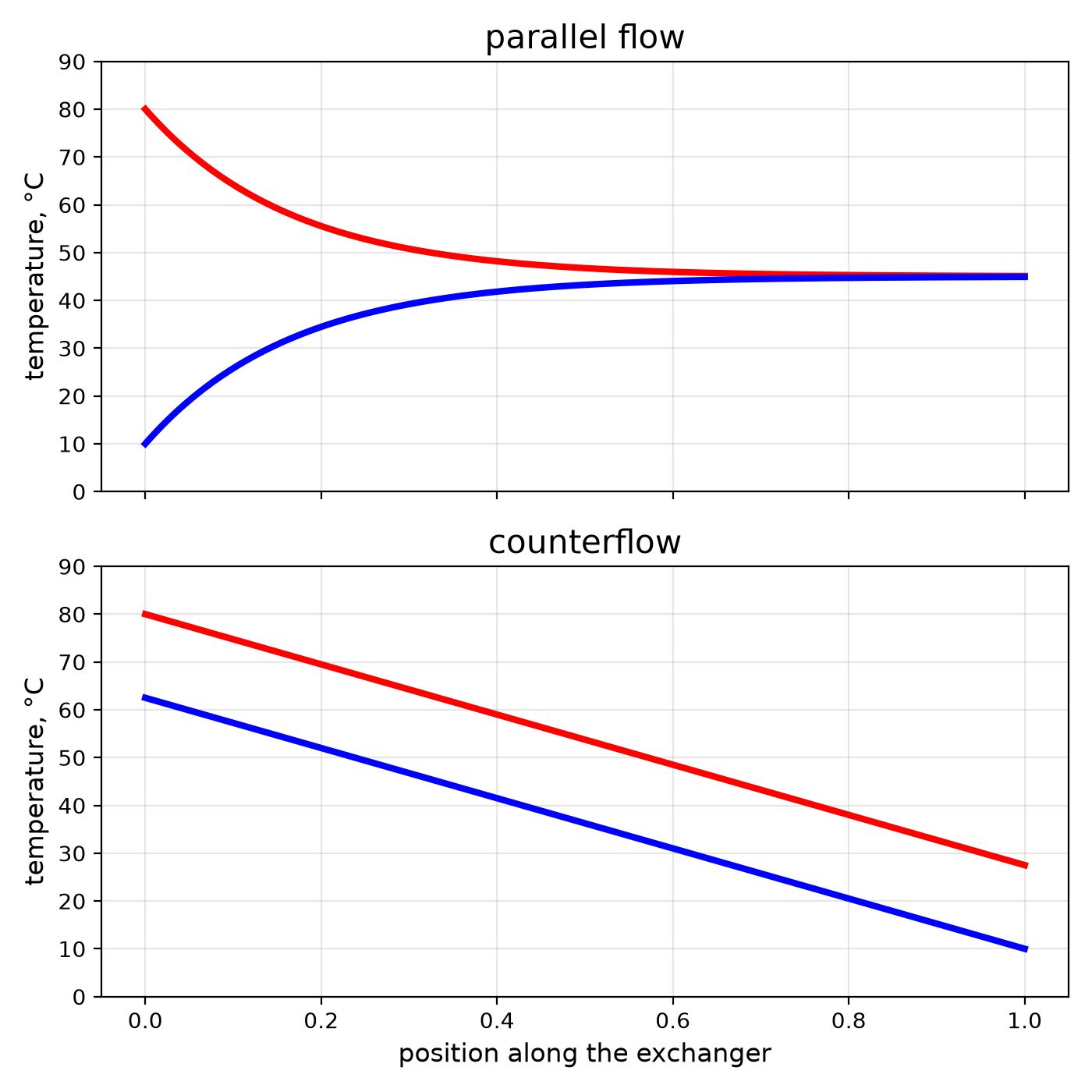
Run the same way, two streams approach a common middle temperature and stop; the cold one can never leave hotter than the hot one does. Run opposite, the cold stream meets the hottest fluid just as it leaves, and can come out warmer than the hot stream exits.
This rung builds a tube-in-tube exchanger from a copper tube inside a hose, logs four temperatures with an Arduino, and runs it both ways to measure the difference.
Trung cấp
About 5 hours
Hướng dẫn
1
1
Parallel against counterflow, in numbers
Parallel against counterflow, in numbers
Đang tải sổ tay Jupyter…
2
2
Build a tube-in-tube exchanger
Build a tube-in-tube exchanger
Take 2 m of 10 mm copper tube and slide it inside 2 m of clear vinyl tube with a bore comfortably larger — the annulus between them is the second channel. At each end fit a tee from the PVC fittings kit: the copper passes straight through the tee and is sealed where it exits with silicone; the tee's side branch is the jacket connection.
You now have two independent channels: inside the copper, and between copper and vinyl. Coil the whole thing loosely and insulate it with glass wool, leaving the four connections free. Push a waterproof temperature probe into each of the four connections through a hole sealed with silicone.
Vật liệu cho bước này:
 Ống đồng 10 mm2 mét
 Ống nhựa vinyl trong2.5 mét
 Bộ phụ kiện ống PVC1 bộ
 Keo silicon1 cái
 Vật liệu cách nhiệt bông thủy tinh1 sqm
 Bộ kẹp ống các cỡ1 bộ
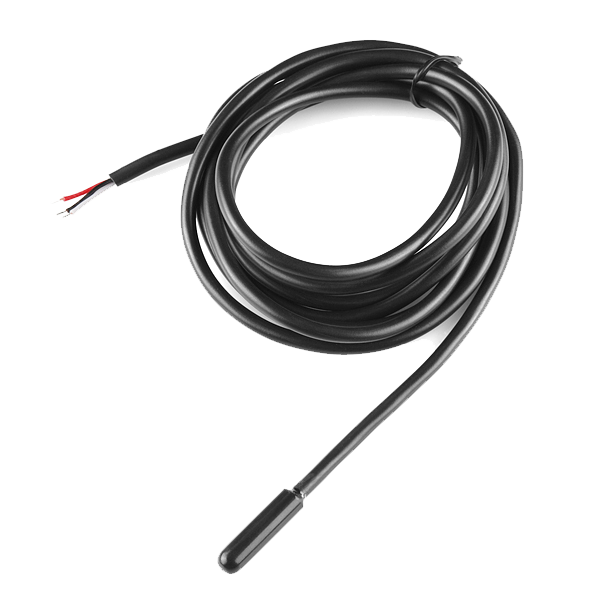 Temperature Sensor - Waterproof (DS18B20)4 cái
Công cụ cần thiết:
 Dao cắt ống
 Máy khoan pin
 Bộ mũi khoan
 Găng tay da bảo hộ
3
3
The logger
The logger
Four DS18B20 probes on a single data wire, logging hot in, hot out, cold in and cold out every few seconds as comma-separated lines you can paste into the notebook or a spreadsheet.
hx_logger.inoarduino
Vật liệu cho bước này:
 Arduino Uno R31 cái
 Điện trở 10 kilôôm2 cái
 Dây nối1 bộ
Công cụ cần thiết:
 Máy tính cài Arduino IDE
4
4
Run it both ways
Run it both ways
Feed the copper with hot water from a bucket on a shelf — about 60 °C from a kettle topped up with cold — and the jacket with cold tap water. Set both flows to the same rate by timing each outlet into a measuring jug (aim for about 1 litre per minute).
**Parallel:** both streams enter at the same end. Let the logger settle for five minutes and note the four temperatures.
**Counterflow:** swap the jacket's hoses so the cold enters at the far end. Keep both flows the same. Settle and note.
Compare the cold outlet in the two runs. In counterflow it comes out noticeably warmer — often warmer than the hot outlet — with no change to the hardware except which way one hose points. Work out the heat each side carried; they should agree within a few per cent.
Vật liệu cho bước này:
 Nước40 lít
Công cụ cần thiết:
 Ấm đun nước điện thủy tinh
 Xô
Xô Ca đong
 Đồng hồ bấm giờ
 Nhiệt kế nhà bếp
5
5
Context
Context
A practice rung: no patent anchors counterflow — it is physics that engineers learned and wrote into every exchanger. The effectiveness–NTU method used in the notebook was set out in the mid-twentieth century and is how exchangers are sized today.
Where it shows up in this catalogue: the economiser meets the coolest gas with the coldest water; the Stirling engine's regenerator and a rocket's regenerative cooling both depend on it; the Linde air liquefier works only because its counterflow exchanger lets the cold returning gas pre-cool the incoming gas.
**Honest limits.** Counterflow gains most when you want the streams to approach each other's temperatures; for a small temperature change on one side it matters less. And it cannot beat the laws: with equal flows even a perfect counterflow exchanger only approaches 100 % effectiveness as its area goes to infinity.
Vật liệu
11- 2 métTạm thời
- 2.5 métTạm thời
- Tạm thời
- 1 cáiTạm thời
- Tạm thời
- Tạm thời
- Temperature Sensor - Waterproof (DS18B20)Hoa hồng 10%4 cái$9.36
- từ$26.65
- từ$1.17
- 40 lítTạm thời
Công cụ yêu cầu
10- Tạm thời
- 1 vendor sell this, none ship to you yetTạm thời
- Tạm thời
- Tạm thời
- Tạm thời
- Tạm thời
- Tạm thời
- Tạm thời
- Tạm thời
- Tạm thời
Tổng ước tính
Những gì người làm đã mua. Vật liệu không hiện giá thì bạn mua ở đâu tuỳ bạn.
Blueprint liên quan
Các blueprint này chia sẻ kiến thức — kỹ thuật, vật liệu hoặc nguyên tắc

The Economiser: The Heat Still Going Up the Chimney
bởi Martin
Cơ học
11
0
0
0
0
0
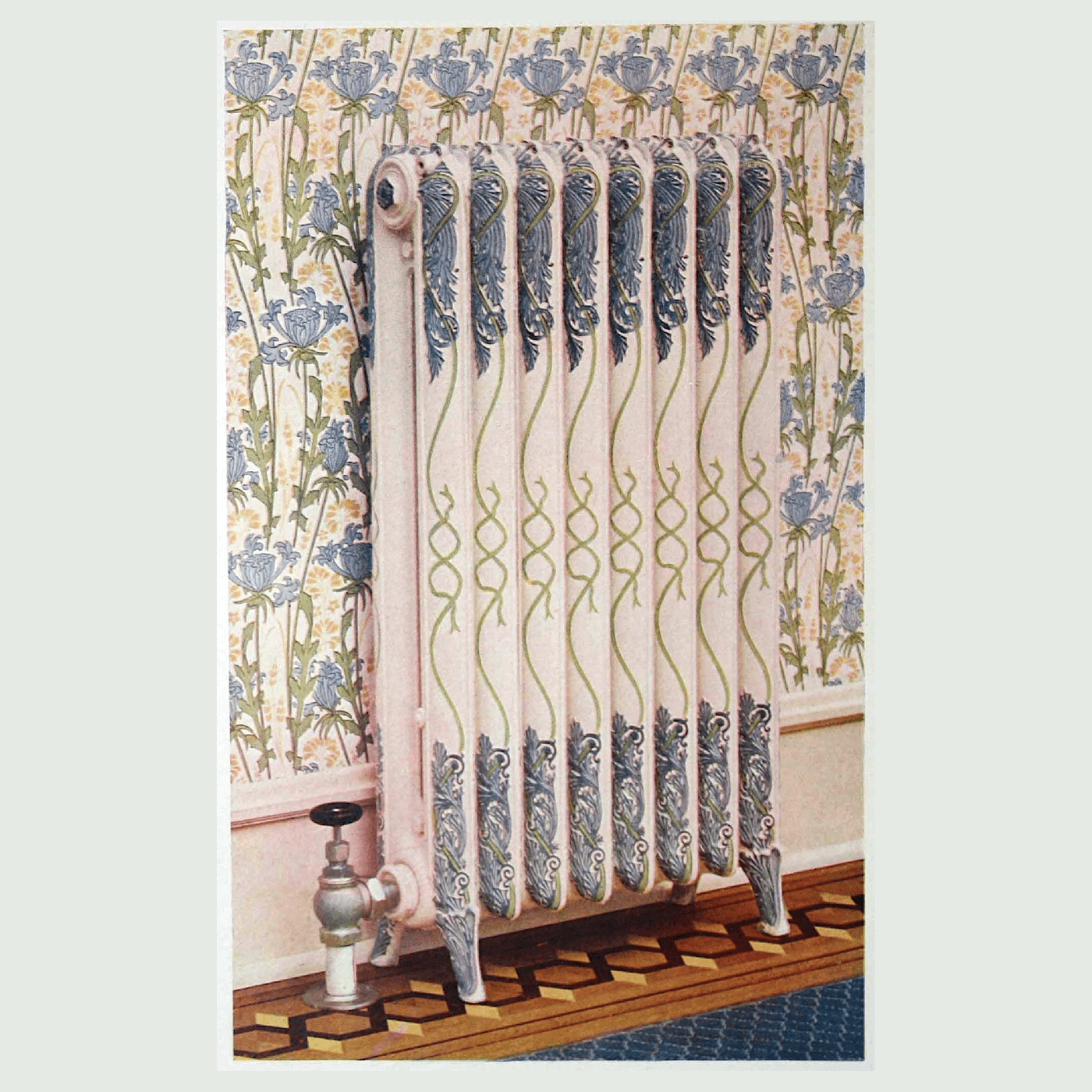
The Radiator: Mostly Convection, and Why Temperature Is Everything
bởi Emma
Cơ học
9
0
0
0
0
0
Stirling Engine
bởi Martin
MÔI TRƯỜNG
47
0
0
0
0
0
The Cooling Tower
bởi Peter
Cơ học chất lỏng
40
0
0
0
1
0
Regenerative Cooling
bởi Emma
Không gian
53
0
0
0
0
0
Ammonia Refrigeration Machine
bởi Emma
CÔNG NGHỆ
39
0
0
0
2
0
CC0 Phạm vi công cộng
Bản thiết kế này được phát hành theo CC0. Bạn tự do sao chép, sửa đổi, phân phối và sử dụng cho bất kỳ mục đích nào mà không cần xin phép.
Hỗ trợ nhà sáng tạo bằng cách mua sản phẩm qua bản thiết kế, nơi họ nhận Hoa hồng nhà sáng tạo do nhà bán hàng đặt, hoặc tạo phiên bản mới và kết nối trong bản thiết kế riêng để chia sẻ doanh thu.