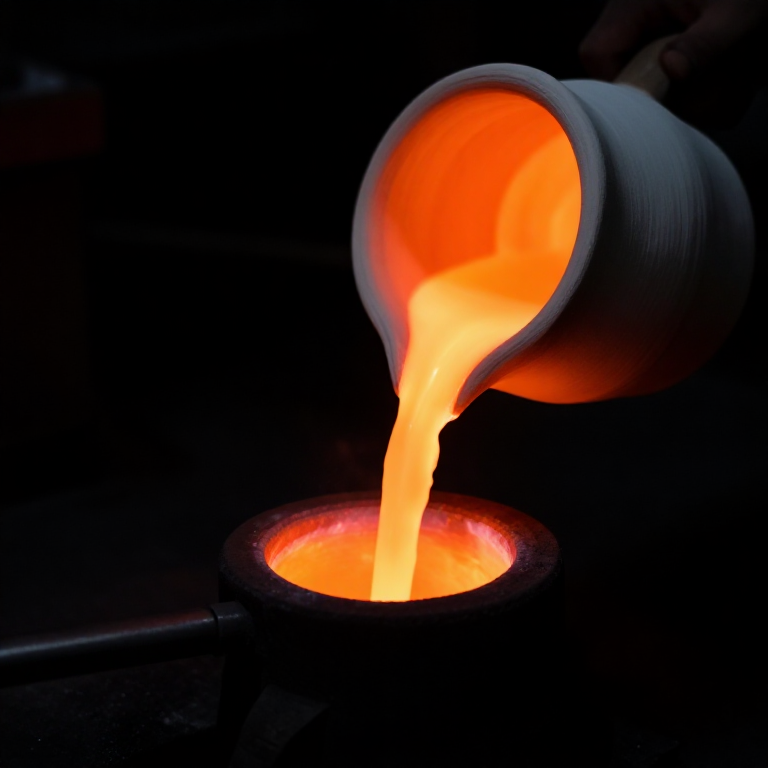


Crucible Cast Steel by the Huntsman Process — Remelting Blister Steel into Flawless Ingots
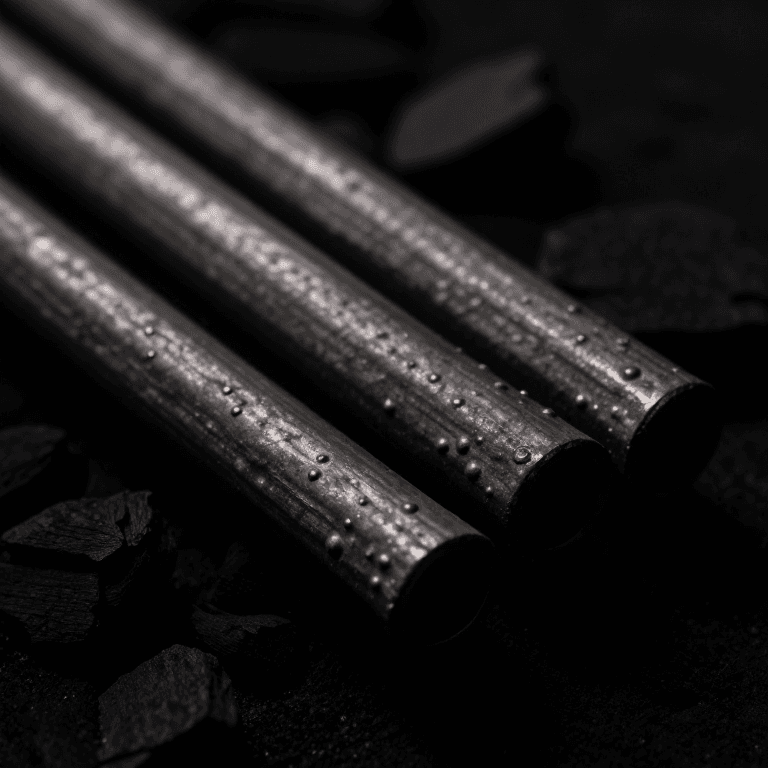
Blister steel was a triumph, but it had a flaw: its carbon was uneven, rich at the surface of each bar and poor in the core. For fine springs, watch parts, and razors, smiths needed steel that was the same all the way through. In 1740 the Sheffield clockmaker Benjamin Huntsman found the answer — melt the steel completely.
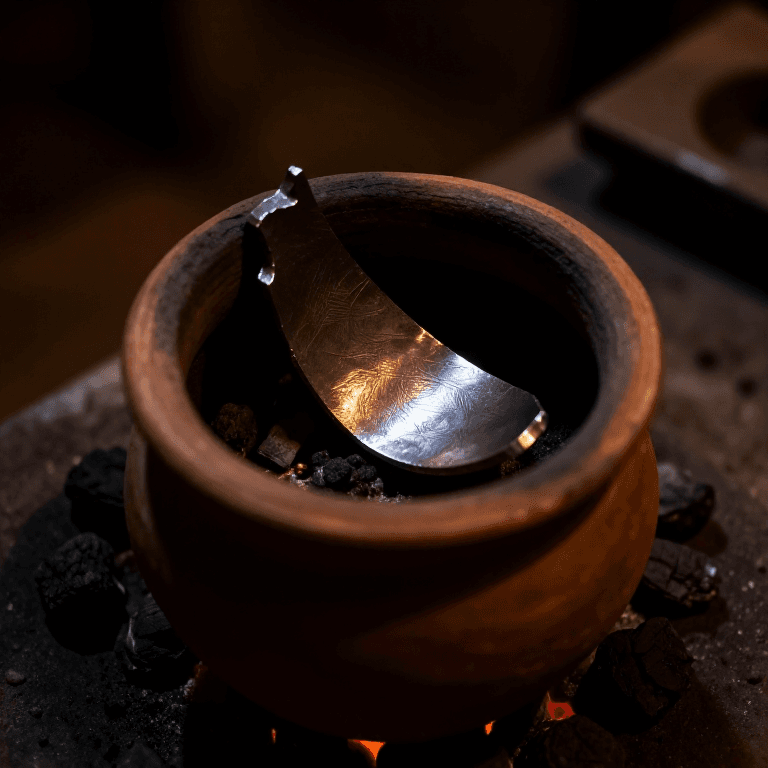
No furnace of the day could melt steel, so Huntsman built one that could. He broke blister steel into small pieces, sealed them in a covered clay crucible, and drove a coke fire hot enough — around 1600 degrees Celsius — to turn the solid steel into a clear liquid. Fully molten, the carbon spread perfectly evenly through the metal and the impurities floated off as slag. Poured into a mould, it set into a flawless ingot of cast steel.
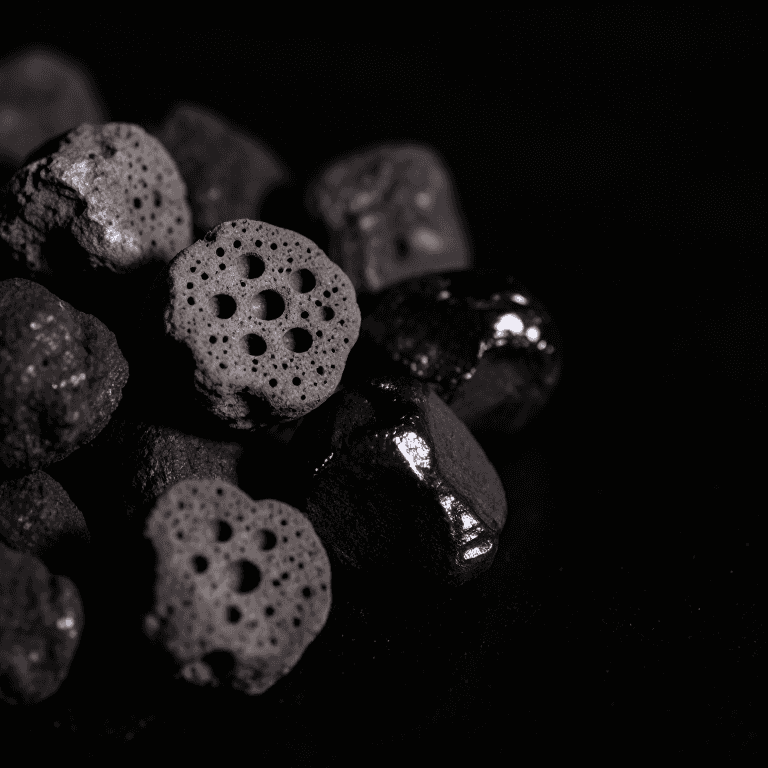
Huntsman's crucible steel was the finest in the world and made Sheffield the steel capital of the age. The principle — melt it to make it uniform — is the same one that still underlies steelmaking today, and it sits at the very top of the iron-and-steel chain that runs from ore to coke to pig iron to wrought iron to blister steel to this.
Hướng dẫn
Understand the goal
Understand the goal
Break up the blister steel
Break up the blister steel
Vật liệu cho bước này:
 Thanh thép bọt12 kg
Công cụ cần thiết:
 Búa
BúaPrepare a clay crucible
Prepare a clay crucible
Vật liệu cho bước này:
 Nồi nấu bằng đất, lòng sâu1 cái
Charge the crucible
Charge the crucible
Vật liệu cho bước này:
 Phiến đá vôi1 kg
Build a coke melting furnace
Build a coke melting furnace
Vật liệu cho bước này:
 Than cốc luyện kim50 kg
Công cụ cần thiết:
 Bễ thổi
Melt the steel fully
Melt the steel fully
Công cụ cần thiết:
 Kìm gắp nồi nấu kim loại
Let the carbon even out
Let the carbon even out
Let the slag rise
Let the slag rise
Lift the crucible
Lift the crucible
Công cụ cần thiết:
Kìm gắp nồi nấu kim loạiCast the ingot
Cast the ingot
Công cụ cần thiết:
 Khuôn đúc thỏi
Cool and strip
Cool and strip
Công cụ cần thiết:
BúaIdentify cast steel
Identify cast steel
Công cụ cần thiết:
 Bộ giũa
Vật liệu
4- 12 kgTạm thời
- Tạm thời
- 1 kgTạm thời
- 50 kgTạm thời
Vật liệu bản thiết kế liên kết
Blueprint liên quan
Các blueprint này chia sẻ kiến thức — kỹ thuật, vật liệu hoặc nguyên tắc

CC0 Phạm vi công cộng
Bản thiết kế này được phát hành theo CC0. Bạn tự do sao chép, sửa đổi, phân phối và sử dụng cho bất kỳ mục đích nào mà không cần xin phép.
Hỗ trợ nhà sáng tạo bằng cách mua sản phẩm qua bản thiết kế, nơi họ nhận Hoa hồng nhà sáng tạo do nhà bán hàng đặt, hoặc tạo phiên bản mới và kết nối trong bản thiết kế riêng để chia sẻ doanh thu.