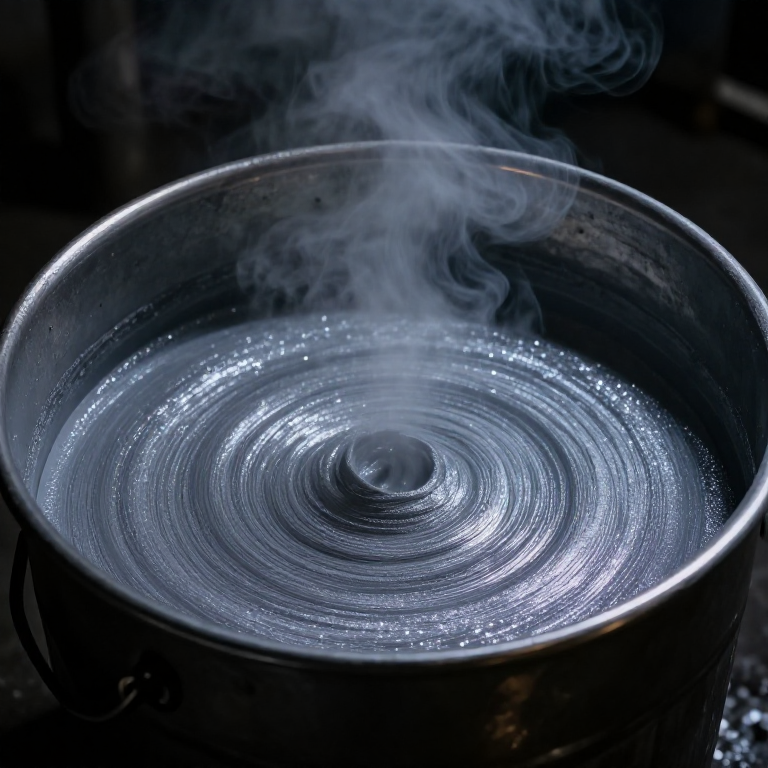


Galvanizing Iron with Zinc — A Coat That Rusts So the Iron Will Not
Iron's great weakness is rust. Left in the weather, an iron roof or bucket flakes away to nothing in a few years. In 1837 the French engineer Stanislas Sorel patented a cure that is still used on a vast scale today: dip the iron in a bath of molten zinc. The zinc bonds to the surface and shields the iron beneath, and galvanized iron suddenly lasted for decades outdoors.
The zinc protects in two ways at once. It is a barrier, sealing the iron from air and water — but more cleverly, it is a sacrifice. Zinc is more reactive than iron, so even where the coating is scratched and bare iron shows, the surrounding zinc corrodes first and spares the iron. The coating gives up itself to save the metal underneath.
Hot-dip galvanizing clad the Industrial Revolution's wire, nails, pipes, and the corrugated iron roofs that sheltered half the world. It is simple in principle — clean the iron, flux it, and dip it in molten zinc — but every step matters, because a missed patch of grease or rust leaves a hole in the armour.
Hướng dẫn
Understand galvanizing
Understand galvanizing
Degrease the iron
Degrease the iron
Vật liệu cho bước này:
 Xút ăn da (natri hydroxit)200 g
Pickle off the rust
Pickle off the rust
Vật liệu cho bước này:
 Axit sunfuric2 lít
Công cụ cần thiết:
 Bể axit
Rinse and flux
Rinse and flux
Vật liệu cho bước này:
 Kẽm amoni clorua300 g
Dry the fluxed part
Dry the fluxed part
Melt the zinc bath
Melt the zinc bath
Vật liệu cho bước này:
 Thỏi kẽm50 kg
Dip the iron
Dip the iron
Công cụ cần thiết:
 Kìm gắp nồi nấu kim loại
Hold until soaked through
Hold until soaked through
Công cụ cần thiết:
Kìm gắp nồi nấu kim loạiWithdraw and drain
Withdraw and drain
Công cụ cần thiết:
 Giỏ nhúng
Cool the coating
Cool the coating
Vật liệu cho bước này:
 Nước20 lít
Inspect the coat
Inspect the coat
Công cụ cần thiết:
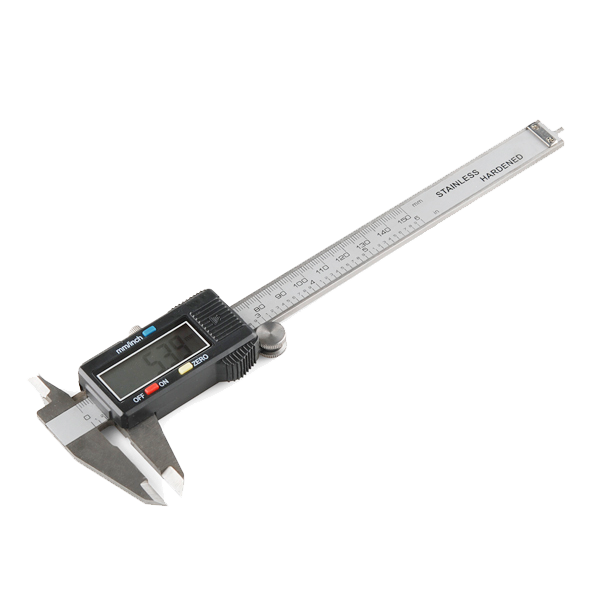 Calipers
Understand sacrificial protection
Understand sacrificial protection
Vật liệu
5- Tạm thời
- 2 lítTạm thời
- 300 gTạm thời
- 50 kgTạm thời
- 20 lítTạm thời
Vật liệu bản thiết kế liên kết
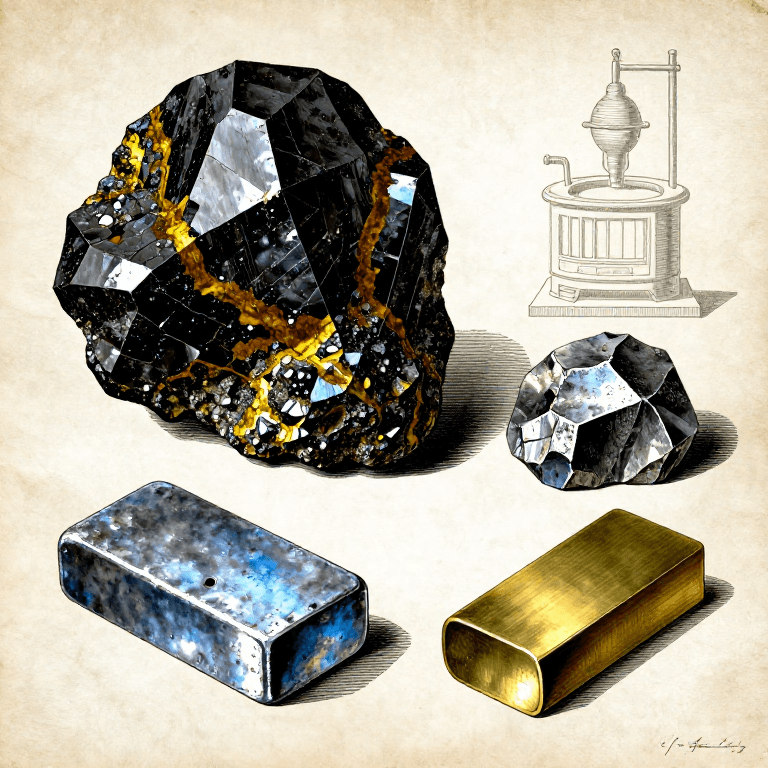


Blueprint liên quan
Các blueprint này chia sẻ kiến thức — kỹ thuật, vật liệu hoặc nguyên tắc

CC0 Phạm vi công cộng
Bản thiết kế này được phát hành theo CC0. Bạn tự do sao chép, sửa đổi, phân phối và sử dụng cho bất kỳ mục đích nào mà không cần xin phép.
Hỗ trợ nhà sáng tạo bằng cách mua sản phẩm qua bản thiết kế, nơi họ nhận Hoa hồng nhà sáng tạo do nhà bán hàng đặt, hoặc tạo phiên bản mới và kết nối trong bản thiết kế riêng để chia sẻ doanh thu.