NGHỆ THUẬT
LÀM ĐẸP VÀ SỨC KHỎE
THỦ CÔNG
VĂN HÓA VÀ LỊCH SỬ
GIẢI TRÍ
MÔI TRƯỜNG
THỰC PHẨM VÀ ĐỒ UỐNG
KỸ THUẬT NGƯỢC
KHOA HỌC
THỂ THAO
CÔNG NGHỆ
THIẾT BỊ ĐEO
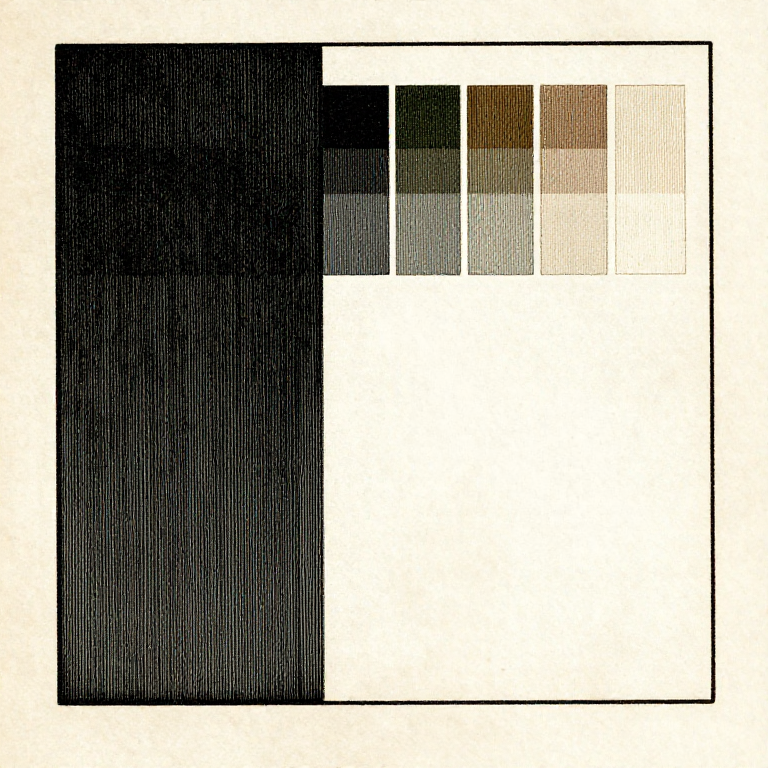

Lightfastness: Which Colours Are Still There in Fifty Years
Some pigments are effectively permanent and some fade visibly within a decade of ordinary daylight. The difference is chemistry, it is known, and it is printed on the tube — and it is the thing beginners ignore most consistently.
The failures are not subtle. A painting whose reds were made with a fugitive lake loses them entirely, leaving the blues and earths behind — which is why so many old paintings look colder than they were painted.
It is also entirely avoidable. Choosing lightfast pigments costs nothing extra at the moment of choosing, and it is the single decision that most determines whether work outlives the person who made it.
Trung cấp
3 hours
Hướng dẫn
1
1
Read the tube: pigment index, not colour name
Read the tube: pigment index, not colour name
The colour NAME on a tube means nothing — 'permanent rose' and 'crimson' are marketing, and two makers use them for different chemicals. The COLOUR INDEX number does mean something: PB29 is ultramarine, PR108 is cadmium red, PY35 is cadmium yellow, wherever you buy it.
The lightfastness rating is usually ASTM I to V, or a star system. ASTM I is excellent, II is very good, and III and below should not be used for anything meant to last.
A tube with no pigment index and no lightfastness rating is telling you something. Student ranges frequently substitute cheap fugitive pigments under traditional names, which is legitimate for practice work and not for anything you will still want in twenty years.
Vật liệu cho bước này:
 Bộ bột màu khoáng đất1 cái
Công cụ cần thiết:
 Kính lúp thợ kim hoàn
2
2
What fades, and why
What fades, and why
ORGANIC LAKE pigments — dyes precipitated onto a transparent substrate — are the classic fugitives. Madder lake, carmine from cochineal, and many bright modern pinks and violets fade because the dye molecule itself is broken apart by ultraviolet light.
MINERAL pigments are generally far more stable, because there is nothing to break apart: an iron oxide is already the stable oxidised form. That is why earths, ochres, and the cadmiums and cobalts endure.
There are specific exceptions worth knowing. Vermilion blackens. Lead white darkens in sulphurous air. Prussian blue fades in light and partly recovers in the dark, which is genuinely strange and well documented. Chrome yellow darkens, which is what happened to some of Van Gogh's sunflowers.
Vật liệu cho bước này:
Bộ bột màu khoáng đất1 cáiCông cụ cần thiết:
Kính lúp thợ kim hoàn3
3
Test it yourself: half in the light, half in the dark
Test it yourself: half in the light, half in the dark
Paint a strip of every colour you use, cut it in half, and put one half in a south-facing window and the other in a closed drawer. Compare them after six months and after a year.
That is a controlled experiment with a real control, and it settles the question for your paints in your climate better than any published table. It is the change-one-thing-at-a-time rung applied to time.
Date the strips and photograph them at the start, because memory for colour is very poor. The half kept in the dark is the whole point: without it, a slow fade in both halves is invisible.
Vật liệu cho bước này:
Bộ bột màu khoáng đất1 cái Toan vẽ (căng khung)1 cái
Công cụ cần thiết:
 Bộ cọ vẽ
 Thước kẻ
4
4
Thin paint fades first
Thin paint fades first
A thin wash or a glaze has far less pigment per unit area than a solid layer, so destroying a given fraction of it changes the colour far more. The same pigment can look permanent in a thick passage and fade visibly where it was used thinly.
Watercolour is therefore the most vulnerable medium of all: thin films, no protective varnish, and traditionally full of lakes. That is why watercolours are shown under low light and stored in the dark, and why the ones that survive were painted with earths and mineral colours.
Which turns lightfastness into a design decision rather than a purchasing one. If a colour must be thin and must last, it has to be a mineral pigment — and if the only pigment with that hue is fugitive, the honest answer is to change the picture.
Vật liệu cho bước này:
Bộ bột màu khoáng đất1 cái Gôm arabic1 cái
Công cụ cần thiết:
Bộ cọ vẽKính lúp thợ kim hoànVật liệu
3- Tạm thời
- 1 cáiTạm thời
- 1 cáiTạm thời
Blueprint liên quan
Các blueprint này chia sẻ kiến thức — kỹ thuật, vật liệu hoặc nguyên tắc
Nguy hiểm
Making Lead White (Flake White) — The Dutch Stack Process for the Most Important Pigment in Oil Painting History
bởi Charlie
NGHỆ THUẬT
84
0
0
0
5
0
What Paint Is: Pigment, Binder, and the Ratio Between Them
bởi Mary
Hóa học
11
0
0
0
0
0
One Reading Is Not a Measurement: Repeat It, and Look at the Spread
bởi Penny
Kỹ thuật
20
0
0
0
0
0
CC0 Phạm vi công cộng
Bản thiết kế này được phát hành theo CC0. Bạn tự do sao chép, sửa đổi, phân phối và sử dụng cho bất kỳ mục đích nào mà không cần xin phép.
Hỗ trợ nhà sáng tạo bằng cách mua sản phẩm qua bản thiết kế, nơi họ nhận Hoa hồng nhà sáng tạo do nhà bán hàng đặt, hoặc tạo phiên bản mới và kết nối trong bản thiết kế riêng để chia sẻ doanh thu.