NGHỆ THUẬT
LÀM ĐẸP VÀ SỨC KHỎE
THỦ CÔNG
VĂN HÓA VÀ LỊCH SỬ
GIẢI TRÍ
MÔI TRƯỜNG
THỰC PHẨM VÀ ĐỒ UỐNG
KỸ THUẬT NGƯỢC
KHOA HỌC
THỂ THAO
CÔNG NGHỆ
THIẾT BỊ ĐEO
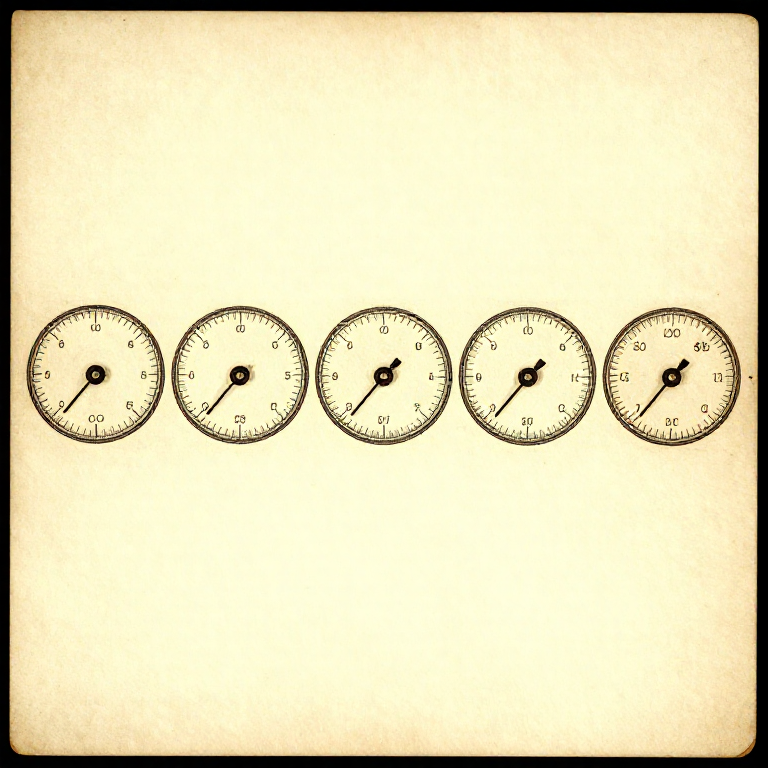


One Reading Is Not a Measurement: Repeat It, and Look at the Spread
Take one reading and you have a number. Take six and you have a MEASUREMENT — because the six tell you how much the one was worth.
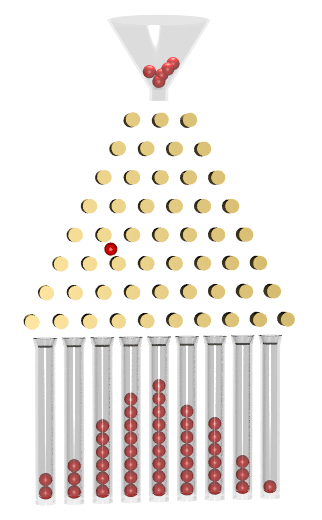
The spread between repeats is not a nuisance to be hidden. It is the only honest estimate you have of how far any single reading might be from the truth, and it costs nothing except doing the thing five more times.
It also gets better faster than most people expect. The scatter of an AVERAGE shrinks as the square root of how many readings went into it, so four readings halve it and sixteen quarter it. That rule is why repeating is the cheapest accuracy you will ever buy.
Cơ bản
2 hours
Hướng dẫn
1
1
Repeat the whole measurement, not just the reading
Repeat the whole measurement, not just the reading
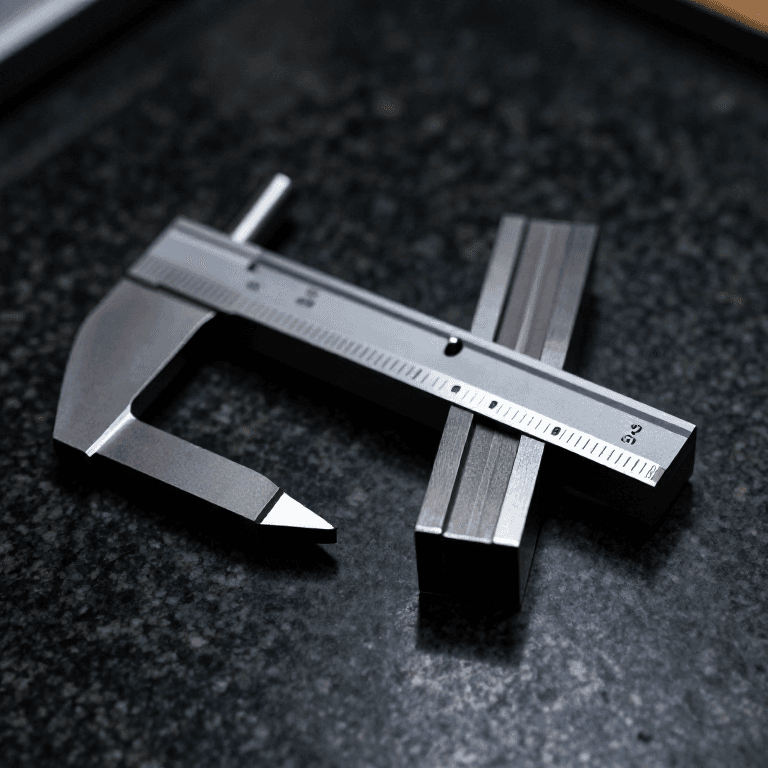
Reading the same dial twice tells you nothing. Repeat from the START: set the work down and pick it up again, re-close the caliper, restart the timer, re-tare the scale.
Most of the variation in a hand measurement comes from how the instrument was PLACED, not from the instrument. A caliper read three times without moving it gives three identical numbers and a false sense of precision; re-closed three times it gives the real spread.
Five or six repeats is the practical minimum. Three tells you only whether something has gone badly wrong; six starts to give a spread you can quote.
Công cụ cần thiết:
 Thước cặp điện tử 6 inch
2
2
Write every repeat down, including the one you dislike
Write every repeat down, including the one you dislike
Record all of them, in order, as you take them. The reading that looks wrong is the most informative one in the set, and it is the first to vanish if you wait and write down what you remember.
A reading may be DISCARDED, but only for a reason you can state — the piece slipped, the timer was started late, the balance had not settled. Write the reason next to it and keep the number. Deleting an outlier because it is inconvenient is how a measurement quietly becomes a wish.
In order matters too: a set that drifts steadily upward is telling you something a shuffled set cannot. Drift usually means something is warming up, settling, drying, or being worn away by the measuring.
Công cụ cần thiết:
Thước cặp điện tử 6 inch3
3
What six repeats actually buy you
What six repeats actually buy you
Đang tải sổ tay Jupyter…
Công cụ cần thiết:
 Đồng hồ bấm giờ
 Con lắc
 Máy tính để bàn
4
4
Quote the mean and the spread together, or quote neither
Quote the mean and the spread together, or quote neither
Write the result as the mean plus or minus the scatter of the mean — for six readings, the sample standard deviation divided by the square root of six. That one line says what you found and how hard you looked.
Say how many repeats went into it. "2.01 s" and "2.01 plus or minus 0.05 s, n=6" are different claims, and only the second can be checked or repeated by anyone else.
And round the uncertainty first, to one or two digits, then round the value to match it. A result quoted as 2.0134 plus or minus 0.05 is announcing four digits it cannot support. The measurement-uncertainty rung takes that arithmetic further; this rung is only the part you can do with six numbers and a calculator.
Công cụ cần thiết:
 Máy tính bỏ túi
Công cụ yêu cầu
5- Tạm thời
- Tạm thời
- Tạm thời
- Tạm thời
- Tạm thời
Blueprint liên quan
Các blueprint này chia sẻ kiến thức — kỹ thuật, vật liệu hoặc nguyên tắc

CC0 Phạm vi công cộng
Bản thiết kế này được phát hành theo CC0. Bạn tự do sao chép, sửa đổi, phân phối và sử dụng cho bất kỳ mục đích nào mà không cần xin phép.
Hỗ trợ nhà sáng tạo bằng cách mua sản phẩm qua bản thiết kế, nơi họ nhận Hoa hồng nhà sáng tạo do nhà bán hàng đặt, hoặc tạo phiên bản mới và kết nối trong bản thiết kế riêng để chia sẻ doanh thu.