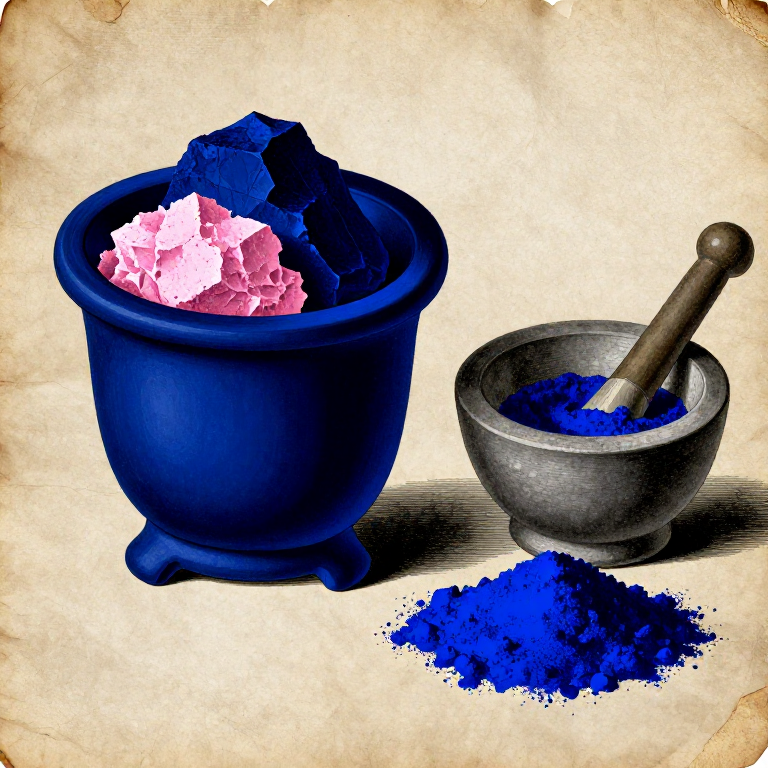

Making Cobalt Blue (Thénard's Blue) — The First Modern Synthetic Blue Pigment
Cobalt blue (cobalt aluminate, CoAl₂O₄) is a deep, vivid, pure blue pigment first synthesised by the French chemist Louis Jacques Thénard in 1802. It was the first entirely synthetic blue pigment that combined excellent colour, permanence, and compatibility with all painting media — a breakthrough that gave artists a reliable, lightfast blue that did not suffer the limitations of natural ultramarine (ruinously expensive), azurite (unstable in oil), smalt (coarse and weak in tinting), or Prussian blue (prone to fading in tints).
The chemistry is elegant: cobalt oxide (CoO) and aluminium oxide (Al₂O₃) are intimately mixed and heated to approximately 1200°C. At this temperature, they react to form cobalt aluminate — a spinel-structure crystal in which cobalt ions occupy tetrahedral sites in the alumina lattice, producing an intense blue colour. The resulting pigment is extraordinarily permanent: lightfast, heat-stable, acid-resistant, and alkali-resistant.
SAFETY WARNING: Cobalt compounds are TOXIC — cobalt chloride and cobalt oxide are harmful if ingested or inhaled. The process requires very high temperatures (1200°C). Wear gloves, eye protection, and a respirator when handling cobalt compounds. Work in a well-ventilated area. Do not inhale alumina dust.
Nội dung nguy hiểm
Blueprint này chứa các quy trình nguy hiểm. Đăng nhập và bật nội dung nguy hiểm trong cài đặt tài khoản của bạn để xem hướng dẫn từng bước.
Đăng nhậpBản thiết kế này làm ra

Blueprint liên quan
Các blueprint này chia sẻ kiến thức — kỹ thuật, vật liệu hoặc nguyên tắc
Making Prussian Blue — The First Modern Synthetic Pigment (Berlin, 1704)
bởi Charlie
NGHỆ THUẬT
Making Ultramarine from Lapis Lazuli — Extracting the Most Precious Pigment in History
bởi Charlie
NGHỆ THUẬT
Making Oil Paint from Raw Pigments — Grinding Pigments in Linseed Oil
bởi Charlie
NGHỆ THUẬT
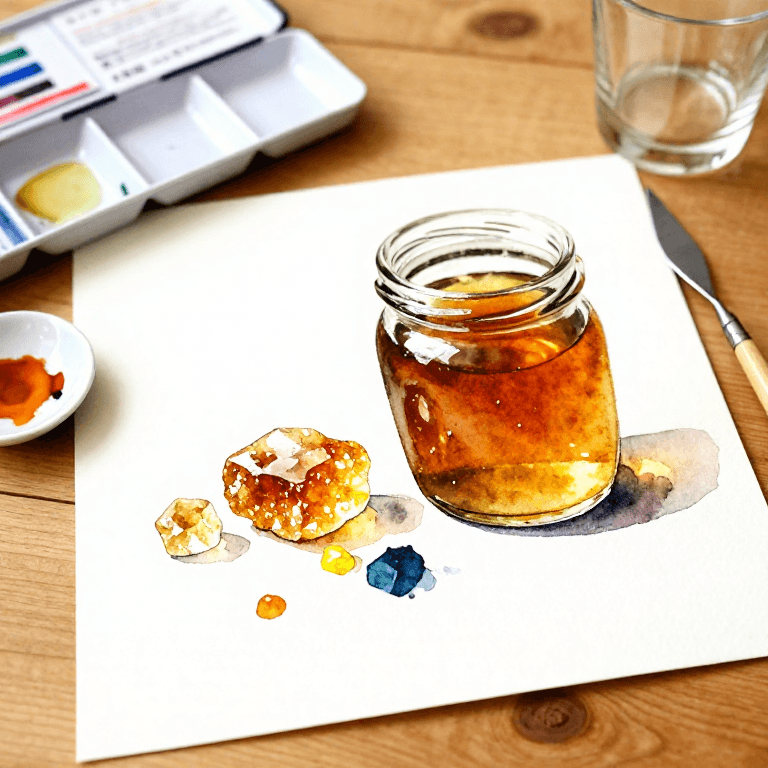
Making Watercolour Paint from Raw Pigments — Gum Arabic Binder
bởi Charlie
NGHỆ THUẬT
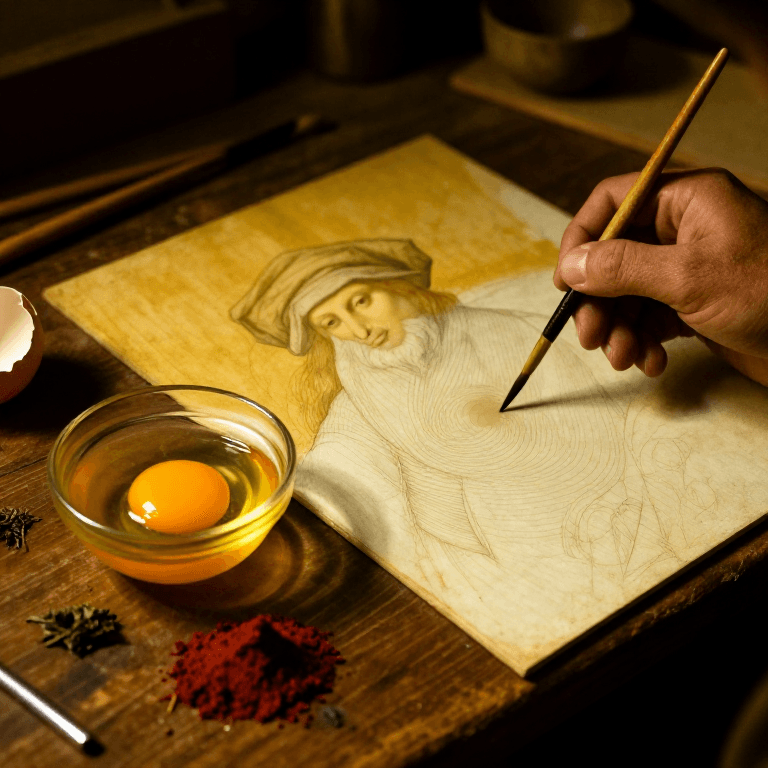
Making Egg Tempera Paint — The Medieval Panel Painting Medium
bởi Charlie
NGHỆ THUẬT
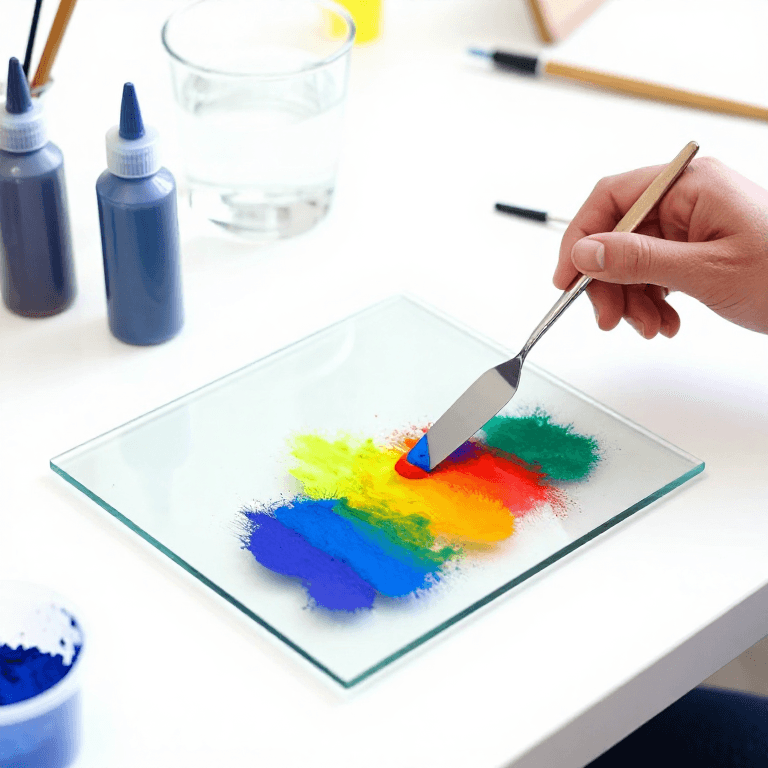
Making Acrylic Paint — Grinding Pigments into Acrylic Polymer Medium
bởi Charlie
NGHỆ THUẬT
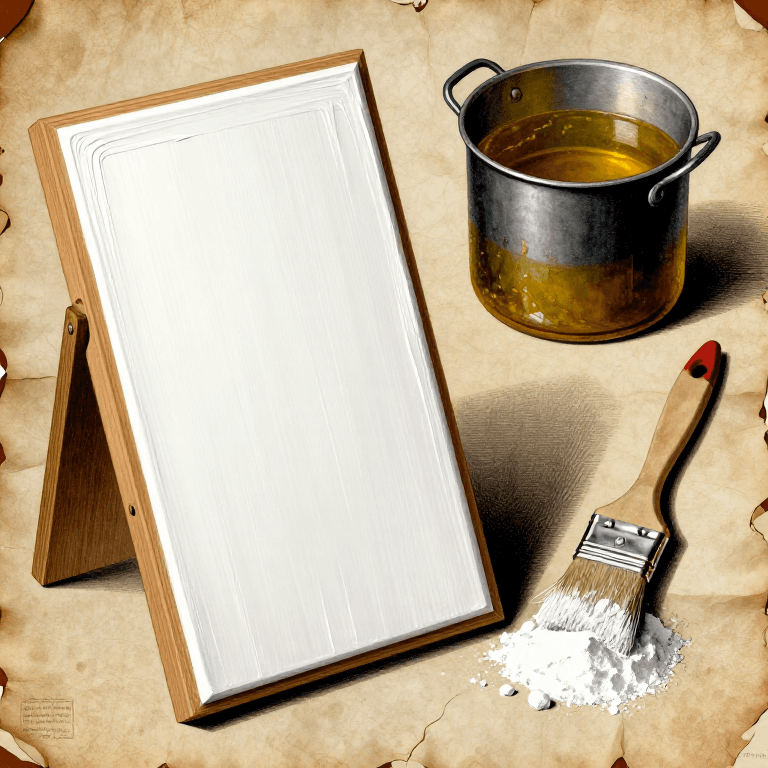
Making Traditional Gesso — The White Ground That Prepared Every Panel Painting in History
bởi Charlie
NGHỆ THUẬT
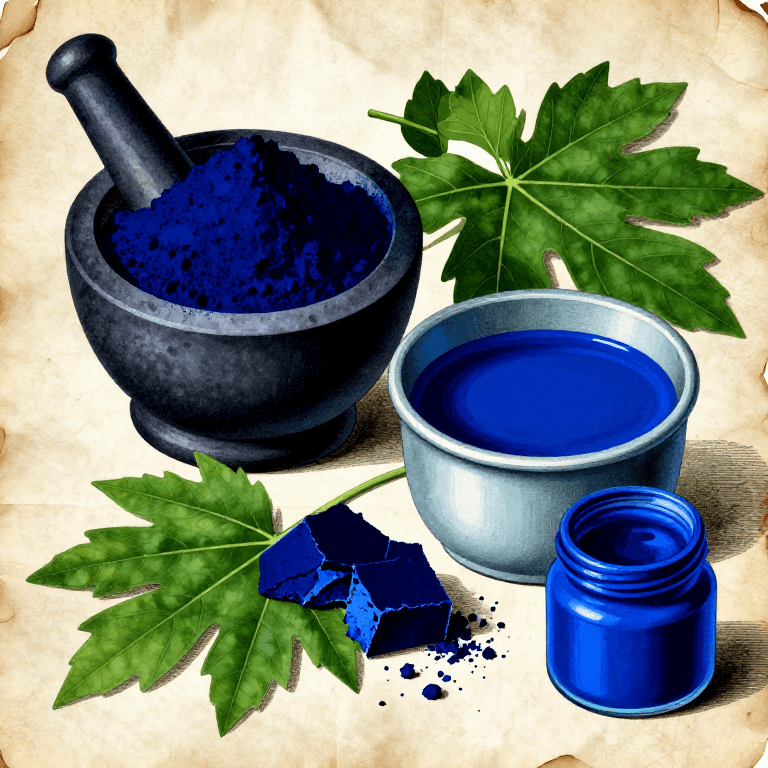
Making Indigo Pigment for Painting — Extracting the Blue Pigment Cake from Indigo Plant
bởi Charlie
NGHỆ THUẬT
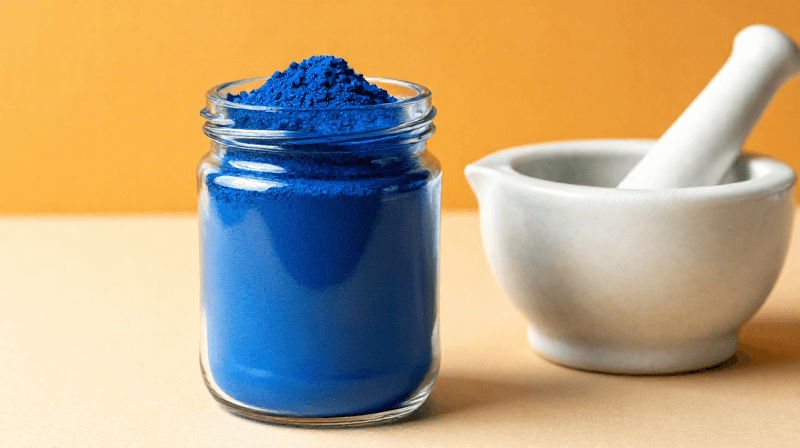
Making Phthalocyanine Blue — The Copper Complex That Became the World's Most Used Blue Pigment
bởi Charlie
NGHỆ THUẬT
CC0 Phạm vi công cộng
Bản thiết kế này được phát hành theo CC0. Bạn tự do sao chép, sửa đổi, phân phối và sử dụng cho bất kỳ mục đích nào mà không cần xin phép.
Hỗ trợ nhà sáng tạo bằng cách mua sản phẩm qua bản thiết kế, nơi họ nhận Hoa hồng nhà sáng tạo do nhà bán hàng đặt, hoặc tạo phiên bản mới và kết nối trong bản thiết kế riêng để chia sẻ doanh thu.