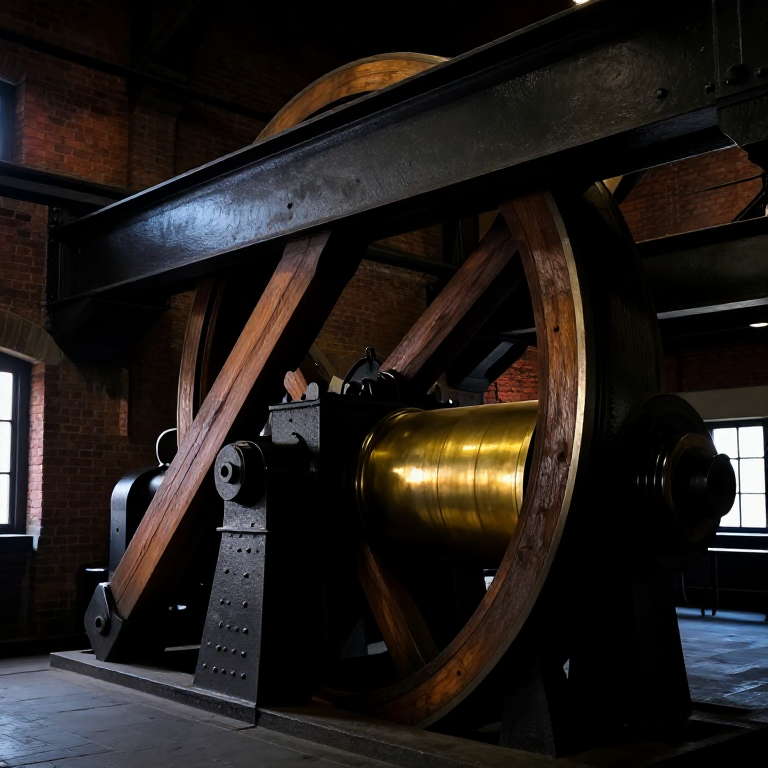


Building a Newcomen Atmospheric Engine — The First Engine to Do Real Work
In 1712 Thomas Newcomen built a machine that changed the world quietly, by pumping water out of coal mines. It was the first engine to turn the heat of a fire into useful mechanical work on a large scale, and every steam engine and motor that followed descends from it.
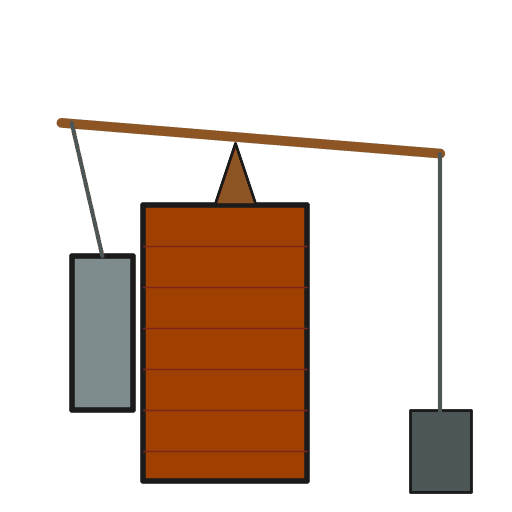
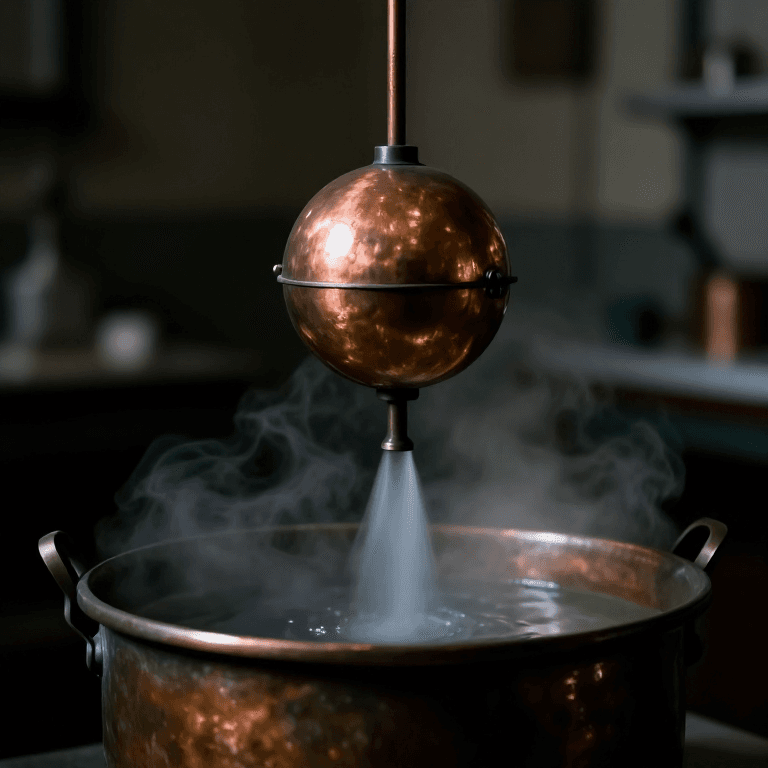
Its genius is counter-intuitive: the steam does not push the piston. Newcomen's engine fills a cylinder with low-pressure steam, then sprays in cold water to condense that steam into a few drops, leaving a vacuum. The ordinary pressure of the atmosphere — about a tonne on a large piston — then shoves the piston down into the vacuum. That downward stroke rocks a great wooden beam whose far end lifts the mine pump. Because air pressure does the work, it is called an atmospheric engine.
It was thirsty and wasteful, reheating its whole cylinder every stroke, but it was tireless and it worked. For sixty years Newcomen engines drained the mines that supplied the coal that fed the Industrial Revolution — until James Watt's separate condenser made the steam engine efficient enough to drive factories and locomotives.
Hướng dẫn
Grasp the atmospheric principle
Grasp the atmospheric principle
Build the boiler
Build the boiler
Vật liệu cho bước này:
 Tấm đồng đỏ40 kg
 Gạch chịu lửa120 cái
Cast and bore the cylinder
Cast and bore the cylinder
Vật liệu cho bước này:
 Ống trụ gang1 cái
 Da thuộc2 sqm
Erect the great beam
Erect the great beam
Vật liệu cho bước này:
 Dầm gỗ linh sam Douglas1 cái
Plumb the steam and water pipes
Plumb the steam and water pipes
Vật liệu cho bước này:
 Ống đồng6 mét
Công cụ cần thiết:
 Mỏ lết răng
Raise steam
Raise steam
Vật liệu cho bước này:
 Than bitum50 kg
Admit steam and let the piston rise
Admit steam and let the piston rise
Công cụ cần thiết:
 Van hơi
Inject cold water to make the vacuum
Inject cold water to make the vacuum
Công cụ cần thiết:
Van hơiTake the power stroke
Take the power stroke
Vật liệu cho bước này:
 Nước30 lít
Drain and repeat
Drain and repeat
Công cụ cần thiết:
Van hơiMake it self-acting
Make it self-acting
Công cụ cần thiết:
Mỏ lết răngKnow its power and its flaw
Know its power and its flaw
Vật liệu
8- 40 kgTạm thời
- 120 cáiTạm thời
- 1 cáiTạm thời
- 2 sqmTạm thời
- Tạm thời
- 6 métTạm thời
- 50 kgTạm thời
- 30 lítTạm thời
Bản thiết kế này làm ra
Blueprint liên quan
Các blueprint này chia sẻ kiến thức — kỹ thuật, vật liệu hoặc nguyên tắc


CC0 Phạm vi công cộng
Bản thiết kế này được phát hành theo CC0. Bạn tự do sao chép, sửa đổi, phân phối và sử dụng cho bất kỳ mục đích nào mà không cần xin phép.
Hỗ trợ nhà sáng tạo bằng cách mua sản phẩm qua bản thiết kế, nơi họ nhận Hoa hồng nhà sáng tạo do nhà bán hàng đặt, hoặc tạo phiên bản mới và kết nối trong bản thiết kế riêng để chia sẻ doanh thu.