NGHỆ THUẬT
LÀM ĐẸP VÀ SỨC KHỎE
THỦ CÔNG
VĂN HÓA VÀ LỊCH SỬ
GIẢI TRÍ
MÔI TRƯỜNG
THỰC PHẨM VÀ ĐỒ UỐNG
KỸ THUẬT NGƯỢC
KHOA HỌC
THỂ THAO
CÔNG NGHỆ
THIẾT BỊ ĐEO
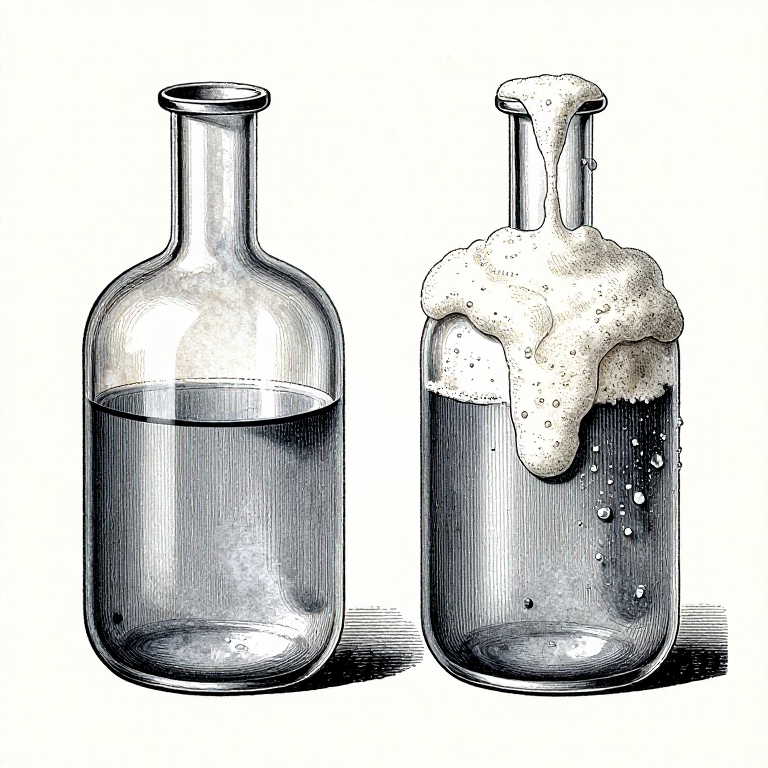

Pitching Rate and Lag Phase: The First Day Decides the Flavour
Yeast does not start fermenting the moment it lands. It spends hours taking up oxygen, building cell membranes and multiplying — the LAG PHASE — and only then begins converting sugar in earnest.
How long that lag lasts is the single biggest thing the brewer controls on brew day, and it matters for two reasons. A long lag is a long window in which something else can establish itself. And the growth that happens during it produces most of the flavour compounds that make one yeast taste different from another.
Too little yeast means excessive growth, stressed cells and harsh flavours. Too much means almost no growth, and a beer that tastes oddly thin and characterless. There is a right amount and it can be calculated.
Trung cấp
3 hours
Hướng dẫn
1
1
How much yeast, and why the number is not obvious
How much yeast, and why the number is not obvious
Đang tải sổ tay Jupyter…
Vật liệu cho bước này:
 Men bia1 cái
 Chiết xuất mạch nha khô1 cái
Công cụ cần thiết:
 Máy tính để bàn
 Cân chính xác
 Tỷ trọng kế và ống đong nấu bia
2
2
Rehydrate dry yeast, or make a starter for liquid
Rehydrate dry yeast, or make a starter for liquid
Dry yeast sprinkled straight onto wort loses a significant fraction of its cells: the cell walls are fragile until rehydrated, and sugar in the surrounding liquid ruptures them as water rushes in.
Rehydrate in plain warm water at the temperature the maker states, for the time they state, then attemperate it towards the wort before pitching. That recovers most of the loss and costs twenty minutes.
Liquid yeast is a different problem: the packs contain fewer cells and the count falls with age. A STARTER — a small volume of weak wort fermented a day or two in advance — grows the population up to where it needs to be, and also proves the yeast is alive before it is committed to a whole batch.
Vật liệu cho bước này:
Men bia1 cáiChiết xuất mạch nha khô1 cái Nước1 lít
Công cụ cần thiết:
 Nhiệt kế đọc nhanhCân chính xác
 Bình thủy tinh lên men
3
3
Oxygen at the start, and only at the start
Oxygen at the start, and only at the start
Yeast needs oxygen to build the sterols and fatty acids its cell membranes are made of. Without it the first generation is fine and subsequent ones are weak, which shows up as a sluggish, incomplete fermentation.
So aerate the cooled wort hard before pitching — shaking, splashing, or pure oxygen through a stone. It is the one point in the whole process where introducing air is correct.
After fermentation begins, oxygen is an enemy. It oxidises the beer to cardboard and sherry flavours and it lets aerobic spoilage organisms establish. That is why everything after pitching is about EXCLUDING air, and why the same action is right on day zero and wrong on day three.
Vật liệu cho bước này:
Nước1 lítCông cụ cần thiết:
Bình thủy tinh lên men Van sủi lên men
 Ống xi phông tự động
4
4
Watch the lag, and know what a long one means
Watch the lag, and know what a long one means
A healthy pitch shows visible activity within 12 to 24 hours: airlock movement, a krausen forming, the surface changing. Note when you pitched and when it started, every time.
A lag beyond 24 to 36 hours means something is wrong — too little yeast, yeast that was old or badly stored, wort too cold, or no oxygen. It is a warning, not just a delay, because the window for competitors is open the whole time.
No activity at 48 hours needs action rather than patience: re-pitch. And before assuming a dead ferment, check the lid seal — an airlock that never bubbles because the gas is escaping past a loose lid is the commonest false alarm there is, which is why gravity readings and not bubbles are the measure.
Vật liệu cho bước này:
Men bia1 cáiCông cụ cần thiết:
Van sủi lên menTỷ trọng kế và ống đong nấu biaNhiệt kế đọc nhanhVật liệu
3- Men biaHoa hồng 10%3 cáiTạm thời
- Tạm thời
- 2 lítTạm thời
Công cụ yêu cầu
7- Tạm thời
- Tạm thời
- Tỷ trọng kế và ống đong nấu biaHoa hồng 10%Tạm thời
- Tạm thời
- Bình thủy tinh lên menHoa hồng 10%Tạm thời
- Tạm thời
- Tạm thời
Blueprint liên quan
Các blueprint này chia sẻ kiến thức — kỹ thuật, vật liệu hoặc nguyên tắc
Cultivating a Sourdough Starter from Wild Yeast — The Living Culture Behind the World's Oldest Bread
bởi Bob
Sinh học
54
0
0
0
6
0
Brewing Sake Rice Wine — Parallel Fermentation with Koji
bởi Alchometer
Pha chế
101
0
0
0
0
0
Change One Thing at a Time: Grow the Control, and the Confounded Jar Too
bởi Penny
Phân tích
8
0
0
0
0
0
CC0 Phạm vi công cộng
Bản thiết kế này được phát hành theo CC0. Bạn tự do sao chép, sửa đổi, phân phối và sử dụng cho bất kỳ mục đích nào mà không cần xin phép.
Hỗ trợ nhà sáng tạo bằng cách mua sản phẩm qua bản thiết kế, nơi họ nhận Hoa hồng nhà sáng tạo do nhà bán hàng đặt, hoặc tạo phiên bản mới và kết nối trong bản thiết kế riêng để chia sẻ doanh thu.