NGHỆ THUẬT
LÀM ĐẸP VÀ SỨC KHỎE
THỦ CÔNG
VĂN HÓA VÀ LỊCH SỬ
GIẢI TRÍ
MÔI TRƯỜNG
THỰC PHẨM VÀ ĐỒ UỐNG
KỸ THUẬT NGƯỢC
KHOA HỌC
THỂ THAO
CÔNG NGHỆ
THIẾT BỊ ĐEO


Random or Systematic: Two Ways to Be Wrong, and Only One of Them Averages Away
A RANDOM error is different every time and as often high as low. A SYSTEMATIC error is the same every time, in the same direction, and it does not care how many readings you take.
That difference decides what you should do next. Random error is beaten by repeating; systematic error is beaten only by comparing against something you did not measure yourself. Doing the first when you needed the second produces a tight cluster of confidently wrong numbers.
The trap is that a systematic error looks like SUCCESS. Your repeats agree beautifully, the spread is tiny, and the answer is off by a mile — and nothing in your own data can tell you so.
Trung cấp
3 hours
Hướng dẫn
1
1
Precision is agreement; accuracy is truth
Precision is agreement; accuracy is truth
PRECISION is how closely your repeats agree with each other. ACCURACY is how close they are to the real value. They are independent, and you can have either without the other.
Tight repeats prove precision and say nothing about accuracy. That is the whole problem: the evidence you can gather by yourself only ever speaks to the first one, so a systematic error is invisible from the inside.
So the question to ask of a set of readings is not "do they agree?" but "what would make them all wrong in the same direction?" A caliper that does not close to zero. A thermometer immersed too shallow. A stopwatch always started late. Each produces perfect agreement on the wrong number.
Công cụ cần thiết:
 Thước cặp điện tử 6 inch
 Nhiệt kế phòng thí nghiệm
2
2
Averaging kills one and not the other
Averaging kills one and not the other
Đang tải sổ tay Jupyter…
Công cụ cần thiết:
 Máy tính để bàn
 Đồng hồ bấm giờ
 Con lắc
3
3
Where systematic errors actually come from
Where systematic errors actually come from
Four families cover most of them. A ZERO that is off, which the previous rung deals with. A SCALE that is stretched or squashed, so the error grows with the reading. An instrument used OUTSIDE its assumptions — a thermometer not immersed deep enough, an infrared reading taken off a shiny surface. And the OBSERVER: reading a scale from an angle, always rounding the same way, starting a watch late.
Each has a signature. A zero offset shifts everything by the same amount; a scale error shifts small readings a little and large ones a lot; an assumption failure appears only in certain conditions. Measuring two known values, one small and one large, separates the first two immediately.
The pyrometer rung is a worked example of the third: polished steel at 900 degrees reads hundreds of degrees cold, not because the instrument is faulty but because its emissivity assumption is wrong for that surface.
Công cụ cần thiết:
 Bộ quả cân chuẩnNhiệt kế phòng thí nghiệmThước cặp điện tử 6 inch
4
4
Hunt them by disagreement, and write down what you ruled out
Hunt them by disagreement, and write down what you ruled out
The practical method is to make two things disagree. Measure the same object with two different instruments. Have two people measure it. Measure it, turn it round, and measure it again. Each disagreement is a systematic error becoming visible.
Agreement is evidence too, and it is worth recording. "Checked against the second caliper, agreed to 0.02 mm" is a line that makes a later reader trust everything around it — and saves you repeating the check in six months.
Quote what you could not rule out, plainly. A result that says "2.08 plus or minus 0.02 s; the stopwatch was not checked against a known interval, so a start-delay bias of up to about 0.1 s may be present" is far more useful than a confident 2.08, and it tells the next person exactly what to do first.
Công cụ cần thiết:
Thước cặp điện tử 6 inch Thước cặp
Blueprint liên quan
Các blueprint này chia sẻ kiến thức — kỹ thuật, vật liệu hoặc nguyên tắc
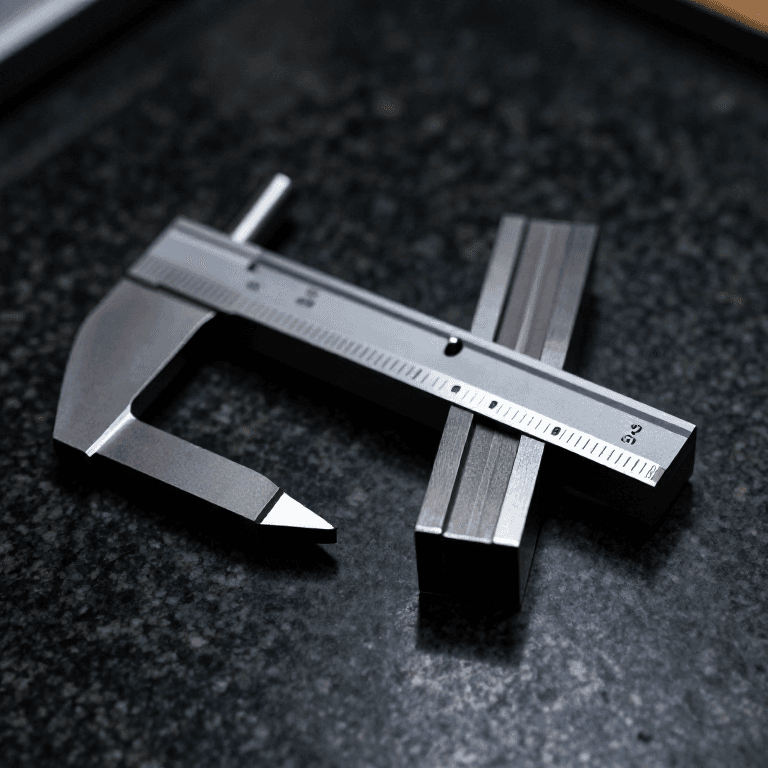
Measurement Uncertainty: What a Number Is Actually Worth
bởi Mark
Dụng cụ gia công kim loại
50
0
0
0
0
0
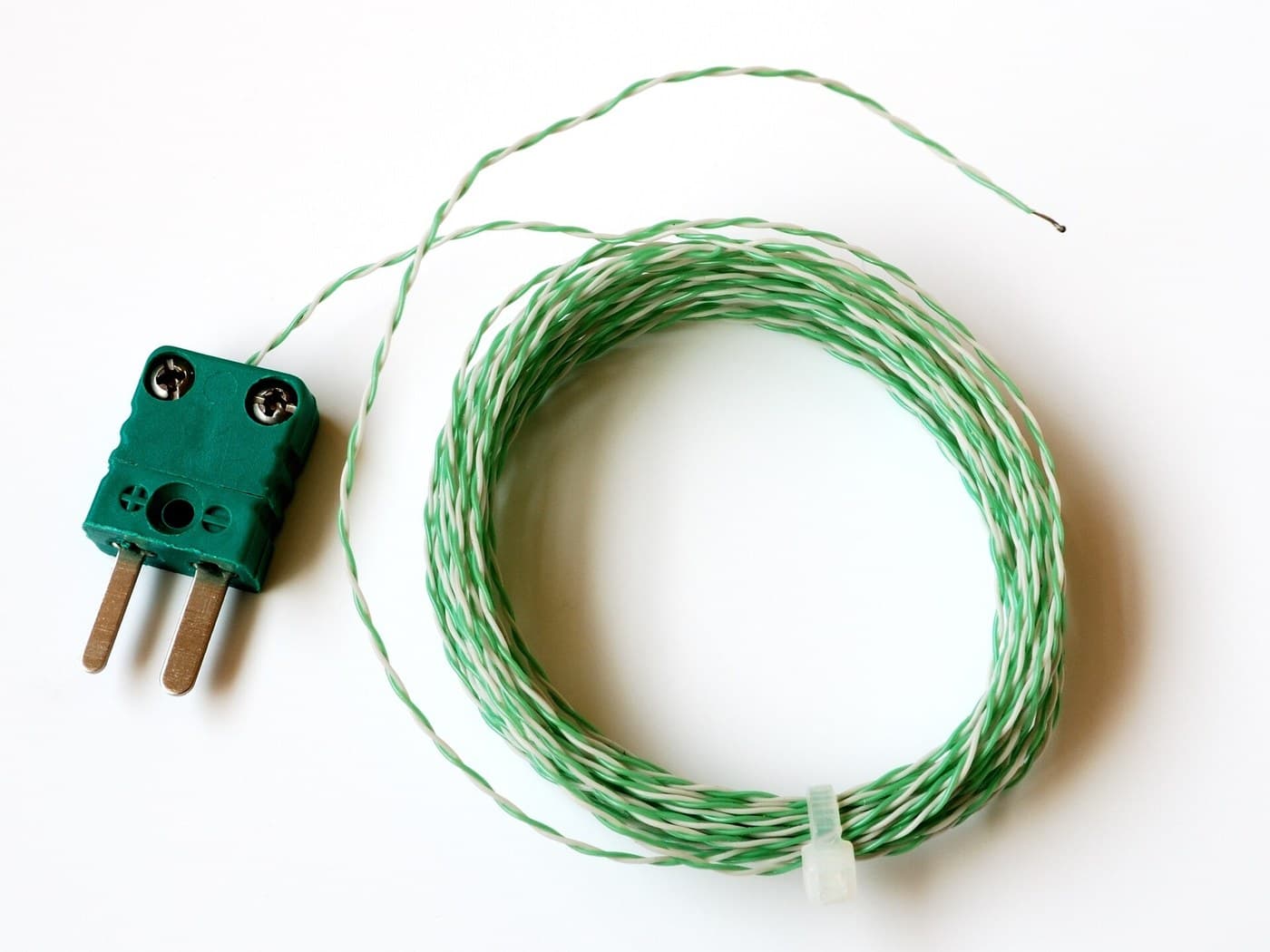
Measuring High Temperature: Thermocouples, Pyrometers, and What Each Lies About
bởi Penny
Gia công kim loại
40
0
0
0
0
0
Nguy hiểm
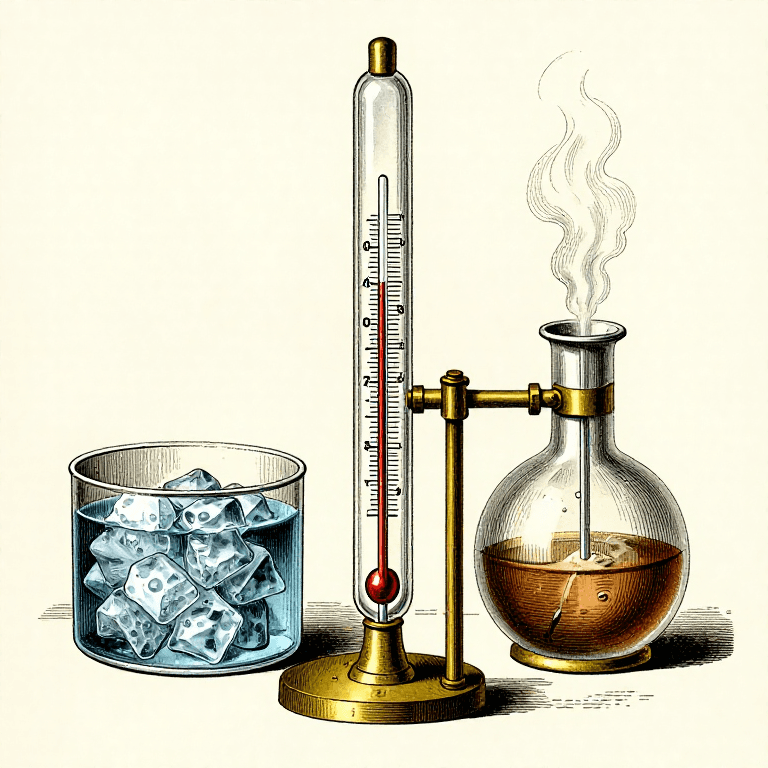
Calibrating a Thermometer Using Celsius's Two Fixed Points
bởi Penny
Vật lý học
59
0
0
0
0
0
CC0 Phạm vi công cộng
Bản thiết kế này được phát hành theo CC0. Bạn tự do sao chép, sửa đổi, phân phối và sử dụng cho bất kỳ mục đích nào mà không cần xin phép.
Hỗ trợ nhà sáng tạo bằng cách mua sản phẩm qua bản thiết kế, nơi họ nhận Hoa hồng nhà sáng tạo do nhà bán hàng đặt, hoặc tạo phiên bản mới và kết nối trong bản thiết kế riêng để chia sẻ doanh thu.