NGHỆ THUẬT
LÀM ĐẸP VÀ SỨC KHỎE
THỦ CÔNG
VĂN HÓA VÀ LỊCH SỬ
GIẢI TRÍ
MÔI TRƯỜNG
THỰC PHẨM VÀ ĐỒ UỐNG
KỸ THUẬT NGƯỢC
KHOA HỌC
THỂ THAO
CÔNG NGHỆ
THIẾT BỊ ĐEO
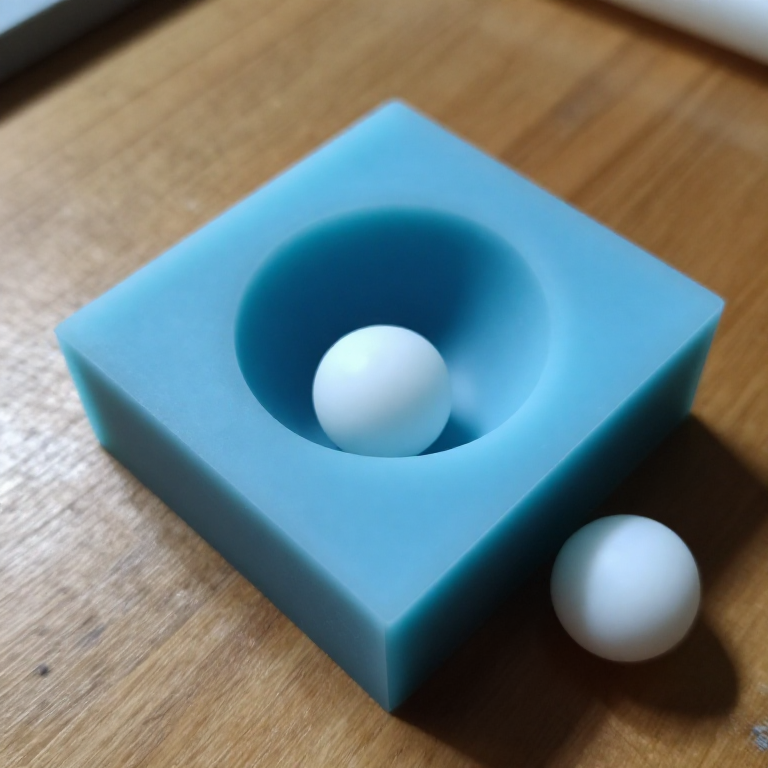


Silicone (Rochow Direct Process)
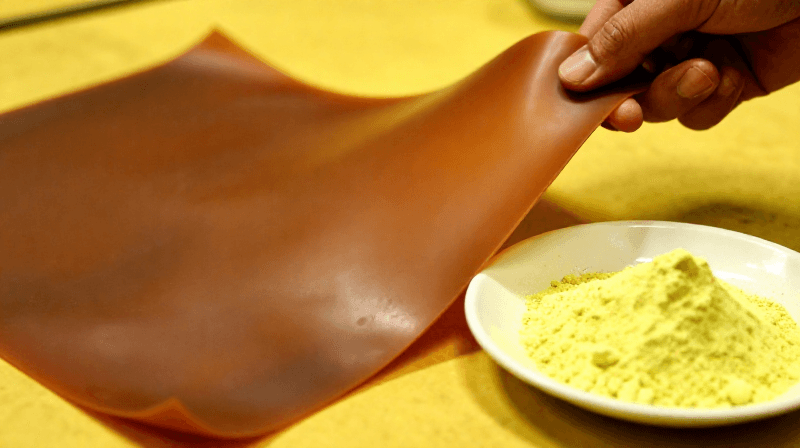
Silicones - chains of silicon and oxygen carrying methyl groups - were known from Frederic Kipping's laboratory work, but could only be made a few grams at a time. In 1940 Eugene Rochow at General Electric found a one-step route: pass methyl chloride over hot silicon with copper, and methylchlorosilanes come straight off. Richard Müller found the same reaction independently in Germany, which is why it is also called the Müller-Rochow process. It is how silicones are still made.
**US 2,380,995**, "Preparation of organosilicon halides", Rochow, assigned to General Electric, granted 7. August 1945, claims "effecting reaction between silicon and a hydrocarbon halide" with a copper catalyst at 200–500 °C.
**Methyl chloride and chlorosilanes are toxic and stay in the plant.** You use the product: a two-part silicone mould of glass marbles, then cast hot wax in it, again and again.
Cơ bản
4 hours plus two cures
Hướng dẫn
1
1
Build the box
Build the box
Cut foam board and hot-glue an open box 60 x 40 mm inside, 50 mm tall. Seal every inside seam with a bead of glue - silicone finds any gap.
Vật liệu cho bước này:
 Bìa xốp làm mô hình1 tờ
Công cụ cần thiết:
 Dao rọc thủ công
 Súng bắn keo nóng
 Thước kẻ
2
2
Clay bed and keys
Clay bed and keys
Press sulphur-free modelling clay 20 mm deep into the box. Push two 16 mm marbles exactly halfway in, 20 mm apart. Press four dimples in the clay with a pencil end: these are the registration keys.
Vật liệu cho bước này:
 Đất sét tạo hình150 g
 Bi thủy tinh2 cái
Công cụ cần thiết:
 Thước cặp điện tử 6 inch
3
3
Weigh and mix
Weigh and mix
Weigh part A and part B at the kit's stated ratio into a mixing cup (the notebook gives the mass). Stir 3 minutes, scraping sides and bottom.
Vật liệu cho bước này:
 Bộ làm khuôn silicone1 bộ
Công cụ cần thiết:
 Cân điện tử chính xác
 Cốc pha có chia độ
 Đũa khuấy
4
4
First pour
First pour
Pour in a thin stream from 30 cm into one corner, never onto the marbles, until 6 mm above them. Cure for the kit's time.
Công cụ cần thiết:
Cốc pha có chia độ5
5
Flip and release
Flip and release
Flip the box, peel away all clay and leave the marbles in the silicone. Brush a thin coat of petroleum jelly over the silicone face - silicone bonds to silicone.
Vật liệu cho bước này:
 Vaseline5 g
6
6
Second pour
Second pour
Mix a second batch the same way and pour 6 mm above the marbles. Cure again.
Vật liệu cho bước này:
Bộ làm khuôn silicone1 bộCông cụ cần thiết:
Cân điện tử chính xácCốc pha có chia độ7
7
Open and cut sprues
Open and cut sprues
Tear off the foam board, part the halves and pop out the marbles. With the craft knife cut a 5 mm cone from the top face into each cavity.
Công cụ cần thiết:
Dao rọc thủ công8
8
Cast wax
Cast wax
Melt paraffin wax in the double boiler to 75 °C. Band the halves shut, pour through each sprue, cool 30 minutes, open. Count how many casts it survives.
Vật liệu cho bước này:
 Sáp paraffin100 g
 Dây thun1 gói
Công cụ cần thiết:
 Nồi cách thủy
 Nhiệt kế làm kẹo
 Găng tay hàn
 Kính bảo hộ trong suốt
9
9
Troubleshoot the mould
Troubleshoot the mould
Work down in order; each question points to one step to redo.
Flow
Loading...
10
10
Reaction, pour size, siblings
Reaction, pour size, siblings
Đang tải sổ tay Jupyter…
11
11
History & Context
History & Context
**What the patent specifies:** silicon reacted with a hydrocarbon halide over copper at 200–500 °C to give organosilicon halides. **Modern build (derived):** a two-part room-temperature-curing mould silicone.
Silicone first served in the Second World War as grease and insulation for aircraft ignition systems; today it is sealant, bakeware, medical tubing and every maker's mould rubber. Its limits: it tears easily once nicked, is expensive, and a platinum-cure grade will not set against sulphur, some clays and latex gloves.
Vật liệu
7- Tạm thời
- 150 gTạm thời
- 2 cáiTạm thời
- Tạm thời
- 5 gTạm thời
- 100 gTạm thời
- 1 góiTạm thời
Công cụ yêu cầu
11- Tạm thời
- Tạm thời
- Tạm thời
- Tạm thời
- Tạm thời
- Tạm thời
- Tạm thời
- Tạm thời
- Tạm thời
- Tạm thời
- Tạm thời
Bản thiết kế này làm ra

Blueprint liên quan
Các blueprint này chia sẻ kiến thức — kỹ thuật, vật liệu hoặc nguyên tắc



CC0 Phạm vi công cộng
Bản thiết kế này được phát hành theo CC0. Bạn tự do sao chép, sửa đổi, phân phối và sử dụng cho bất kỳ mục đích nào mà không cần xin phép.
Hỗ trợ nhà sáng tạo bằng cách mua sản phẩm qua bản thiết kế, nơi họ nhận Hoa hồng nhà sáng tạo do nhà bán hàng đặt, hoặc tạo phiên bản mới và kết nối trong bản thiết kế riêng để chia sẻ doanh thu.