NGHỆ THUẬT
LÀM ĐẸP VÀ SỨC KHỎE
THỦ CÔNG
VĂN HÓA VÀ LỊCH SỬ
GIẢI TRÍ
MÔI TRƯỜNG
THỰC PHẨM VÀ ĐỒ UỐNG
KỸ THUẬT NGƯỢC
KHOA HỌC
THỂ THAO
CÔNG NGHỆ
THIẾT BỊ ĐEO
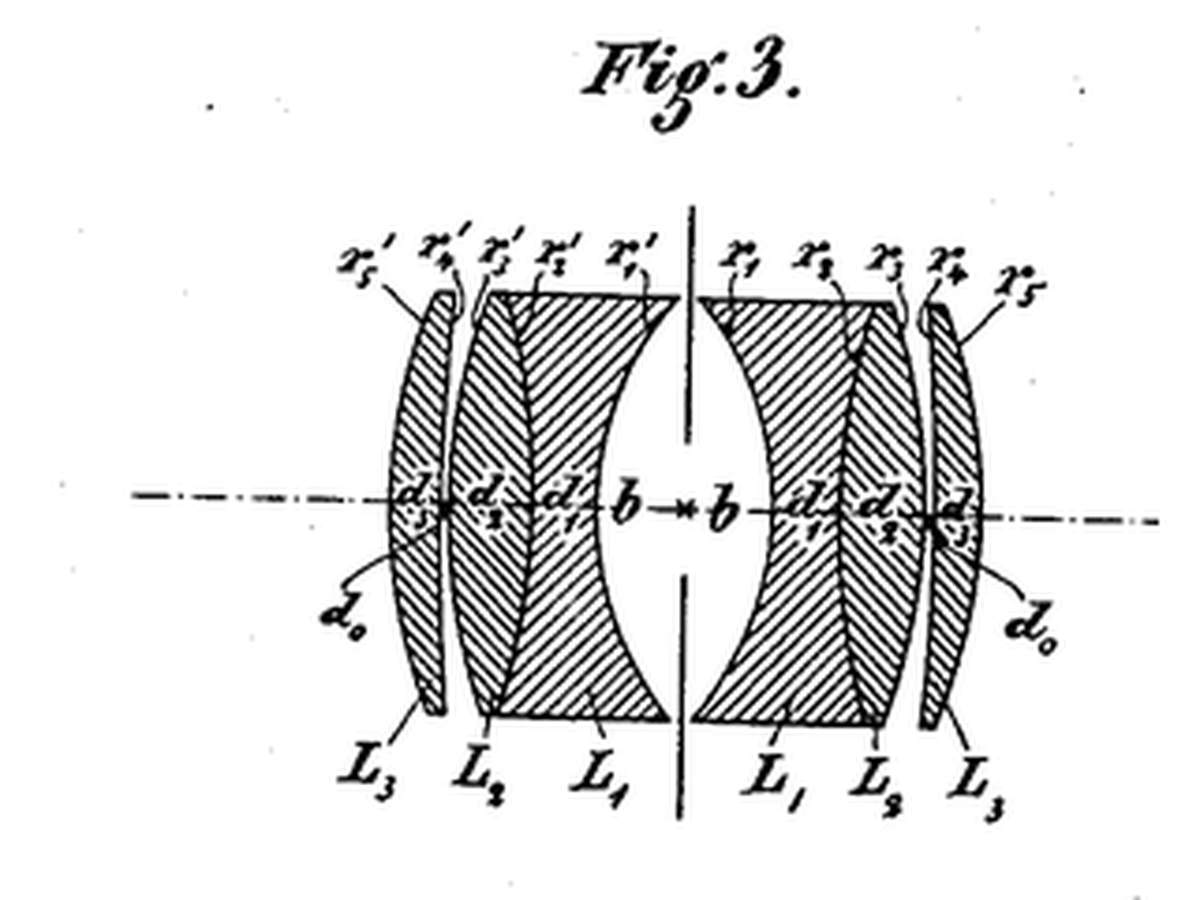


Planar (Double-Gauss) Lens
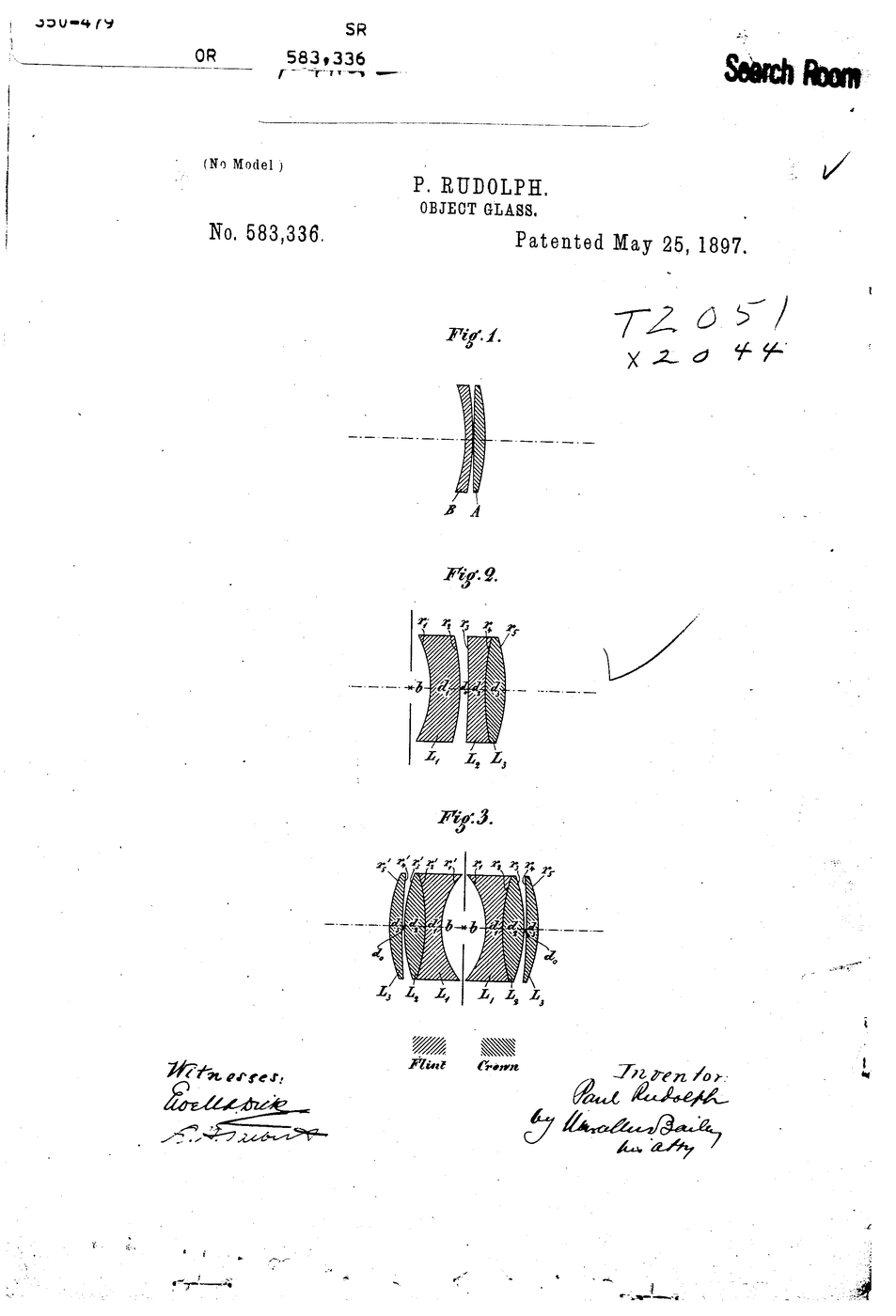
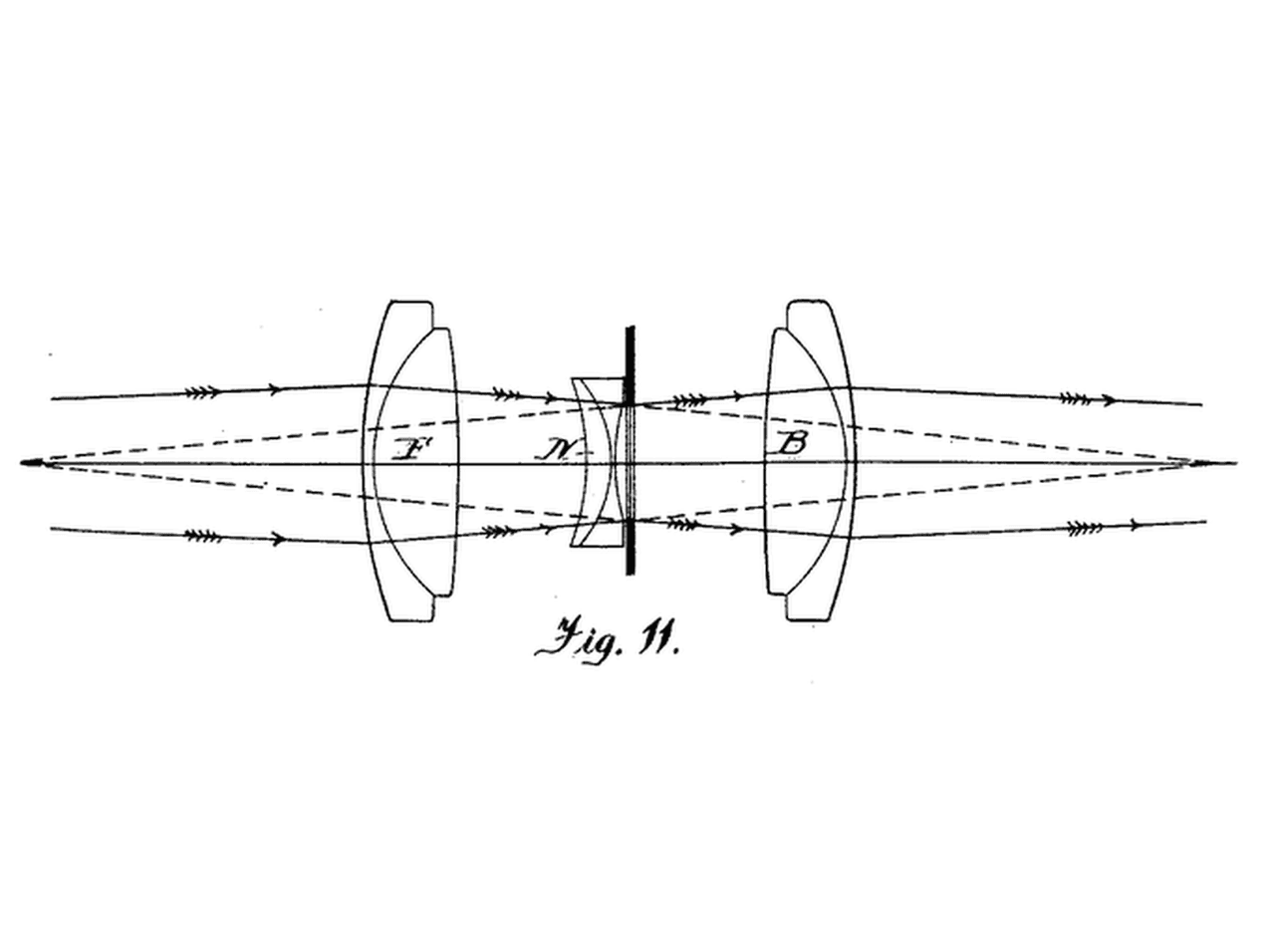
Carl Friedrich Gauss had designed a telescope objective of two air-spaced lenses - a crown meniscus and a flint lens with differently curved facing surfaces - that corrected spherical aberration for two colours at once. Paul Rudolph at Zeiss turned it into a camera lens: two such groups placed symmetrically either side of the stop, each group achromatised with a cemented pair of glasses of nearly the same refractive index but different dispersion.
**US 583,336**, "Object-glass", Rudolph, assigned to Carl Zeiss, filed 1. February 1897, granted 25. May 1897. Descendants of this double-Gauss layout became the standard fast normal lens for most of the twentieth century.
**You test what the symmetry buys**: a grid imaged through a single lens with the stop in front, with it behind, and through a symmetric pair with the stop in the middle.
Trung cấp
2 hours
Hướng dẫn
1
1
Make a stop
Make a stop
Cut a 60 mm disc of black card with a 6 mm round hole in its centre. Mount it in a lens holder.
Vật liệu cho bước này:
 Bìa đen1 tờ
Công cụ cần thiết:
 Dao rọc thủ công
 Bộ giá giữ thấu kính
2
2
Light a grid
Light a grid
Tape graph paper over a torch or a bright window 1 m from the bench. Tracing paper on a holder is the screen.
Vật liệu cho bước này:
 Giấy kẻ ô ly1 tờ
 Cuộn giấy can rập1 tờ
 Băng keo giấy1 cuộn
Công cụ cần thiết:
 Đèn pin LED soi kiểm tra
 Băng quang học và ray trượt
3
3
Stop in front, then behind
Stop in front, then behind
One 100 mm convex lens with the stop 25 mm in front of it: focus the grid and measure the width of the middle row and the top row across the same squares. Move the stop 25 mm behind the lens and measure again.
Vật liệu cho bước này:
 Bộ thấu kính hội tụ1 bộ
Công cụ cần thiết:
 Thước kẻ
4
4
Make it symmetric
Make it symmetric
Add a second identical lens so the stop sits exactly midway between them, 25 mm each side. Refocus and measure the same two widths.
Công cụ cần thiết:
Thước kẻ Thước dây cuộn
5
5
Distortion from your widths
Distortion from your widths
Đang tải sổ tay Jupyter…
6
6
History & Context
History & Context
**What the patent specifies:** Gauss-type objectives made anastigmatic and achromatised by cemented components of nearly equal refractive index but different dispersion, used as a doublet about a central stop. **Modern build (derived):** two identical stock lenses about a card stop.
The Planar was too prone to flare with uncoated glass; once anti-reflection coatings arrived, double-Gauss lenses became the classic 50 mm f/2 and faster. Its limits: many air-glass surfaces, and a design that needs careful glass choice to go wide.
Vật liệu
5- 1 tờTạm thời
- 1 tờTạm thời
- Tạm thời
- 1 cuộnTạm thời
- Tạm thời
Công cụ yêu cầu
6- Tạm thời
- Tạm thời
- Tạm thời
- Tạm thời
- Tạm thời
- 1 vendor sell this, none ship to you yetTạm thời
Blueprint liên quan
Các blueprint này chia sẻ kiến thức — kỹ thuật, vật liệu hoặc nguyên tắc

CC0 Phạm vi công cộng
Bản thiết kế này được phát hành theo CC0. Bạn tự do sao chép, sửa đổi, phân phối và sử dụng cho bất kỳ mục đích nào mà không cần xin phép.
Hỗ trợ nhà sáng tạo bằng cách mua sản phẩm qua bản thiết kế, nơi họ nhận Hoa hồng nhà sáng tạo do nhà bán hàng đặt, hoặc tạo phiên bản mới và kết nối trong bản thiết kế riêng để chia sẻ doanh thu.