NGHỆ THUẬT
LÀM ĐẸP VÀ SỨC KHỎE
THỦ CÔNG
VĂN HÓA VÀ LỊCH SỬ
GIẢI TRÍ
MÔI TRƯỜNG
THỰC PHẨM VÀ ĐỒ UỐNG
KỸ THUẬT NGƯỢC
KHOA HỌC
THỂ THAO
CÔNG NGHỆ
THIẾT BỊ ĐEO
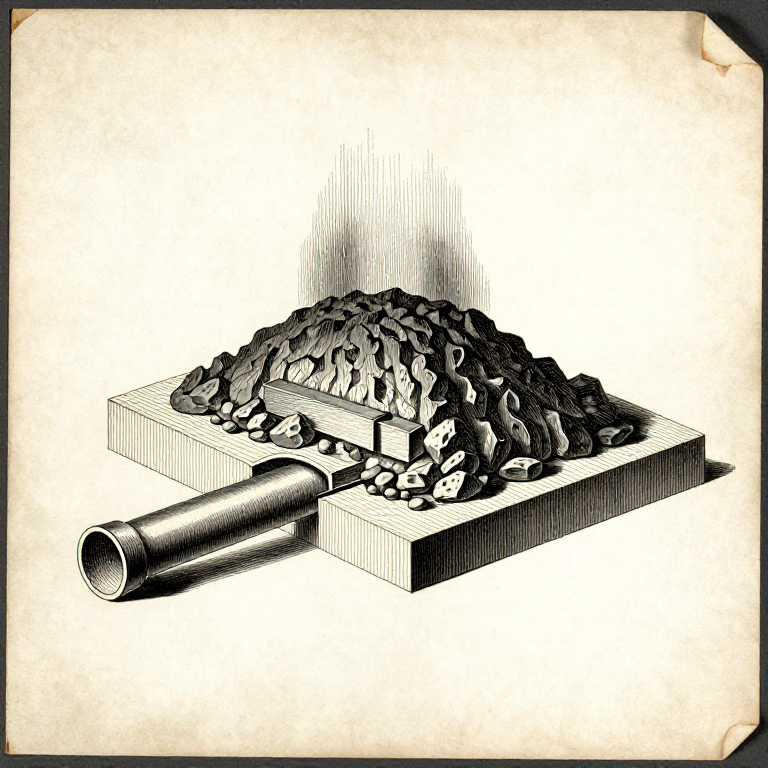


Running the Fire: The Bed, the Air, and the Sweet Spot
A solid-fuel fire is not a uniform hot box. It has a small region — the sweet spot — a little above the air blast, where the fuel is burning hard and the atmosphere is right, and everywhere else is either cooler or actively damaging.
Getting work into that region and keeping it there is most of what running a forge fire means. A fire that looks impressive but has a shallow bed will not get steel to welding heat however hard you blow, and it will oxidise the work badly while failing.
Three things control it: the depth of the fuel bed, the amount of air, and where the work sits relative to both.
Trung cấp
4 hours
Hướng dẫn
1
1
Build a deep bed — depth is what makes heat
Build a deep bed — depth is what makes heat
The fuel above the air inlet has to be deep enough that the incoming air is fully consumed before it reaches the work. A shallow fire lets cold air and free oxygen reach the steel directly.
For a coal or charcoal forge, aim for a good hand's depth of burning fuel above the tuyere. That is far more than most beginners build, and building it is usually the difference between a fire that reaches welding heat and one that stalls at orange.
Keep the fire mounded rather than spread. A wide thin fire burns a lot of fuel and heats nothing; a compact deep one concentrates the heat where the work goes and uses less fuel doing it.
Vật liệu cho bước này:
 Than củi2 cái
Công cụ cần thiết:
 Lò rèn của thợ rèn
 Bếp lò (lửa rèn)
 Gạch chịu lửa
2
2
Air: enough to burn the fuel, not enough to blow through it
Air: enough to burn the fuel, not enough to blow through it
More air makes a hotter fire only up to the point where the fuel can consume it. Past that the excess air cools the fire and carries oxygen to the work.
Listen and look. A correct blast gives a steady roar and a fire that is bright but not throwing sparks and fuel out of the top. Too much blast blows a hole through the bed, throws burning fuel about and wastes it fast.
Match the blast to the job: a gentle blast for a long soak on a thick piece, more for driving a small piece up quickly. A hand bellows or a controllable blower is genuinely better than a fixed fan for this reason, because the rate is something you want to change constantly.
Vật liệu cho bước này:
Than củi2 cáiCông cụ cần thiết:
 Bễ thổiLò rèn của thợ rèn
 Kính lọc sáng cho lò rèn
3
3
Where to put the work, and where not to
Where to put the work, and where not to
Bury the work IN the fuel, in the hottest region a little above the air inlet — not resting on top of the fire where the flames lick over it.
Sitting on top looks like it should work and does not: that region has excess air and unburnt gas, so the work oxidises heavily while heating slowly. Steel left there scales badly and, in a coal fire, can pick up sulphur.
Directly at the air inlet is the other mistake — that is where the oxygen arrives and it will burn the steel. The target is the zone just above it, where the oxygen has been consumed and the carbon monoxide is hot. Feel for it: move the piece around in the fire and you will find where it comes up fastest.
Vật liệu cho bước này:
 Thanh thép mềm1 cáiThan củi2 cái
Công cụ cần thiết:
 Kìm rènLò rèn của thợ rèn
 Găng tay da ống dàiKính lọc sáng cho lò rèn
4
4
Keep it fed, keep it clean, and bank it when you stop
Keep it fed, keep it clean, and bank it when you stop
Add fuel around the edges and let it coke or char there before raking it into the centre. Green fuel dropped straight onto the fire cools it and releases smoke and volatiles right where the work is.
Clinker — the fused ash that forms at the bottom of a coal fire — blocks the air inlet and kills the fire from underneath. Rake it out periodically; it comes away as a hard glassy lump and its presence explains a fire that has become inexplicably sluggish.
To pause, bank the fire: heap fuel over it and cut the air right down. It will hold for a long time and come straight back with a few strokes of the bellows, which is much faster and cheaper than relighting.
Vật liệu cho bước này:
Than củi2 cáiCông cụ cần thiết:
Lò rèn của thợ rènBễ thổiBếp lò (lửa rèn)Blueprint liên quan
Các blueprint này chia sẻ kiến thức — kỹ thuật, vật liệu hoặc nguyên tắc
CC0 Phạm vi công cộng
Bản thiết kế này được phát hành theo CC0. Bạn tự do sao chép, sửa đổi, phân phối và sử dụng cho bất kỳ mục đích nào mà không cần xin phép.
Hỗ trợ nhà sáng tạo bằng cách mua sản phẩm qua bản thiết kế, nơi họ nhận Hoa hồng nhà sáng tạo do nhà bán hàng đặt, hoặc tạo phiên bản mới và kết nối trong bản thiết kế riêng để chia sẻ doanh thu.