NGHỆ THUẬT
LÀM ĐẸP VÀ SỨC KHỎE
THỦ CÔNG
VĂN HÓA VÀ LỊCH SỬ
GIẢI TRÍ
MÔI TRƯỜNG
THỰC PHẨM VÀ ĐỒ UỐNG
KỸ THUẬT NGƯỢC
KHOA HỌC
THỂ THAO
CÔNG NGHỆ
THIẾT BỊ ĐEO



Sanitation Is Not Sterilisation: You Are Choosing Which Microbes Win
You cannot sterilise a home brewery and you do not need to. Sterilisation means killing everything; SANITATION means reducing the unwanted organisms enough that the one you want takes over first and outcompetes the rest.
That is the whole game. A vigorous yeast population pitched into a clean vessel acidifies and de-oxygenates its surroundings within hours, and after that very little else can get established. A weak start lets something else win.
Which reframes every sanitation instruction. It is not about hygiene in the abstract — it is about the head start, and every surface the liquid touches after the boil is a place the competition can enter.
Cơ bản
2 hours
Hướng dẫn
1
1
Clean first, then sanitise — they are different jobs
Clean first, then sanitise — they are different jobs
CLEANING removes visible soil: the sticky film, the trub, the ring in the vessel. SANITISING kills what is left on an already clean surface. A sanitiser applied to a dirty surface does almost nothing, because organisms sheltering under a film of residue are never touched.
So the order is always clean, rinse, sanitise — and the cleaning is the part that takes effort. A dedicated brewery cleaner or plain unscented washing soda works; anything perfumed leaves residue that will end up in the flavour.
Never scrub plastic with an abrasive. Scratches in a plastic bucket or a siphon hose are permanent shelters that no sanitiser can reach into, and they are why a scratched fermenter eventually infects everything put in it.
Vật liệu cho bước này:
 Nước1 lít
Công cụ cần thiết:
 Bộ tẩy rửa và sát trùng nấu bia
 Bình thủy tinh lên men
 Ống xi phông tự động
2
2
Contact time is the specification, not the wetting
Contact time is the specification, not the wetting
Every sanitiser has a required contact time — typically 30 seconds to two minutes — and a required concentration. Both are on the label and both matter.
A quick splash and a shake is not sanitation. The surface has to stay wet with sanitiser at the right strength for the stated time, which for a carboy means filling it or rolling it thoroughly rather than rinsing it through.
No-rinse sanitisers are designed to be left. Rinsing them off with tap water undoes the work by re-introducing whatever is in the tap, which is the commonest way a careful brewer infects a batch.
Vật liệu cho bước này:
Nước1 lítCông cụ cần thiết:
Bộ tẩy rửa và sát trùng nấu biaBình thủy tinh lên men Van sủi lên men
3
3
Everything after the boil, and nothing before it
Everything after the boil, and nothing before it
Boiling sterilises the wort. Before that point, cleanliness is ordinary kitchen hygiene and nothing more — sanitising a mash tun is wasted effort because everything in it is about to be boiled.
After the boil, every single thing that touches the liquid must be sanitised: the fermenter, the airlock, the siphon, the hydrometer, the sample jar, the spoon, the thermometer probe, the bottle caps, and your hands.
The chiller is the classic miss, because it goes into the hot wort and comes out of the cold. Sanitise it, and drop it in for the last fifteen minutes of the boil so the wort itself does the job.
Vật liệu cho bước này:
Nước1 lítCông cụ cần thiết:
Bộ tẩy rửa và sát trùng nấu biaỐng xi phông tự động Tỷ trọng kế và ống đong nấu bia
 Nhiệt kế đọc nhanh
4
4
Not every ferment wants the same organisms
Not every ferment wants the same organisms
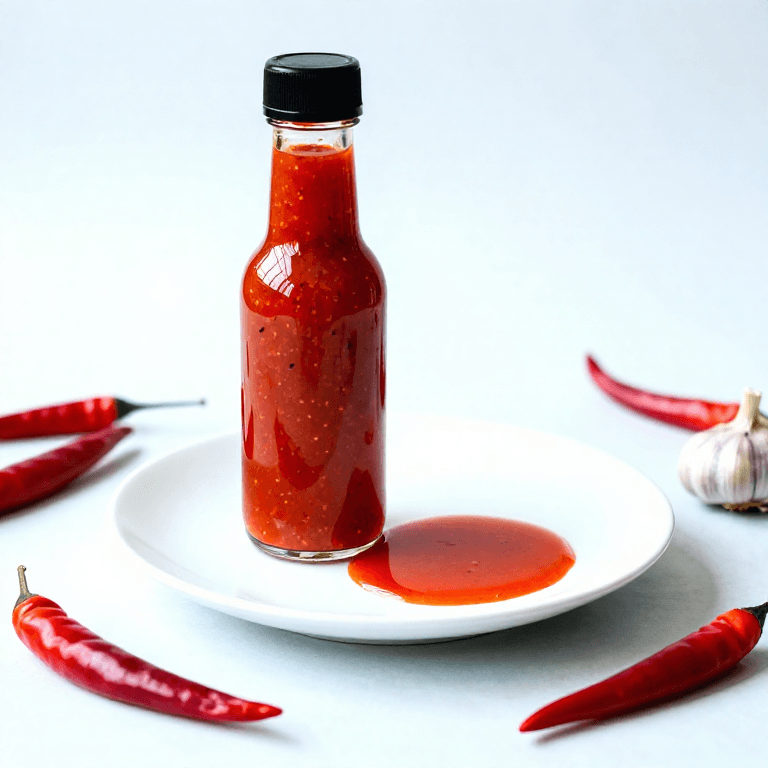
A clean beer wants one yeast and nothing else. A lacto-fermented hot sauce wants the bacteria that are already on the vegetables, and sanitising them off would defeat the entire process — there the SALT concentration is what selects, not sanitation.
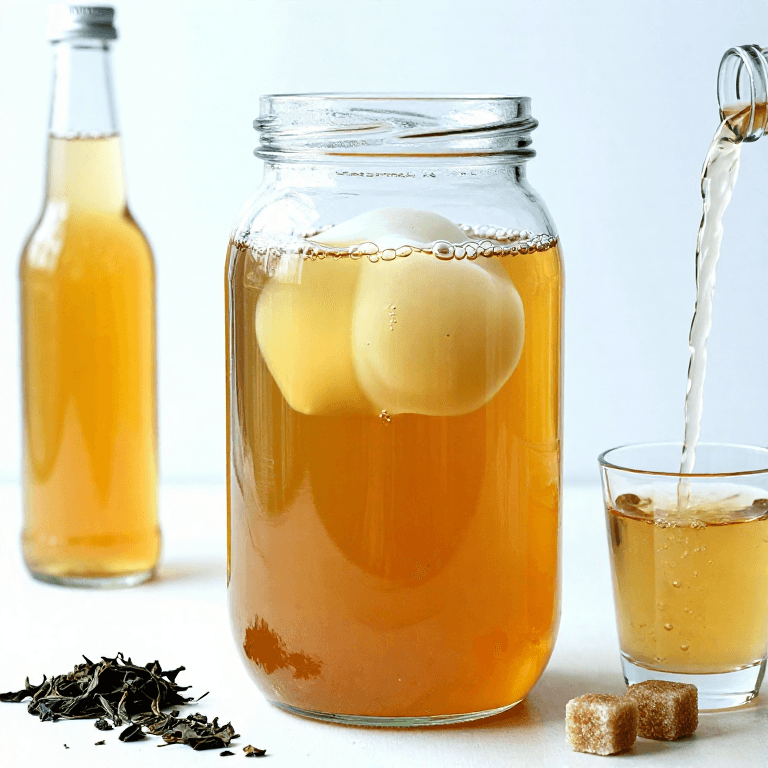
A kombucha SCOBY, a sourdough starter and a vinegar mother are all deliberately mixed cultures held in balance by acidity and by being fed. Their defence is the established population, not a sterile vessel.
So the question is always: what is doing the selecting here? Sanitation, salt, acidity, alcohol, temperature or an established culture. Knowing which one is protecting a given ferment tells you which mistake will ruin it.
Vật liệu cho bước này:
 Natri clorua (muối)1 cáiNước1 lít
Công cụ cần thiết:
Bộ tẩy rửa và sát trùng nấu bia Cân chính xác
Công cụ yêu cầu
7- Bộ tẩy rửa và sát trùng nấu biaHoa hồng 10%Tạm thời
- Bình thủy tinh lên menHoa hồng 10%Tạm thời
- Tạm thời
- Tạm thời
- Tỷ trọng kế và ống đong nấu biaHoa hồng 10%Tạm thời
- Tạm thời
- Tạm thời
Blueprint liên quan
Các blueprint này chia sẻ kiến thức — kỹ thuật, vật liệu hoặc nguyên tắc


CC0 Phạm vi công cộng
Bản thiết kế này được phát hành theo CC0. Bạn tự do sao chép, sửa đổi, phân phối và sử dụng cho bất kỳ mục đích nào mà không cần xin phép.
Hỗ trợ nhà sáng tạo bằng cách mua sản phẩm qua bản thiết kế, nơi họ nhận Hoa hồng nhà sáng tạo do nhà bán hàng đặt, hoặc tạo phiên bản mới và kết nối trong bản thiết kế riêng để chia sẻ doanh thu.