NGHỆ THUẬT
LÀM ĐẸP VÀ SỨC KHỎE
THỦ CÔNG
VĂN HÓA VÀ LỊCH SỬ
GIẢI TRÍ
MÔI TRƯỜNG
THỰC PHẨM VÀ ĐỒ UỐNG
KỸ THUẬT NGƯỢC
KHOA HỌC
THỂ THAO
CÔNG NGHỆ
THIẾT BỊ ĐEO

Sorting by Size: Why a Screen Never Makes a Clean Cut
Crushing makes a range of sizes. Almost nothing downstream wants a range, so between every crushing stage and the next there is a machine whose only job is to sort.
The tempting mental model is a knife: smaller than the hole goes through, larger stays on top. It is wrong, and knowing why it is wrong is most of what there is to know about screening. A particle passes only if it arrives over a hole while it is touching the deck, and that is a matter of chance — a chance that collapses toward zero as the particle approaches the size of the hole.
So a screen sorts by probability, the material that is nearly the right size is the material it handles worst, and 'screening efficiency' is a number with a definition rather than a compliment. This rung derives the probability, generates the partition curve from it, and then builds a deck.
Trung cấp
About 3 hours
Hướng dẫn
1
1
Prove it with a sieve and a stopwatch
Prove it with a sieve and a stopwatch
Take a sieve and a sample of material with a good spread of sizes. Weigh the sample.
Now sieve it in timed stages: shake for fifteen seconds, weigh what has gone through, put the oversize back on and repeat, six or eight times. Record the cumulative mass passed against total shaking time.
The curve rises steeply and then flattens, and it never quite stops rising. There is no moment at which the sieve is 'finished'. That is not a fault in your technique; it is the probability in step 3 showing itself, because the material still on the deck at the end is the material closest in size to the holes.
This is also the correct way to run any sieve analysis: shake until the mass passing in a further period is negligible, and say in your notes what 'negligible' meant. An analysis without a stated end point is not reproducible.
Do it a second time with a doubled sample. The same sieve, the same shaking, more material — and it will be markedly worse, because the particles at the bottom of a deep bed never reach the deck at all.
Vật liệu cho bước này:
 Đá cốt liệu2 kg
Công cụ cần thiết:
 Sàng thô
 Rây lưới mịn
 Sàng phân loại
 Cân điện tử
 Đồng hồ bấm giờ
 Khẩu trang chống bụi
2
2
Build a deck and give it a stroke
Build a deck and give it a stroke
A screen deck is a frame, a tensioned cloth and a way of shaking it.
Build the frame square and stiff, and **tension the cloth**. A slack screen cloth is the commonest fault on a working screen: it absorbs the stroke instead of transmitting it, so the material is not lifted, and it flexes at every wire crossing until it fatigues and splits. Tension it in both directions and check it after the first hour of running.
Incline the deck. On an inclined screen gravity moves the material along and the stroke lifts it clear of the cloth; twenty degrees is a usual starting point. Steeper moves the material faster, which means fewer presentations per particle, which means — from step 3 — a worse cut. Everything on a screen trades capacity against efficiency and there is no setting that escapes it.
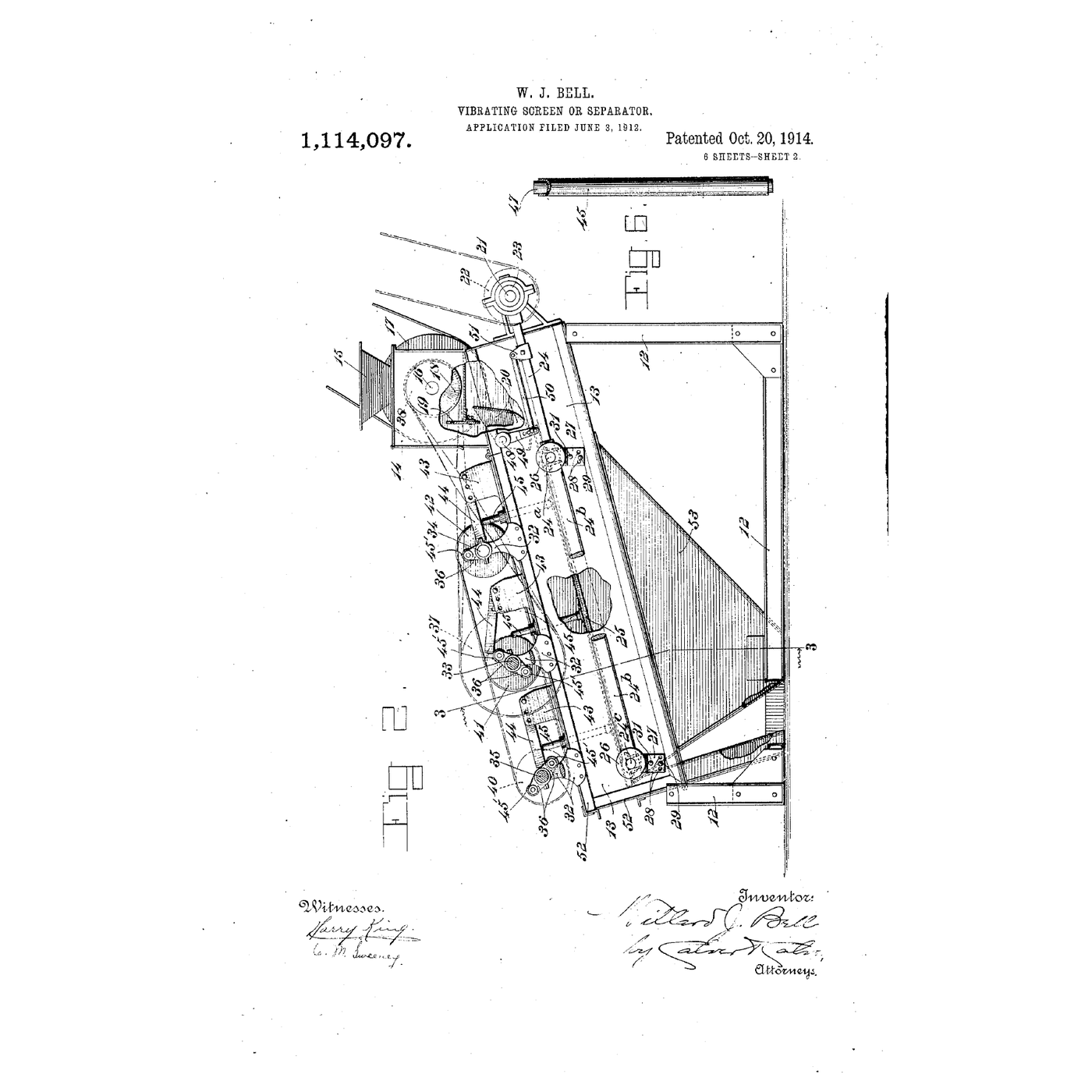
Drive it with an out-of-balance mass, which is what Bell's patent does. A weight bolted off-centre on a shaft gives a circular stroke; two counter-rotating shafts give a straight one. Start with a small out-of-balance and increase it: the material should be thrown clear of the deck on each stroke and land further down, travelling in a series of small hops rather than sliding.
Balance and guard exactly as in the hammer rung: an out-of-balance mass at speed is a serious force, and everything bolted to a vibrating screen unbolts itself.
Vật liệu cho bước này:
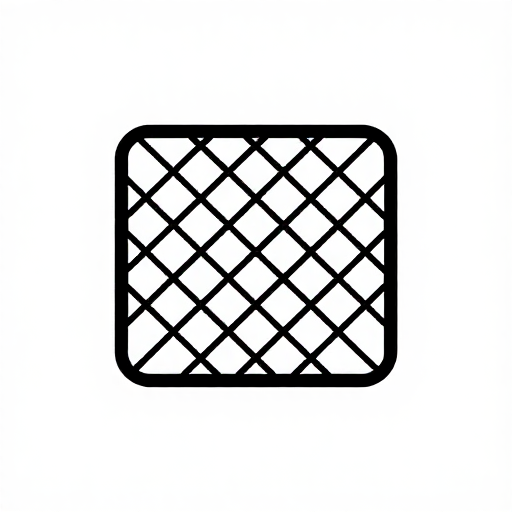 Lưới sàng đan bằng dây thép1 cái
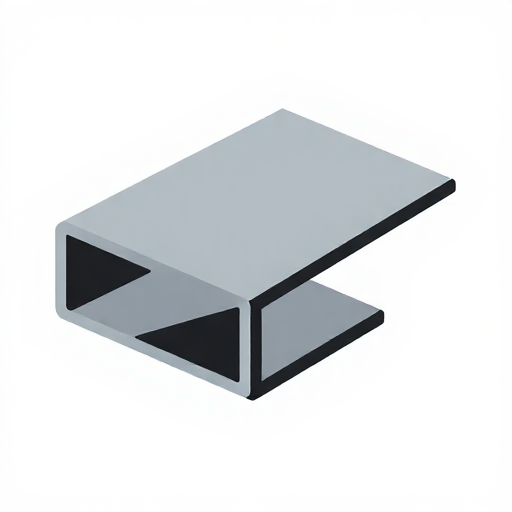 Thép góc cán nóng2 cái
 Vít máy16 cái
 Gối đỡ vòng bi (KP08)2 cái
Công cụ cần thiết:
 Động cơ rung
 Máy hàn MIG
 Mũ hàn tự động tối
 Máy khoan pin
 Bộ mũi khoan
 Bộ cờ lê
 Thước đo góc
 Thước thủy (nivô)
 Thước dây cuộn
 Kính bảo hộ trong suốt
 Găng tay da bảo hộ
 Bảo vệ thính giác
3
3
The probability of passing, and what it costs near the aperture
The probability of passing, and what it costs near the aperture
Đang tải sổ tay Jupyter…
4
4
The partition curve, and what efficiency means
The partition curve, and what efficiency means
Đang tải sổ tay Jupyter…
5
5
Blinding, pegging, and the bed that is too deep
Blinding, pegging, and the bed that is too deep
Three failures account for nearly every screen that has stopped working, and none of them is the machine.
**Pegging** — near-size particles wedged in the apertures. The deck loses open area steadily until it is a solid plate. Caused by too much near-size and too little stroke. Look at the cloth against the light: a pegged deck is obvious in two seconds and invisible from above.
**Blinding** — damp fines bridging over the holes. Same symptom, different cause, and it gets worse as the material gets finer. Heated decks, rubber panels that flex, and ball trays under the deck all exist to beat it.
**Bed too deep** — the fines at the bottom of a thick bed never reach the cloth. The screen is then sorting the top of the bed and passing the rest along, and no amount of extra stroke will help, because the problem is that the undersize is not in contact with the deck. A bed about four times the aperture deep at the discharge end is a common rule of thumb; deeper than that, split the feed across two decks rather than pushing it.
The diagnostic that distinguishes them: stop the feed and let the deck run clear. Pegging and blinding are still visible on the empty cloth. A deep bed is not.
Vật liệu cho bước này:
Lưới sàng đan bằng dây thép1 cáiCông cụ cần thiết:
Thước dây cuộn Thước kẻ
 Kính hiển vi sốGăng tay da bảo hộKhẩu trang chống bụiKính bảo hộ trong suốt
6
6
History and context
History and context
**US 1,114,097, 'Vibrating Screen or Separator', W. J. Bell, application filed 3 June 1912, granted 20 October 1914.** The drawing's sheet 2 shows the machine plainly: an inclined deck in a suspended frame, shaken rather than swept.
That distinction is what the vibrating screen is for. The older answer was a **trommel** — a slowly rotating drum of perforated plate — and a trommel is gentle, tolerant and very inefficient, because a particle in a trommel spends most of its time in a rolling bed and very little of it in contact with the screening surface. A vibrating deck throws every particle clear and lets it land again, several times a second, which is exactly the 'presentations' term in step 3. The whole gain is in that one variable.
A second verified patent from the same decade, **US 1,459,846, B. A. Mitchell, 'Vibrating Screen', filed 1920 and granted 26 June 1923**, shows how quickly the type was elaborated.
**Honest limits.** Screening gets impractical below about half a millimetre dry, because the cloth blinds and the open area collapses; below that, sorting is done wet, or by settling velocity in a classifier or a cyclone, which is a different machine sorting by a different property. A screen is a poor choice for sticky or clay-bearing feed at any size. It is a large machine for the tonnage it handles, because the deck area is set by the hardest cut and not by the average one. And its efficiency figure is only comparable against another figure calculated the same way — 'ninety-five per cent efficient' is meaningless without the definition beside it.
Vật liệu
5- 2 kgTạm thời
- Tạm thời
- 2 cáiTạm thời
- 16 cáiTạm thời
- Tạm thời
Công cụ yêu cầu
20- Tạm thời
- Tạm thời
- Tạm thời
- Tạm thời
- Tạm thời
- Tạm thời
- Động cơ rungHoa hồng 10%Magento Legacy Storeships internationallyTạm thời
- Máy hàn MIGHoa hồng 10%Tạm thời
- Tạm thời
- 1 vendor sell this, none ship to you yetTạm thời
- Tạm thời
- Tạm thời
- Tạm thời
- Tạm thời
- 1 vendor sell this, none ship to you yetTạm thời
- Tạm thời
- Tạm thời
- Bảo vệ thính giácHoa hồng 10%Tạm thời
- Tạm thời
- Tạm thời
Blueprint liên quan
Các blueprint này chia sẻ kiến thức — kỹ thuật, vật liệu hoặc nguyên tắc
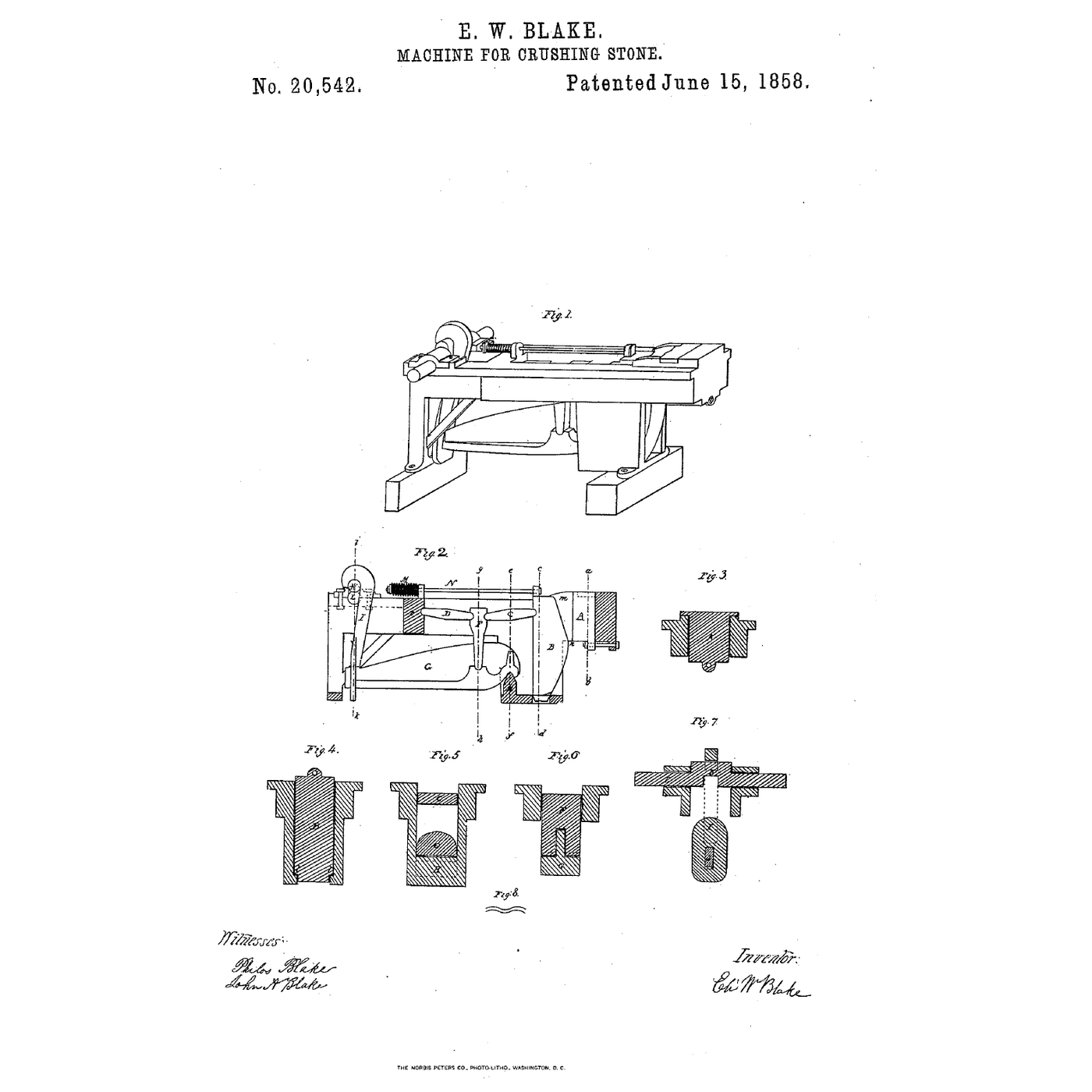
Breaking Stone by Compression: The Nip Angle Decides Everything
bởi Martin
Gia công kim loại
6
0
0
0
0
0
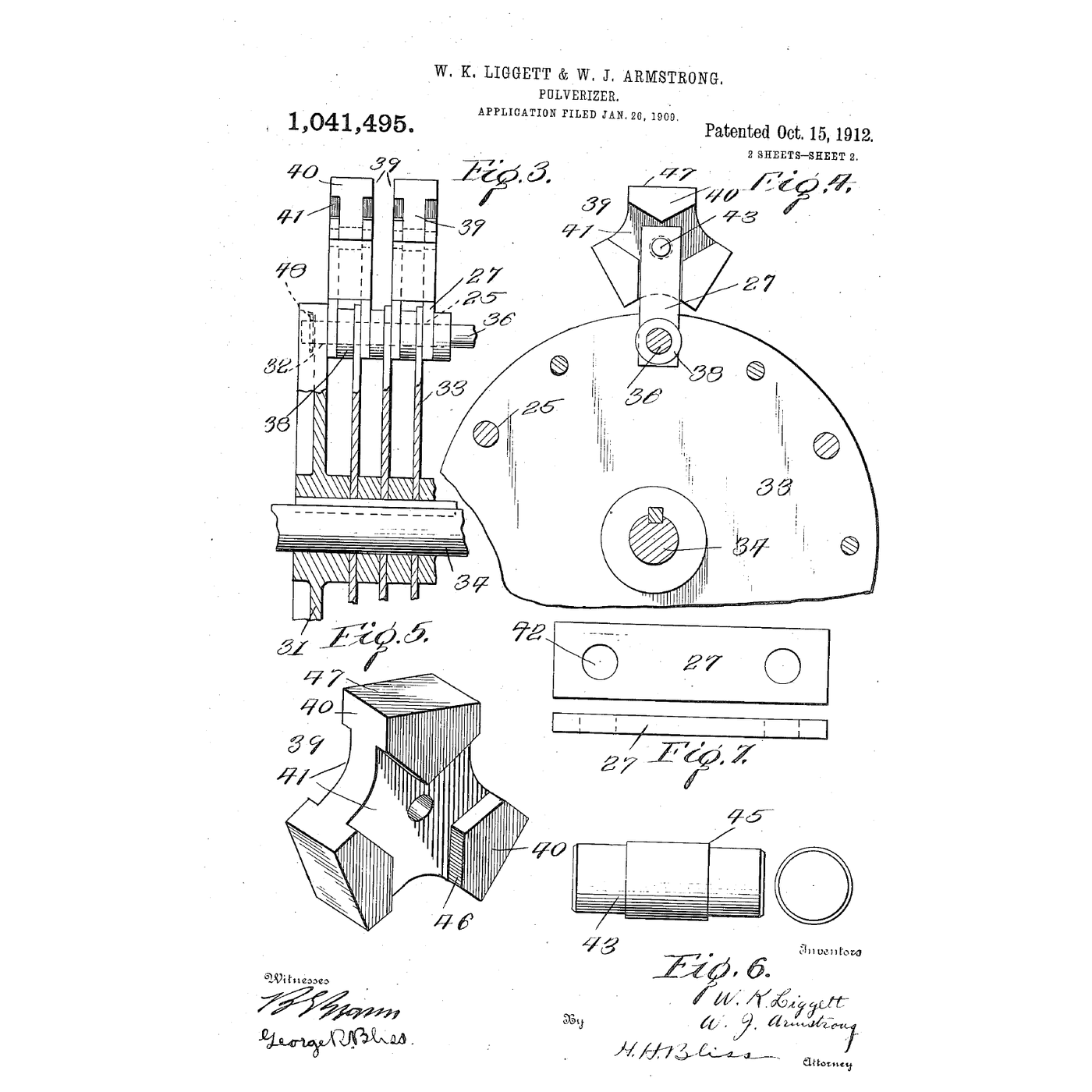
Breaking by Impact: The Swing Hammer and the Grate That Sets the Size
bởi Martin
Gia công kim loại
2
0
0
0
0
0
Grinding in a Tumbling Mill: Critical Speed, and Why the Media Are Graded
bởi Emma
Cơ học
2
0
0
0
0
0
Ore Dressing
bởi Mary
Gia công kim loại
31
0
0
0
0
0
Cyclone Separator
bởi Emma
Kỹ thuật
41
0
0
0
0
0
CC0 Phạm vi công cộng
Bản thiết kế này được phát hành theo CC0. Bạn tự do sao chép, sửa đổi, phân phối và sử dụng cho bất kỳ mục đích nào mà không cần xin phép.
Hỗ trợ nhà sáng tạo bằng cách mua sản phẩm qua bản thiết kế, nơi họ nhận Hoa hồng nhà sáng tạo do nhà bán hàng đặt, hoặc tạo phiên bản mới và kết nối trong bản thiết kế riêng để chia sẻ doanh thu.