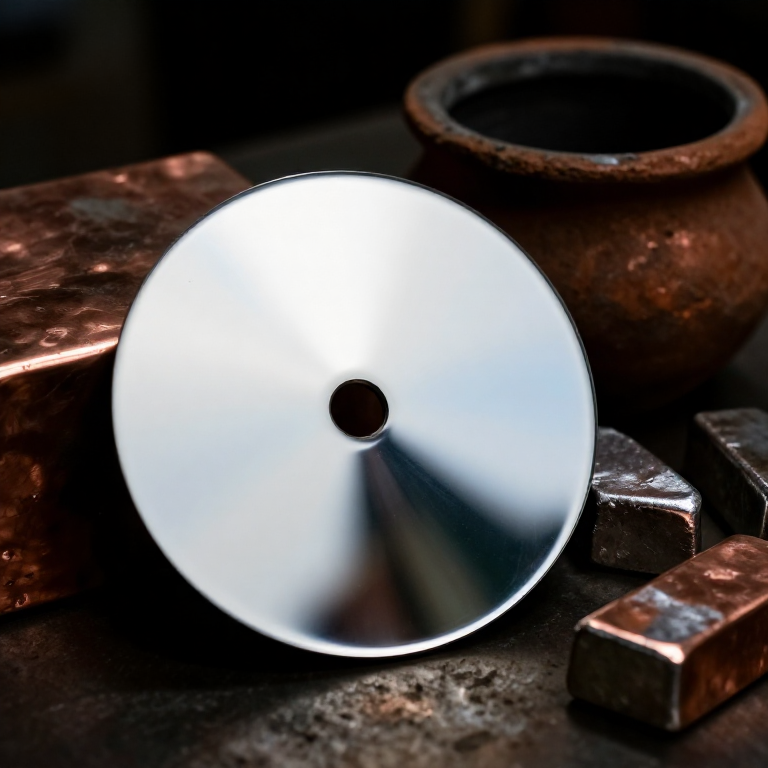


Casting and Grinding a Speculum Metal Telescope Mirror — Newton's Reflecting Alloy
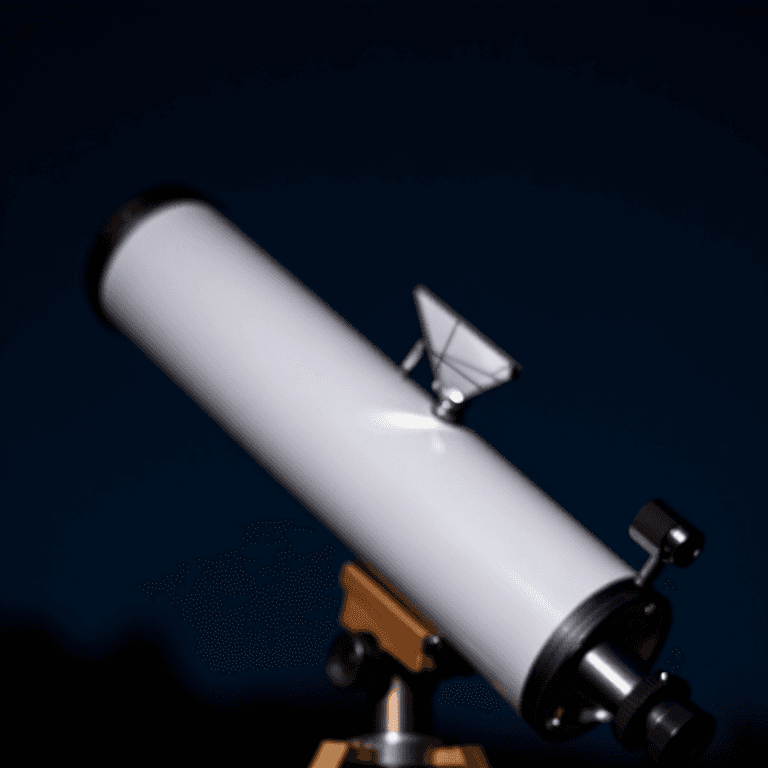
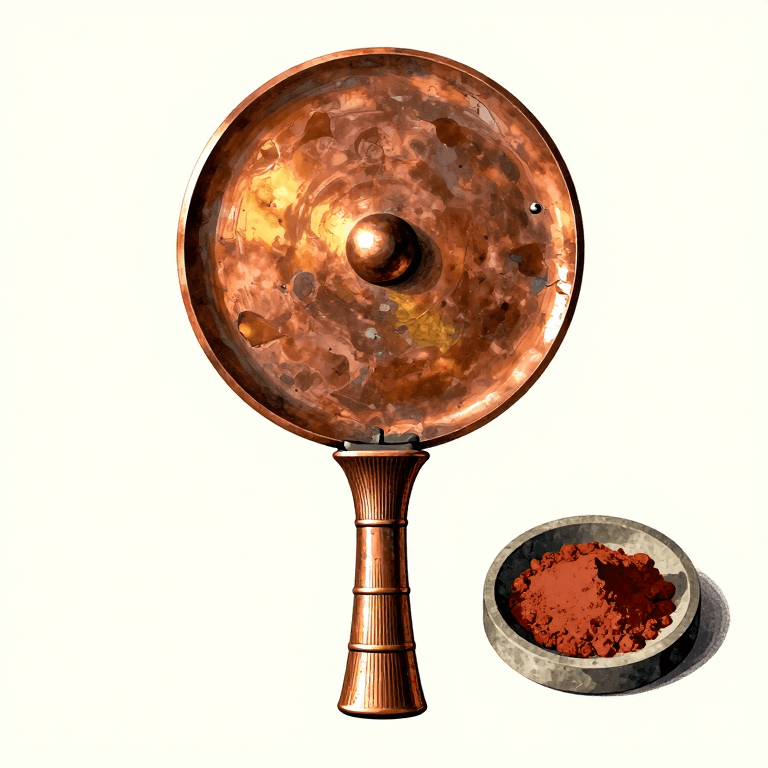
When Isaac Newton built his reflecting telescope in 1668, he needed a concave mirror to focus light — but silvered glass mirrors did not yet exist. Instead, he cast his mirror from speculum metal, a bronze alloy of approximately 68% copper and 32% tin that can be polished to a brilliant, highly reflective surface. Speculum metal had been known since antiquity — the Romans used it for hand mirrors (speculum is Latin for mirror) — but Newton was the first to grind it into a precise concave paraboloid for astronomical use. The alloy is hard, brittle, and takes a superb polish, but it tarnishes in air and must be periodically repolished. Every reflecting telescope before the 1850s used speculum metal mirrors, including William Herschel's great telescopes that discovered Uranus and mapped the Milky Way. This blueprint casts a speculum metal disc from copper and tin ingots, then grinds and polishes it into a concave mirror suitable for a Newtonian reflecting telescope.
Hướng dẫn
Understand speculum metal
Understand speculum metal
Weigh the copper and tin
Weigh the copper and tin
Vật liệu cho bước này:
 Thỏi đồng nguyên chất 99,9 % nặng 450 g340 g
 Thỏi thiếc160 g
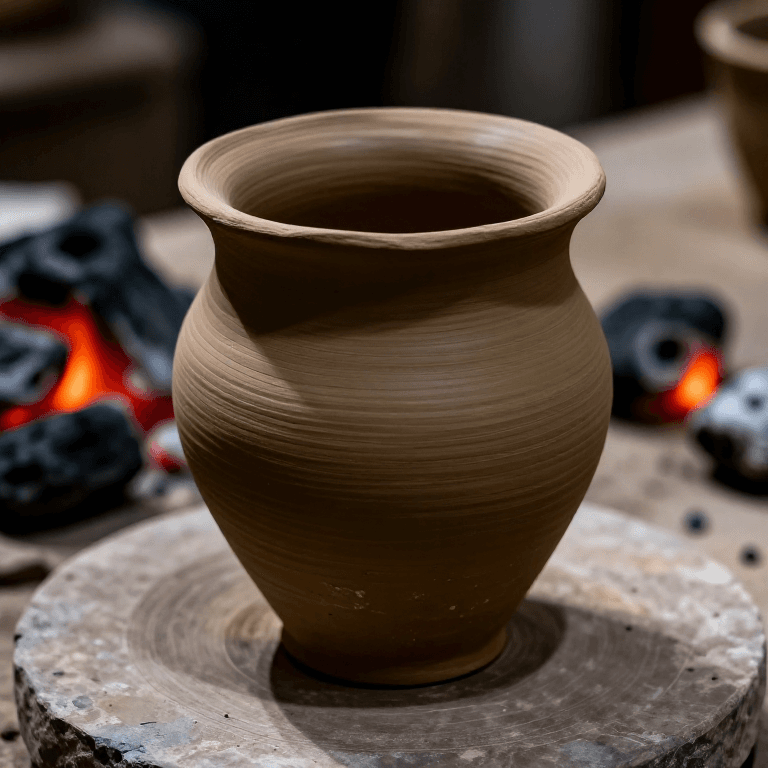
Prepare the crucible and mould
Prepare the crucible and mould
Vật liệu cho bước này:
 Nồi nấu bằng đất, lòng sâu1 cái
 Than củi dạng cục3 kg
Công cụ cần thiết:
 Kìm gắp nồi nấu kim loại
Melt the copper
Melt the copper
Add the tin and pour
Add the tin and pour
Công cụ cần thiết:
Kìm gắp nồi nấu kim loạiAnneal the casting
Anneal the casting
Flatten one face on a lap
Flatten one face on a lap
Vật liệu cho bước này:
 Hạt mài cacbua silic100 g
Rough grind the concave curve
Rough grind the concave curve
Vật liệu cho bước này:
Hạt mài cacbua silic200 g Tấm kính1 cái
Fine grind with progressively finer grits
Fine grind with progressively finer grits
Polish on a pitch lap
Polish on a pitch lap
Vật liệu cho bước này:
 Keo nhựa thông100 g
 Oxit thiếc (thiếc dioxit)50 g
 Kem đánh bóng50 g
Test the mirror with a pinhole
Test the mirror with a pinhole
Protect the polished surface
Protect the polished surface
Vật liệu
9- Tạm thời
- 160 gTạm thời
- Tạm thời
- Tạm thời
- 300 gTạm thời
- 1 cáiTạm thời
- 100 gTạm thời
- Tạm thời
- 50 gTạm thời
Công cụ yêu cầu
2- Tạm thời
- Tạm thời
Vật liệu bản thiết kế liên kết
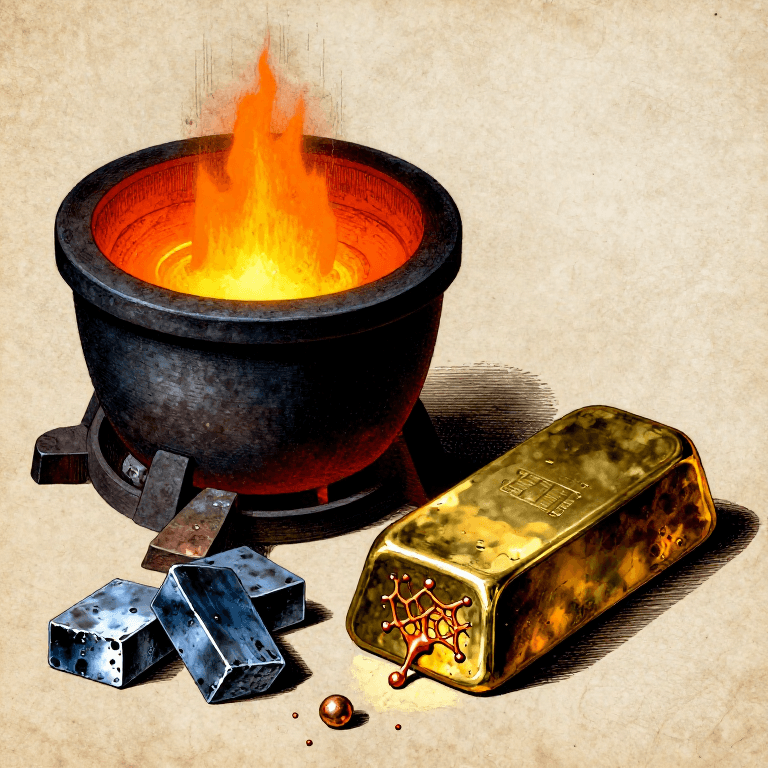

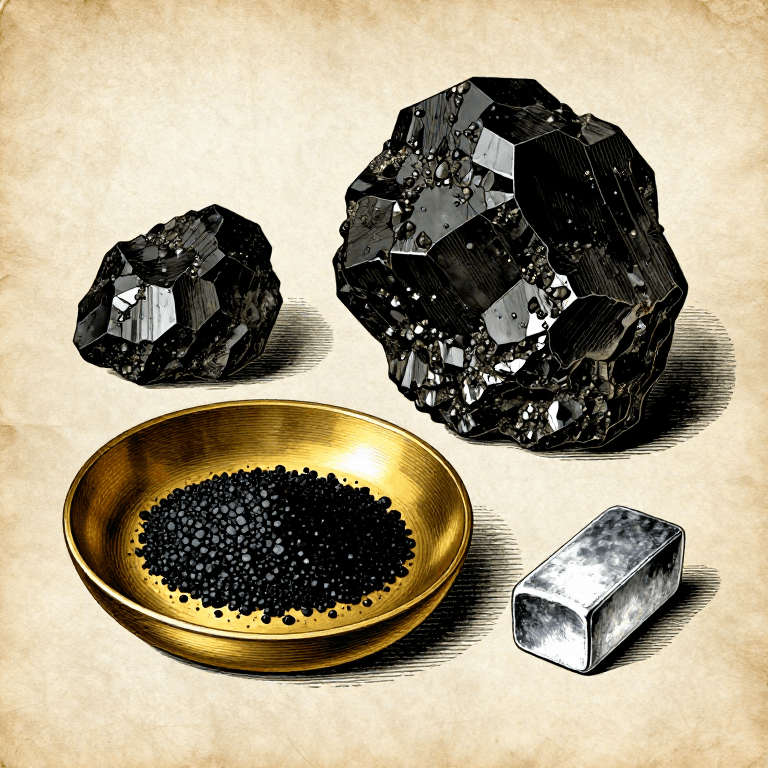

Blueprint liên quan
Các blueprint này chia sẻ kiến thức — kỹ thuật, vật liệu hoặc nguyên tắc

CC0 Phạm vi công cộng
Bản thiết kế này được phát hành theo CC0. Bạn tự do sao chép, sửa đổi, phân phối và sử dụng cho bất kỳ mục đích nào mà không cần xin phép.
Hỗ trợ nhà sáng tạo bằng cách mua sản phẩm qua bản thiết kế, nơi họ nhận Hoa hồng nhà sáng tạo do nhà bán hàng đặt, hoặc tạo phiên bản mới và kết nối trong bản thiết kế riêng để chia sẻ doanh thu.