NGHỆ THUẬT
LÀM ĐẸP VÀ SỨC KHỎE
THỦ CÔNG
VĂN HÓA VÀ LỊCH SỬ
GIẢI TRÍ
MÔI TRƯỜNG
THỰC PHẨM VÀ ĐỒ UỐNG
KỸ THUẬT NGƯỢC
KHOA HỌC
THỂ THAO
CÔNG NGHỆ
THIẾT BỊ ĐEO
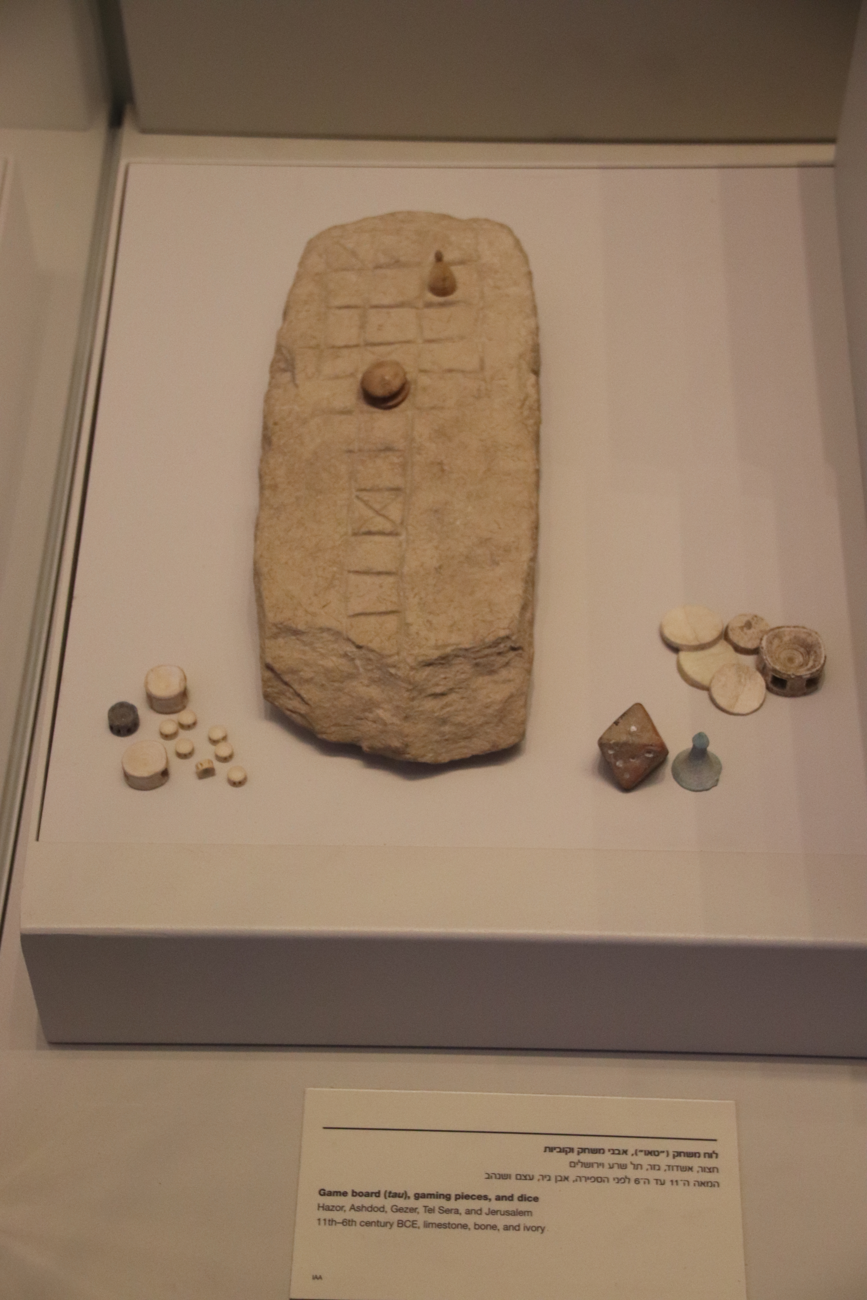


The Royal Game of Ur — Build and Play the Oldest Board Game
Build the 4,600-year-old Royal Game of Ur — a Mesopotamian race game whose rules were read from a cuneiform tablet by Irving Finkel. Make the 20-square board, four binary dice and fourteen counters (or 3D print them), then learn why a roll of two comes up far more than a zero or four. A buildable school project in play and probability.
Cơ bản
45 minutes
Hướng dẫn
1
1
The oldest game you can still play
The oldest game you can still play
The Royal Game of Ur is about 4,600 years old — a race game from Mesopotamia. Its rules were lost until Irving Finkel of the British Museum read them off a clay tablet. Watch him teach the game below.
2
2
Prefer to 3D print it?
Prefer to 3D print it?
Rather 3D print it? Here is a ready-made Tinkercad model of the board, dice and counters. Rotate it below, or open it in Tinkercad to tweak it and export an STL for your printer — then skip ahead to the rules. Or carry on and make it by hand.
3
3
Mark out the board
Mark out the board
Draw the 20-square board: a block 4 squares long and a block 2 squares long, both 3 rows high, joined along the middle row by a bridge of 2 squares.
Vật liệu cho bước này:
 Tấm gỗ mềm đã khô1 cái
Công cụ cần thiết:
 Dao khắc sloyd
4
4
Paint the rosettes
Paint the rosettes
Paint a rosette flower on the five special squares shown on surviving boards, including the one in the centre of the shared middle lane. These are the lucky, safe squares.
Vật liệu cho bước này:
 Bộ màu nước1 cái
5
5
Make the four dice
Make the four dice
Pinch four small pyramids (tetrahedra) from clay. On each die, mark just TWO of the four corners with a dab of paint; leave the other two blank.
Vật liệu cho bước này:
 Đất sét tự khô1 cái
6
6
Make the pieces
Make the pieces
Make 14 flat round counters — seven of one colour and seven of another, one set for each player. Let the dice and counters dry hard.
Vật liệu cho bước này:
Đất sét tự khô1 cáiBộ màu nước1 cái7
7
Learn the path
Learn the path
Each player runs seven counters along their own track: up their side rows, across the shared middle lane, and off the far end. First to bear off all seven wins.
8
8
Roll the dice
Roll the dice
On your turn, throw all four dice and count how many MARKED corners point up. That number, from 0 to 4, is how many squares you may move one piece.
9
9
The rosette rule
The rosette rule
Land exactly on a rosette square and you are safe from capture AND you get to roll again. The rosettes are what make the game race and swing.
10
10
Capturing
Capturing
Land on an enemy piece in the shared middle lane (not on a rosette) and it is knocked back off the board to start its journey again.
11
11
Count your rolls
Count your rolls
Tally forty throws of the four dice. A total of two comes up far more often than zero or four — the dice are quietly loaded toward the middle.
12
12
Compendium — the probability inside the dice
Compendium — the probability inside the dice
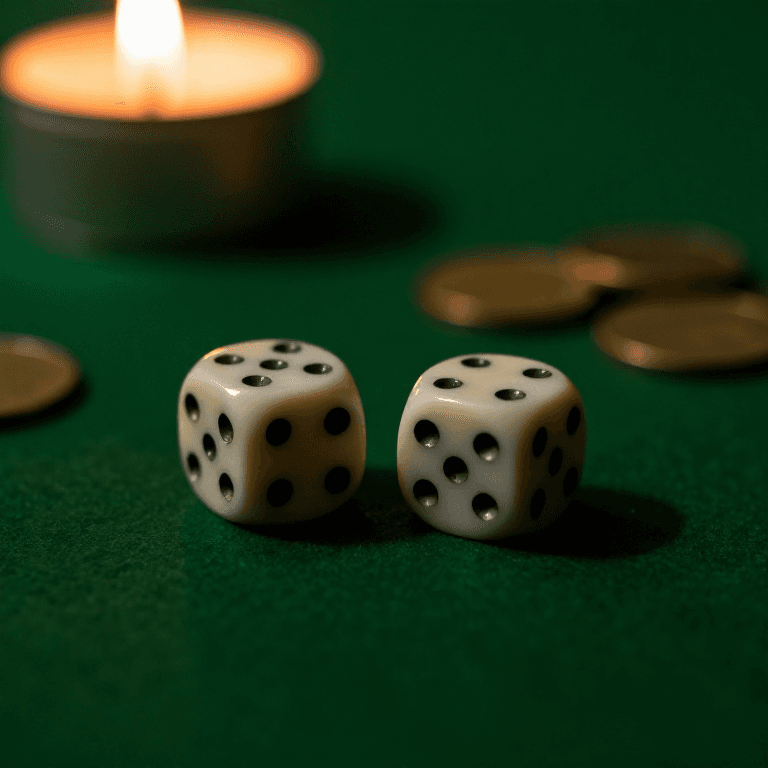
The four tetrahedral dice are the heart of the game and a perfect probability lesson. Each die has two marked corners and two blank, so landing marked-up or blank-up is a fair 50/50 coin flip. Rolling four of them is four coin flips at once, and the number of 'heads' follows the binomial distribution: the ways to get 0, 1, 2, 3 or 4 marks are 1 : 4 : 6 : 4 : 1 out of 16 equally likely outcomes. So a roll of 2 (six chances in sixteen) turns up most often, a 1 or a 3 fairly often, and a 0 or a 4 (one chance in sixteen each) is rare and lucky — a long move you can almost never count on. That gently loaded randomness is exactly what gives the game its rhythm of steady shuffles and sudden dashes. The board itself was found in the Royal Cemetery of Ur by Leonard Woolley in the 1920s, and the game belongs to the 'race game' family alongside Backgammon and Ludo, where players rush pieces around a track helped by the safe, bonus rosette squares. Because Finkel could translate its rules from a Babylonian tablet, it is the oldest board game we can still play exactly as it was meant to be played.
Vật liệu
3- 1 cáiTạm thời
- 1 cáiTạm thời
- 1 cáiTạm thời
Công cụ yêu cầu
1- Tạm thời
Tệp thiết kế
1Bản thiết kế này làm ra

Blueprint liên quan
Các blueprint này chia sẻ kiến thức — kỹ thuật, vật liệu hoặc nguyên tắc

CC0 Phạm vi công cộng
Bản thiết kế này được phát hành theo CC0. Bạn tự do sao chép, sửa đổi, phân phối và sử dụng cho bất kỳ mục đích nào mà không cần xin phép.
Hỗ trợ nhà sáng tạo bằng cách mua sản phẩm qua bản thiết kế, nơi họ nhận Hoa hồng nhà sáng tạo do nhà bán hàng đặt, hoặc tạo phiên bản mới và kết nối trong bản thiết kế riêng để chia sẻ doanh thu.