NGHỆ THUẬT
LÀM ĐẸP VÀ SỨC KHỎE
THỦ CÔNG
VĂN HÓA VÀ LỊCH SỬ
GIẢI TRÍ
MÔI TRƯỜNG
THỰC PHẨM VÀ ĐỒ UỐNG
KỸ THUẬT NGƯỢC
KHOA HỌC
THỂ THAO
CÔNG NGHỆ
THIẾT BỊ ĐEO
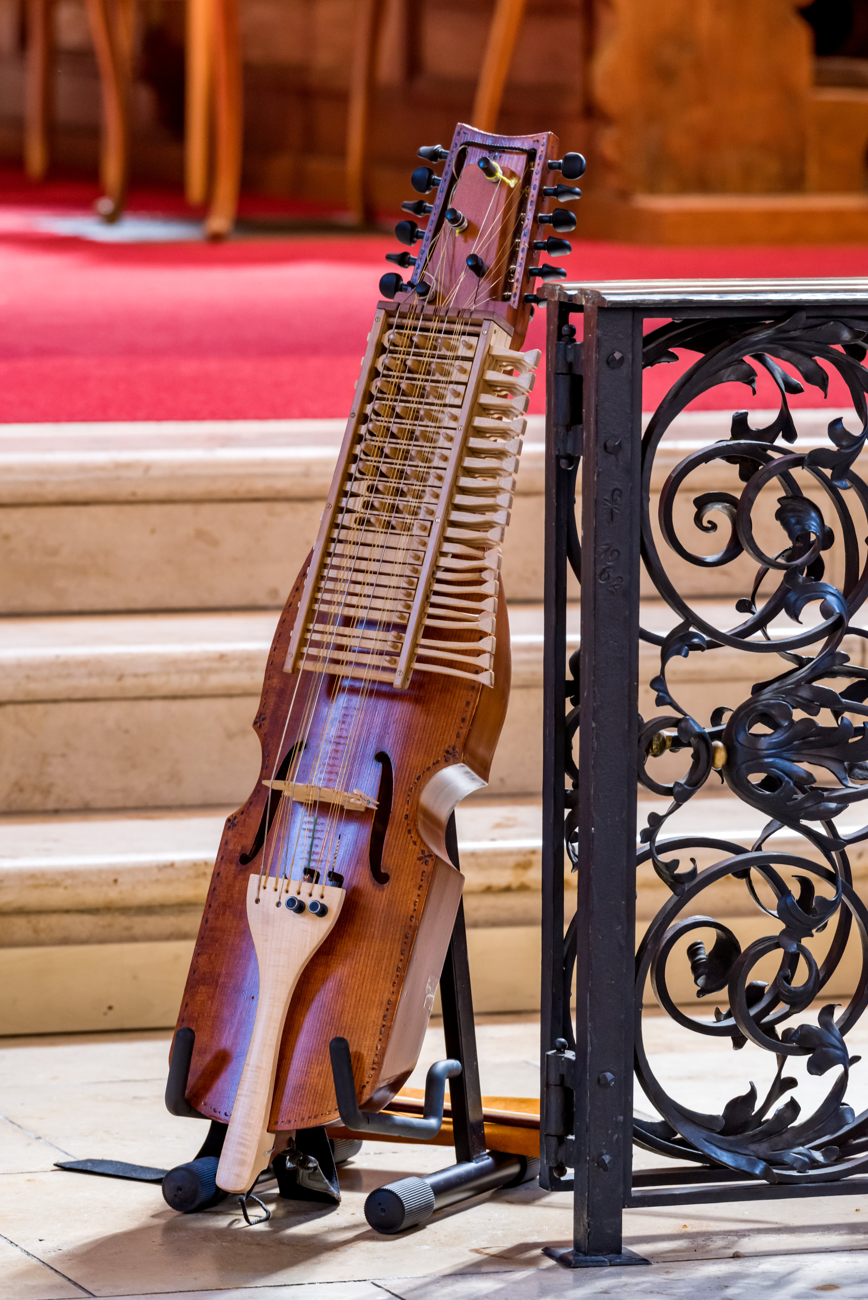


Building a Nyckelharpa — The Swedish Keyed Fiddle
Build a nyckelharpa: a bowed Swedish fiddle played not with fingers on a fingerboard but with a row of wooden KEYS whose tangents press the string to each note. It also carries sympathetic strings that ring on their own. A serious maker build in the bowed string, the tangent keyboard and sympathetic resonance.
Trung cấp
Several hours over several sessions
Hướng dẫn
1
1
A fiddle with a keyboard
A fiddle with a keyboard
The nyckelharpa is a bowed Swedish fiddle, but instead of pressing the strings with your fingers you press wooden KEYS. Each key drives a little tangent against the string to make a note.
2
2
Build the soundbox
Build the soundbox
Build a long, hollow wooden body with a light soundboard on top. This box amplifies the bowed strings.
Vật liệu cho bước này:
 Baltic Birch Plywood (1/8 inch, 12x12, 10-Pack)1 cái
 Dry Softwood Board1 cái
 PVA Wood Glue1 cái
Công cụ cần thiết:
 Hacksaw
3
3
Fit the strings
Fit the strings
Stretch a melody string and one or two drone strings along the top, over a bridge, tuned with pegs.
Vật liệu cho bước này:
 Steel Music Wire 0.032"1 cái
 Tuning Pegs4 cái
Công cụ cần thiết:
 Awl
Awl4
4
Add sympathetic strings
Add sympathetic strings
Under the melody string, run a set of thin strings you never touch — the SYMPATHETIC strings. Tuned to the scale, they ring on their own whenever their note is played, giving the halo of sound.
Vật liệu cho bước này:
Steel Music Wire 0.032"1 cái5
5
Build the key-box
Build the key-box
Build a box under the neck holding a row of sliding wooden keys, each carrying a small hardwood tangent.
Vật liệu cho bước này:
 Dowel Rod1 cái
Công cụ cần thiết:
 Sloyd Carving Knife
6
6
Set the tangents
Set the tangents
Position each key's tangent so that pressing the key from below stops the melody string at the next note of the scale — a keyboard of frets you push up into the string.
7
7
Make the bow
Make the bow
String a short springy stick with horsehair to make a bow, and rub it with pine rosin.
Vật liệu cho bước này:
 Curved Branch (Bow)1 cái
 Bow Hair (Horsehair)1 cái
8
8
Bow and key
Bow and key
Hold the harpa across your body on a strap, bow the strings with one hand, and press the keys with the other. The keys pick out the tune while the drones and sympathetic strings shimmer beneath.
9
9
Compendium — bowing through a keyboard
Compendium — bowing through a keyboard
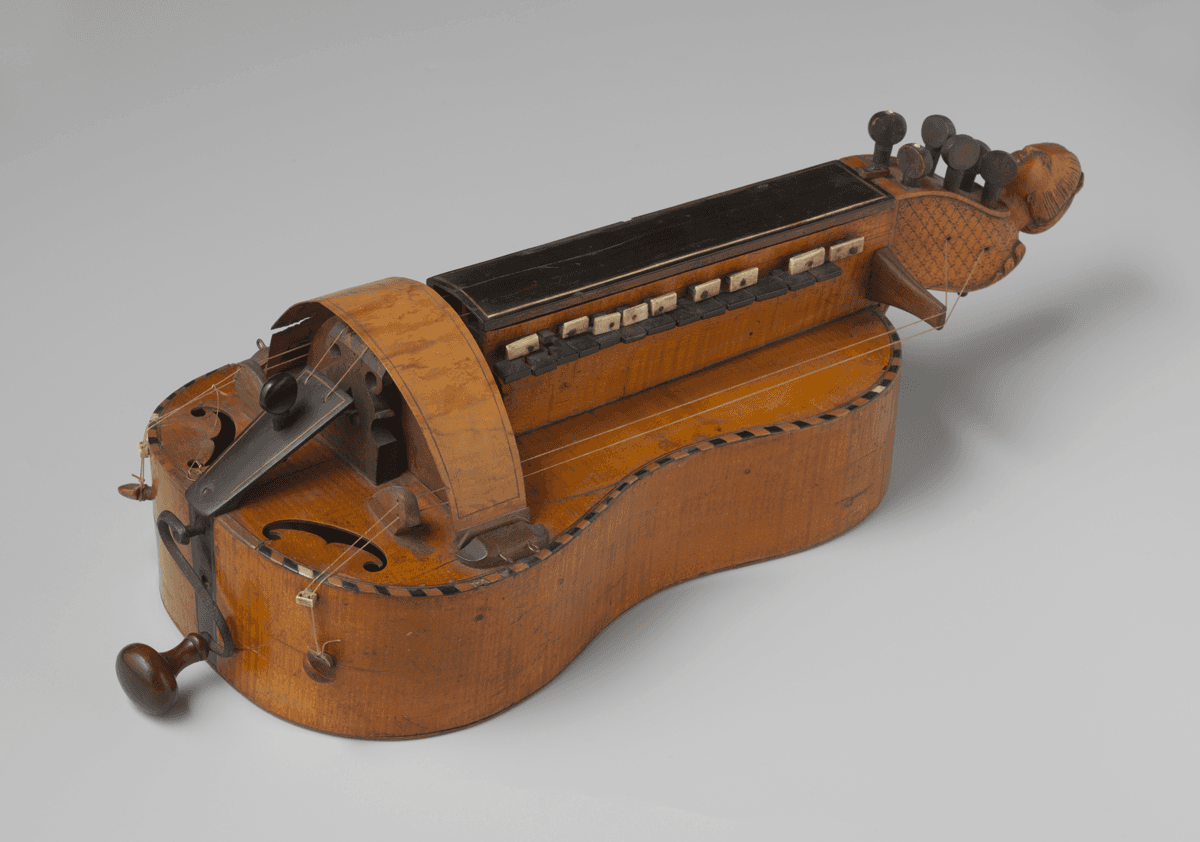
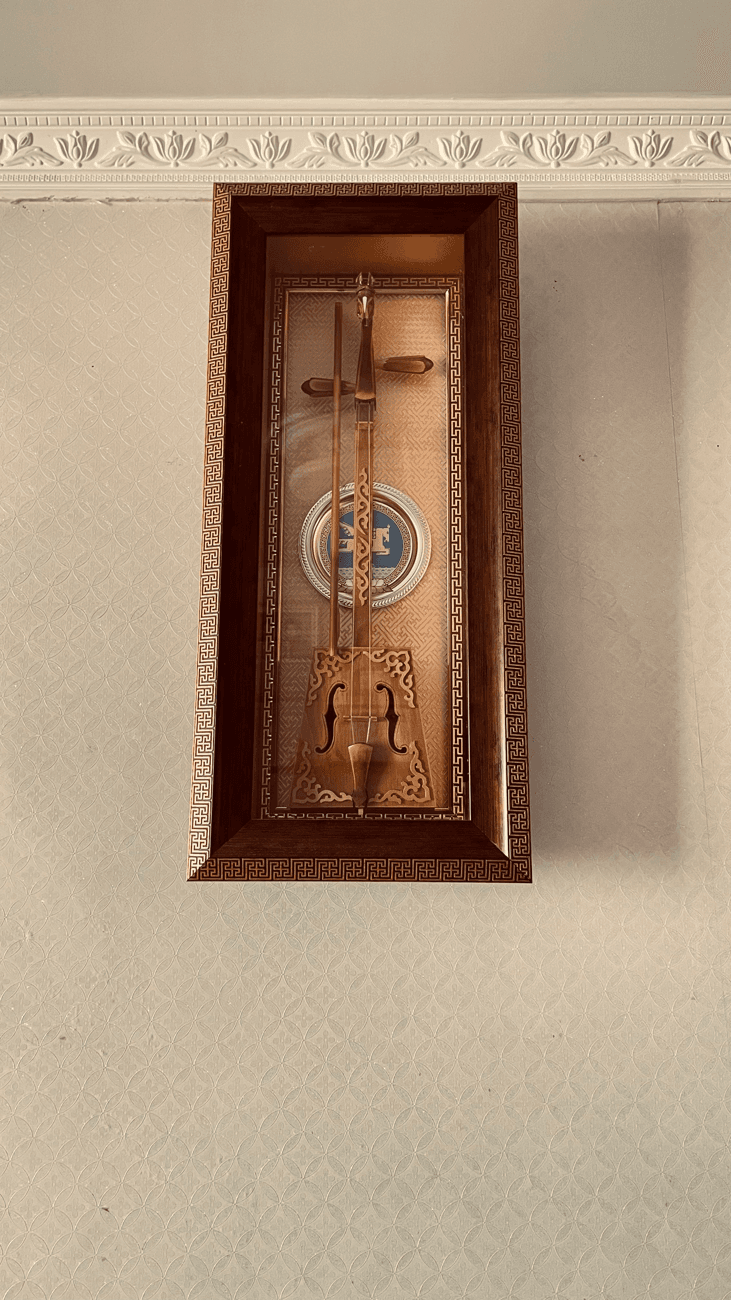
The nyckelharpa joins two ideas. First it is a bowed instrument: drawing a rosined bow across a string sets it into steady stick-slip vibration, the same Helmholtz motion as the erhu or violin, so the note sings on as long as you bow. Second, it is stopped by a KEYBOARD rather than by fingers: each key carries a tangent, a little hard ridge that pushes against the string to shorten its speaking length to a fixed note, exactly as a fret does — the same mechanism that fingers the melody on a hurdy-gurdy, but here you bow by hand instead of turning a wheel. What gives the nyckelharpa its glittering, cathedral-like tone is a third set of strings, the SYMPATHETIC strings, stretched under the melody string and never touched: each is tuned to a note of the scale, and whenever that note sounds on the bowed string, the matching sympathetic string is shaken into vibration by resonance and rings along on its own, wrapping every note in a soft halo — the same resonance trick used by the Indian sitar and sarangi. Played in Sweden since the Middle Ages and pictured on medieval church walls, the nyckelharpa is a cousin of the hurdy-gurdy (its keyed neighbour) and of the whole bowed-string family.
Vật liệu
8- Tạm thời
- 1 cáiTạm thời
- 1 cáiTạm thời
- Tạm thời
- 4 cáiTạm thời
- 1 cáiTạm thời
- 1 cáiTạm thời
- 1 cáiTạm thời
Blueprint liên quan
Các blueprint này chia sẻ kiến thức — kỹ thuật, vật liệu hoặc nguyên tắc
CC0 Phạm vi công cộng
Bản thiết kế này được phát hành theo CC0. Bạn tự do sao chép, sửa đổi, phân phối và sử dụng cho bất kỳ mục đích nào mà không cần xin phép.
Hỗ trợ nhà sáng tạo bằng cách mua sản phẩm qua bản thiết kế, nơi họ nhận Hoa hồng nhà sáng tạo do nhà bán hàng đặt, hoặc tạo phiên bản mới và kết nối trong bản thiết kế riêng để chia sẻ doanh thu.